1
Why Do Japanese People Wear Slippers Inside? A Guide for Irish Homes
Japanese Slipper Etiquette Simulator
Select a scenario below to see exactly what footwear you should wear according to traditional Japanese custom.
Entering a Home
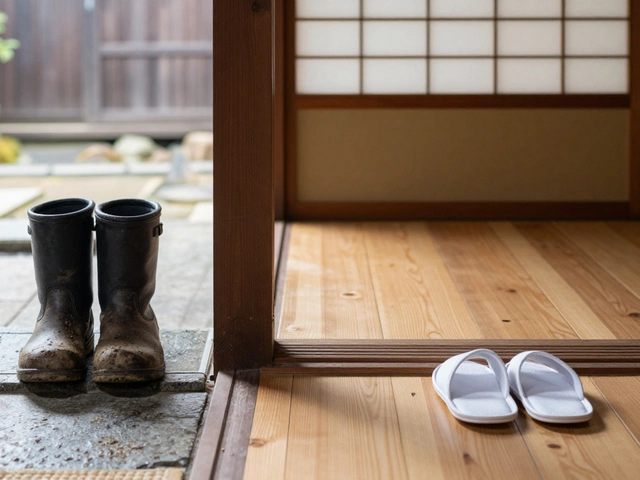
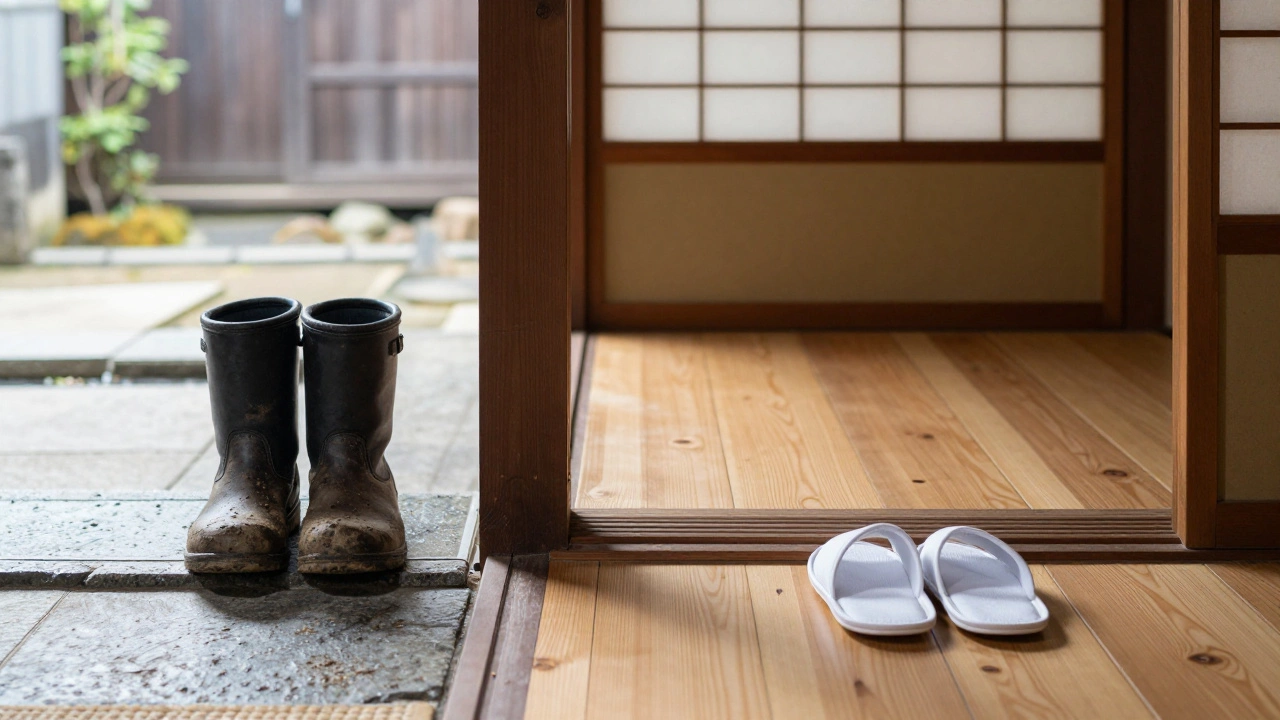
You just walked through the front door (genkan).
Tatami Room
You are about to step onto woven straw mats.
The Bathroom
You need to use the restroom facilities.
...
...
Pro Tip: ...
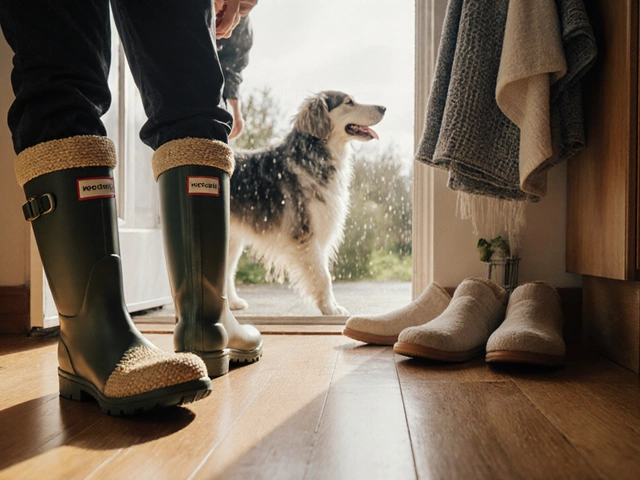
Walking into a traditional Irish home usually means one thing: kick off your shoes. Whether you’re arriving at a pub in Galway after a rainstorm or visiting family in Dublin, the rule is simple-shoes stay by the door. But if you’ve ever traveled to Japan, or watched a drama set in Tokyo, you might have noticed a twist on this habit. Instead of going barefoot, many Japanese people slip into indoor slippers the moment they cross the threshold. It looks cozy, but it’s actually a deeply rooted cultural practice with practical roots that resonate surprisingly well with our own island lifestyle.
So, why do Japanese people wear slippers inside? It’s not just about comfort. It’s about hygiene, floor care, and a strict social code regarding where you stand. For us here in Ireland, where damp weather and muddy boots are part of daily life, understanding this custom offers a fresh perspective on how we treat our homes and each other.
The Hygiene Factor: Keeping the Dirt Outside
The primary reason for the shoe-off policy in Japan is cleanliness. In many parts of Asia, including Japan, floors are often tatami mats or polished wood that can be easily damaged by street dirt. More importantly, people sit and sleep on these floors. If you walk in from the street with outdoor shoes, you’re tracking bacteria, mud, and pollution directly onto the surface where someone might later eat or rest.
This mirrors our own Irish obsession with keeping the house tidy, though we take a different approach. Here, we tend to embrace the "barefoot" solution once the shoes are off. In Japan, however, the transition isn’t always direct. The logic is that while outdoor shoes carry street grime, feet themselves can carry sweat, dead skin, and oils. Indoor slippers act as a barrier, keeping the living space cleaner than bare feet would, especially in shared spaces like hotels or traditional ryokans.
| Aspect | Ireland (Typical) | Japan (Traditional) |
|---|---|---|
| Entry Protocol | Remove shoes immediately | Remove shoes, switch to provided slippers |
| Floor Type | Carpet, laminate, tile | Tatami, wood, linoleum |
| Barefoot Acceptance | Very high, standard practice | Low in public/shared spaces, high in private rooms |
| Toilet Protocol | Usually barefoot or same slippers | Dedicated toilet slippers required |
The Hierarchy of Slippers: Geta, Zori, and Waraji
Not all Japanese footwear is created equal. Understanding the types helps explain when and why they are worn. You won’t see everyone wearing the same pair everywhere. There’s a specific vocabulary and etiquette involved.
- Geta: These are wooden clogs with a raised platform. They are traditionally worn over kimono. You’ll rarely see them indoors unless it’s a very formal setting or a traditional inn. They make a distinct clicking sound, which serves as an auditory cue of arrival.
- Zori: Flatter sandals, often made of leather or synthetic materials. These are more common for everyday outdoor wear with casual kimonos or even modern clothing in summer.
- Waraji: Straw sandals used historically by farmers and monks. Today, they are mostly seen in historical reenactments or festivals, not in modern homes.
- Indoor Slippers (Uchiwa): Soft, fabric-covered slippers provided in homes and businesses. These are lightweight and designed for walking on clean floors.
In Ireland, we don’t have this level of specialization. We might buy a nice pair of UGGs for winter or flip-flops for the beach, but we don’t typically have separate footwear for entering a shop versus entering a temple. This distinction highlights how integrated footwear is into Japanese social structure.
The Toilet Slipper Rule: A Critical Distinction
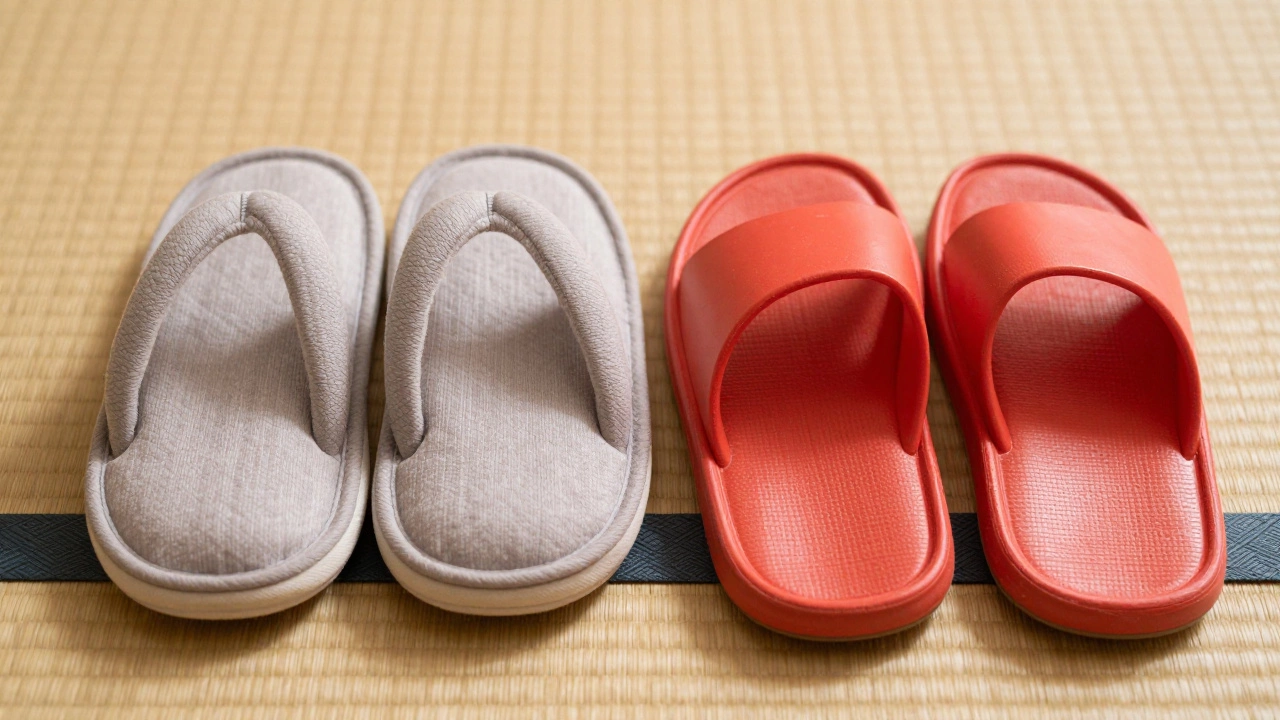
If there is one rule you must remember about Japanese slippers, it’s this: never wear your regular indoor slippers into the bathroom. Most Japanese homes and public facilities provide a separate pair of plastic slippers specifically for the toilet. This is non-negotiable.
Why? Because toilets are considered unclean spaces. By using dedicated toilet slippers, you prevent any potential contamination from spreading back into the living areas. When you leave the bathroom, you switch back to your regular indoor slippers (or go barefoot if you’re in a tatami room).
For visitors from Ireland, this can be confusing. We might use the same rug or mat throughout the house. But in Japan, mixing up these slippers is a major faux pas. It’s similar to how we wouldn’t wear our muddy hiking boots into the kitchen, but taken to a stricter extreme. Always look for the small plastic slippers near the toilet door-they are usually lower quality and distinctly different from the cozy fabric ones in the hallway.
Tatami Mats and the Barefoot Exception
Here’s where things get interesting for us Irish folks who love being barefoot. In traditional Japanese rooms with tatami mats (woven straw flooring), you do not wear slippers. Tatami is soft, absorbent, and expensive. Walking on it with slippers can damage the weave and trap dirt.
When you enter a tatami room, you remove your indoor slippers and place them neatly outside the room, facing outward so you can easily pull them on when leaving. This creates a clear boundary between the "clean" interior and the "outside" world. It’s a ritual that emphasizes respect for the space.
In Ireland, we might have carpeted bedrooms where we feel comfortable barefoot, but we don’t usually have a formal rule against wearing socks or slippers on carpets. However, the principle is similar: protect the floor. If you’re staying in a traditional ryokan in Kyoto or Tokyo, pay attention to the flooring. If it’s straw, take the slippers off. If it’s wood or tile, keep them on.
Adapting Japanese Habits for Irish Homes
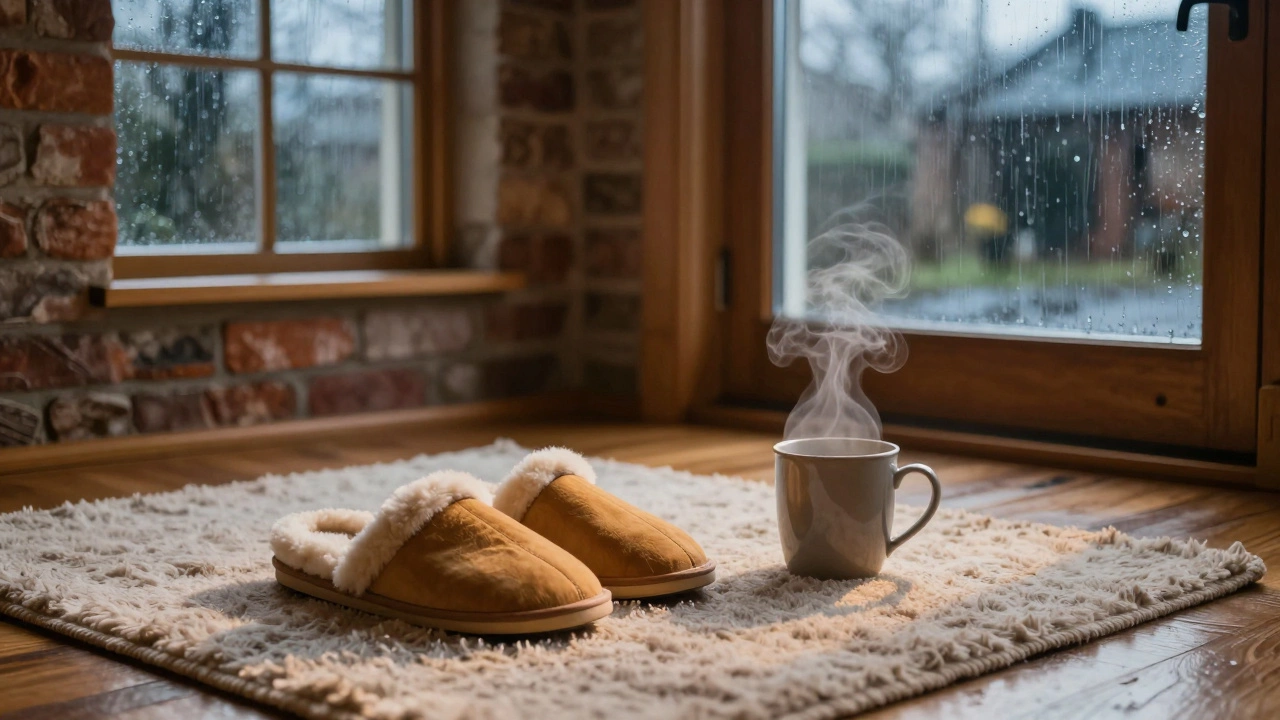
Does this mean we should all start buying indoor slippers? Not necessarily, but there are benefits to borrowing from this culture. Ireland’s climate is notoriously damp. Rain, sleet, and mud are constant companions. Even if we take off our shoes, our feet can still carry moisture and chill into the house.
Wearing warm, dry indoor slippers can help maintain body temperature, especially in older Irish homes that might lack central heating in every corner. Think of it as an extension of the "warm socks" advice your nan gives you. Plus, it keeps your carpets cleaner. If you’re hosting guests, offering a pair of guest slippers can be a thoughtful touch, signaling that their comfort and the cleanliness of your home are priorities.
Moreover, the discipline of having designated indoor footwear encourages mindfulness. It creates a mental pause between the chaos of the outside world and the tranquility of your home. In a fast-paced life, whether in Dublin city center or a quiet village in Connemara, that pause is valuable.
Where to Find Japanese-Style Slippers in Ireland
If you’re intrigued by the idea of trying out Japanese-style indoor slippers, you don’t need to fly to Osaka. Several retailers in Ireland stock similar styles. Look for brands that offer soft-soled, breathable slippers. Department stores like Brown Thomas or smaller boutiques in Temple Bar might carry imported designs. Online retailers also offer a wide range of options, from traditional wooden geta for decorative purposes to soft fabric uchiwa for daily wear.
When shopping, consider the material. Cotton and bamboo are great for breathability, while fleece-lined options are perfect for those chilly Irish winters. Avoid heavy rubber soles if you plan to walk on delicate floors; opt for felt or soft foam instead.
Can I wear my outdoor shoes inside a Japanese home?
No, absolutely not. Wearing outdoor shoes inside a Japanese home is considered extremely rude and unhygienic. Always remove your shoes at the genkan (entryway) before stepping onto the clean floor.
What should I do if I’m invited to a Japanese friend’s house in Ireland?
It depends on their household rules. Some Japanese expats in Ireland may maintain the tradition of removing shoes, while others might adapt to local norms. It’s always safe to ask upon arrival or follow their lead. If they take their shoes off, you should too.
Are Japanese slippers comfortable for long-term wear?
Yes, indoor slippers (uchiwa) are designed for comfort and light movement around the house. They are not meant for strenuous activity or walking long distances outdoors. For extended wear, ensure they fit well to avoid slipping.
Do all Japanese people wear slippers inside?
Most do, especially in traditional settings, hotels, and public buildings. However, in modern apartments with carpeting, some younger generations may choose to go barefoot, similar to Western habits. Context matters.
How do I know which slippers to wear in a ryokan?
Ryokans usually provide multiple pairs. One pair for general indoor use, and a separate, often plastic, pair for the bathroom. Follow the signage or staff instructions. Never mix them up.