12
How to Dress to Look Thinner in Summer: Irish Style Guide
Irish Summer Style Optimizer
Customize Your Look
Recommended Silhouette
Best Fabric
Color Palette
Pro Styling Tips:
Select your preferences
Click 'Get Styling Advice' to generate a personalized outfit plan.
It’s August in Galway, and while the sun might be shining on the Spanish Point, that familiar Atlantic breeze is still whipping off the Corrib. You want to wear your favorite light dress for a pint at the Quays or a stroll along Salthill Promenade, but you’re worried about how the fabric clings or sways in the wind. We’ve all been there-checking our reflection in the window of Brown Thomas or feeling self-conscious when the humidity hits during a summer festival.
The good news? Looking slimmer in summer isn’t about hiding your body; it’s about choosing cuts and fabrics that work with the Irish weather and your natural shape. It’s less about restrictive shapewear and more about smart styling that keeps you cool, comfortable, and confident whether you’re navigating the cobbled streets of Dublin’s Temple Bar or relaxing in a garden in Kilkenny.
The Power of Fabric Choice in Humid Weather
In Ireland, summer can be tricky. One minute it’s twenty-five degrees, the next it’s drizzling. This means your fabric choice does double duty: it needs to breathe so you don’t sweat, and it needs to drape well so it doesn’t cling to areas you’d rather keep smooth.
Avoid thin, clingy synthetics like cheap polyester. These materials trap heat and hug every curve, which can emphasize lumps and bumps. Instead, look for natural fibers or high-quality blends.
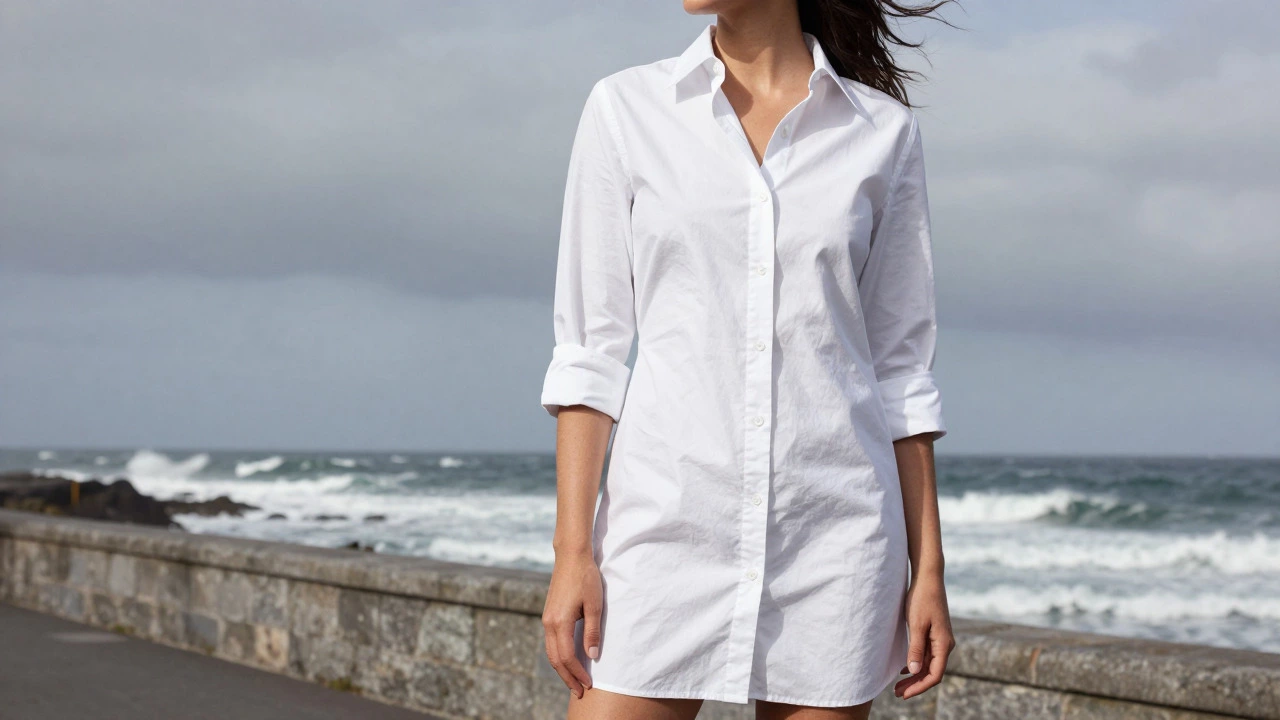
- Cotton Poplin: Crisp and structured. It holds its shape rather than sticking to your skin. Great for shirt dresses.
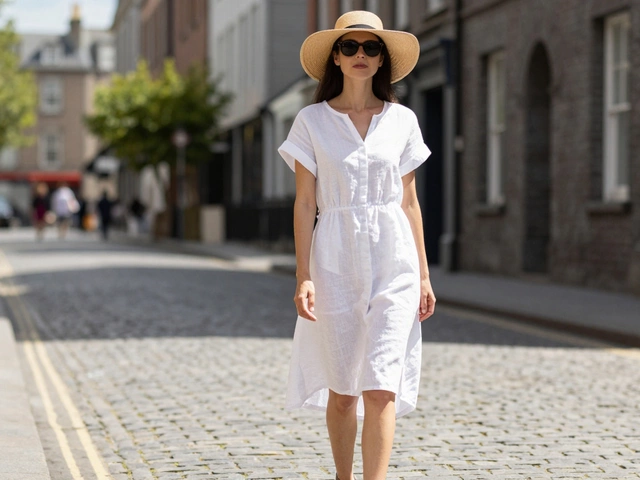
- Linen Blends: Pure linen wrinkles easily and can sometimes cling if damp. A linen-cotton blend offers the breathability without the excessive wrinkling or tight fit.
- Tencel or Modal: These are semi-synthetic fibers made from wood pulp. They are incredibly soft, breathable, and have a beautiful drape that skims over the body without clinging.
If you’re shopping locally, check out brands like Dermot Malone or smaller boutiques in Grafton Street that prioritize quality textiles. The key is weight-heavier fabrics hang better, creating vertical lines that elongate your silhouette.
Necklines That Draw the Eye Up
One of the easiest ways to create a slimmer appearance is to draw attention away from your midsection and toward your face and collarbones. Your neckline is the first thing people notice.
V-necks are your best friend. They create a vertical line that leads the eye downward, breaking up the width of the torso and elongating the neck. If you have a fuller bust, a deep V can also provide balance. Avoid high, round necks if you’re trying to minimize the upper body, as they can make you look boxier.
Off-the-shoulder styles are also fantastic. They expose the narrowest part of your arms (the shoulders) and highlight the collarbone, which creates an illusion of leanness. Just ensure the fit across the back is snug so it doesn’t gap open when you move.
The Magic of the Empire Waist and Wrap Styles
Where a dress sits on your waist changes everything. For many body types, an empire waist-which sits just under the bust-is incredibly flattering. It defines the smallest part of your torso and then flows loosely over the stomach and hips. This is perfect for after a heavy meal of soda bread and stew, allowing you to feel comfortable without looking bulky.
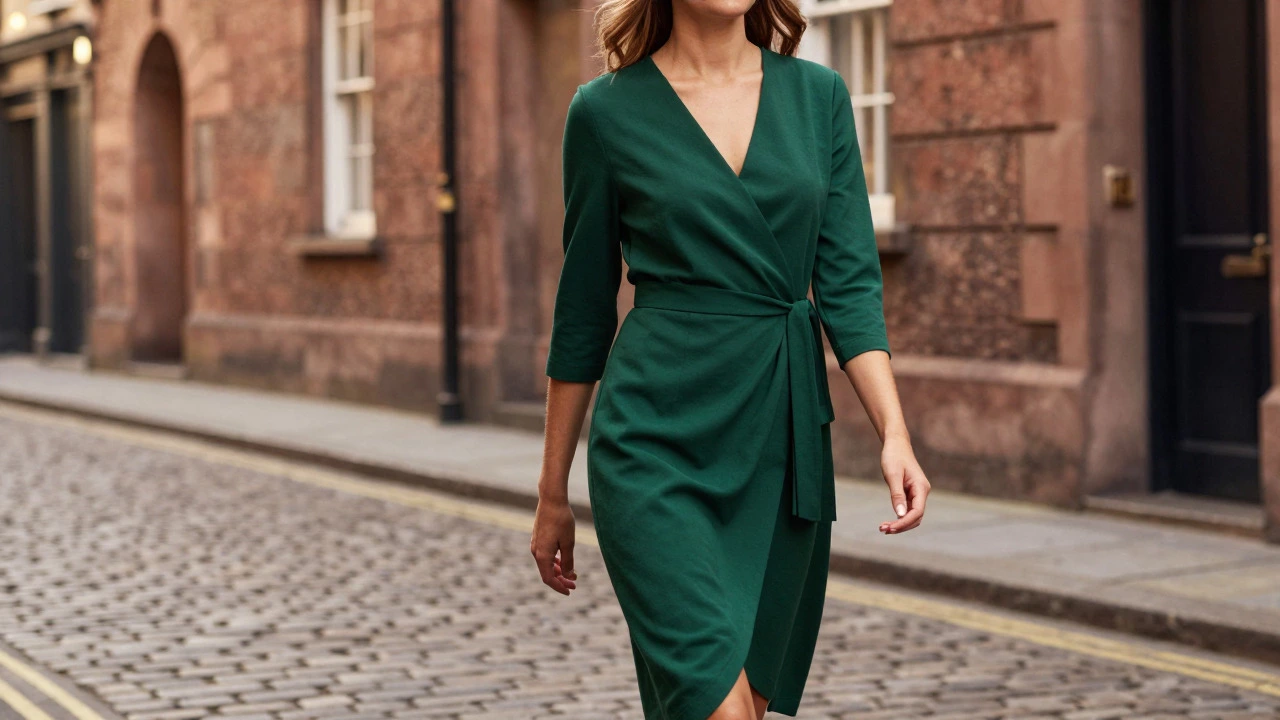
Wrap dresses are another classic for a reason. They create a V-neckline and cinch at the waist, but because they wrap around, they adjust to your body’s curves without squeezing them. Brands like Lily & Rose often carry versatile wrap styles that work for both office meetings in Cork and weekend trips to the Dingle Peninsula.
| Silhouette | Why It Works | Best For |
|---|---|---|
| Empire Waist | Lifts bust, skims over tummy | Apple shapes, post-meal comfort |
| Wrap Dress | Creates waist definition, adjustable fit | Pear shapes, hourglass figures |
| A-Line | Flares from waist, hides hips/thighs | Peaches, athletic builds |
| Shift Dress | Loose fit, no waist emphasis | Rectangular bodies, casual days |
Color and Pattern Strategy
We tend to think black is the only slimming color, but in summer, especially in Ireland where we crave sunshine, dark colors can feel heavy. Plus, black absorbs heat. Instead, opt for deep, rich jewel tones like navy, emerald green, or burgundy. These shades are visually receding, meaning they make the area they cover appear smaller, but they still feel summery and vibrant.
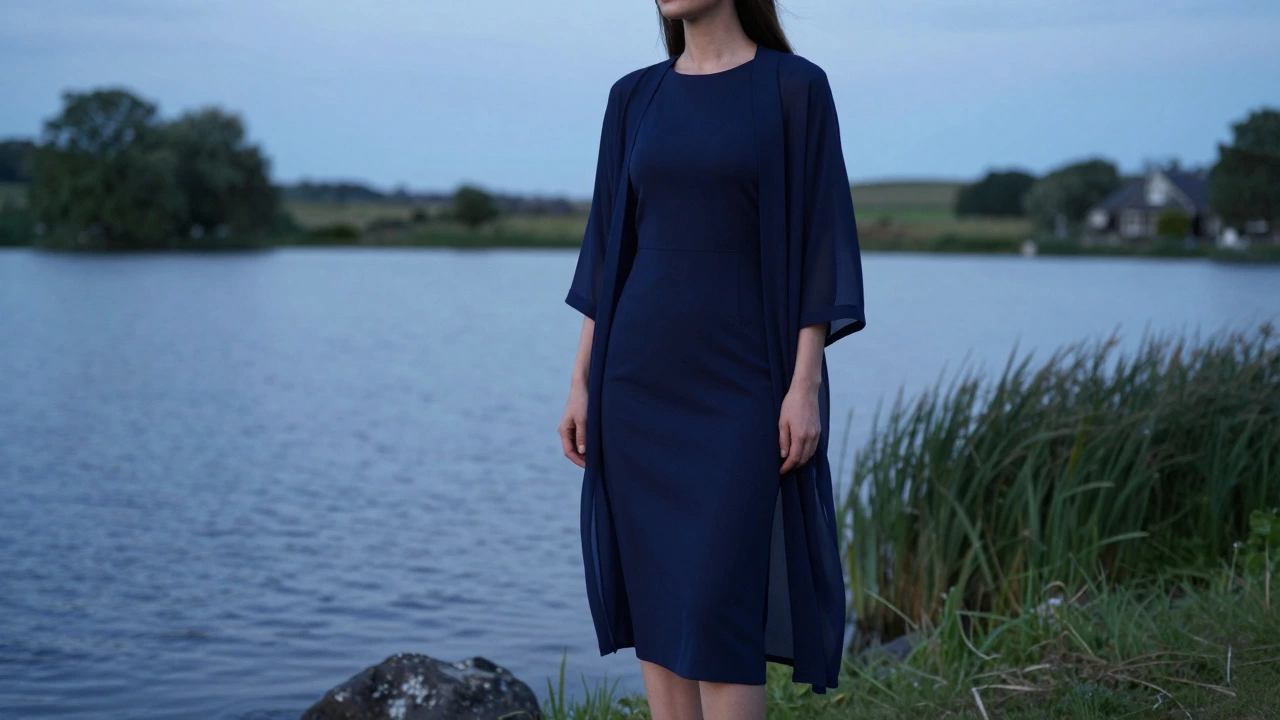
When it comes to patterns, large prints can add volume. Smaller, vertical stripes or subtle tonal patterns are much more forgiving. A monochromatic look-wearing one color from head to toe-creates an unbroken vertical line, which is highly effective for lengthening the body. Try a navy midi dress with a matching cardigan for those cooler evenings by the Lough Derg.
Length Matters: Midi vs. Maxi
Mini skirts and short dresses can cut off your legs at the widest part of the thigh, which can shorten your silhouette. Midi dresses (ending mid-calf) or maxi dresses (ankle-length) are generally more flattering. They show less skin and create a longer, leaner line.
If you choose a maxi dress, ensure it’s not too voluminous. Too much fabric can overwhelm a petite frame. Look for side slits or asymmetrical hems to break up the bulk and allow movement. This is particularly useful if you’re walking on uneven terrain, like the cliffs of Moher, where you need freedom of movement.
Accessories and Layering for the Irish Climate
Irish summers are unpredictable. You might start the day hot and end it chilly. Layering is key, but it must be done carefully to avoid adding bulk.
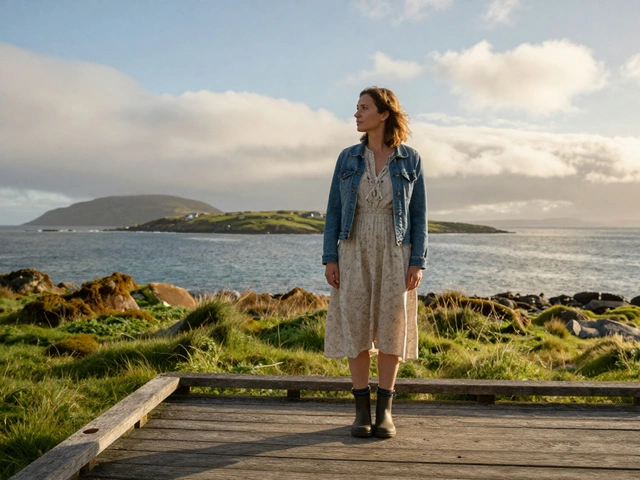
Instead of a thick sweater, use a lightweight denim jacket, a thin blazer, or a sheer kimono. These add structure and coverage without trapping heat. A structured blazer can also create sharp shoulder lines, which balance out wider hips.
Footwear plays a role too. Nude heels or sandals elongate the leg by continuing the skin tone. If you prefer flats, pointed-toe styles have the same effect. Avoid ankle straps that cut off the foot, as this can make your legs look shorter.
Finally, consider a belt. If you’re wearing a loose dress, a thin belt at the natural waist can define your shape without digging in. Choose a belt that matches your dress or shoes to maintain the vertical flow.
Confidence Is the Best Accessory
Ultimately, looking thinner is subjective. What matters most is how you feel. When you’re comfortable in what you’re wearing, you stand taller, move more freely, and exude confidence. Whether you’re heading to a wedding in County Kerry or a casual meet-up in Dublin 4, choose clothes that make you feel like yourself. The right cut, fabric, and color will do the rest.
What is the most slimming neckline for a summer dress?
A V-neck is widely considered the most slimming neckline. It creates a vertical line that draws the eye downward, elongating the neck and torso. Off-the-shoulder necklines are also excellent as they highlight the collarbone and narrow shoulders.
Are wrap dresses suitable for all body types in Ireland?
Yes, wrap dresses are highly versatile. They cinch at the waist and skim over the hips and stomach, making them flattering for apple, pear, and hourglass shapes. In Ireland's variable climate, they also offer easy layering options.
Which fabrics should I avoid if I want to look slimmer?
Avoid thin, clingy synthetic fabrics like cheap polyester or rayon. These materials trap heat and adhere to the body, emphasizing every contour. Opt instead for structured cottons, linen blends, or Tencel, which drape beautifully without clinging.
Is black really the only slimming color for summer?
No, while black is receding, other dark jewel tones like navy, emerald, and burgundy are equally slimming. Monochromatic outfits in any color also create a long, vertical line that elongates the silhouette.
How can I layer in summer without adding bulk?
Use lightweight layers such as a thin blazer, a denim jacket, or a sheer kimono. These provide coverage against the chill without trapping heat. Ensure the layer is tailored or has structure to avoid adding unnecessary volume.