7
What Size T-Shirt Sells the Most in Ireland? Data-Driven Insights for Retailers
Irish T-Shirt Inventory Calculator
Plan your t-shirt stock orders using data-driven size distributions specific to the Irish market. Select your retailer type and desired order quantity.
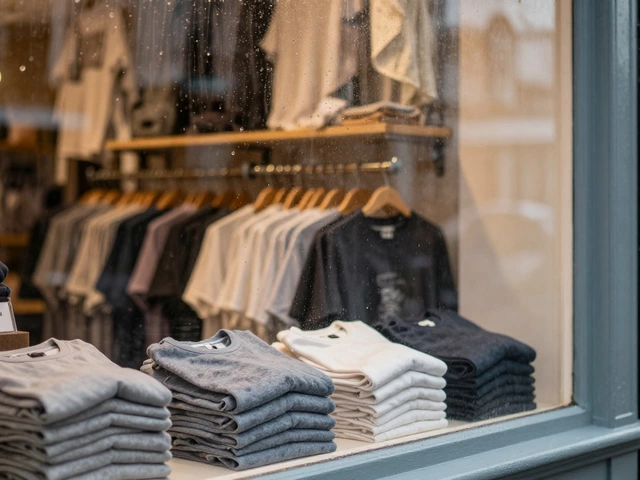
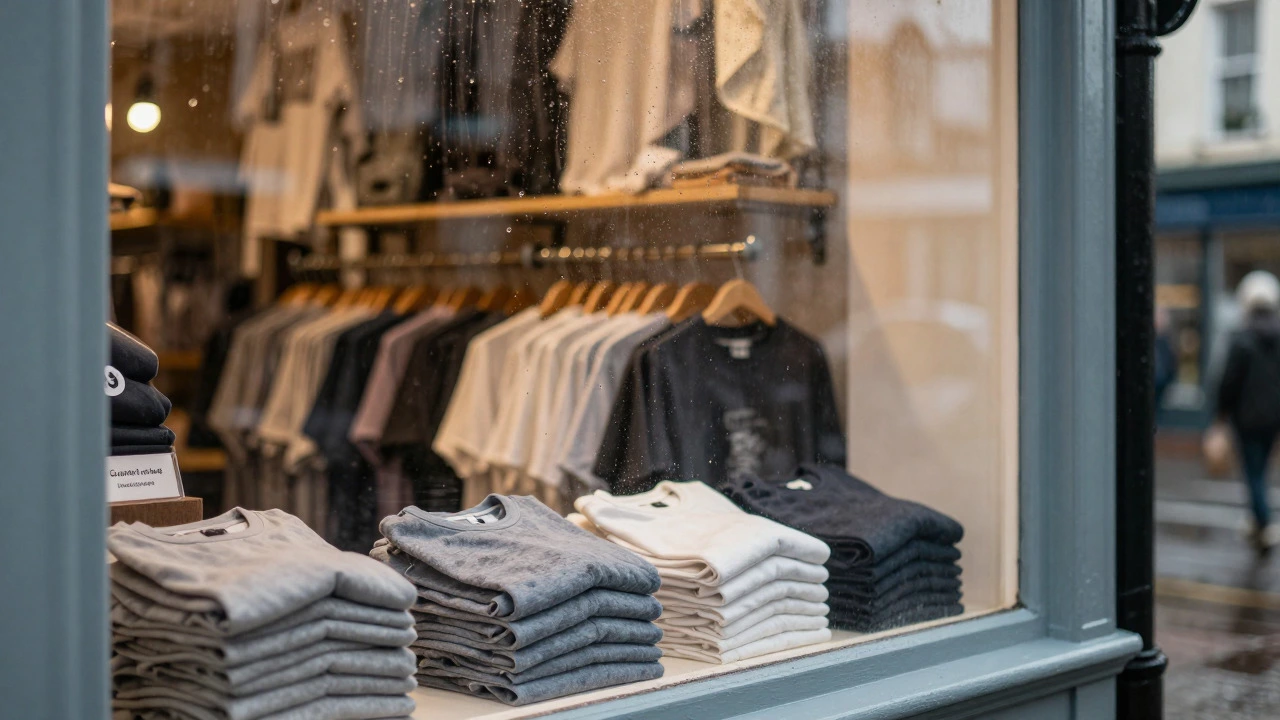
If you are stocking shelves in a boutique in Galway or managing inventory for an online store shipping across the island, one question keeps popping up: what size t-shirt sells the most? It is not just a guess. In Ireland, body types and shopping habits have shifted noticeably over the last decade. Understanding these shifts can mean the difference between moving stock quickly and being stuck with unsold inventory while the rain pours down outside your shop window.
The short answer? Mediums dominate. But that is only the tip of the iceberg. To really optimize your business, you need to look at gender differences, regional variations within the country, and how local culture influences what people actually buy versus what they say they wear.
The Core Data: Why Medium Is King
Across the Irish market, the medium (M) t-shirt consistently accounts for the largest share of sales. Industry data from major retailers like Dunnes Stores and Penneys (Primark) suggests that mediums represent roughly 30% to 35% of all t-shirt transactions. This is driven by a combination of factors. First, the average adult male height in Ireland has increased slightly over the past twenty years, pushing many men who might have worn a small into a medium. Second, women often size up in t-shirts for comfort, especially given our unpredictable weather where layering is common even in summer.
However, "medium" does not mean you should ignore other sizes. The distribution typically follows a bell curve:
- Medium (M): ~32% of sales
- Large (L): ~25% of sales
- Small (S): ~20% of sales
- X-Large (XL): ~15% of sales
- XS and XXL+: ~8% combined
This breakdown is crucial for initial stock planning. If you order 100 units, aiming for 30 mediums, 25 larges, 20 smalls, 15 XLs, and splitting the remaining 10 between XS and XXL is a safe baseline strategy for the general Irish population.
Gender Differences in Sizing Preferences
Men and women approach t-shirt sizing differently, and ignoring this split can lead to significant dead stock. For men, the fit is usually about shoulder width and sleeve length. Irish men tend to prefer a regular fit rather than slim, meaning a standard medium often fits comfortably without feeling tight. Brands like Jack Wills or even local surf brands catering to the west coast often cut their menswear slightly looser to accommodate outdoor activities.
For women, the story is more complex. A woman who wears a size 12 dress (which equates roughly to a medium in tops) might opt for a large in a t-shirt if she prefers an oversized, relaxed look. This "going up a size" trend is particularly strong among younger demographics in cities like Dublin and Cork. Conversely, older demographics might stick closer to their traditional sizing. When stocking women’s tees, it is wise to lean slightly heavier on Large and XL compared to the male equivalent, as the oversized aesthetic remains popular in Irish street style.
Regional Variations: Dublin vs. Rural Ireland
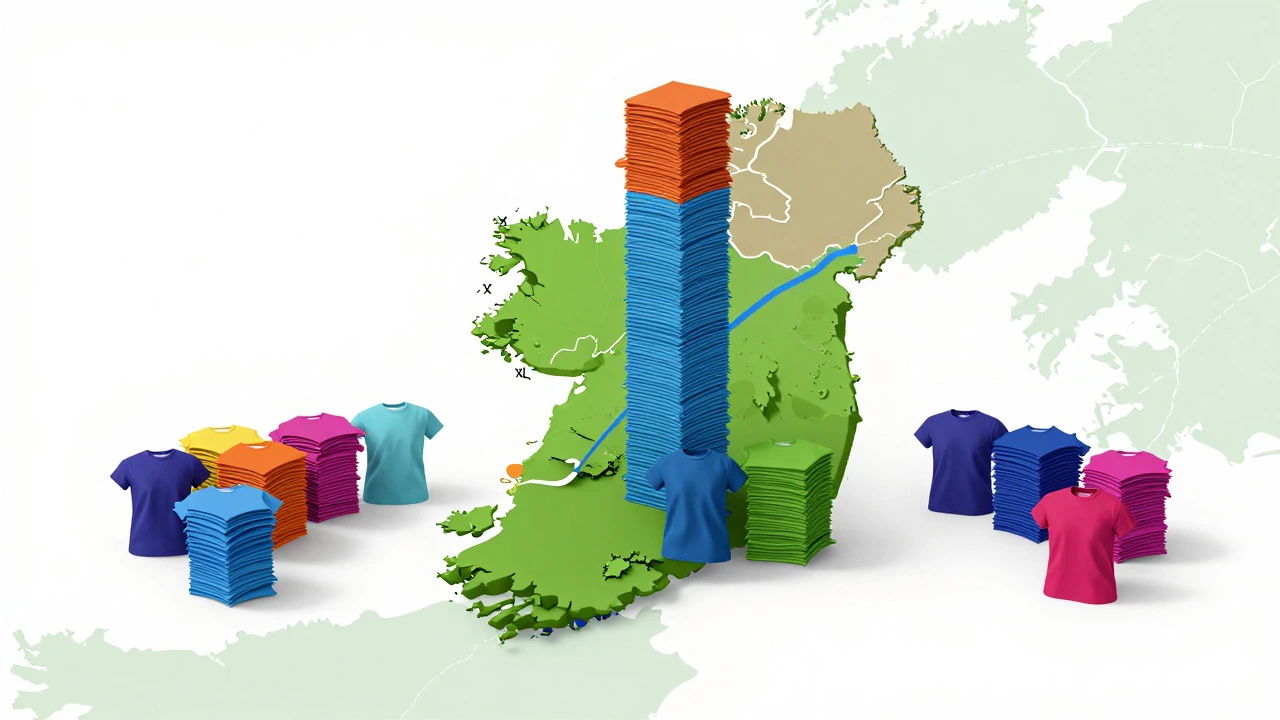
Ireland may be small geographically, but there are distinct regional differences in consumer behavior. In urban centers like Dublin, Galway City, and Cork, fashion trends move faster. Here, you will see higher demand for fitted styles and smaller sizes, particularly among students and young professionals. The influence of international fast-fashion brands means that sizing standards here align closely with UK and EU norms.
In contrast, rural areas and smaller towns often see a preference for durability and comfort. Farmers, tradespeople, and locals in counties like Mayo, Sligo, or Kerry might prioritize larger, sturdier tees that can handle physical work or casual weekend wear. You might find a higher proportion of Large and XL sales in these regions. Additionally, tourist-heavy areas like the Wild Atlantic Way route see a surge in demand for souvenir-style tees, which are often bought in larger sizes to fit under jackets during cooler coastal days.
The Impact of Local Culture and Weather
You cannot talk about clothing sales in Ireland without mentioning the weather. Our climate dictates layering. Even in July, evenings can be chilly, especially near the coast. This means t-shirts are rarely worn alone; they are base layers. This practical use case drives demand for fabrics that breathe well but also provide some warmth. Cotton blends are preferred over pure thin cotton because they hold up better when layered under flannels or light jackets.
Cultural events also play a role. During St. Patrick’s Day, green t-shirts sell out regardless of size, but the distribution skews towards Medium and Large as these are often bought for group gatherings and pub sessions where comfort is key. Similarly, sports fandom-GAA, rugby, soccer-drives specific size demands. GAA jerseys, for instance, are often worn loose, influencing the size choices for branded merchandise.
Inventory Management Tips for Irish Retailers
Knowing what size sells the most is only half the battle. How you manage that stock matters. Here are some practical tips tailored to the Irish market:
- Start with the 30-25-20 Rule: Use the medium-heavy baseline mentioned earlier for your first orders. Adjust based on your specific location. If you are in a university town like Maynooth or Limerick, bump up the Small and Medium counts.
- Monitor Returns: High return rates in certain sizes indicate a sizing mismatch. If customers frequently return Large shirts saying they are too big, consider switching to a brand with a tighter cut or adjusting your size guide.
- Localize Your Marketing: Highlight how the tee fits with local lifestyles. For example, market durable tees to farmers markets in Wicklow or stylish fits to boutiques in Temple Bar.
- Seasonal Adjustments: Increase stock of thicker fabric tees in autumn and winter. These often sell in larger sizes as people seek warmth. In spring and summer, lighter fabrics and smaller sizes gain traction.
Comparison of Sizing Strategies
| Retailer Type | XS | S | M | L | XL | XXL+ |
|---|---|---|---|---|---|---|
| Urban Boutique (Dublin/Galway) | 5% | 25% | 30% | 25% | 10% | 5% |
| Rural/General Store | 3% | 17% | 25% | 30% | 15% | 10% |
| Tourist Souvenir Shop | 4% | 20% | 30% | 28% | 13% | 5% |
| Sports Merchandise | 2% | 15% | 25% | 30% | 20% | 8% |
These allocations are starting points. Always track your own sales data. If you notice that XLs are flying off the shelves in your specific community, adjust accordingly. Local knowledge is invaluable. Talk to your customers. Ask them why they chose a certain size. Did they want it loose for layering? Did they find the sleeves too short? Their feedback is gold.
Common Pitfalls to Avoid
One major mistake retailers make is assuming US sizing applies directly. While many brands use similar labels, the actual measurements can differ. A US Medium might run smaller than an Irish/European Medium. Always check the garment’s measurement chart, not just the label. Another pitfall is ignoring the rise of plus-size fashion. There is a growing demand for well-fitting XXL and XXXL options in Ireland, yet many stores still stock very few. Capturing this underserved market can give you a competitive edge.
Finally, do not neglect the quality of the fabric. Irish consumers are increasingly conscious of sustainability and durability. Cheap, thin tees that shrink after one wash will hurt your reputation, no matter how accurately you sized them. Invest in good cotton blends that maintain their shape and size through multiple washes.
What is the most popular t-shirt size in Ireland?
Medium (M) is the most popular t-shirt size in Ireland, accounting for approximately 30-35% of total sales. This is followed by Large (L) and Small (S).
Do men and women prefer different t-shirt sizes in Ireland?
Yes. Men tend to stick to their standard sizing, with Medium and Large being dominant. Women often size up for a relaxed, oversized fit, leading to higher sales of Large and XL in women's collections compared to men's.
How does the Irish weather affect t-shirt sizing choices?
The cool, damp climate encourages layering. Consumers often choose slightly larger sizes or thicker fabrics to ensure comfort when wearing t-shirts under jackets or jumpers, even during milder seasons.
Are there regional differences in t-shirt size preferences across Ireland?
Yes. Urban areas like Dublin and Cork see higher demand for smaller, fitted sizes. Rural areas and tourist regions often show stronger sales for larger sizes due to practical wear and layering needs.
Should I stock more plus-size t-shirts in my Irish retail store?
Absolutely. The plus-size market (XXL and above) is underserved but growing. Including a reasonable stock of larger sizes can capture a loyal customer base that struggles to find well-fitting options elsewhere.
How do I determine the right stock mix for my new t-shirt line?
Start with the 30-25-20 rule (30% M, 25% L, 20% S) and adjust based on your location. Urban stores should increase Small/Medium ratios, while rural or sports-focused stores should boost Large/XL. Monitor returns and sales data closely to refine your mix.