29
Is 3 Coats Too Much? Layering Smartly for Ireland’s Unpredictable Weather

Ireland Weather Outfit Builder
Current Conditions
Recommended Layering System
Based on your inputs, here is the optimal stack to keep you warm and dry.
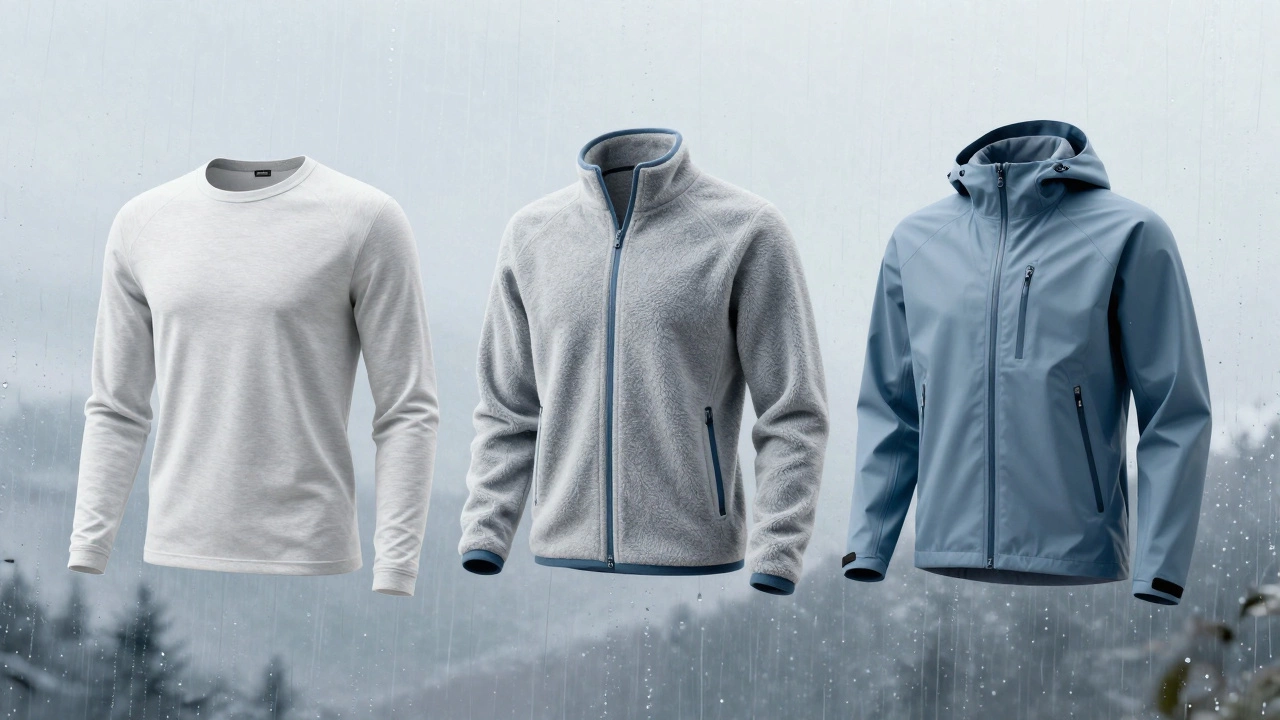
Merino Wool T-Shirt
Fleece Jacket
Waterproof Hard Shell
Visual Layer Stack
You’re standing on the quays in Galway, the Atlantic wind whipping your hair across your face, and you realize you’ve got a fleece, a rain shell, and a heavy wool coat on. You look like you’re preparing for an Antarctic expedition rather than grabbing a coffee at a local café. The question isn’t just about warmth; it’s about whether three layers is too much to handle when the weather turns sideways-which, let’s be honest, it does here almost daily.
In Ireland, we don’t really have seasons so much as we have "weather events" that happen randomly throughout the year. One minute you’re baking in the sun at Salthill Promenade, and ten minutes later, you’re dodging hailstones near the Spanish Arch. This volatility makes the "three-coat" dilemma a genuine struggle for locals and visitors alike. Is it overkill? Or is it survival?
The Myth of the Three-Coat Stack
There’s a common misconception among tourists-and even some new residents-that more fabric equals more warmth. You might see someone in Dublin wearing a thick parka over a hoodie over a sweater. It looks bulky, it restricts movement, and frankly, it traps moisture against your skin. When you sweat under three heavy layers, that dampness stays there. And in Ireland, where humidity hovers around 80-90% most of the time, wet clothes are colder than dry ones, no matter how many coats you wear.
The real issue with wearing three distinct "coats"-say, a puffer jacket, a trench coat, and a wool blazer-is that they fight each other. A trench coat isn’t designed to stretch over a puffer. A wool blazer will lose its shape if stuffed under a rain shell. Instead of asking if three coats are too much, ask yourself: am I layering correctly? The answer usually lies in separating function from fashion.
The Science of Layering: Base, Mid, Outer
To survive the Irish climate without looking like a marshmallow, you need to understand the three-layer system used by mountaineers and outdoor enthusiasts worldwide. This isn’t just jargon; it’s practical physics.
- Base Layer: This sits next to your skin. Its job is moisture management. Cotton is the enemy here because it holds water. Opt for merino wool or synthetic blends. In cities like Cork or Limerick, where you might be commuting indoors and outdoors frequently, a thin merino top keeps you warm without bulk.
- Mid Layer: This provides insulation. Think fleeces, down vests, or light knitwear. This is where you trap heat. If you’re walking through the Wild Atlantic Way trails, a mid-layer allows you to breathe while hiking but retain warmth when you stop.
- Outer Layer: This protects from wind and rain. In Ireland, this is non-negotiable. A high-quality waterproof and breathable shell (like Gore-Tex or similar membranes) blocks the driving rain common in Mayo and Donegal. It should fit comfortably over your mid-layer without being tight.
If you’re wearing all three of these, you aren’t wearing "three coats." You’re wearing a functional system. But if you’re wearing a winter coat, a raincoat, and a suit jacket simultaneously, yes, that’s too much. It’s inefficient, uncomfortable, and likely to leave you overheated indoors and chilled once you step back out.
Why Irish Weather Demands Flexibility
Ireland’s microclimates are tricky. The west coast, including Galway and Clare, gets significantly more rainfall than the east. While Dublin might see a gentle drizzle, Connemara can experience horizontal rain that soaks through anything less than a proper hard-shell jacket. However, the temperature rarely drops below freezing for extended periods in urban areas. Most days hover between 5°C and 15°C (41°F-59°F). This means you don’t need extreme cold-weather gear unless you’re climbing Mount Brandon or skiing in Wicklow during a rare snow event.
The key is adaptability. You need to be able to shed layers quickly. Imagine walking into a pub in Ennis after a rainy afternoon. If you’re bundled in three heavy coats, you’ll be sweating within minutes. If you’re layered smartly, you can unzip your shell, remove your fleece, and feel comfortable while enjoying a pint. That’s the goal: comfort in transition zones.
Material Matters: What Works in Ireland
Not all fabrics are created equal. Here’s what you should prioritize when building your wardrobe for life in Ireland:
| Layer Type | Recommended Material | Why It Works in Ireland | Avoid |
|---|---|---|---|
| Base | Merino Wool / Synthetic | Wicks moisture, odor-resistant, warm when wet | Cotton T-shirts |
| Mid | Fleece / Down Vest | Lightweight insulation, packs small | Heavy Sweaters (unless static) |
| Outer | Gore-Tex / Hard Shell | Waterproof, windproof, breathable | Umbrella-only reliance |
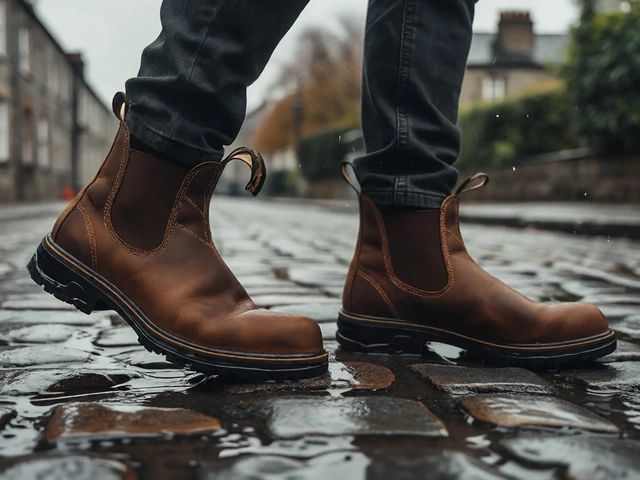
| Footwear | Waterproof Leather / GORE-TEX Boots | Keeps feet dry in puddles and mud | Sneakers without lining |
For example, a classic Irish tweed jacket can serve as a stylish outer layer in mild conditions, but it won’t hold up against a storm in the Burren. Pair it with a waterproof shell underneath if you expect rain, or save it for dry, sunny days in Kilkenny. Versatility is king.
Local Brands and Shopping Tips
You don’t need to buy expensive international brands to dress well for Ireland. Local designers and retailers understand our climate better than anyone. In Galway, shops like Galway West is a brand known for rugged, weather-resistant outerwear inspired by Connemara landscapes offer durable options. Similarly, Dublin-based labels often incorporate technical fabrics into everyday styles, making them suitable for both office wear and weekend hikes.
When shopping, look for features like sealed seams, adjustable hoods, and pit zips for ventilation. These small details make a huge difference when you’re caught in a sudden downpour near Cliffs of Moher. Don’t forget accessories: a good scarf and waterproof gloves can add warmth without adding bulk to your torso.

Common Mistakes to Avoid
Even seasoned locals make errors. Here are the most frequent pitfalls:
- Over-dressing for short trips: If you’re only stepping out to grab groceries, you don’t need full mountain gear. A light rain jacket and a sweater suffice.
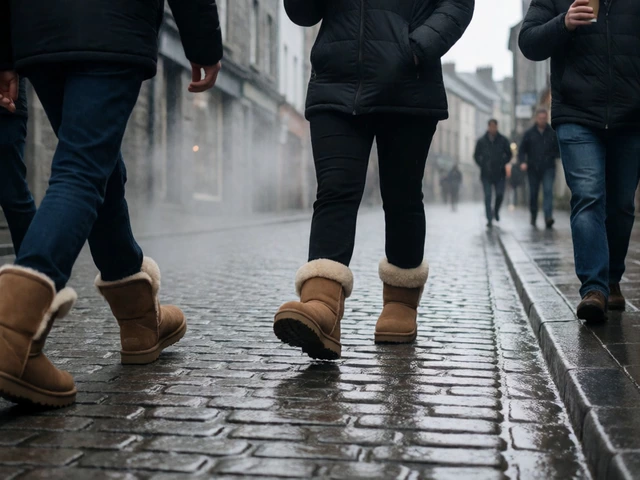
- Ignoring footwear: Wet feet ruin any outfit. Invest in waterproof boots or shoes with good grip. Cobblestone streets in cities like Waterford become slippery when wet.
- Wearing cotton jeans: Jeans take forever to dry. If you get soaked, you’ll stay cold for hours. Opt for quick-dry trousers or treat your denim with a water-repellent spray.
- Forgetting an umbrella: While not always effective in strong winds, a compact umbrella is useful for light drizzles in urban areas like Belfast or Derry.
Seasonal Adjustments
Your layering strategy should shift slightly depending on the month. In summer (June-August), temperatures can reach 20°C (68°F), but rain remains possible. A light windbreaker and a t-shirt might be enough. In winter (December-February), focus on insulation. Add a thermal base layer and a heavier mid-layer. Spring and autumn are the trickiest, requiring constant adjustment. Always carry a foldable rain shell in your bag, regardless of the forecast.
Remember, the goal isn’t to defeat the weather-it’s to coexist with it. Ireland’s beauty lies in its changeability. Dressing appropriately allows you to enjoy the scenery, whether you’re exploring the Ring of Kerry or browsing markets in Drogheda, without being miserable.
Can I wear a suit jacket in Ireland?
Yes, but only as part of a layered approach. Wear a lightweight vest or shirt underneath, and keep a waterproof trench coat or umbrella handy. Suit jackets alone offer little protection against wind and rain, which are common in Irish cities.
Is cotton okay for base layers?
No. Cotton absorbs moisture and loses insulating properties when wet. In Ireland’s humid climate, this can lead to rapid cooling. Stick to merino wool or synthetic fabrics that wick sweat away from your skin.
How do I choose a waterproof jacket?
Look for jackets labeled "waterproof" rather than "water-resistant." Check for sealed seams and a hydrostatic head rating above 10,000mm. Brands like Gore-Tex provide reliable performance in heavy Irish rains.
What should I wear to an Irish wedding?
Weddings often involve outdoor photos. Choose elegant fabrics that can handle light rain, such as wool suits or dresses with waterproof overlays. Bring a stylish waterproof coat instead of relying solely on an umbrella.
Are hoodies good for layering?
Hoodies can work as mid-layers if made of thin material. Thick cotton hoodies trap heat and moisture, making them less ideal. Opt for fleece-lined or synthetic hoodies that breathe better under a shell jacket.