27
Is €200 Good for a Suit in Ireland? A Local Buyer’s Guide

Irish Suit Budget Calculator
Budget
€100–€150
High Polyester Lifespan: 1-2 YearsStandard
€150–€250
Poly-Viscose Blend Lifespan: 3-5 YearsPremium
€300+
Wool or Wool Blend Lifespan: 7+ YearsYour True Cost Analysis
3-5 Years
Walking into a shop on Grafton Street or browsing online from your kitchen in Galway, you’ve likely seen the same question pop up: is €200 good for a suit? In Ireland, where weather shifts from sun to rain in ten minutes and social events range from casual pub gatherings to formal weddings, getting the right fit and fabric matters. The short answer is yes, but with caveats. You can find decent quality at this price point if you know where to look and what to avoid.
Let’s break down what you actually get for your money in the current Irish market, considering local retailers, climate needs, and cultural expectations.
What Does €200 Buy You in Ireland?
In 2026, inflation has pushed prices up across the board, including menswear. A €200 budget puts you firmly in the entry-level category. At this price, you’re typically looking at synthetic blends rather than pure wool. Most suits in this range use polyester-viscose-elastane mixes. These fabrics are durable and wrinkle-resistant, which is handy when you’re commuting on Luas or squeezing onto a bus in Cork. However, they don’t breathe as well as natural fibers, meaning you might sweat more during a summer wedding in Kilkenny or a long day at a corporate event in Dublin’s Docklands.
The construction method also matters. Cheap suits often use fused construction, where the lining is glued to the outer fabric. Over time, especially with the damp Irish air, this glue can bubble or peel, ruining the shape of the jacket. Better options at this price point use half-canvassed construction, which offers better drape and longevity. Look for brands that explicitly mention their construction methods, or ask staff in stores like Marks & Spencer or Penneys (Primark) for guidance.
| Price Range | Fabric Type | Construction | Expected Lifespan |
|---|---|---|---|
| €100-€150 | High Polyester Blend | Fused | 1-2 years |
| €150-€250 | Polyester-Viscose Blend | Fused or Half-Canvas | 3-5 years |
| €300+ | Wool or Wool Blend | Half-Canvas or Full-Canvas | 7+ years |
Where to Shop for Affordable Suits in Ireland
Your location affects your options significantly. If you’re in Dublin, you have access to larger department stores and outlet centers like Designer Outlet Kildare. Here, you might snag a branded suit from Ted Baker or Hugo Boss on sale for around €200. Outside major cities, high-street chains dominate. Penneys remains a go-to for budget-conscious buyers, offering suits starting under €100. While the quality isn’t premium, the value is undeniable for occasional wear.
Marks & Spencer strikes a balance between affordability and reliability. Their suits often feature better tailoring and slightly higher-quality fabrics than ultra-cheap alternatives. In Galway, visiting the store on Eyre Square allows you to try on multiple styles, ensuring a proper fit before buying. Online retailers like ASOS and BoohooMAN also ship quickly to Ireland, but return policies can be tricky. Always check sizing charts carefully, as European sizes differ from UK and US standards.
Don’t overlook second-hand options. Thrift shops in towns like Ennis or Limerick City sometimes carry gently used designer suits. With a bit of luck and a tailor’s help, you can transform a €50 find into a sharp look for less than €100 total.
Fabric Matters More Than Brand
When spending €200, prioritize fabric over brand name. Pure wool suits are rarely available below €300, but wool blends offer a compromise. Look for labels containing at least 30% wool mixed with polyester or elastane. This combination provides some breathability while maintaining durability. Avoid 100% polyester suits unless you need them for very specific purposes, like costume work or extreme durability requirements.
Consider the weight of the fabric too. Irish winters demand heavier weights (around 280-320 grams per square meter), while summers call for lighter options (under 240 grams). Many budget suits come in mid-weight fabrics suitable for year-round indoor wear, which works well for most Irish scenarios. Just remember to layer appropriately underneath-a thin merino wool sweater pairs nicely with a suit jacket without adding bulk.
Tailoring Is Non-Negotiable
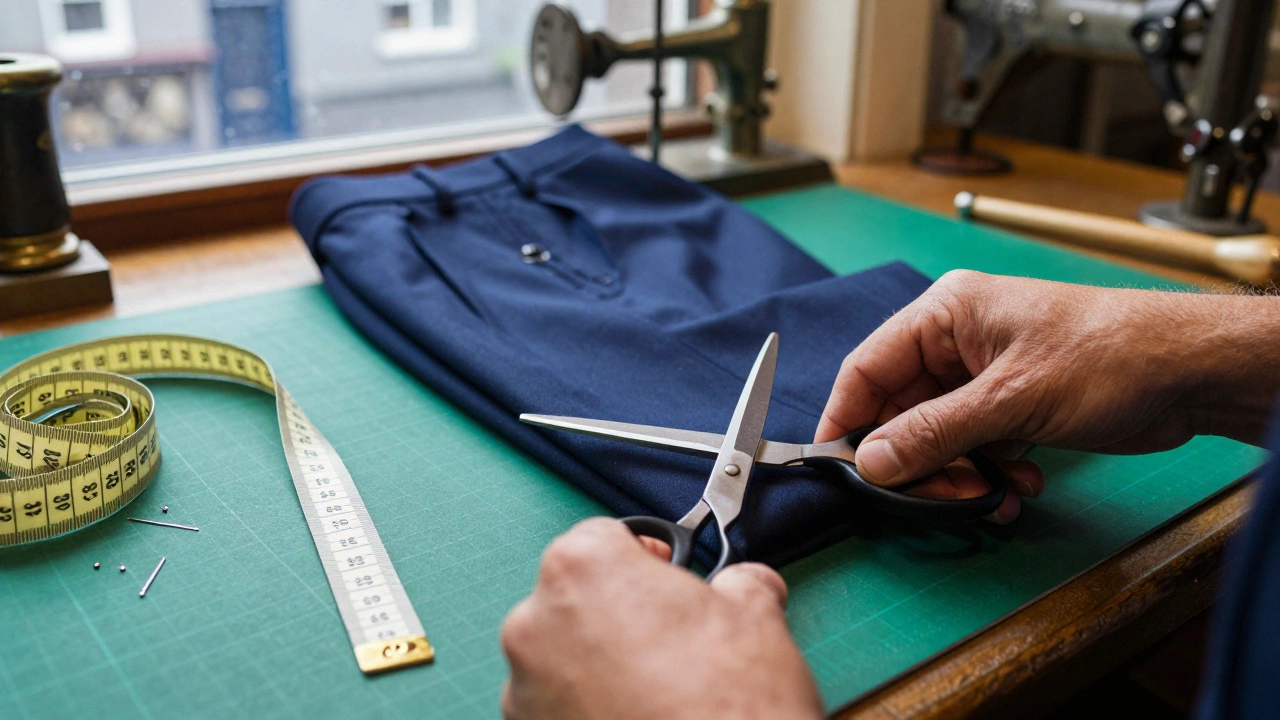
No matter how cheap the suit, poor fit ruins it. Off-the-rack suits rarely fit perfectly off the shelf. Budget an extra €30-€50 for basic alterations. Focus on three key areas: sleeve length, trouser hem, and waist suppression. A local tailor in your town-perhaps one recommended by friends in Sligo or Waterford-can make these adjustments quickly and affordably.
Try to avoid complex changes like moving shoulders or altering chest size, as these require advanced skills and cost significantly more. Stick to simple tweaks that enhance the silhouette without compromising structural integrity. Many dry cleaners in Ireland now offer basic alteration services alongside cleaning, making it convenient to handle everything in one stop.
Cultural Context: When Do You Need a Suit?
In Ireland, suits serve distinct purposes beyond formal business settings. Weddings remain the biggest driver of suit purchases. Whether you’re a groom, groomsman, or guest, having a smart outfit is expected. For rural weddings in counties like Mayo or Kerry, a classic navy or charcoal suit works universally. Urban weddings in Dublin may lean towards bolder colors or patterns, so consider versatility when choosing your piece.
Job interviews also necessitate professional attire. Even in tech hubs like Shannon Free Zone, dressing conservatively signals respect and seriousness. A well-fitted €200 suit makes a strong impression without breaking the bank. Similarly, funerals, christenings, and confirmations often call for dark, subdued tones. Owning one versatile suit covers most life events efficiently.
Common Mistakes to Avoid
- Ignoring Fit: Don’t assume a larger size will accommodate future weight gain. It won’t flatter your current frame.
- Skiping Try-Ons: Always test movement-sit down, raise arms, walk around-to ensure comfort.
- Overlooking Care Instructions: Dry clean sparingly; spot clean minor stains instead to extend lifespan.
- Chasing Trends: Timeless cuts outlast fleeting fashion trends, saving you money long-term.
Final Thoughts on Value
So, is €200 good for a suit in Ireland? Absolutely-if you manage expectations and invest wisely in fit and care. You won’t get luxury materials, but you’ll secure functional, presentable clothing suitable for most occasions. Prioritize reputable retailers, understand fabric limitations, and allocate funds for essential alterations. With smart choices, your €200 investment serves you reliably for years.
Can I buy a wool suit for €200 in Ireland?
Pure wool suits usually start above €300. At €200, expect wool blends containing 30-50% wool mixed with synthetics. Check labels carefully for accurate composition details.
Which stores offer the best value suits in Ireland?
Marks & Spencer, Penneys, and ASDA provide reliable budget options. Designer outlets in Kildare occasionally feature discounted branded suits within this range.
How long does a €200 suit last?
With proper care and infrequent wear, expect 3-5 years. Frequent washing or heavy usage reduces lifespan considerably. Rotate outfits and allow jackets to rest between wears.
Should I alter my new suit immediately?
Yes, basic alterations improve fit dramatically. Sleeve length and trouser hems are quick fixes costing €30-€50 locally. Proper fit enhances appearance far more than expensive fabric alone.
Is online shopping safe for suits in Ireland?
Online purchases carry risks due to inconsistent sizing. Use detailed measurement guides and prefer retailers with free returns. Trying on physically ensures better results initially.