27
Why is Sportswear Called Sportswear? The Irish History of Athletic Dress
Sportswear Evolution Explorer
Select a time period below to explore how athletic dress evolved from functional necessity to global lifestyle trend.
Pre-1850
Day & Evening Wear1850-1920
Playing Kit / Athletic Dress1920-1980
The Rise of Sportswear1980-Present
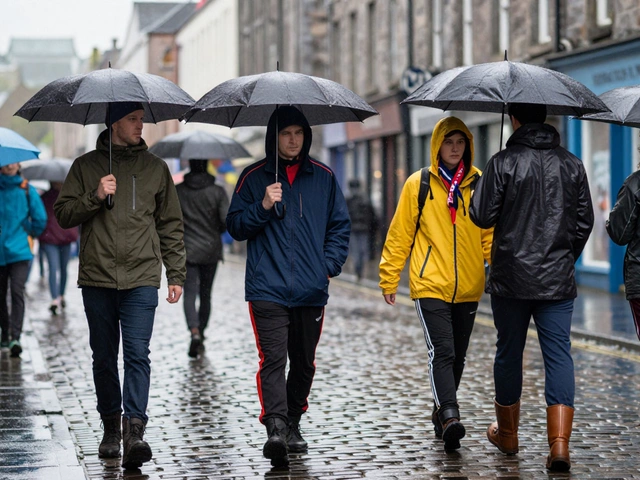
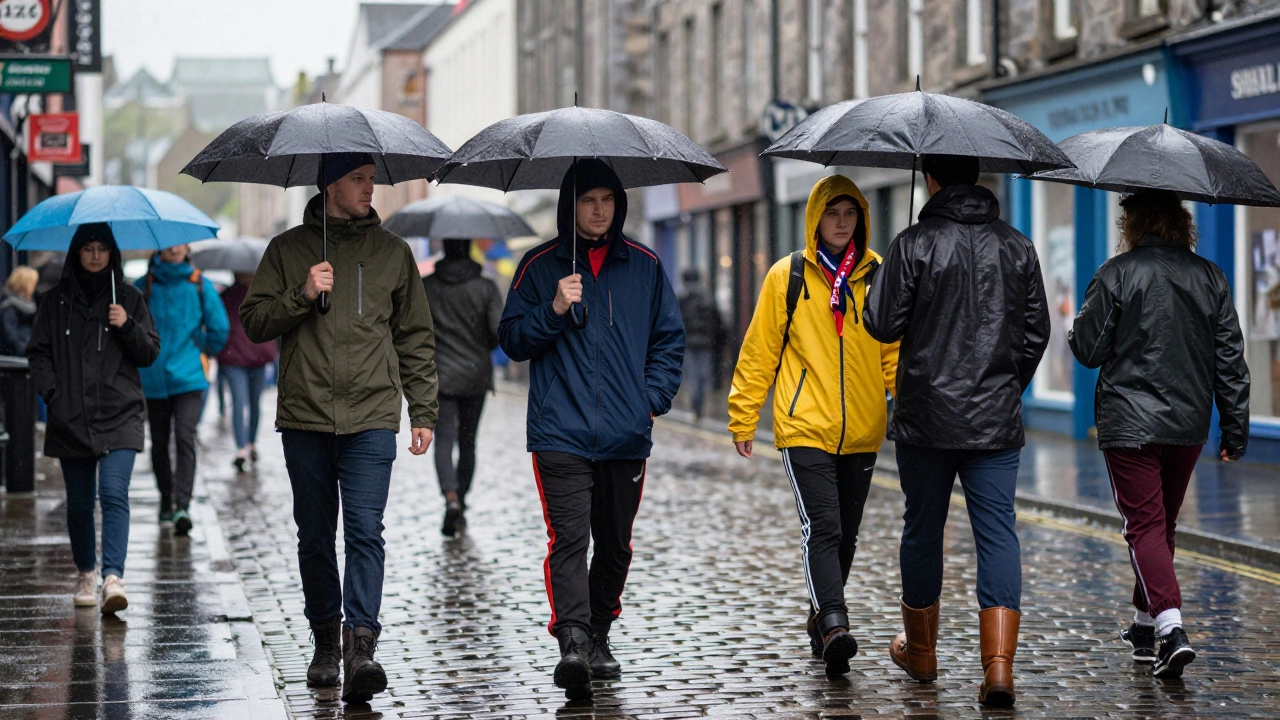
Activewear & AthleisureWalking down Shop Street in Galway on a rainy Tuesday morning, you’ll see a distinct uniform: waterproof jackets, sturdy boots, and perhaps a team scarf. But look closer at the joggers or the branded tracksuits peeking out from under coats. We call it sportswear, but why do we use that specific word for clothes that are rarely worn to play sports anymore? In Ireland, where the weather dictates our layers and our culture is deeply tied to local clubs, this term has taken on a life of its own. It’s not just about performance fabric; it’s about a linguistic shift that happened right here, alongside the rise of global brands and local traditions.
The Etymological Roots: From "Sport" to "Wear"
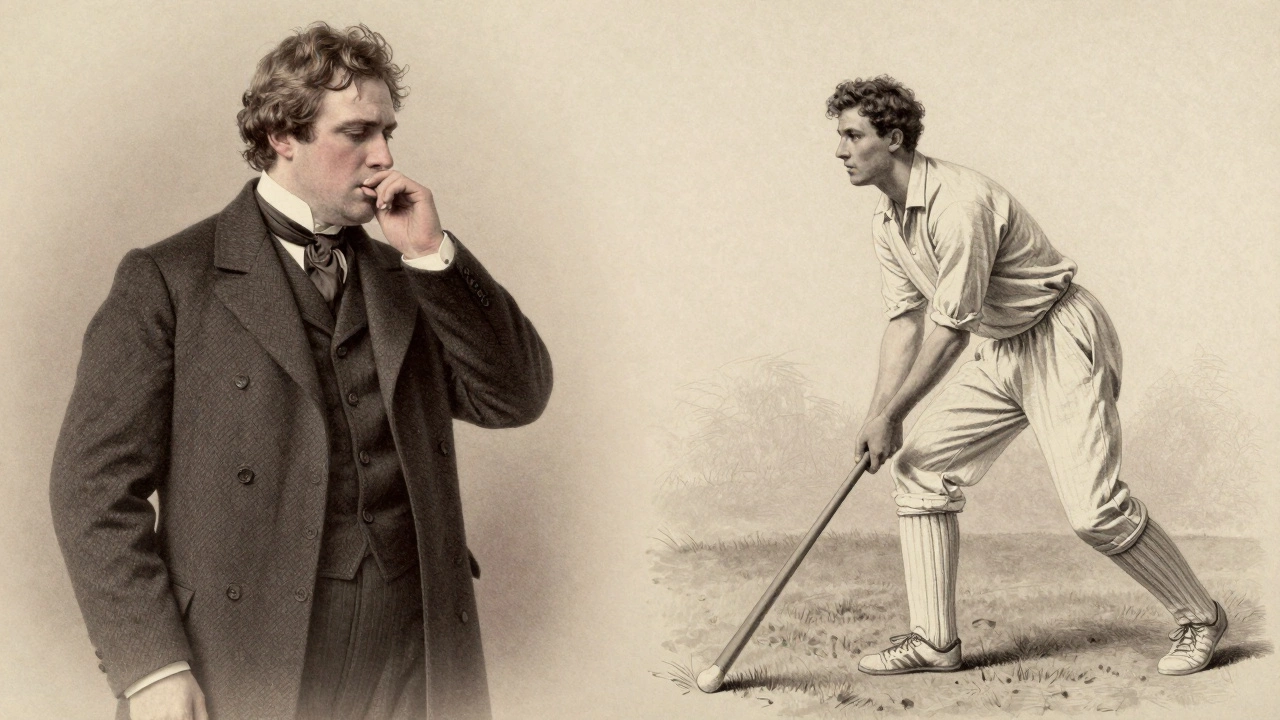
To understand why we say "sportswear," we have to look back at how the English language evolved, particularly in the British Isles. The word itself is a compound noun, combining "sport" and "wear." While it sounds simple now, the concept was revolutionary when it first appeared in print during the late 19th century. Before then, people didn’t really have a category for "athletic clothing." You wore your Sunday best, your work clothes, or your evening attire. If you wanted to play cricket or tennis, you often wore modified versions of your regular day clothes, usually made of lighter fabrics like flannel or linen.
The term "sportswear" gained traction as physical activities became more codified and specialized. As sports like rugby, football (soccer), and Gaelic games developed specific rules and equipment needs, the clothing had to adapt. This created a new semantic category. It wasn't just "clothes for playing"; it was a distinct class of garments designed for movement, durability, and moisture management. The Oxford English Dictionary traces the usage back to the early 1900s, marking the moment society recognized that what you wear to run a marathon is fundamentally different from what you wear to read a book.
| Time Period | Clothing Category | Primary Function | Typical Materials |
|---|---|---|---|
| Pre-1850 | Day/Evening Wear | Social Status & Protection | Wool, Cotton, Silk |
| 1850-1920 | Playing Kit / Athletic Dress | Specific Sport Performance | Flannel, Leather, Heavy Cotton |
| 1920-1980 | Sportswear | Athletics & Early Casual Use | Nylon, Polyester, Rayon |
| 1980-Present | Activewear / Athleisure | Lifestyle & Comfort | Spandex, Tech-Fleece, Gore-Tex |
The Irish Context: GAA Kits and National Identity
In Ireland, the story of sportswear is inseparable from the Gaelic Athletic Association (GAA). Unlike many countries where soccer or basketball drove fashion trends, Ireland has its own indigenous sports: hurling, Gaelic football, and camogie. The kits worn by these teams-striped jerseys, shorts, and socks-became symbols of local pride and identity. When you see someone wearing a Kerry green jersey or a Dublin blue top in a pub in Cork, they aren’t necessarily going to a match. They are wearing sportswear as a badge of community belonging.
This cultural attachment changed how Irish people viewed athletic clothing. It wasn’t just functional gear; it was emotional armor. The term "sportswear" in Ireland began to encompass not just gym clothes, but also the casual adoption of these team colors and styles into everyday life. This is unique to regions with strong club cultures. In the US, you might wear a New York Yankees cap to show support, but in Ireland, the entire aesthetic of the local GAA club permeates daily dress. This blurred the lines between "uniform" and "casual wear" long before the global athleisure trend took hold.
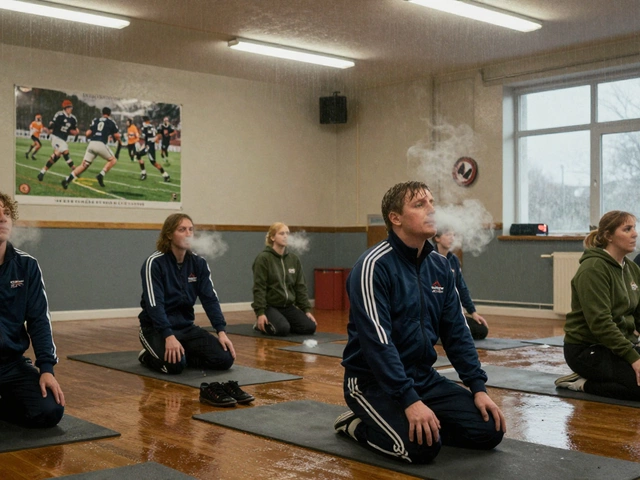
Consider the typical Irish school uniform. For decades, it included blazers, ties, and kilts or trousers. However, physical education (PE) classes introduced tracksuits and trainers as a necessary part of the wardrobe. Over time, the comfort of the PE kit started to leak into weekend wear. By the 1990s, it was common to see teenagers in Galway or Dublin wearing their PE tracksuits to the cinema or shopping center. This practical shift laid the groundwork for the modern acceptance of sportswear as legitimate casual attire.
The Rise of Global Brands in the Irish Market
As globalization accelerated in the 1980s and 1990s, international brands like Nike, Adidas, and Puma entered the Irish market aggressively. These companies didn’t just sell shoes; they sold an image. They marketed sportswear as cool, youthful, and aspirational. For young Irish people, owning a pair of Air Jordans or an Adidas tracksuit was a status symbol, rivaling the importance of a nice suit or dress.
This marketing push redefined the meaning of "sportswear." It was no longer just about sweating through a game of soccer in the park. It was about looking good while doing nothing at all. The terminology stuck because the industry needed a way to categorize these high-margin lifestyle products. Retailers in places like Dundrum Town Centre or the Liffey Valley Shopping Centre began creating dedicated "sportswear" sections that included hoodies, sweatpants, and sneakers, separate from traditional "sports equipment" like balls and bats.
Local Irish retailers also played a role. High street stores adapted quickly, offering their own branded activewear lines that mimicked the styles of major global brands but at more accessible price points. This democratization of sportswear meant that everyone, regardless of income, could participate in the trend. The term became a catch-all for any clothing made from synthetic, stretchy, or moisture-wicking materials, regardless of whether it was intended for a gym session or a night out.
From Gym to Street: The Athleisure Revolution
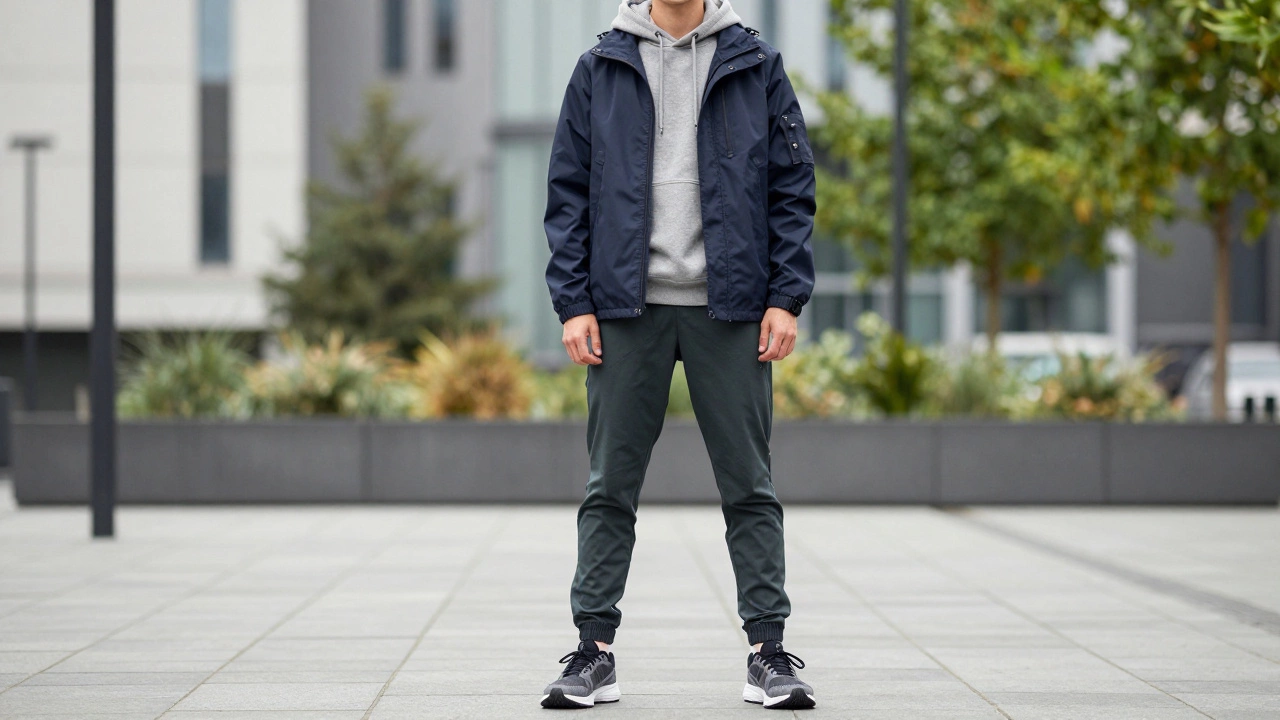
If the 1990s saw sportswear enter casual life, the 2010s cemented it as a dominant fashion force. This era gave birth to "athleisure," a portmanteau of "athletic" and "leisure." This trend took the functional aspects of sportswear-comfort, flexibility, ease of care-and elevated them with high-fashion design elements. Suddenly, leggings were paired with blazers, and running shoes were worn with dresses.
In Ireland, this shift was particularly noticeable in urban centers. The damp, unpredictable Irish climate makes comfortable, layered clothing essential. Sportswear, with its technical fabrics and versatile layering options, fit perfectly into the Irish lifestyle. A waterproof windbreaker over a hoodie and joggers is not just a gym outfit; it’s a practical solution for navigating a rainy commute from Salthill to the city center. The term "sportswear" expanded again to include these hybrid pieces that straddle the line between function and fashion.
This evolution reflects a broader societal change towards prioritizing comfort and individual expression over rigid dress codes. The stigma of looking "too casual" has faded, replaced by an appreciation for versatility. Today, when an Irish person buys "sportswear," they might be buying hiking gear for the Connemara mountains, training clothes for a spin class, or simply comfortable loungewear for a weekend at home. The umbrella term remains useful because it captures this diversity of purpose.
Why the Name Stuck: Linguistic Convenience
So, why did we keep the name "sportswear" even as the clothing moved away from sports? Language tends to resist change once a term becomes entrenched. "Sportswear" is concise, descriptive, and widely understood. Alternatives like "activewear," "performance apparel," or "technical clothing" are more accurate for some uses but less intuitive for others. "Activewear" implies activity, which isn’t always the case. "Performance apparel" sounds too corporate. "Sportswear" hits a sweet spot: it acknowledges the origin of the style without restricting its current use.
Furthermore, the retail industry relies on clear categorization. Stores need departments, websites need filters, and consumers need shortcuts. "Sportswear" serves as a reliable mental bucket for shoppers. If you walk into a department store in Dublin, you know exactly where to go if you’re looking for sneakers or yoga pants. Changing the name would create confusion and require a massive educational effort that offers little benefit. The inertia of language, combined with commercial convenience, ensures that "sportswear" will remain the standard term for the foreseeable future.
When was the word "sportswear" first used?
The term "sportswear" began appearing in print in the late 19th and early 20th centuries. It gained widespread usage in the 1920s and 1930s as athletic activities became more popular and specialized clothing designs emerged to meet the demands of sports like tennis, golf, and swimming.
Is there a difference between sportswear and activewear?
Technically, yes. Activewear refers specifically to clothing designed for physical exercise and high-intensity activity, focusing on performance features like moisture-wicking and breathability. Sportswear is a broader term that can include activewear but also encompasses casual clothing inspired by athletic styles, such as track jackets and sneakers worn for everyday purposes.
How did the GAA influence sportswear culture in Ireland?
The GAA created a strong link between athletic clothing and local identity. Wearing team jerseys became a way to show community pride, blurring the lines between uniform and casual wear. This cultural habit helped normalize the idea of wearing sports-inspired clothing outside of actual sporting events, paving the way for the modern athleisure trend.
Why is sportswear so popular in Ireland's climate?
Ireland's wet and changeable weather makes technical fabrics highly desirable. Sportswear often includes water-resistant outer layers, breathable mid-layers, and quick-drying base layers. This functionality makes it ideal for daily wear, allowing people to stay dry and comfortable whether they're commuting, hiking, or just walking around town.
Did sportswear replace formal wear in Ireland?
Not entirely, but it significantly reduced the occasions for formal dress. While suits and dresses are still worn for business, weddings, and formal events, sportswear has become the default for casual and semi-casual settings. The rise of remote work and relaxed social norms has further accelerated this shift, making comfort a priority in daily dressing.