11
Sneakers vs Trainers in Ireland: What's the Real Difference?
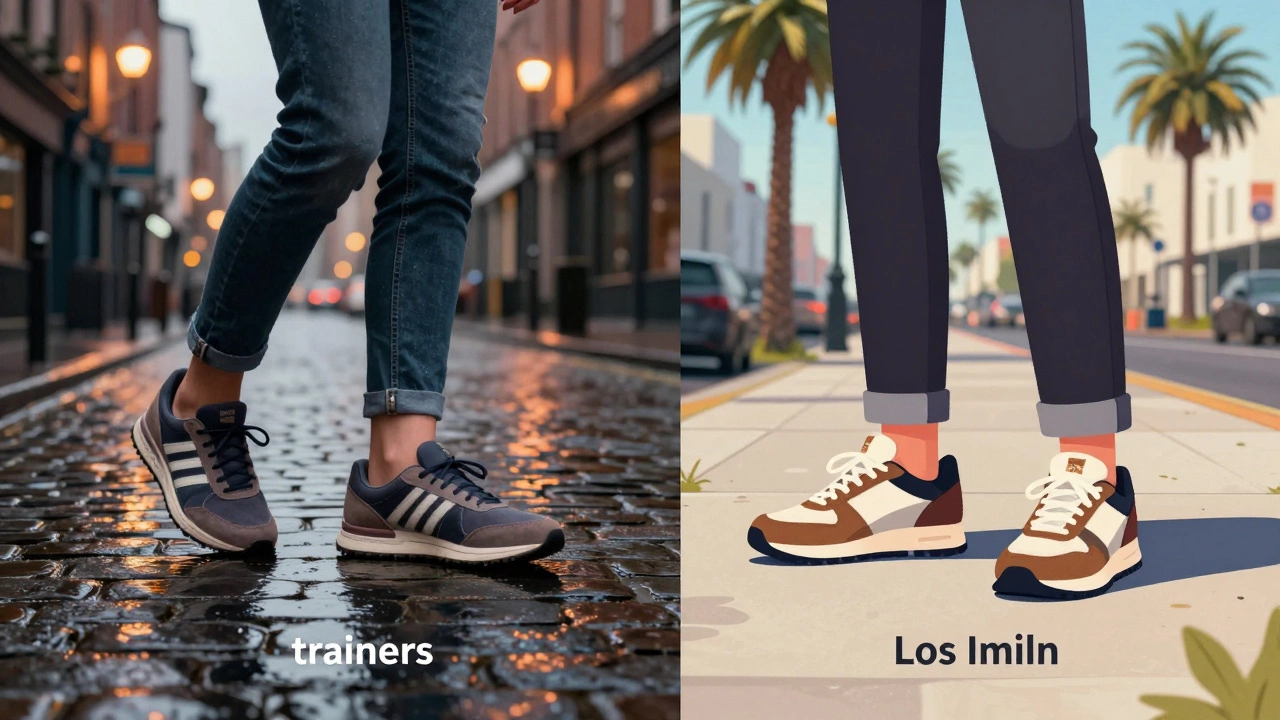
Sneakers vs Trainers: Irish Terminology Checker
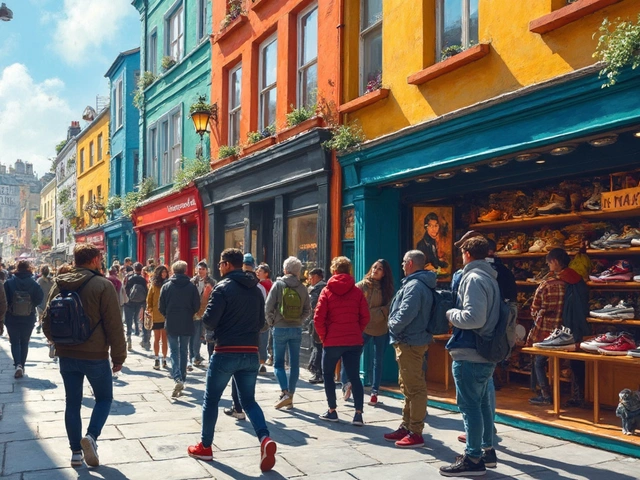
You’re standing in the fitting room of a David Jones, a major department store chain in Ireland on Grafton Street in Dublin, or maybe you're browsing online from your kitchen table in Galway. You see two tabs open: one for "Nike Air Force 1 Sneakers" and another for "Adidas Ultraboost Trainers." You pause. Are you looking at the exact same thing? Is this just a case of Americans confusing everyone else, or is there a genuine technical difference between sneakers and trainers? If you live in Ireland, you likely call them trainers, but if you scroll through US-based Instagram feeds, they’re sneakers. So, which word is right?
The short answer is that, physically, there is almost no difference. The long answer involves history, geography, and how language evolves differently across the Atlantic. In Ireland, we are firmly in the "trainer" camp, much like our neighbors in the UK. However, as global brands market to us, the term "sneaker" is creeping into our vocabulary. Let’s untangle this knot once and for all so you can shop with confidence, whether you're heading to a gym session in Cork or a casual dinner in Kerry.
The Origin Story: Why We Call Them Trainers
To understand why an Irish person says "trainers," you have to look at what the shoes were originally designed to do. The term comes from "training shoes." In the mid-20th century, athletic footwear was functional gear. It was built for sports-running, tennis, basketball, or general physical education classes in school. The focus was on performance, cushioning, and support during exercise.
In Ireland, where sport plays a huge role in community life-from Gaelic football pitches in rural towns to soccer leagues in urban centers-the connection between these shoes and physical activity remained strong. When you bought a pair of Asics or New Balances, you bought them to train. Hence, trainers. This linguistic habit stuck even after the design evolved. Today, you might wear your trainers to walk the Cliffs of Moher or just to run errands in the local Tesco, but the name never changed because the cultural association with utility and comfort did.
Contrast this with the American perspective. In the United States, the term "sneaker" emerged earlier, derived from the idea that rubber soles allowed you to sneak up quietly without making noise. While also rooted in function, the American fashion industry adopted the term and broadened its meaning faster. By the time hip-hop culture and streetwear exploded in the 80s and 90s, "sneakers" became a lifestyle category, not just a sporting one.
The American Influence: How 'Sneakers' Crossed the Atlantic
If you’ve noticed the word "sneaker" appearing more often in Ireland, blame globalization and digital media. American pop culture has a massive footprint here. Music videos, movies, and social media influencers predominantly use the term "sneakers." When a brand like Nike launches a new collection, their global marketing materials often use "sneakers" to appeal to the lucrative US market first. Irish consumers absorb this terminology passively.
Furthermore, the rise of "sneakerhead" culture-a subculture dedicated to collecting rare and limited-edition shoes-has introduced the term to collectors in Ireland. If you visit a boutique in Temple Bar or browse resale sites like StockX (which ships to Ireland), you’ll see listings dominated by the word "sneaker." For collectors, calling them "trainers" can sometimes feel outdated or less cool, simply because the global hype machine runs on English-American dialect.
However, don’t let this fool you. Walk down O'Connell Street in Dublin on a rainy Tuesday, and ask ten people what they’re wearing. Nine will say "trainers." The tenth might be a tourist from New York. The core identity of the footwear in Ireland remains tied to the British Isles' linguistic tradition.
Is There a Technical Difference? Breaking Down the Features
Let’s get practical. If you are shopping for footwear in Ireland, does it matter which word you use when searching? Not really, but understanding the subtle connotations can help you find exactly what you need. Here is how the terms map out in real-world usage:
| Feature | Trainers (Irish/UK Context) | Sneakers (US/Global Context) |
|---|---|---|
| Primary Association | Athletic performance, gym, running | Fashion, streetwear, collecting |
| Typical Brands Mentioned | Asics, Skechers, Reebok | Nike, Jordan, Yeezy |
| Pricing Perception | Functional value; mid-range pricing common | Can imply luxury or high-resale value |
| Usage in Ireland | Daily wear, work, casual outings | Used by younger demographics or in fashion contexts |
| Search Intent | Looking for comfort and durability | Looking for style trends or specific models |
When you search for "trainers" in an Irish online store like ASOS Ireland or Jack Wills, you are likely prioritizing comfort and versatility. You want something that handles the unpredictable Irish weather-rain puddles on cobblestones, muddy park paths, and damp sidewalks. "Trainers" implies a shoe that can take a beating.
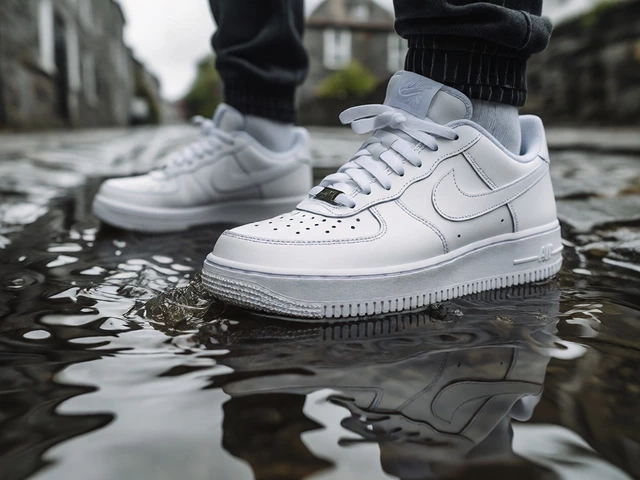
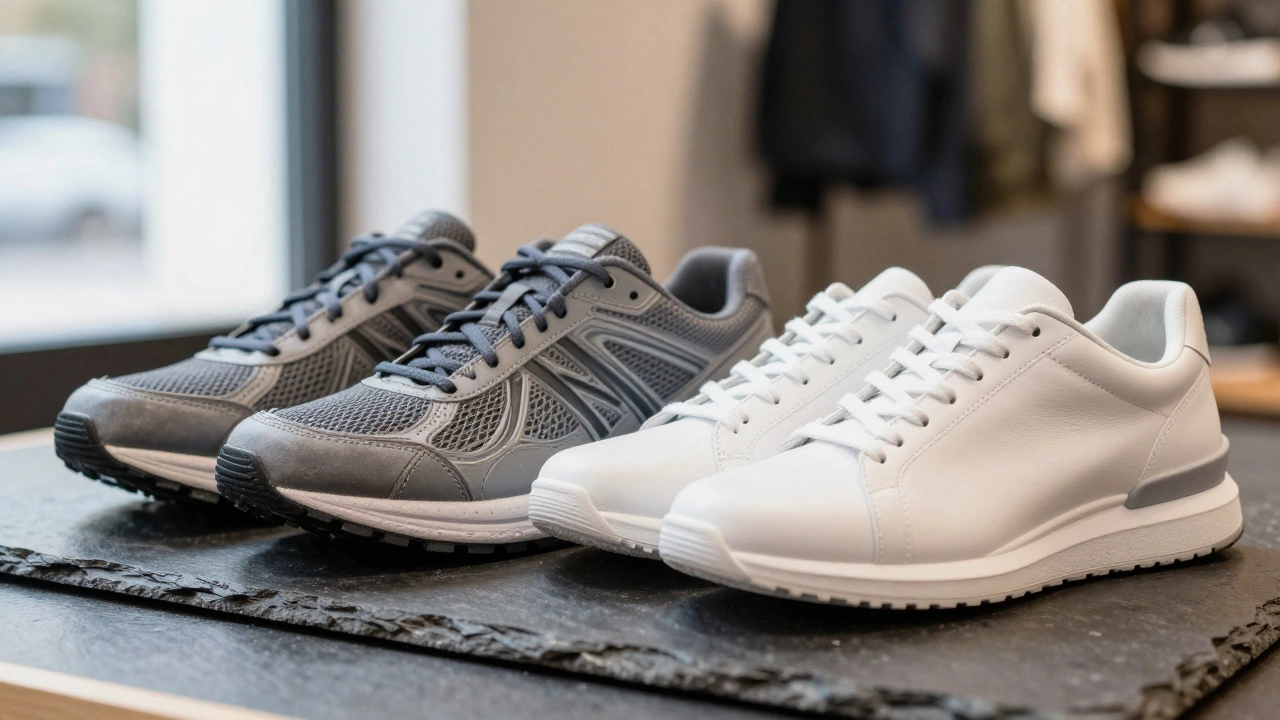
Conversely, if you search for "sneakers," you might be leaning towards a specific aesthetic. Perhaps you want a clean white leather pair to match a smart-casual outfit for a date night in Galway city center. The term "sneaker" carries a slight fashion-forward weight. It suggests you care about the silhouette, the colorway, and how it looks with jeans or chinos, rather than just how it feels underfoot.
Regional Variations Within Ireland
Ireland is small, but regional pride is big. Does the North-South divide affect shoe terminology? Surprisingly, no. Whether you are in Belfast or Limerick, "trainers" is the dominant term. This consistency comes from the shared historical and cultural ties with the rest of the UK, where "trainers" has been the standard since the post-war era.
However, age is a bigger factor than geography. Older generations in Ireland rarely use the word "sneakers" unless they are traveling abroad or watching American TV. They might even find it confusing. Younger generations, particularly those under 30 who consume global digital content, are bilingual in footwear terms. They might say, "I bought some new trainers" to their parents but tag #sneakerhead on their Instagram story.
This generational shift is visible in retail spaces too. High-end boutiques in Dublin’s Fitzwilliam Square might display signs saying "Premium Sneakers" to attract a trendy crowd, while a sports store in a suburban shopping center like Sandyford will label everything "Running Trainers." Both are selling similar products, but the framing targets different mindsets.
What About Other Terms? Plimsolls, Trainers, and Keds
If you think "trainers" and "sneakers" are confusing, wait until you hear older Irish relatives talk about "plimsolls." This is a distinctly British and Irish term for canvas shoes with rubber soles, typically used for school PE classes. If you grew up in an Irish primary school, you know the drill: bring your plimsolls on Monday for PE, lose them by Friday. Plimsolls are a subset of sneakers/trainers, characterized by their simple canvas upper and lack of advanced cushioning technology.
Then there are "Keds," named after the brand but often used generically for any low-profile canvas sneaker. In Ireland, you might still see vintage-style Keds sold in stores like H&M or Zara. These bridge the gap between formal shoes and athletic trainers, offering a sleek look suitable for smarter casual environments.
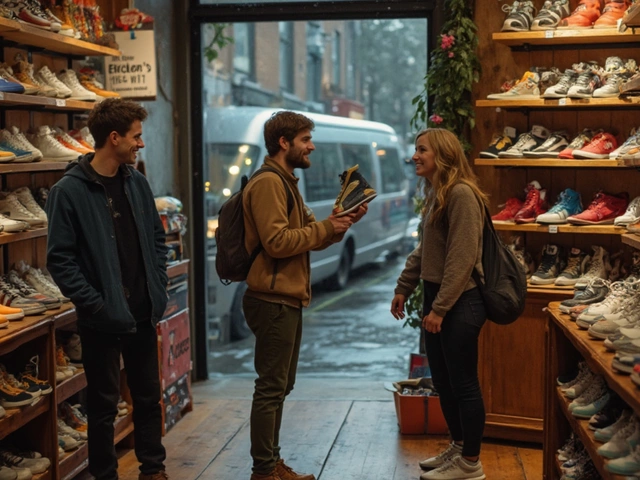
Understanding these nuances helps you communicate better when shopping. If you tell a shop assistant in a traditional cobbler’s shop in Galway that you need "sneakers," they might look blankly at you. Ask for "trainers" or "sports shoes," and they’ll point you to the right aisle immediately. Language matters in service interactions, especially in smaller towns where staff may not deal with international tourists daily.
Practical Advice: Choosing the Right Shoe for Irish Life
Regardless of what you call them, choosing the right footwear in Ireland requires considering local conditions. Our weather is notoriously changeable. One minute it’s sunny in Killarney, the next it’s pouring rain. Here’s how to pick the best option based on your needs:
- For Daily Commuting: Opt for waterproof trainers. Brands like Columbia or The North Face offer styles that look like casual sneakers but repel water. Avoid mesh-heavy running shoes if you walk outside during winter months; your feet will get cold and wet quickly.
- For Gym and Sports: Stick to performance-focused trainers. Look for good arch support and breathable materials. Since most Irish gyms are indoors, ventilation is key. Don’t buy heavy leather fashion sneakers for lifting weights; they lack the necessary stability.
- For Smart-Casual Outings: Minimalist leather sneakers (or trainers) are your best friend. A plain white or black pair works well with dark jeans and a jacket. In cities like Dublin and Cork, the dress code is relaxed but polished. Clean, simple designs signal effort without trying too hard.
- For Hiking and Outdoor Activities: While sturdy trainers can handle gentle walks along the Wild Atlantic Way, true hiking boots are safer for rugged terrain like the Wicklow Mountains. Don’t confuse trail-running sneakers with proper hiking footwear if you plan to tackle steep, rocky paths.
Conclusion: It’s All About Context
So, is there a difference between sneakers and trainers? Physically, no. Linguistically, yes. In Ireland, "trainers" is the safe, default term that connects you to local culture and everyday life. "Sneakers" is a borrowed term that signals global awareness, fashion interest, or youth culture. You won’t offend anyone by using either, but using "trainers" will make you sound like a local.
Next time you’re shopping, pay attention to the context. Are you buying for function or fashion? Are you talking to a grandparent or a Gen Z friend? Adjust your language accordingly. And remember, no matter what you call them, a good pair of comfortable, weather-appropriate shoes is essential for enjoying life in Ireland. Whether you’re dancing at a pub session in Mayo or walking the streets of Belfast, your footwear should support you-not confuse you.
Do Irish people say sneakers or trainers?
Most Irish people say "trainers." This term is deeply rooted in British and Irish English. While younger generations may use "sneakers" due to American influence, "trainers" remains the standard term in daily conversation, retail, and media.
Are sneakers and trainers the same thing?
Yes, physically they are the same type of footwear. The difference lies only in regional terminology. "Sneakers" is primarily used in the United States, while "trainers" is common in the UK, Ireland, and other Commonwealth countries.
Why are they called trainers in Ireland?
They are called trainers because they originated as shoes designed for athletic training and sports. The term emphasizes their functional purpose in physical activities, which aligns with the historical development of athletic footwear in Europe.
Is it wrong to use the word sneakers in Ireland?
No, it is not wrong. People will understand you perfectly. However, using "trainers" will make you blend in better with locals. Using "sneakers" might mark you as influenced by American culture or part of the sneaker-collecting community.
What is the difference between plimsolls and trainers?
Plimsolls are a specific type of simple canvas shoe with a rubber sole, traditionally used for school PE classes in Ireland and the UK. Trainers is a broader term that includes modern athletic shoes with advanced cushioning, support, and materials designed for various sports and daily wear.