26
Why Is It Called Sportswear? The Irish Roots of Functional Fitness Fashion
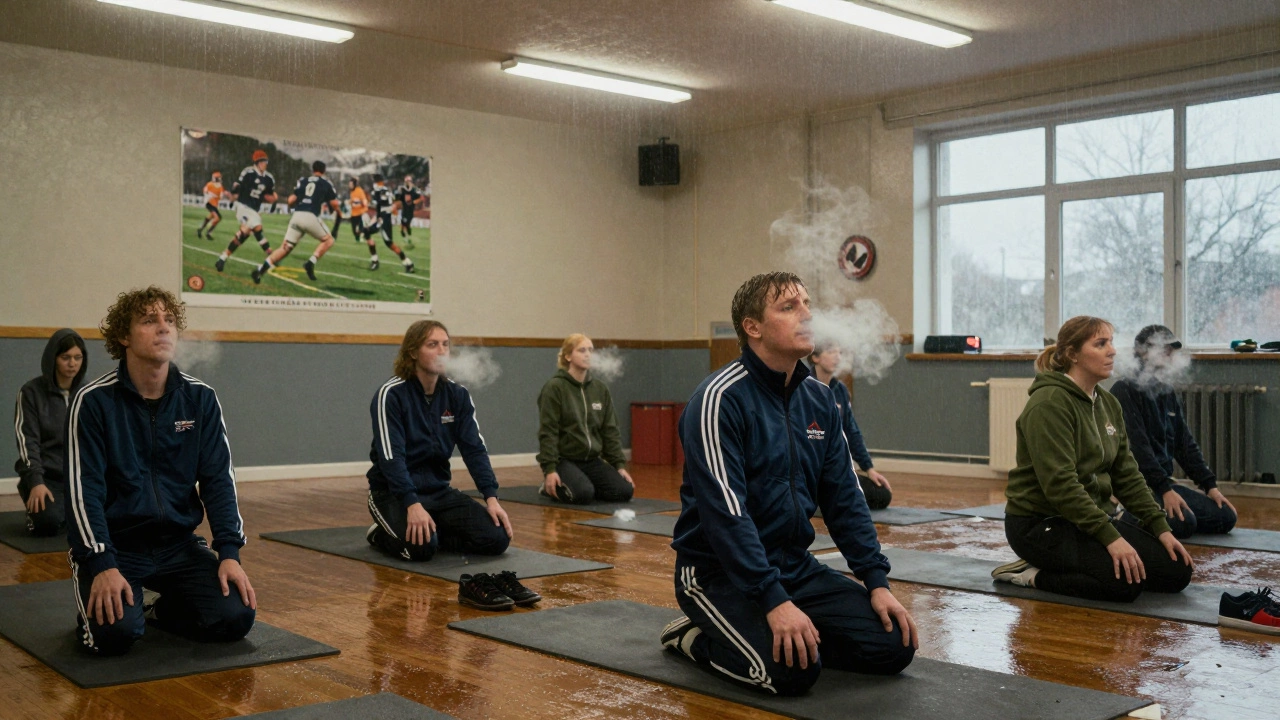
Back in the 1980s, if you walked into a sports shop in Galway or Cork, you’d see racks of bright nylon tracksuits, rubber-soled trainers, and sweat-wicking t-shirts labeled simply as sportswear. No one called it ‘activewear’ back then. No one called it ‘performance wear.’ It was just sportswear - the clothes you wore to run, train, or play. But why? Why not call it gym clothes, athletic gear, or fitness wear? The answer isn’t just about function. It’s tied to how Ireland built its own version of sport, and how the clothes we wear today grew out of that.
The Irish Way of Playing
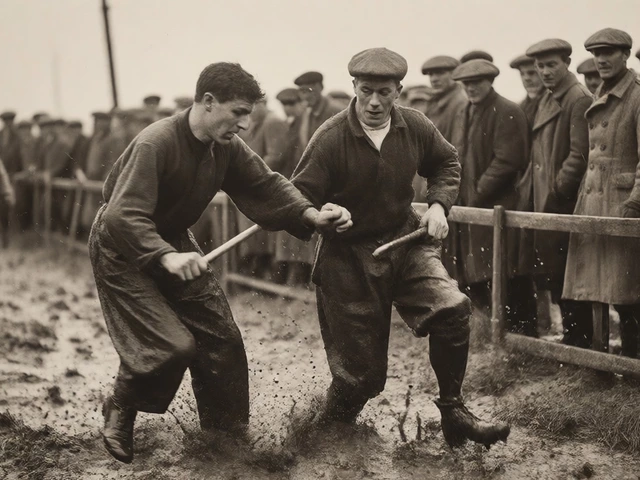
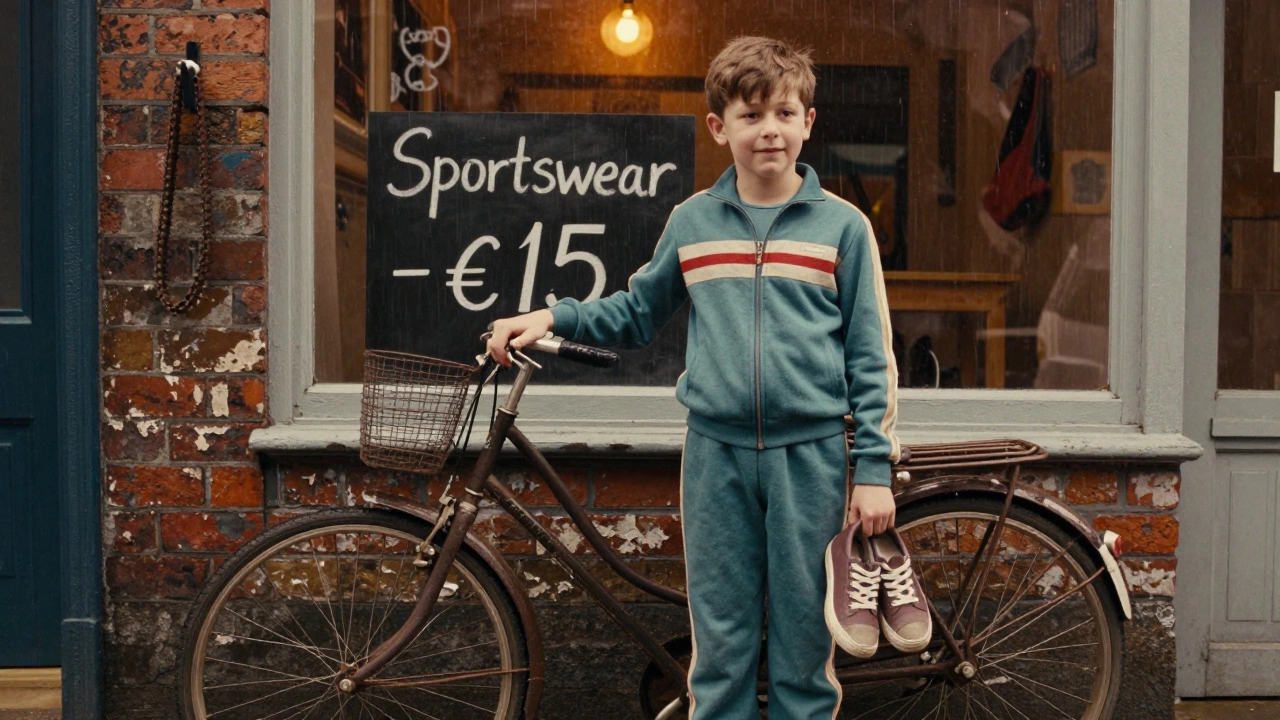
Ireland doesn’t have a long history of professional sports leagues like the NFL or Premier League. But it has a deep, stubborn love for playing. Gaelic football in Croke Park. Hurling on dusty pitches in Tipperary. Rugby at Thomond Park. Even in the rain-soaked fields of Donegal, people show up to train in whatever they’ve got. That’s where sportswear started - not in designer studios, but in muddy backyards and community halls.Before brands like Nike or Adidas dominated, Irish kids wore hand-me-down tracksuits from the 1970s - thick polyester, often with a stripe down the side, bought from local shops like McGee’s Sports in Limerick or Clery’s Active Wear in Dublin. These weren’t designed for global markets. They were made to last through winter winds, damp grass, and the occasional tumble in a puddle. The fabric didn’t need to be breathable in the way modern tech fabrics are. It just needed to survive.
From ‘Sport’ to ‘Sportswear’
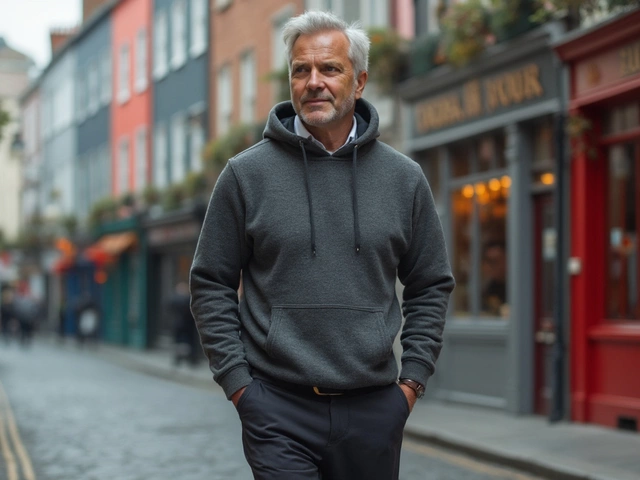
The word ‘sportswear’ stuck because it described what the clothes were for - not what they looked like, not what they were made of, but what they were used for. In Ireland, sport wasn’t a hobby you did on weekends. It was part of community life. Your local GAA club didn’t care if you wore a tracksuit or a wool jumper to training. But if you showed up in a suit, you’d get a look. That’s when the distinction became clear: you wore one thing for work, another for church, and sportswear for everything else.Even today, if you walk into a community centre in Waterford or Wexford on a Tuesday night, you’ll see men and women in the same kind of gear their parents wore: a zip-up hoodie, loose track pants, and a pair of worn-out Reebok Classics. These aren’t fashion statements. They’re practical. They’re cheap. They’re durable. And they’re called sportswear because they’re worn for sport - not because they’re trendy, not because they’re expensive, but because they do the job.
The Rise of the Irish Sportswear Brand
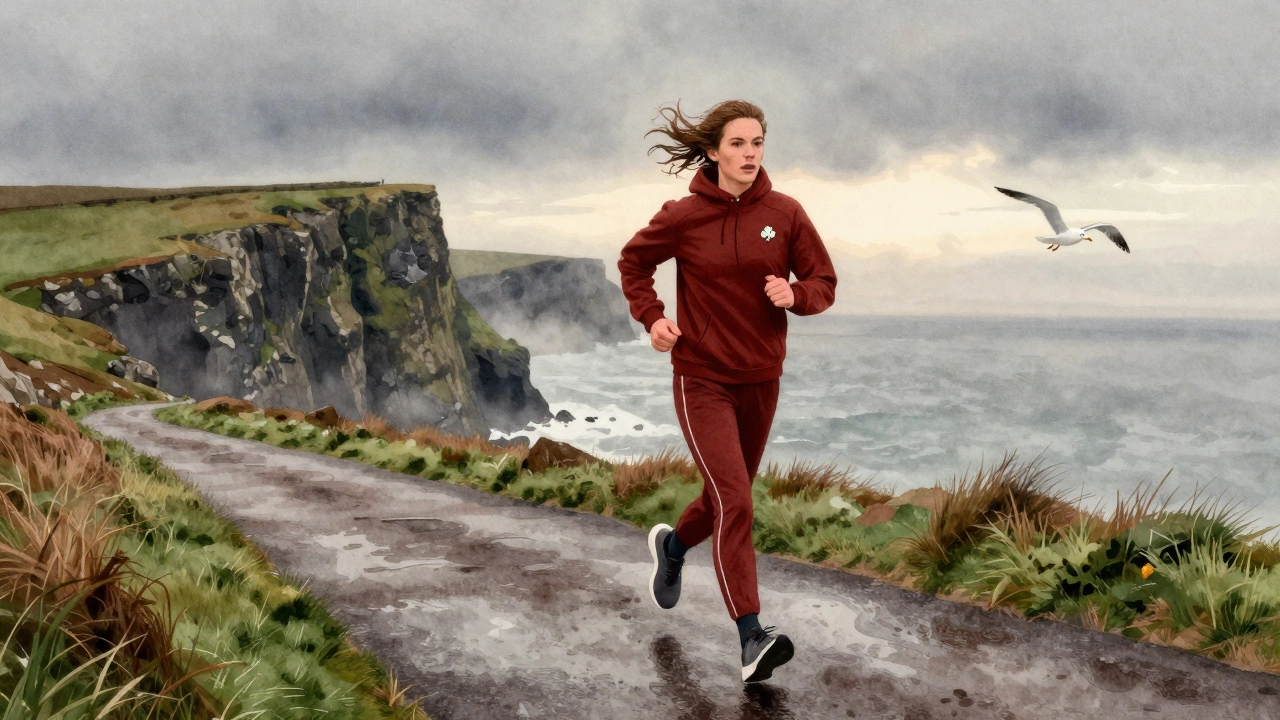
In the 2010s, things began to shift. Irish athletes started winning internationally - Cian McPhillips in track, Katie Taylor in boxing, the Irish rugby team in the Six Nations. Suddenly, people wanted gear that looked like what the pros wore. But they didn’t want to pay €150 for a pair of running tights from a foreign brand.That’s when homegrown names like Irish Athletics and Claddagh Active popped up. Based in Galway and Cork respectively, they started making sportswear with Irish wool blends, moisture-wicking cotton, and reflective strips for those early morning runs along the Wild Atlantic Way. Their logo? A simple shamrock, not a swoosh. Their tagline? ‘Made for Irish weather.’
These brands didn’t invent sportswear. But they redefined it for Ireland. They kept the name because it still made sense. You don’t need to call it ‘performance activewear’ if you’re running through a drizzle in Ballymun and your hoodie still keeps you dry. You just call it sportswear.
Why the Name Still Fits
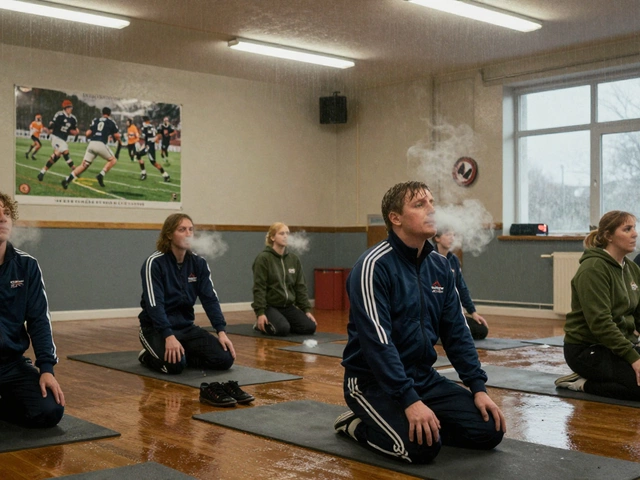
Today, you can buy sportswear in Dunnes Stores, Lidl, or online from FitGear.ie. You’ll find leggings with UV protection for coastal walks in Wexford, running vests with built-in phone pockets for training on the Dublin canals, and waterproof jackets for hiking the Wicklow Mountains. But none of them are called ‘athletic apparel’ or ‘fitness garments’ on the labels. They’re still sportswear.Why? Because the word carries history. It carries the sound of cleats on wet turf at St. Enda’s in Bray. It carries the smell of damp gym mats at the local leisure centre in Sligo. It carries the pride of someone who ran their first 5K in a second-hand tracksuit bought for €20 at a charity sale in Kilkenny.
‘Sportswear’ isn’t a marketing term. It’s a cultural one. It’s the clothes you wear when you’re not trying to impress anyone - when you’re just trying to get out there and do it. And in Ireland, that’s still the point.
What Makes Irish Sportswear Different?
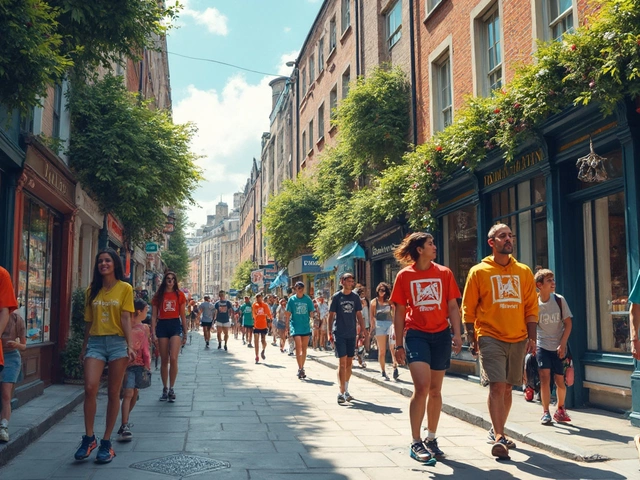
If you compare Irish sportswear to what’s sold in the UK or the US, you’ll notice a few things. First, the fit. Irish sportswear tends to be looser - because people aren’t just training in climate-controlled gyms. They’re running through wind, rain, and sudden sun. Second, the fabric. You’ll find more cotton blends than synthetic tech fabrics. Why? Because synthetic materials trap heat in Irish winters and feel sticky when it’s humid in summer. Third, the price. Most Irish-made sportswear stays under €50 because, let’s be honest, not everyone can afford luxury activewear.Even the colour choices are different. You won’t see neon green or electric blue everywhere. You’ll see navy, charcoal, olive, and deep red - colours that hide dirt, blend into the landscape, and don’t show sweat stains after a long walk on the Wicklow Way.
Where to Find Real Irish Sportswear
If you’re looking for gear that actually works in Ireland, skip the big international chains. Instead, check out:- Claddagh Active - based in Cork, makes wind-resistant hoodies and running tights with Irish wool lining
- Irish Athletics - Galway-based, specialises in lightweight, quick-dry tops for coastal runs
- The Local Run - a small online shop in Limerick that sells recycled polyester sportswear made from old fishing nets
- McGee’s Sports - still operating in Limerick since 1972, they’ve got a whole wall of classic tracksuits
- Dunnes Stores - their ‘Active’ line is surprisingly good for the price and fits well under Irish weather conditions
Even big retailers like Decathlon have adapted. Their Irish stock includes longer sleeves, thicker hoods, and extra-long zippers - because people here don’t just want to run. They want to run through the rain, then walk home without getting soaked.
What You Should Know Before Buying
If you’re new to Ireland or just starting to get into sport, here’s what matters:- Don’t buy lightweight running shorts if you’re training in October. The wind off the Atlantic will chill you to the bone.
- Look for garments with a slight water-repellent finish - not full waterproof, just enough to shrug off a sudden shower.
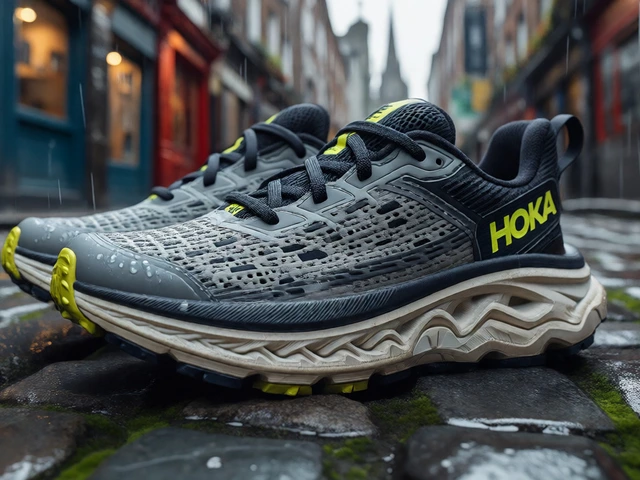
- Buy one good pair of running shoes. You don’t need the most expensive ones. But they need to have good grip - Irish pavements are slick with moss and rain.
- Layer up. A thin thermal top under a hoodie beats one thick jacket. You’ll sweat, then cool down. That’s normal here.
- Check the washing instructions. Many Irish-made sportswear items are meant to be air-dried. Tumble dryers? They shrink the wool blends.
Why ‘Sportswear’ Isn’t Going Away
The word ‘sportswear’ isn’t outdated. It’s enduring. It’s not a fashion label. It’s a reminder that in Ireland, sport isn’t about looking good. It’s about showing up. It’s about training in the rain at the local pitch. It’s about running the Dingle Way in January with your breath fogging in front of you. It’s about wearing the same tracksuit your uncle wore in 1987 - and still feeling proud.That’s why it’s called sportswear. Not because it’s high-tech. Not because it’s trendy. But because it’s honest. It’s real. And in a country where the weather changes every hour, you don’t need fancy names. You just need clothes that work.
Is sportswear the same as activewear in Ireland?
In Ireland, most people still say ‘sportswear.’ ‘Activewear’ sounds like a marketing term used by big brands overseas. Locally, it’s all about what you’re doing - if you’re playing Gaelic football, going for a run, or training at the gym, you’re wearing sportswear. The word ‘activewear’ hasn’t really taken root here because it doesn’t match how we talk about movement.
Why don’t Irish sportswear brands use more synthetic fabrics?
Synthetic fabrics like polyester and nylon trap heat and sweat, which is fine in a climate-controlled gym. But in Ireland, where you might run in the rain, then walk home in a chill, natural blends like cotton and wool work better. They breathe, they absorb moisture, and they don’t make you feel sticky. Many Irish-made brands mix a little synthetic for durability, but never go full tech.
Can I wear sportswear to work in Ireland?
In many places, yes - especially outside Dublin. In Galway, Limerick, or Cork, it’s common to see people in sportswear at coffee shops, local offices, or even casual meetings. It’s not about fashion. It’s about comfort and practicality. But in formal corporate jobs, you’ll still need a suit. Just don’t be surprised if your colleague shows up in a hoodie and leggings.
What’s the best Irish brand for winter sportswear?
Claddagh Active is the top pick for winter. Their hoodies have a fleece-lined collar, wind-resistant outer layer, and a longer cut so they stay tucked in during windy runs along the coast. They also make thermal leggings with a subtle Irish wool blend that keeps you warm without bulk.
Is sportswear in Ireland more affordable than elsewhere?
Yes, relatively. Because Irish brands focus on practicality over branding, prices stay lower. You can get a decent hoodie for €25-€35, and running tights for €30-€40. International brands charge double for the same function. Local shops like Dunnes Stores and McGees offer good value because they know what Irish people actually need.
If you’re wondering why it’s called sportswear, the answer is simple: because in Ireland, sport isn’t a trend. It’s a habit. And the clothes we wear? They’re just part of the routine.