8
What Are OSHA Shoes? A Guide to Safety Footwear Standards in Ireland
Safety Boot Feature Selector for Irish Workers
Step 1: Select the hazards present in your work environment:
Click on each feature that applies to your job role. Multiple selections allowed.
Your Safety Footwear Requirements
If you are heading out to a construction site in Dublin or working in a warehouse in Cork, your choice of footwear is not just about comfort-it’s about survival. You might have heard colleagues talking about OSHA shoes, wondering if they need specific gear certified by the American Occupational Safety and Health Administration to work legally in Ireland. The short answer is no. But the longer answer involves understanding what makes safety footwear effective, why the term persists globally, and which standards actually matter on Irish soil.
In Ireland, we don’t follow OSHA regulations directly because that body governs workplaces in the United States. Instead, we rely on European standards enforced by the Health and Safety Authority (HSA). However, the core principles remain identical: protect your feet from crushing injuries, punctures, slips, and electrical hazards. Understanding this distinction helps you buy the right pair without paying for unnecessary branding or confusion.
The Origin of the Term "OSHA Shoes"
OSHA stands for Occupational Safety and Health Administration, a regulatory agency under the United States Department of Labor. Established in 1970, it sets mandatory workplace safety standards across America. When people say "OSHA shoes," they usually mean any boot that meets the ANSI Z41 standard (now replaced by ASTM F2413) for impact and compression resistance.
This terminology has traveled globally due to the dominance of American industrial practices and media. In Ireland, while we don’t enforce OSHA rules, many manufacturers produce boots that comply with both US and EU standards to simplify global supply chains. So, when you see a label claiming "OSHA compliant," it often means the boot also meets EN ISO 20345, the European standard for safety footwear.
Why does this matter? Because buying based solely on an "OSHA" label might lead you astray if the boot doesn’t meet local legal requirements. For instance, some cheaper imports may claim partial compliance but lack full certification for use in Irish industries like agriculture or manufacturing.
Ireland's Legal Framework for Safety Footwear
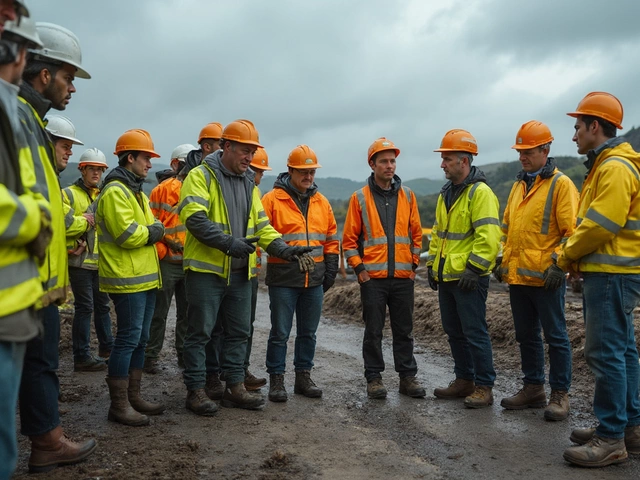
In Ireland, workplace safety falls under the Health and Safety Authority (HSA), which enforces legislation such as the Safety, Health and Welfare at Work Act 2005. This law requires employers to provide Personal Protective Equipment (PPE), including safety footwear, where risks cannot be eliminated through other means.
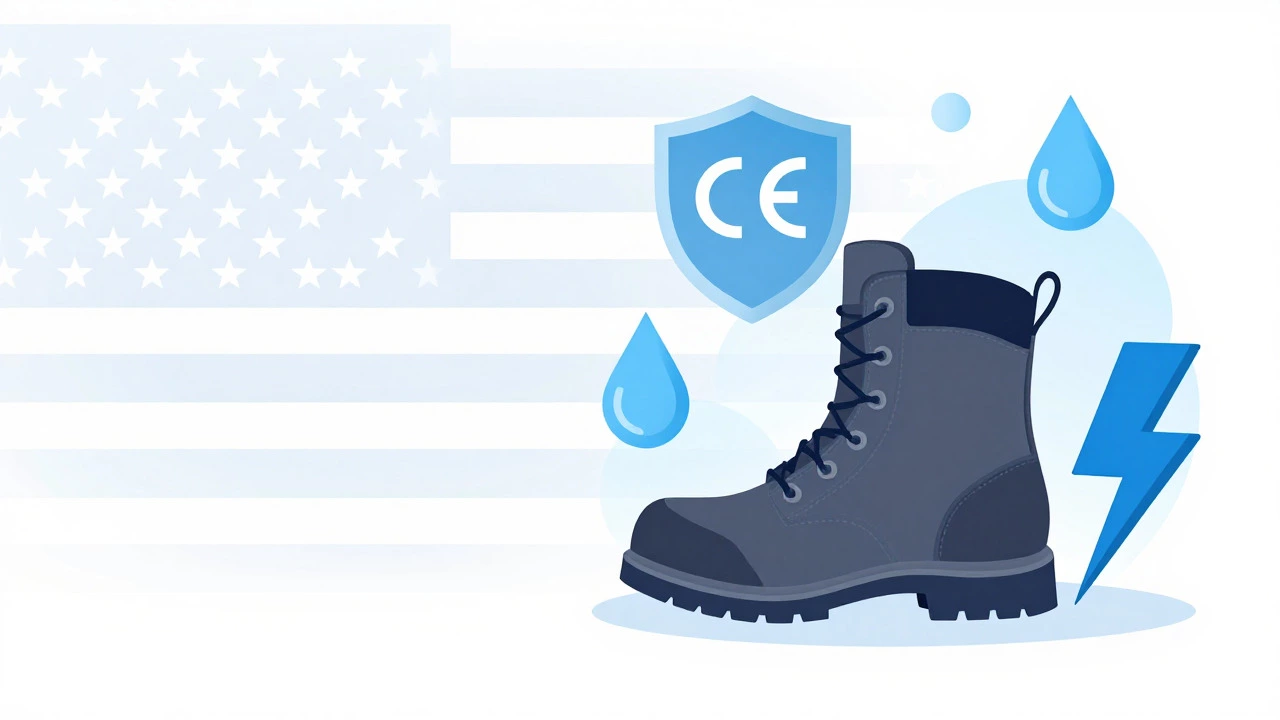
The key regulation here is SI No. 286 of 2007, which transposes the EU PPE Directive into Irish law. It mandates that all safety footwear must carry the CE mark (or UKCA post-Brexit for Northern Ireland contexts) and comply with relevant harmonized standards-primarily EN ISO 20345 for safety boots.
EN ISO 20345 specifies rigorous testing criteria:
- Impact resistance: Must withstand a 200-joule drop weight test.
- Compression resistance: Must endure up to 11 kN force without collapsing.
- Puncture protection: Sole must resist penetration by nails or sharp objects.
- Slip resistance: Tested against ceramic tiles coated with glycerol solution.
These benchmarks ensure consistency whether you’re working in a Galway fish processing plant or a Limerick logistics center. Employers who fail to provide compliant footwear risk fines and liability claims under Irish law.
Key Features of Compliant Safety Boots
Not all safety boots are created equal. Even within compliant models, features vary significantly depending on your job role. Here’s what to look for:
| Feature | Description | Relevant Standard Code |
|---|---|---|
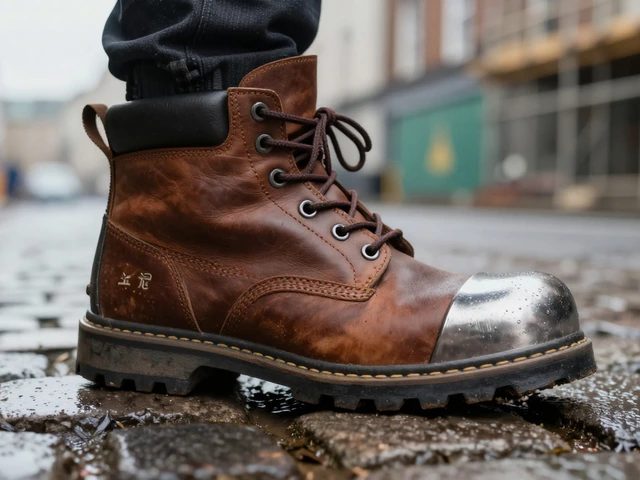
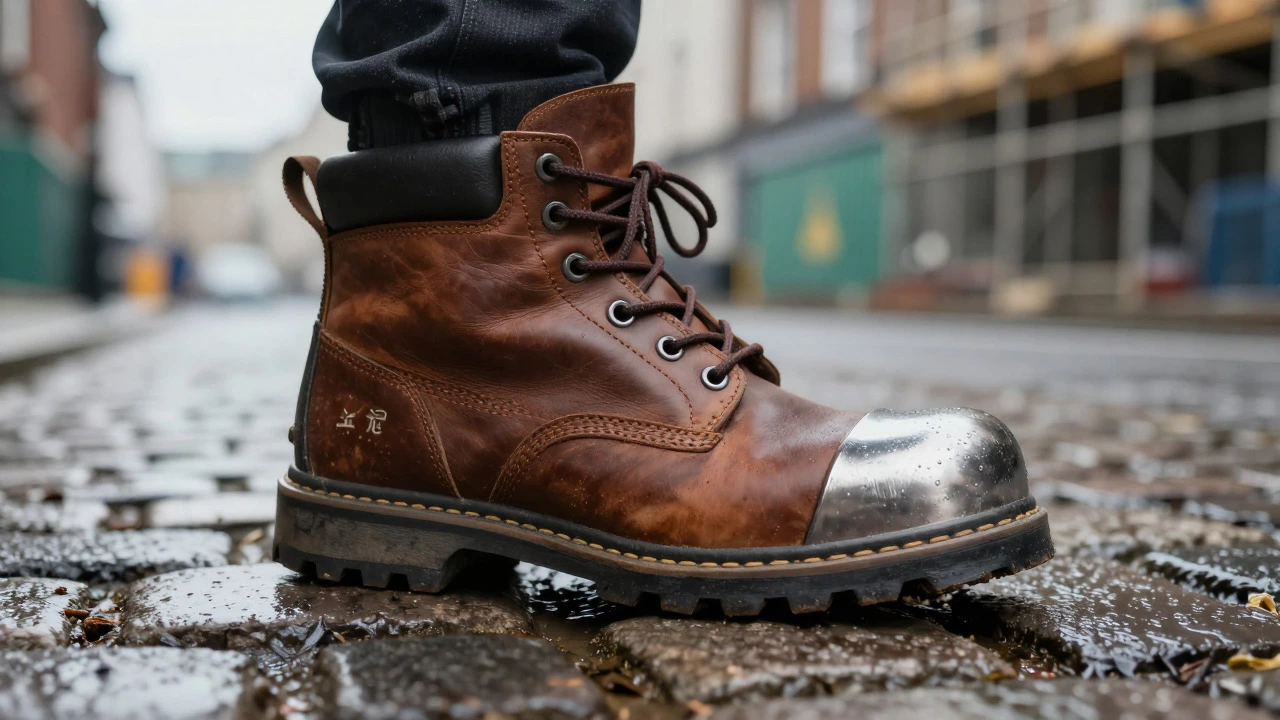
| Steel Toe Cap | Protects toes from falling objects; made from steel, composite, or aluminum. | S1-S5 |
| Antistatic Properties | Prevents static buildup in environments with flammable materials. | AN |
| Fuel/Oil Resistance | Sole resists degradation from petroleum-based substances. | FO |
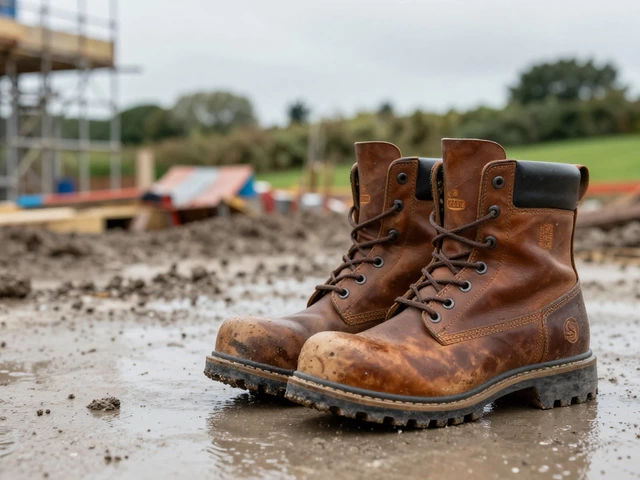
| Cleated Sole | Enhanced grip for muddy or uneven terrain common in rural Ireland. | CR |
| Waterproof Membrane | Keeps feet dry during wet weather conditions prevalent across Ireland. | WRU |
For example, if you work outdoors in Kerry’s rugged countryside, prioritize cleated soles (CR) and waterproofing (WRU). If you’re handling chemicals in a pharmaceutical lab in Leixlip, focus on antistatic properties (AN) and chemical resistance.
Top Brands Available in Ireland
Several reputable brands offer high-quality safety footwear available through retailers nationwide. These include:
- Caterpillar: Known for durability and style, popular among construction workers.
- Dr. Martens AirWair: Combines fashion with functionality, favored by younger professionals.
- Red Wing Heritage: Offers classic designs with robust build quality.
- Honeywell: Provides specialized options for hazardous environments.
- Bata Professional: Affordable yet reliable choices widely stocked in Ireland.
Local suppliers like Dunnes Stores, Penneys, and specialized outlets such as Safety First Online cater specifically to Irish consumers’ needs. Always verify product certifications before purchasing online.
Maintaining Your Safety Footwear
Even the best boots degrade over time. Regular maintenance extends their lifespan and ensures continued protection:
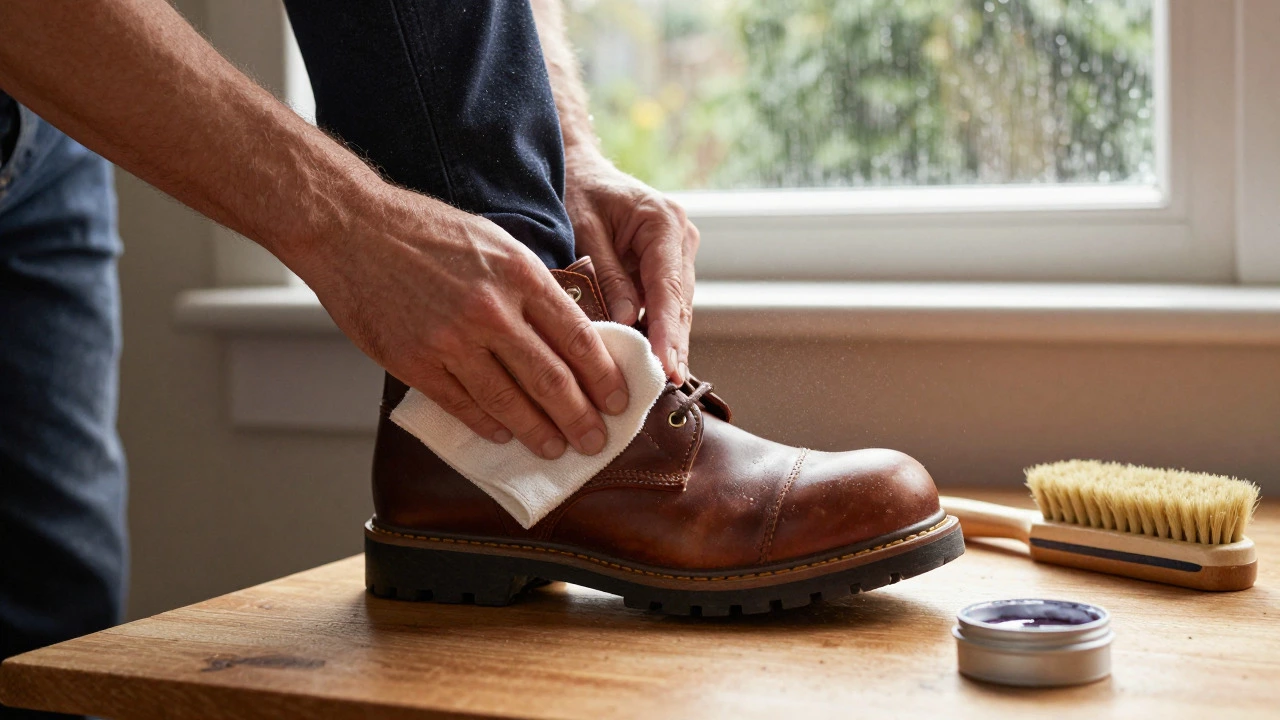
- Clean dirt and debris after each use using a soft brush.
- Dry naturally away from direct heat sources to prevent cracking.
- Apply conditioner every few months to keep leather supple.
- Inspect regularly for signs of wear, especially around seams and soles.
- Replace immediately if there’s visible damage to toe caps or midsoles.
Irish climate poses unique challenges-heavy rainfall can accelerate deterioration. Consider investing in breathable liners to manage moisture effectively.
Common Misconceptions About Safety Boots
Let’s address some myths circulating in Irish workplaces:
- Myth: All black boots are safe.
Reality: Color indicates nothing about safety features unless explicitly labeled. - Myth: Expensive equals better.
Reality: Price reflects brand prestige more than performance; always check certifications. - Myth: One size fits all jobs.
Reality: Different roles require different protections tailored to specific hazards.
Understanding these nuances saves money and enhances safety outcomes.
Where to Buy Certified Safety Footwear in Ireland
Finding genuine certified products shouldn’t be difficult. Recommended channels include:
- Major retail chains like Tesco and SuperValu sometimes stock basic models.
- Specialized safety equipment stores located in industrial estates nationwide.
- Online platforms offering verified seller badges and customer reviews.
Avoid unofficial marketplaces where counterfeit goods proliferate. Look for clear documentation of EN ISO compliance upon purchase.
Conclusion
While "OSHA shoes" remains a recognizable term internationally, its relevance diminishes when applied strictly to Ireland. Focus instead on meeting local regulatory demands via EN ISO 20345-certified footwear. By selecting appropriate features suited to your environment and maintaining them diligently, you safeguard yourself against workplace accidents while staying comfortable throughout long shifts.
Are OSHA shoes required in Ireland?
No, OSHA regulations apply only in the United States. In Ireland, employers must provide footwear complying with EN ISO 20345 standards enforced by the Health and Safety Authority.
What should I look for when buying safety boots?
Check for CE marking, EN ISO 20345 certification, and additional features like slip resistance, waterproofing, and puncture protection depending on your job requirements.
How often should I replace my safety boots?
Typically every two years, sooner if showing significant wear or damage. Regular inspections help determine replacement timing accurately.
Can regular sneakers serve as safety footwear?
Only if explicitly designed and certified for safety purposes. Ordinary athletic shoes lack necessary protective elements like reinforced toe caps.
Who pays for safety boots in Ireland?
Employers generally cover costs associated with providing adequate PPE, including safety footwear, according to Irish health and safety laws.