8
What Are OSHA Shoes? A Guide to Safety Footwear Standards in Ireland
Safety Boot Selector for Ireland
Describe Your Work Environment
Recommended Standard: -
Select your options to see a recommendation.
Key Features Included:
Note: Employers in Ireland must provide PPE free of charge under the Safety, Health and Welfare at Work Act 2005.
Select your work conditions and click "Recommend Safety Boot" to find out if you need S1 or S3 standard footwear.
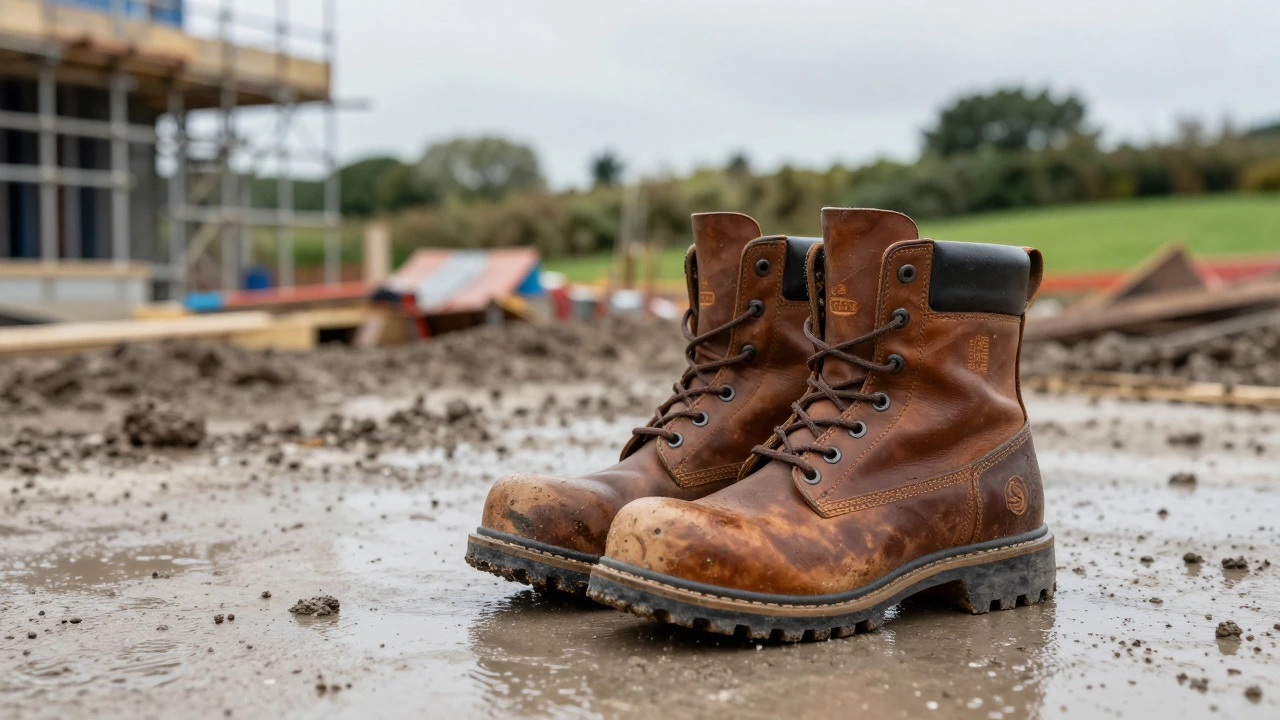
Walking onto a construction site in Dublin or starting a shift in a factory in Cork, you might hear someone ask, "Are those OSHA shoes?" It’s a common question, especially for those coming from the US or reading international safety manuals. But here in Ireland, the term "OSHA shoes" is a bit of a misnomer. The Occupational Safety and Health Administration (OSHA) is an American regulatory body. While their standards are respected globally, they don’t legally dictate what you wear on your feet in Ireland.
So, what are you actually looking for when you need safe work boots in Ireland? You aren't looking for "OSHA approval." You are looking for compliance with European EN ISO standards. Specifically, you need footwear that meets the Safety Category S3 standard. Understanding this distinction is crucial for your safety, your employer's liability, and ensuring you aren't buying gear that doesn't meet local legal requirements.
The Difference Between OSHA Standards and Irish Law
To understand why "OSHA shoes" isn't the right search term for your next purchase at a store in Galway or online, we have to look at where the regulations come from. In the United States, OSHA sets the rules under 29 CFR 1910.136. They require foot protection that meets specific impact and compression resistance tests, often referencing ANSI (American National Standards Institute) standards like ASTM F2413.
In Ireland, however, we operate under different legislation. The primary law governing workplace safety is the Safety, Health and Welfare at Work Act 2005. This act places a duty on employers to provide Personal Protective Equipment (PPE) free of charge if it cannot be used for other purposes. For workers, this means your employer should typically pay for your safety boots.
The technical specifications for these boots are defined by the European Committee for Standardization (CEN). The key standard you will see stamped inside every compliant boot sold in Ireland is EN ISO 20345. This is the European equivalent of the American standards. If a boot says "ANSI approved," it might be tough enough, but it lacks the CE marking (or UKCA marking post-Brexit) required for sale in the EU and often expected by Irish safety officers.
Decoding the Labels: What S3 Means for You
When shopping for safety footwear in Ireland, you won't find a label saying "OSHA Compliant." Instead, you'll see a code like "S3 SRC." Let's break down what these letters mean, because they tell you exactly what dangers your feet are protected against.
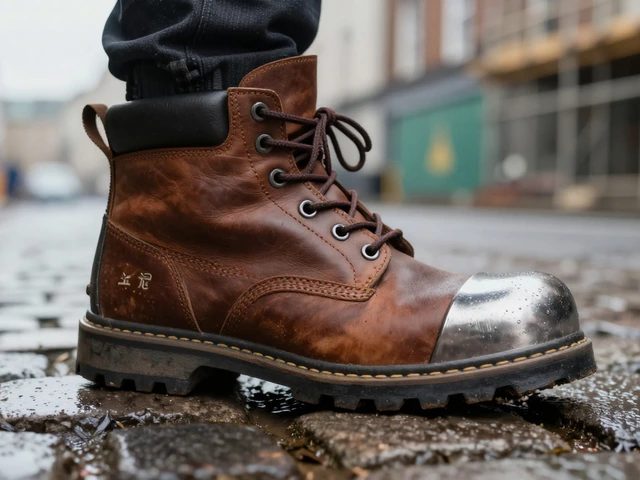
- S (Safety): This indicates the boot has a reinforced toe cap. It must withstand an impact of 200 joules (roughly a 20kg weight dropped from one meter) and a compression force of 15 kilonewtons. This protects your toes from falling bricks, tools, or heavy machinery parts.
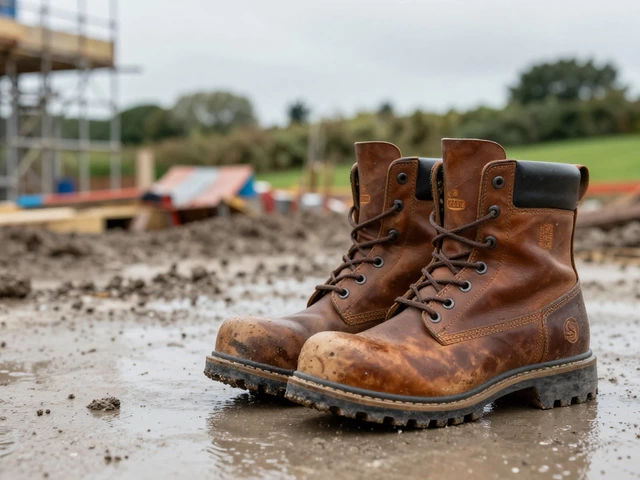
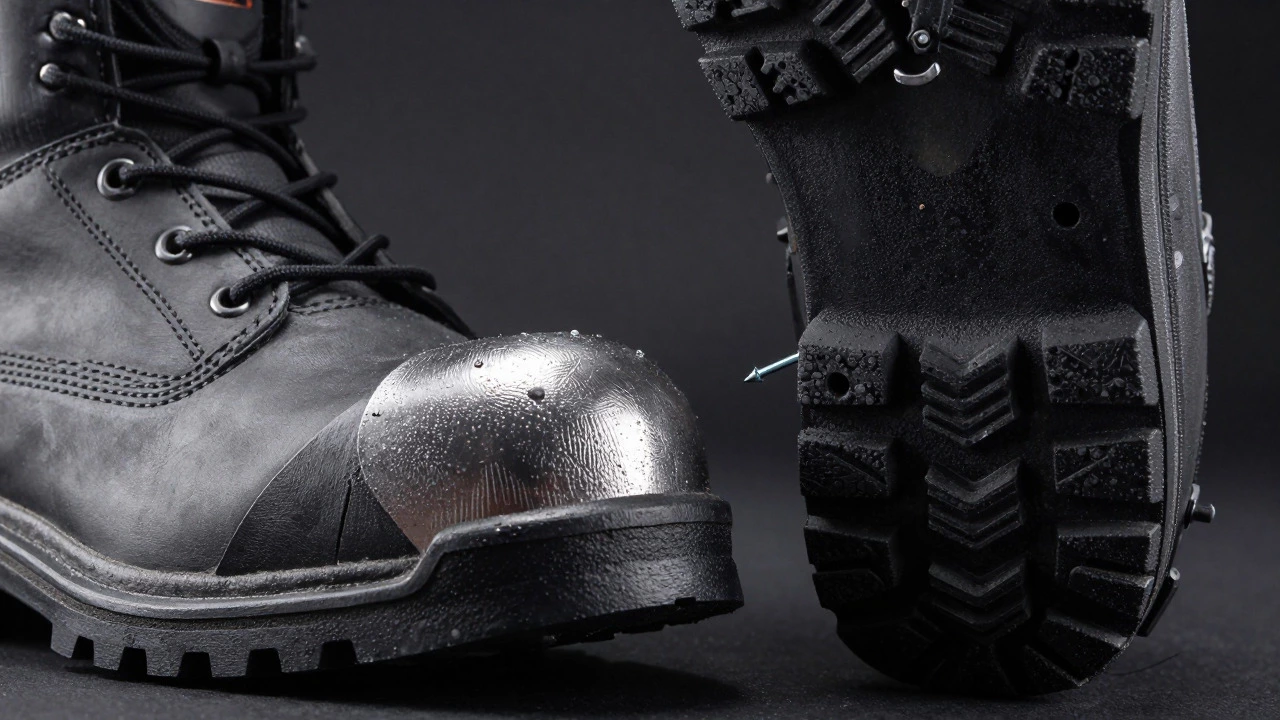
- 3: This number adds specific features beyond basic toe protection. An S3 boot includes an anti-perforation midsole (to stop nails from poking through), is water-resistant, and has a heel energy absorption feature. It also usually has a rough outsole for better grip.
- SRC: This refers to slip resistance. 'S' stands for Slip Resistant, 'R' means it resists slipping on ceramic tiles with soap solution, and 'C' means it resists slipping on steel floors with glycerol. SRC is the highest level of slip resistance available, which is vital given Ireland's frequent rain and wet conditions on sites.
If you work in a particularly cold environment, such as food processing plants in rural counties like Mayo or Donegal, you might look for an S3 boot with an additional 'CI' rating (Cold Insulation) to keep your feet warm in temperatures below -17°C.
Why "OSHA Shoes" Don't Fit the Irish Context
While American OSHA standards are rigorous, they differ in testing methods and materials from European norms. For instance, US standards often allow for composite toe caps made entirely of non-metallic materials, whereas European standards have specific requirements for how these materials perform under heat and impact.
More importantly, buying boots labeled only for OSHA/ANSI compliance in Ireland can create legal gray areas. If an accident occurs, an investigator from the Health and Safety Authority (HSA) will check if the PPE provided met the relevant EU directives. Without the CE mark and EN ISO certification, proving compliance becomes difficult. This could lead to fines for your employer and potential issues with insurance claims for you.
Furthermore, fit and comfort standards vary. European sizing is generally more consistent with what Irish consumers are used to. American sizes run differently, and the last (the shape of the boot) often differs. A boot designed for the broader toe box preferences in some US regions might feel too tight or loose for an Irish worker, leading to fatigue and increased risk of injury due to poor balance.
Where to Buy Certified Safety Boots in Ireland
Finding the right boots shouldn't be hard. Many major retailers across Ireland stock fully certified safety footwear. Here are some reliable places to look:
- Dunnes Stores: Often carries affordable lines of S3 safety boots from brands like Timberland PRO or their own house brands during certain seasons.
- Workwear Specialists: Stores like M.J. Murphy, Grafton Group, and B&Q have dedicated sections for industrial safety gear. They often carry professional-grade brands like Keen Utility, Caterpillar, and Dr. Martens (which has a strong safety line).
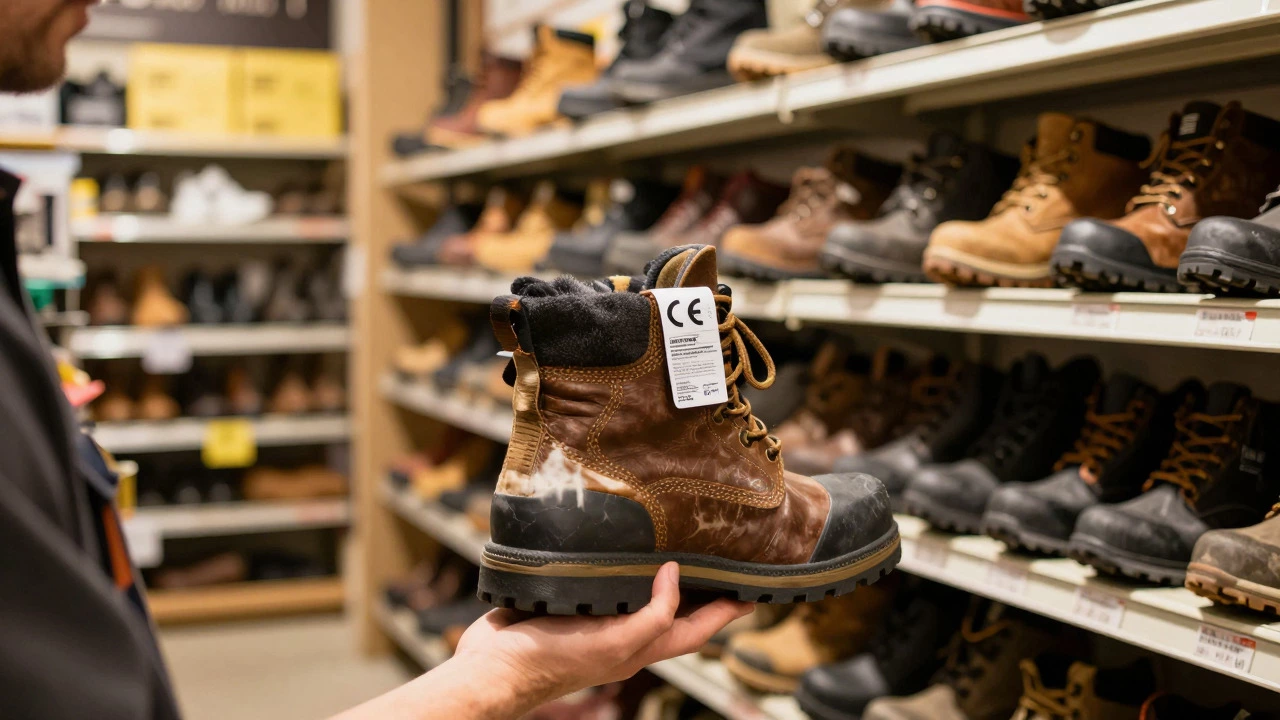
- Online Retailers: Websites like Amazon.ie, eBay.ie, and specialized Irish workwear sites offer a wide range. Always check the product description for "EN ISO 20345" and "CE Marked" before purchasing.
When buying, try them on later in the day when your feet are slightly swollen. Wear the same thickness of socks you’ll wear at work. Walk around the store to ensure there’s no pinch points, especially around the heel and ball of the foot.
Maintaining Your Safety Footwear
Even the best S3 boots won't protect you if they’re worn out. In Ireland’s damp climate, leather boots can crack, and rubber soles can degrade faster than expected. Here’s how to extend the life of your safety shoes:
- Clean Regularly: Remove mud and debris after each use. Salt from winter roads can damage leather, so wipe it off promptly.
- Dry Properly: Never dry boots near a direct heat source like a radiator or fire. Use a shoe tree or stuff them with newspaper to absorb moisture slowly. Heat causes leather to shrink and crack.
- Condition Leather: Apply a quality leather conditioner every few months to keep the material supple and water-resistant.
- Check the Sole: Inspect the tread regularly. If the pattern is worn smooth, your slip resistance (SRC rating) is compromised. Replace the boots immediately.
- Inspect the Toe Cap: Look for any signs of the toe cap bulging or the upper material tearing near the toe. This indicates the boot has taken significant impact and may no longer offer full protection.
Common Misconceptions About Safety Boots
There are several myths circulating among workers in Ireland regarding safety footwear. Let’s clear them up.
Myth 1: All Steel-Toe Boots Are Created Equal. Not true. A cheap boot with a steel toe might pass the minimum impact test but fail miserably in comfort, breathability, or slip resistance. Investing in a higher-quality brand often pays off in reduced foot pain and better long-term durability.
Myth 2: Composite Toes Are Weaker Than Steel. False. Modern composite toe caps, made from materials like fiberglass or plastic, meet the same 200-joule impact standard as steel. They are lighter, don’t conduct temperature (good for cold Irish winters), and are non-magnetic (useful for electricians working near sensitive equipment).
Myth 3: Old Boots Are Fine If They Look Okay. Dangerous. Rubber degrades over time, even if not worn. Most manufacturers recommend replacing safety boots every 3-5 years, depending on usage. The internal structure can weaken without visible signs.
| Feature | Standard S1 | Standard S3 | Best For |
|---|---|---|---|
| Toe Protection | Yes (200J) | Yes (200J) | All industrial environments |
| Water Resistance | No | Yes | Outdoor work, construction sites |
| Puncture Resistance | No | Yes | Sites with nails/debris |
| Slip Resistance | Basic | Highest (SRC) | Wet/slippery surfaces |
| Price Range (Ireland) | €40 - €80 | €80 - €150+ | Budget vs. Heavy Duty |
Choosing the Right Boot for Your Job
Your choice of safety footwear should depend on your specific role. If you’re an office worker who occasionally visits a warehouse, an S1 boot might suffice. However, if you’re a carpenter in Belfast or a builder in Limerick, you need the full protection of an S3 boot.
For electricians, consider boots with electrical hazard (EH) ratings, though note that in Europe, this is often integrated into the general insulation properties of the sole rather than a separate EH label like in the US. For chefs in busy restaurants in Dublin city center, look for lightweight, easy-to-clean S3 boots with excellent oil and grease resistance.
Remember, comfort leads to compliance. If your boots hurt, you’ll take them off, and then you’re unprotected. Take the time to find a pair that fits well and supports your feet properly. Your knees and back will thank you.
Are OSHA shoes legal in Ireland?
Technically, yes, you can wear them, but they may not meet Irish legal requirements for PPE. Irish law requires footwear to comply with EU standards (EN ISO 20345) and bear the CE mark. OSHA-approved shoes follow US ANSI standards and may lack the necessary certifications for Irish workplaces, potentially causing issues in an accident investigation.
What does S3 mean on safety boots?
S3 is a European safety category indicating the boot has a protective toe cap (200J impact resistance), an anti-perforation midsole, water resistance, and heel energy absorption. It is the most common standard for outdoor and construction work in Ireland.
Do I need steel-toe boots in Ireland?
If your job involves risks from falling objects, rolling loads, or compression, yes. Under the Safety, Health and Welfare at Work Act 2005, employers must provide appropriate PPE. Steel-toe or composite-toe boots meeting EN ISO 20345 are the standard requirement for most manual labor jobs.
How much do safety boots cost in Ireland?
Prices vary widely. Basic S1 boots can cost between €40 and €80. High-quality S3 boots from reputable brands typically range from €80 to €150. Specialized boots with extra features like electrical insulation or extreme cold protection can exceed €200. Employers often cover this cost.
Can I wash my safety boots?
It depends on the material. Leather boots should be wiped clean and conditioned, not soaked. Synthetic or textile-based safety shoes might be machine washable on a gentle cycle, but always check the manufacturer’s instructions. Avoid high heat drying to prevent damage to adhesives and materials.