22
Why You Can Barely Walk After Standing All Day: Work Shoe Solutions for Ireland
Work Shoe Endurance Checker
Standing for long hours? Find out if your current setup is causing unnecessary strain and what features you're missing.
Check the boxes that apply to your current pair of work shoes.
Analyzing...
Please wait
Recommendations
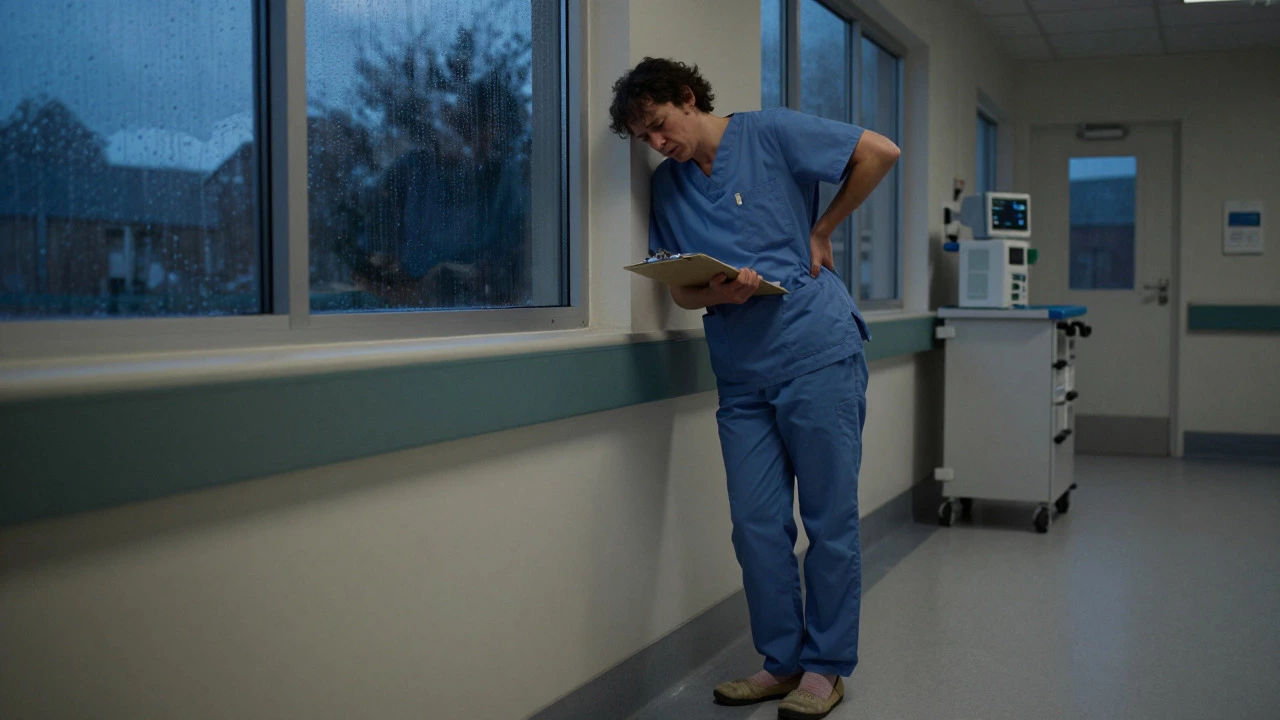
It’s 5 PM on a rainy Tuesday in Galway. You’re walking out of the hospital ward or the shop floor, and your feet feel like they’ve been walked across the Cobblestone streets of the Old Town barefoot. If you work in retail, hospitality, or healthcare across Ireland, this is likely your daily reality. Standing for eight to ten hours isn't just tiring; it changes how your body functions. But here is the good news: most of that misery isn't inevitable. It’s usually a mismatch between your job demands and the footwear you’re wearing.
We often blame our jobs for foot pain, but we rarely look at the tools we use every single shift. In the Irish market, where many workers still default to basic trainers or thin-soled flats because they are cheap or "allowed" by dress codes, the cost is high. Your arches collapse, your calves cramp, and by the time you get home to Westport or Dublin, you can barely stand up straight. Let's fix that.
The Anatomy of Foot Fatigue
To solve the problem, you have to understand what is actually happening inside your shoe. When you stand still for long periods, your blood pools in your lower extremities. This is gravity doing its job, poorly, against your circulation. Without movement, the calf muscles-which act as a second heart to pump blood back up-stop working efficiently. The result? Swelling, heaviness, and throbbing pain.
Now, add a bad shoe to the mix. A standard flat shoe offers no cushioning to absorb the impact of your body weight pressing down. It provides no arch support to keep your foot in a neutral position. And if the sole is too rigid or too soft, it forces your joints to compensate. Over an eight-hour shift, these small inefficiencies compound into significant structural stress. This is why you feel exhausted not just in your feet, but in your knees, hips, and lower back.
Why Standard Trainers Fail You
You might think, "I wear running shoes, so I should be fine." Actually, running shoes are often the wrong tool for standing. They are designed for forward motion and heel-strike impact. When you stand still in a running shoe, the midsole compresses unevenly, and the lack of a stable base can cause your ankle to roll slightly inward or outward. This micro-movement tires out stabilizing muscles quickly.
In Ireland, where many workplaces have relaxed dress codes, employees often grab whatever is comfortable from their closet. But comfort while sitting at home is different from comfort while supporting 70kg of body weight on a concrete floor for nine hours. You need stability, not just softness. A shoe that feels like a cloud when you first put it on might feel like quicksand after three hours.
Key Features to Look For in Irish Work Shoes
When shopping in stores like Brown Thomas, Dunnes Stores, or online retailers serving the UK and Irish markets, look for these specific technical features. Don't just buy "comfortable" shoes; buy shoes engineered for endurance.
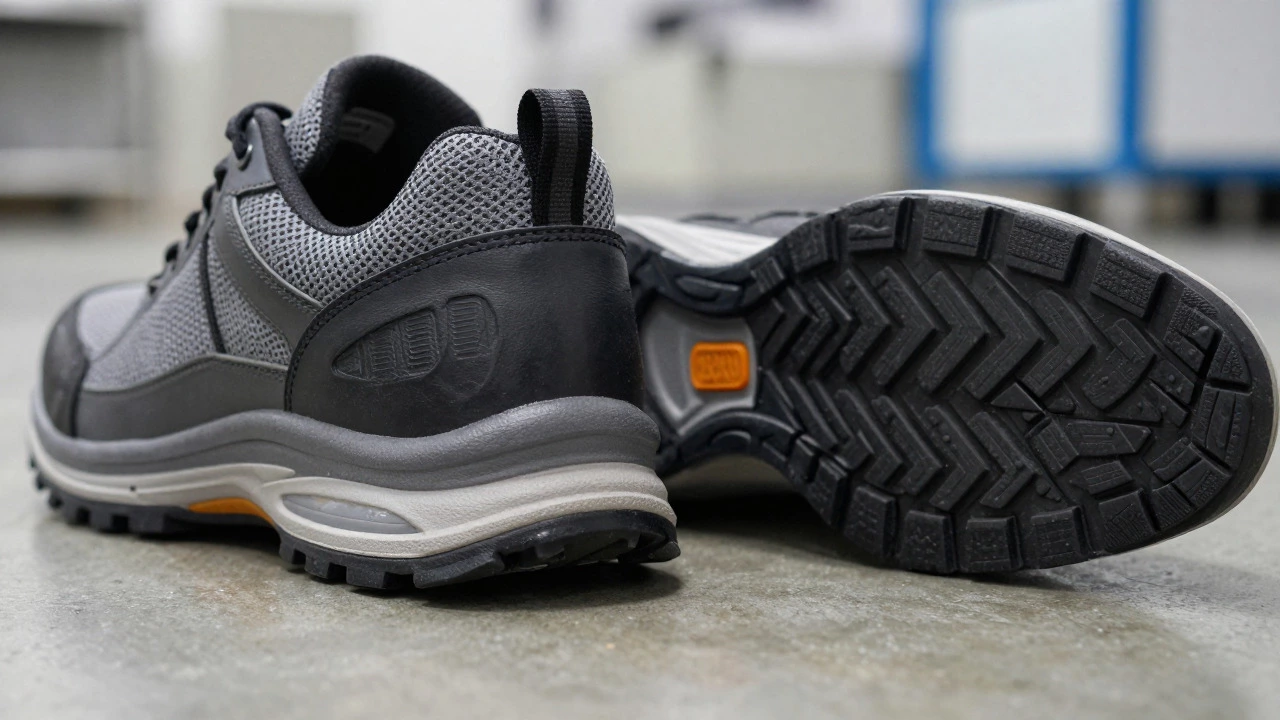
- Cushioning Technology: Look for ethylene-vinyl acetate (EVA) or polyurethane midsoles. These materials dissipate impact energy. Brands like Skechers, Clarks, and New Balance offer specific work lines with these technologies.
- Arch Support: Your arch needs a firm foundation. If you have flat feet, which is common among those who stand all day, you need structured support to prevent overpronation. Removable insoles are a plus because you can replace them with orthotics if needed.
- Breathability: Irish weather is damp, but indoor heating and friction make feet sweat. Moist-wicking linings prevent blisters and fungal issues. Leather or mesh uppers are ideal.
- Stable Heel Counter: The back of the shoe should be firm. It keeps your heel locked in place, reducing shear force on your skin and preventing Achilles tendon strain.
- Outsole Grip: Wet floors in kitchens and hospitals are a major hazard in Ireland. A non-slip rubber outsole with a herringbone pattern is crucial for safety and confidence.
Choosing the Right Fit for Your Shift
Your choice depends heavily on your specific role. A nurse in a Cork hospital has different needs than a barista in a busy café in Temple Bar, Dublin. Here is how to match the shoe to the job.
| Profession | Primary Challenge | Recommended Shoe Type | Key Feature Priority |
|---|---|---|---|
| Nursing / Healthcare | Long shifts, wet floors, strict hygiene | Closed-toe Clogs or Slip-resistant Sneakers | Non-slip outsole, easy-clean material |
| Retail / Sales | Constant movement, customer-facing appearance | Low-profile Athletic Flats | Lightweight, flexible forefoot, stylish design |
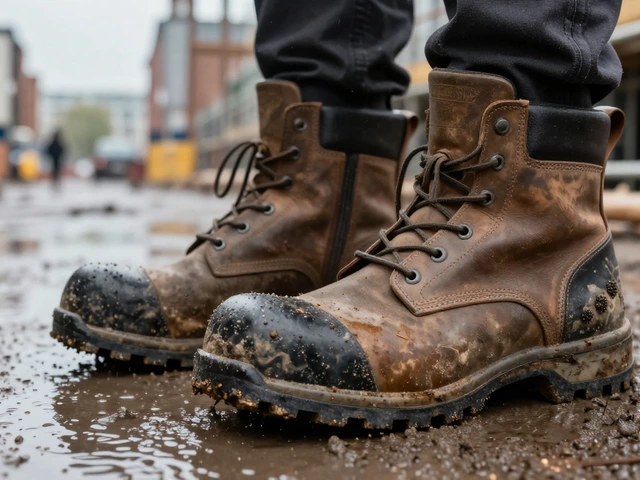
| Hospitality / Kitchen | Heat, grease, heavy lifting | Steel-toe Safety Boots (if required) or Heavy-duty Sneakers | Durability, heat resistance, ankle support |
| Warehouse / Logistics | Heavy loads, concrete floors | Work Boots with Gel Insoles | Shock absorption, toe protection, rugged grip |
If you work in healthcare, consider brands like Dansko or Crocs Professional, which are widely available in Irish medical supply stores. Their clog style allows airflow and easy cleaning, critical in sterile environments. For retail, where you need to look presentable but move constantly, look for sleek sneakers from brands like Vans or Converse that have added memory foam insoles. It’s a compromise, but a necessary one.
Local Resources and Practical Tips in Ireland
Living in Ireland gives us access to some excellent resources for foot health, but we don't always use them. If your pain persists despite changing shoes, visit a podiatrist. Many GP practices in counties like Mayo, Kerry, and Limerick refer patients to local podiatrists who specialize in occupational foot care. An assessment costs a reasonable amount through HSE or private clinics, and it can save you years of chronic pain.
Here are some immediate actions you can take today:
- Buy Two Pairs of Shoes: Alternate them daily. This lets the foam in the midsole recover its shape overnight. One pair will last twice as long and stay comfortable longer.
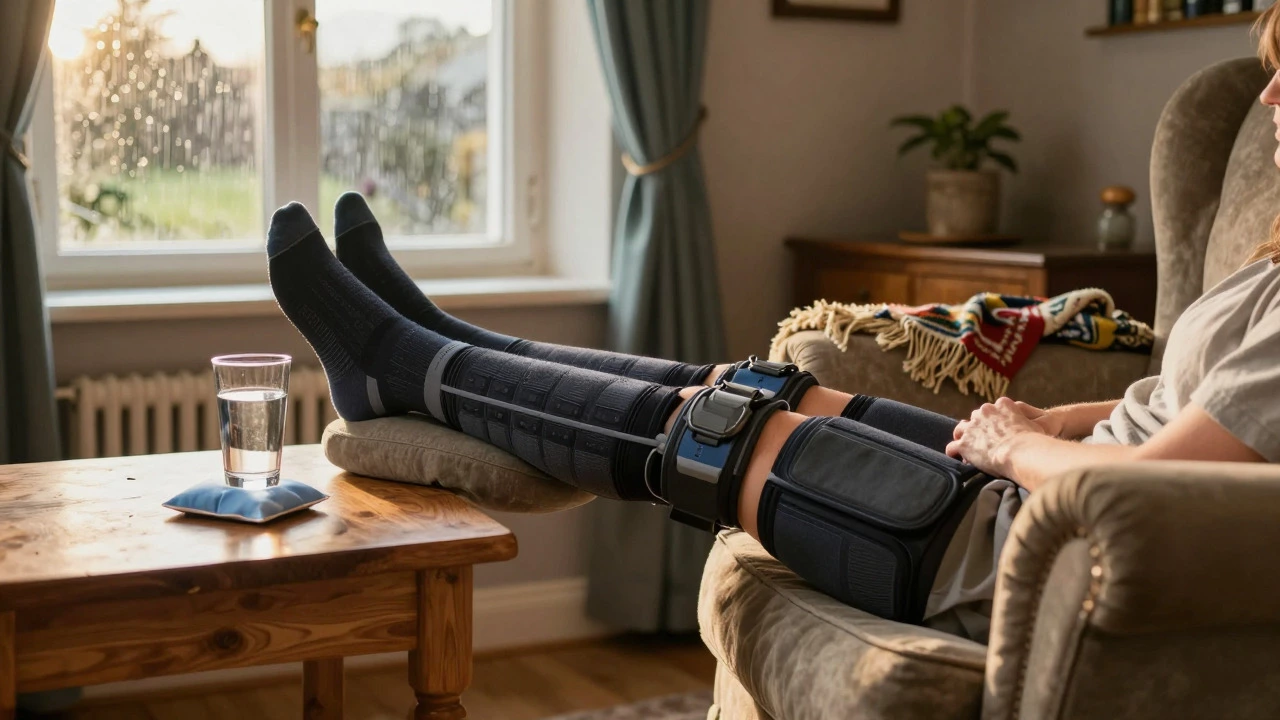
- Use Compression Socks: Available at any pharmacy in Ireland, compression socks help push blood back up your legs. Wear them during your shift, not just after.
- Micro-Breaks: Every hour, spend two minutes flexing your ankles and rolling a tennis ball under your arch. It sounds trivial, but it resets your muscle tension.
- Check Your Workplace Policy: Ask your manager if they provide subsidised footwear. Some large employers in Ireland, particularly in logistics and manufacturing, now offer shoe allowances or partnerships with suppliers like Dr. Martens or Caterpillar.
Common Mistakes to Avoid
Even with the right knowledge, people make costly errors. The biggest mistake is buying shoes that fit perfectly when new. Feet swell throughout the day. Try on shoes in the afternoon, when your feet are at their largest. If they feel snug then, they will be perfect during your shift.
Another error is ignoring the width. Many Irish women have wider feet due to genetic factors, yet many popular brands only offer narrow widths. Look for wide-width options (marked W or E) to avoid squeezing your toes. Tight shoes lead to bunions, ingrown nails, and nerve compression, which are painful and slow to heal.
Finally, don't neglect your home routine. When you get off shift, elevate your legs for 15 minutes. Use ice packs if there is inflammation. Simple habits at home can offset the stress of the day.
Frequently Asked Questions
Are expensive work shoes worth it in Ireland?
Yes, if you stand more than six hours a day. A €100-€150 pair of quality ergonomic shoes lasts longer and prevents injury. Compare that to the cost of physiotherapy sessions or lost work days due to pain. It is an investment in your health, not just a purchase.
Can I wear insoles in my existing work shoes?
Often, yes. If your current shoes have removable insoles, you can swap them for gel or arch-support insoles bought from pharmacies like Boots or SuperValu. However, if the shoe itself lacks structure, insoles alone won't fix severe pain. They are a supplement, not a cure.
What is the best brand for nurses in Ireland?
Dansko and Crocs Professional are highly regarded for their durability and ease of cleaning. Skechers also has a dedicated healthcare line with slip-resistant soles. Check local medical uniform suppliers in Dublin or Belfast for bulk discounts.
How do I deal with foot swelling during a shift?
Swelling is normal after several hours of standing. To manage it, wear shoes with adjustable straps or laces that you can loosen slightly during breaks. Avoid tight socks that cut off circulation. Compression socks are the most effective preventive measure.
Do Irish employers have to pay for work shoes?
Not always. Under Irish employment law, if specific protective footwear is required for safety (like steel-toe boots), the employer must provide it. For general comfort shoes in retail or office settings, it is usually the employee's responsibility unless stated otherwise in the contract.