21
What is the Highest Quality of T-Shirts? A Guide for Ireland
T-Shirt Quality Analyzer
Stop guessing which tee is worth your money. Input the specs below to see if it meets the standards for durability and comfort in Ireland's unpredictable weather.
Enter details and click Analyze to see results.
You’ve probably stood in a fitting room in Grafton Street or browsed an online store, holding two identical-looking black t-shirts. One costs €15, the other €45. You think, "It’s just cotton, right?" Wrong. The difference isn’t just marketing fluff; it’s physics, engineering, and how well the shirt survives our notoriously unpredictable Irish weather. If you want to know what is the highest quality of t-shirts, you need to look past the brand tag and understand the fabric itself.
In Ireland, we wear t-shirts year-round. We layer them under wool jumpers in winter, throw them on for a sudden sunny spell in July, and use them as base layers for hiking in Wicklow. Cheap shirts pill after three washes and lose their shape by the second summer. High-quality shirts get softer with age and hold their structure for years. Here’s exactly what makes a tee high-quality, tailored for the realities of buying clothes here.
The Fabric: It Starts With Cotton Type
Not all cotton is created equal. When you see "100% Cotton," that tells you almost nothing about quality. The real differentiator is the length of the cotton fibers, known as staples.
Upland Cotton is the standard commodity crop used in most fast fashion found on Henry Street. Its fibers are short (around 1 inch). Short fibers mean more ends sticking out, which leads to pilling and roughness.
High-end tees use Supima or Egyptian Giza 45 cotton. These are long-staple varieties. Supima comes from the USA; Egyptian Giza grows in the Nile Delta. Longer fibers can be spun into finer, stronger yarns. This results in a fabric that feels silky smooth against your skin but doesn’t tear easily. For the Irish climate, where humidity fluctuates wildly, these tighter weaves also resist moisture absorption better than cheap, loose-knit cottons.
GSM: Why Weight Matters More Than Brand
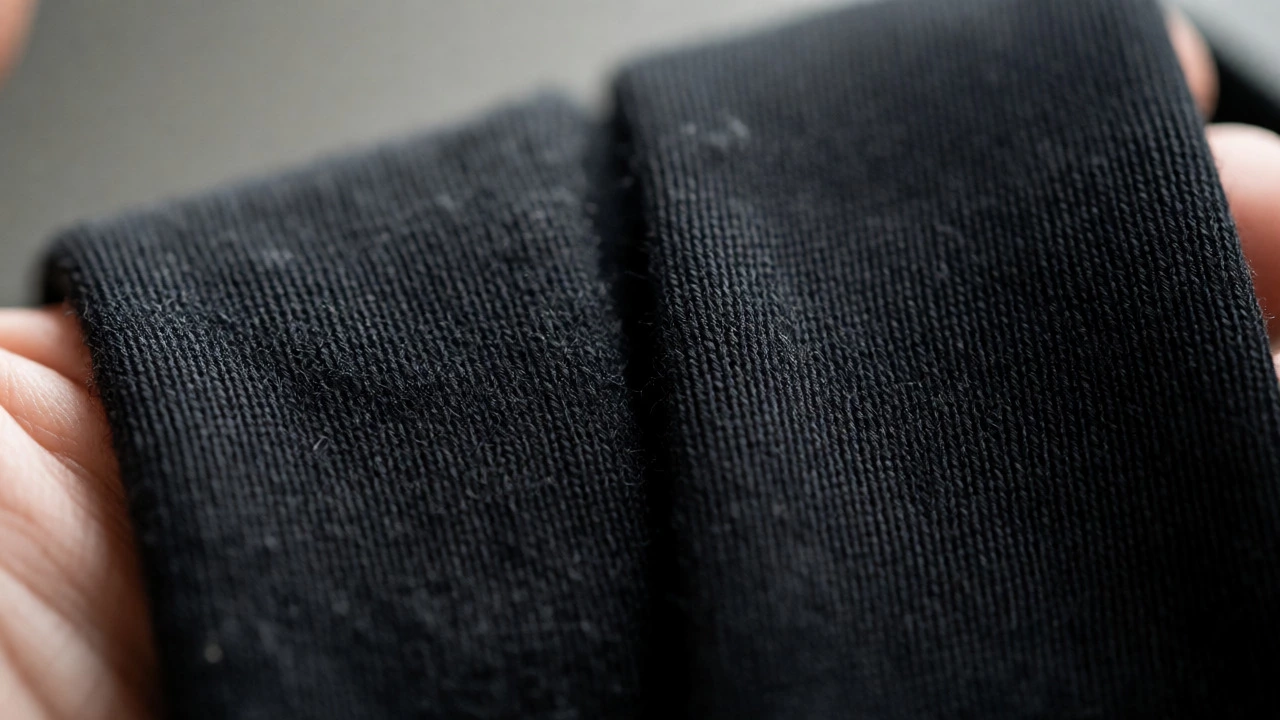
If there is one number you must check before buying, it’s GSM-Grams per Square Meter. This measures density. Most mass-market t-shirts sit between 130 and 150 GSM. They are light, often slightly sheer, and prone to shrinking unevenly.
A high-quality t-shirt typically ranges from 180 to 240 GSM. Here’s why this matters specifically for us:
- Opacity: At 180+ GSM, white tees aren’t see-through. No one wants to worry about visible undershirts when walking through Dublin city center.
- Durability: Heavier fabric withstands the friction of backpack straps during commutes on the Luas or DART.
- Structure: Lightweight shirts go limp after washing. Heavyweight shirts keep their shape, looking crisp even if you’re wearing them under a blazer for a casual Friday at work.
Be careful, though. Anything above 260 GSM can feel too heavy for an Irish summer. Aim for the sweet spot of 190-220 GSM for versatility across all four seasons.
| GSM Range | Fabric Feel | Best For | Lifespan |
|---|---|---|---|
| 130-150 | Thin, airy, cheap | Single-use events, tight budgets | 1-2 Years |
| 160-180 | Standard, soft | Everyday wear, warm days | 2-3 Years |
| 190-220 | Dense, structured, premium | All-season wear, layering | 5+ Years |
| 230+ | Heavy, stiff initially | Cold weather, streetwear style | Longest lasting |
Construction Details That Betray Quality
Once you have the right fabric, check how it’s put together. Turn the shirt inside out. Look at the seams. Fast-fashion shirts often use single-needle stitching that unravels quickly. High-quality manufacturers use double-needle stitching on hems and sleeves. This creates a chain-like stitch that is significantly stronger and prevents the hem from rolling up-a common annoyance with cheaper tees.
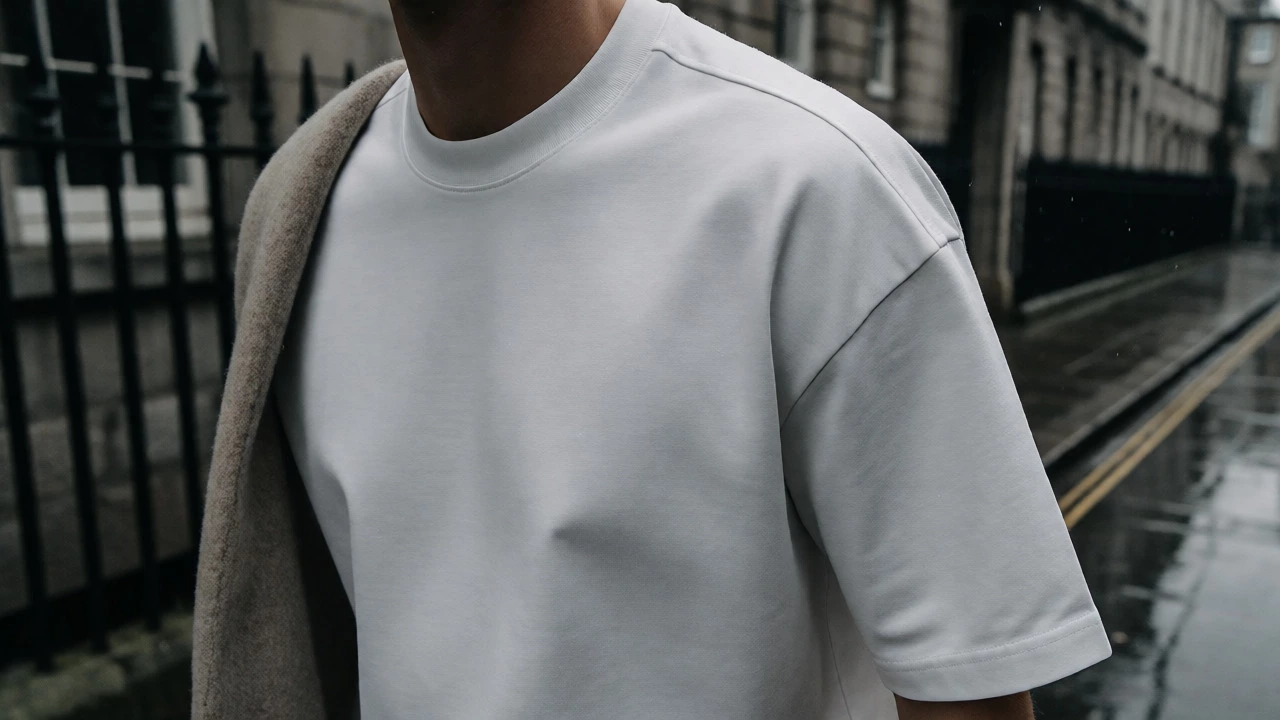
Another critical feature is the neckband. Cheaper shirts use ribbing that stretches out and becomes wavy after a few wears. Premium tees use reinforced neckbands, sometimes with taped shoulders. Shoulder tape runs from shoulder to shoulder, preventing the garment from stretching out horizontally when you pull it over your head. This is crucial for maintaining a sharp silhouette, especially if you plan to wear the tee tucked in.
Also, check for side-seams. Many low-cost shirts are cut from tubular knit fabric, meaning no side seams. While this saves money, it often results in a boxy, ill-fitting shape. Side-seamed shirts allow for tailoring that fits the human body better, accommodating broader shoulders or narrower waists more naturally.
Irish Brands Leading the Way
You don’t always need to import luxury labels to find top-tier quality. Several Irish brands have carved out niches by focusing on durability and local production values.
Orangefield is a prime example. Based in Northern Ireland, they specialize in heavyweight organic cotton tees. Their focus on sustainability aligns with growing consumer demand in cities like Belfast and Cork for ethically made goods. Another standout is Base Camp, which offers rugged, outdoor-ready apparel designed to handle the damp conditions typical of the west coast.
For those who prefer global standards with local availability, stores like Arnotts or independent boutiques in Dublin’s Temple Bar district often stock brands like Champion (Reverse Weave line) or Uniqlo’s U series. However, always verify the GSM and fiber content. Uniqlo’s basic tees are decent, but their premium lines offer superior longevity.
Buying locally supports jobs and reduces shipping carbon footprints, a point that resonates strongly with environmentally conscious shoppers in Galway and Limerick. Plus, supporting Irish textile heritage helps preserve skills that might otherwise vanish.
Care Instructions for Longevity
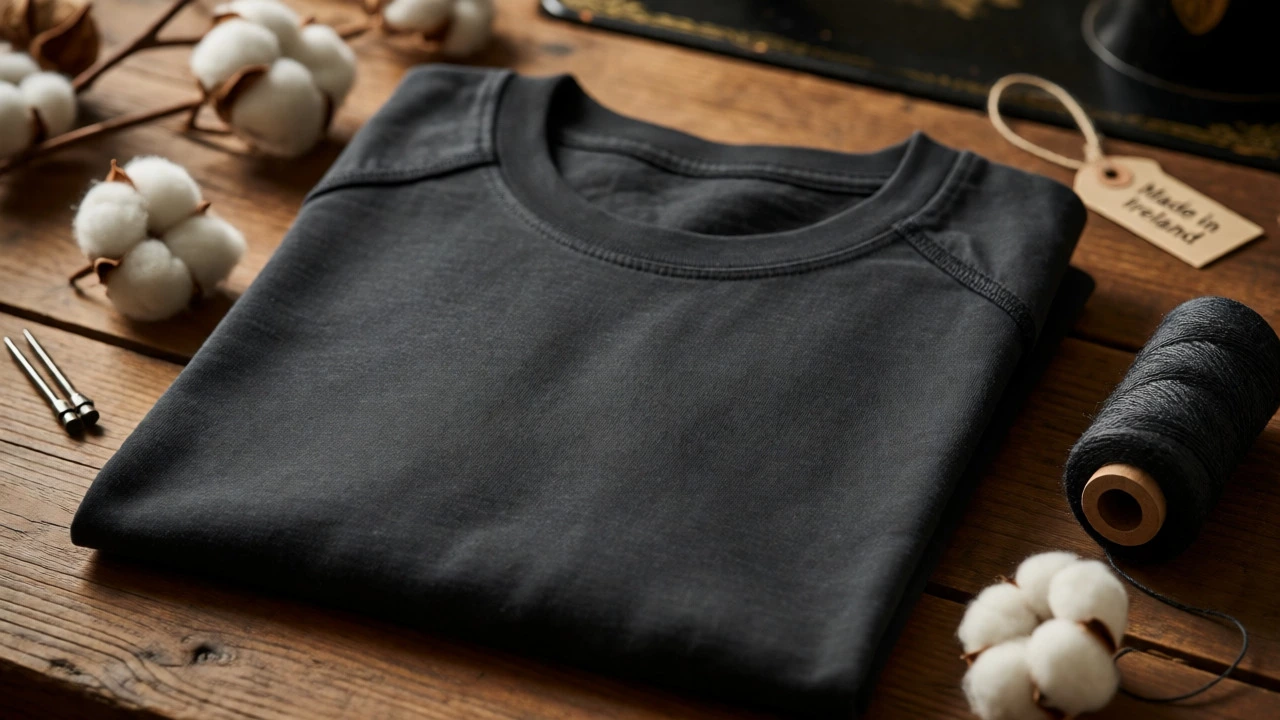
Even the best Supima cotton tee will fail if you treat it poorly. Irish tap water is generally soft, which is great for laundry, but our washing habits can still damage fabrics.
- Wash Cold: Hot water breaks down cotton fibers and causes shrinkage. Stick to 30°C or cold cycles.
- Inside Out: Always wash t-shirts inside out to protect the outer surface from abrasion against other clothes and the drum.
- Air Dry: Tumble dryers are heat bombs. They weaken elastic and shrink cotton. In Ireland, air-drying is practical and energy-efficient. Use a drying rack indoors or hang outside on mild days.
- No Fabric Softener: Softeners coat fibers, reducing breathability and absorbency. Skip it to keep your premium cotton feeling natural.
Following these steps ensures your investment lasts far beyond the initial purchase price, making the higher upfront cost worthwhile.
FAQ
Is organic cotton actually better quality?
Organic refers to how the cotton was grown (no synthetic pesticides), not necessarily the fiber length. An organic short-staple cotton tee can be lower quality than a non-organic long-staple Supima tee. Look for both organic certification and long-staple designation for the best combination of ethics and quality.
Why do expensive t-shirts feel stiffer at first?
High-GSM shirts often feel stiff initially because the dense weave hasn't relaxed yet. After a few washes and wears, the fibers break in, becoming softer while retaining their structural integrity. Cheap shirts feel soft immediately because they are thin and lack substance.
Can I find high-quality t-shirts in Irish supermarkets?
Generally, no. Supermarket own-brand tees usually prioritize low cost over fabric quality, using short-staple cotton and lighter weights (under 160 GSM). For premium quality, stick to specialized clothing retailers or direct-to-consumer brands available online in Ireland.
Does color affect the quality of the t-shirt?
Dark colors like black and navy fade faster if dyed poorly. High-quality shirts use reactive dyes that bond deeply with the fiber, resisting fading even after multiple washes. Check reviews for colorfastness if you buy dark tees.
How much should I expect to pay for a high-quality tee in Ireland?
In the current Irish market, expect to pay between €25 and €45 for a genuine high-quality t-shirt. Prices below €20 rarely offer long-staple cotton or double-needle construction. Above €50, you are often paying for brand prestige rather than additional material quality.