18
What is Sportswear Activewear? A Guide for the Irish Climate
Irish Climate Sportswear Matcher
Select your planned activity and current weather conditions to get personalized gear recommendations suitable for Ireland's unique climate.
Recommendation
Details will appear here.
You’ve probably seen the terms used interchangeably on shop windows in Dublin’s Henry Street or online stores shipping to Galway. But if you’re standing in a fitting room trying to decide between a pair of leggings and technical running tights, the difference matters. Sportswear is the broad umbrella term for clothing designed for physical activity, while activewear refers specifically to high-performance garments engineered with moisture-wicking fabrics and ergonomic cuts for intense exercise. In the Irish market, where rain can turn a sunny walk into a soaked trek in minutes, knowing which category your clothes fall into saves you money and discomfort.
The Blurred Line Between Style and Sweat
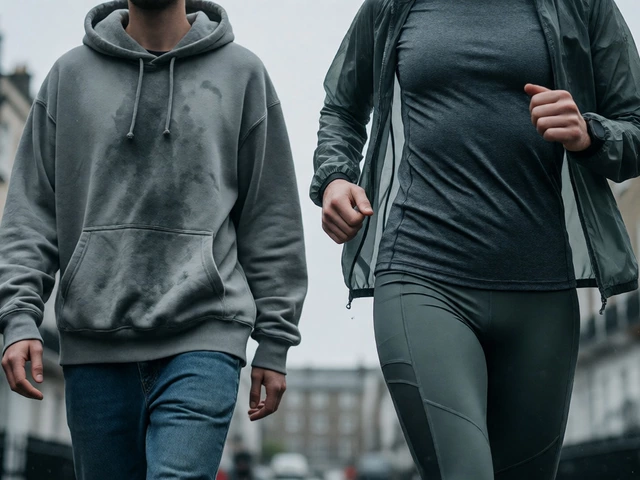
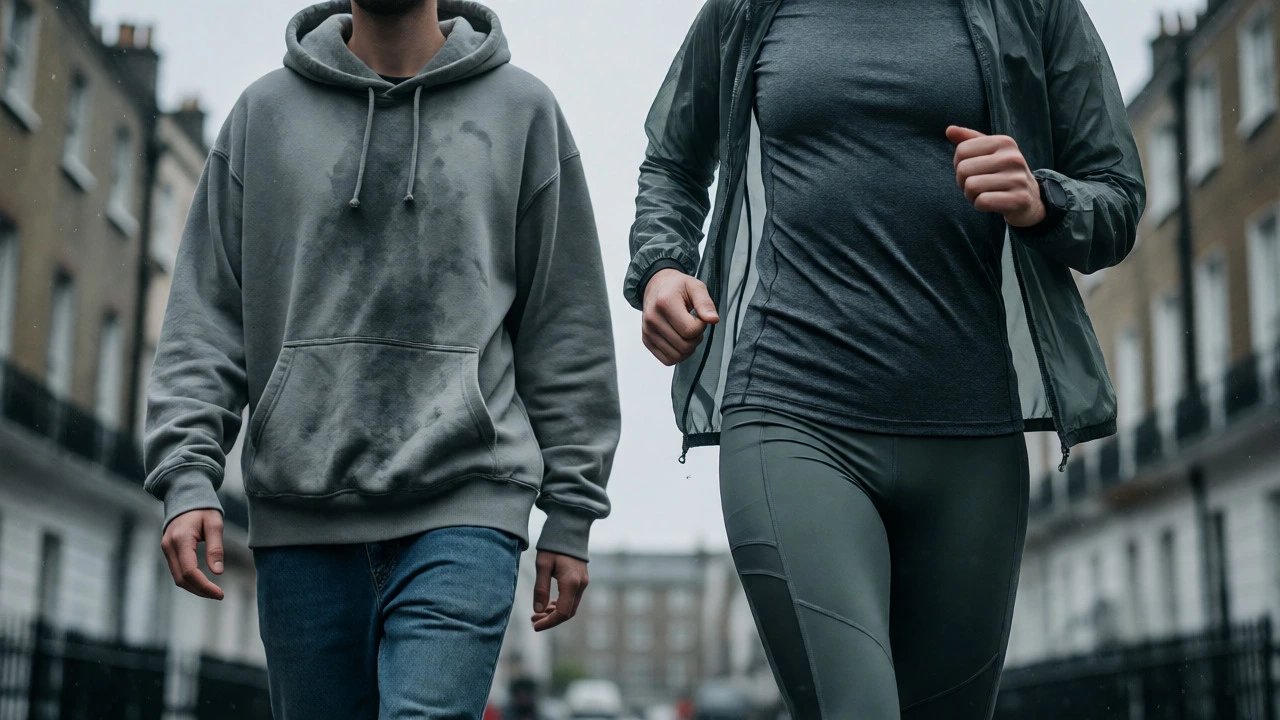
Here’s the thing: most people don’t care about the technical distinction until they’re five miles into a run near Phoenix Park and their cotton hoodie feels like a wet wool blanket. Historically, sportswear meant anything worn for sports-think tracksuits from the 1970s or basic cotton t-shirts. Activewear emerged later as technology advanced, introducing synthetic blends that pull sweat away from your skin. Today, the lines are blurry because fashion has caught up. You’ll see people wearing yoga pants to coffee shops in Cork or cycling shorts at a pub in Limerick. That’s "athleisure," a hybrid style that borrows the comfort of activewear but lacks its performance specs.
If you’re buying for actual movement, stick to true activewear. If you’re buying for comfort during a commute or a casual weekend, standard sportswear works fine. The key is matching the garment’s capability to your activity level. Wearing heavy denim-inspired joggers for a hike up Croagh Patrick isn’t just unfashionable; it’s impractical when you start sweating and the fabric gets heavy.
Why the Irish Weather Demands Specific Gear
Living in Ireland means dealing with mild winters, cool summers, and humidity year-round. This climate creates unique challenges for clothing choices. Unlike dry heat where evaporation cools you down quickly, our damp air slows down drying times. If you wear low-quality sportswear here, you stay wet longer, leading to chills even in summer.
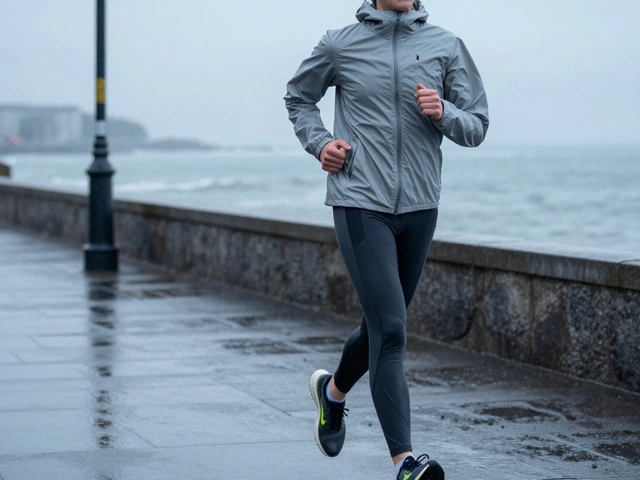
This is why local preferences lean towards layered activewear. You might see runners in Galway wearing thin merino wool base layers under lightweight windbreakers. Merino is excellent for our climate because it regulates temperature and resists odors, which is handy when you’re commuting on a crowded bus after a gym session. Standard cotton sportswear absorbs water and stays cold against your skin. Synthetic activewear dries fast but can smell bad if not treated with anti-microbial agents. Finding that balance is crucial for anyone training outdoors in the Irish weather.
| Feature | Sportswear (General) | Activewear (Performance) |
|---|---|---|
| Fabric Type | Cotton, polyester blends, fleece | Nylon, spandex, technical synthetics, merino wool |
| Primary Function | Comfort, casual wear, light movement | Moisture management, flexibility, durability |
| Drying Time | Slow (especially cotton) | Fast (engineered for quick-dry) |
| Cost | Lower ($15-$40) | Higher ($40-$100+) |
| Ideal Use Case | Gym warm-up, walking dog, casual Fridays | Running, CrossFit, hiking, competitive sports |
Local Brands and Global Giants in Ireland
You don’t always need to buy from international giants to get good quality. Ireland has a growing scene of ethical and high-performance brands. Take Pitch & Paddle, a Dublin-based brand that focuses on sustainable materials and versatile designs suitable for both studio classes and city walks. They understand that Irish consumers want clothes that transition seamlessly from a Pilates class to a brunch spot without looking like you’re ready for a marathon.
Then there’s the dominance of global names like Nike and Adidas, which have massive footprints in Irish retail parks. However, niche brands specializing in specific activities are gaining traction. For hikers tackling the Wicklow Way, brands offering Gore-Tex membranes are essential. For GAA players, traditional suppliers like O’Neills provide durable kits designed for contact sports, which is a different beast entirely from the stretchy fabrics used in yoga activewear. Supporting local businesses often means better fit for European body types, too, avoiding the sizing issues common with some US-centric brands.
The Role of GAA and Community Sports
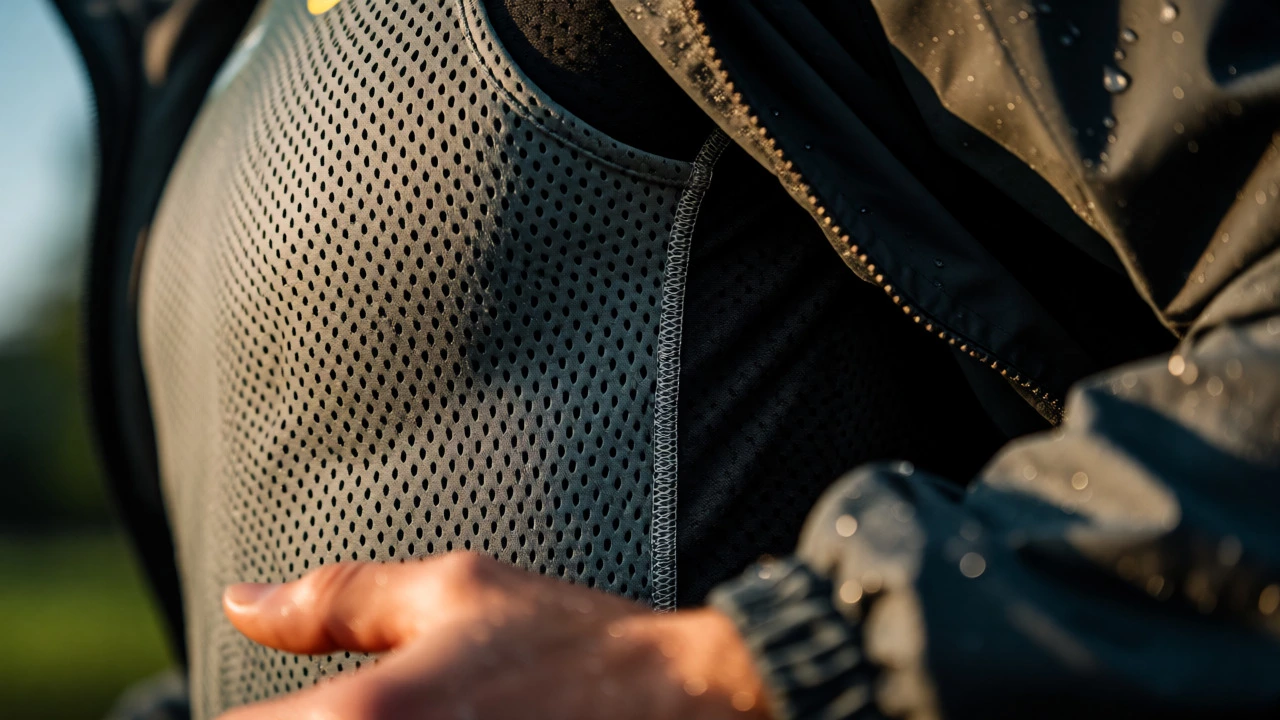
In Ireland, sportswear isn’t just about personal fitness; it’s community identity. The Gaelic Athletic Association (GAA) drives a huge portion of the sportswear market. When you buy a county jersey, you’re buying into heritage. These kits are typically made from durable polyester mesh designed to withstand tackles and mud. They aren’t "activewear" in the modern sense of compression and aerodynamics, but they are high-performance sportswear tailored to field games.
Contrast this with the rise of running clubs in cities like Belfast and Cork. Here, activewear takes center stage. Runners invest in shoes with carbon plates, breathable tops, and hydration vests. The culture around these groups is highly technical. It’s common to hear debates about shoe drop heights or sock materials at post-run coffees. This shift shows how Irish attitudes toward sportswear are evolving from purely functional team gear to individualized performance optimization.
How to Choose the Right Fit for Your Activity
Don’t guess. Match the fabric to the effort. Here’s a simple rule of thumb for shopping in Ireland:
- Low Intensity (Walking, Yoga, Stretching): Look for soft knits, bamboo blends, or brushed fleece. Comfort is king. Avoid stiff seams that rub during static poses.
- Moderate Intensity (Cycling, Gym Weights, Team Training): Go for moisture-wicking synthetics with four-way stretch. You need freedom of movement and sweat control.
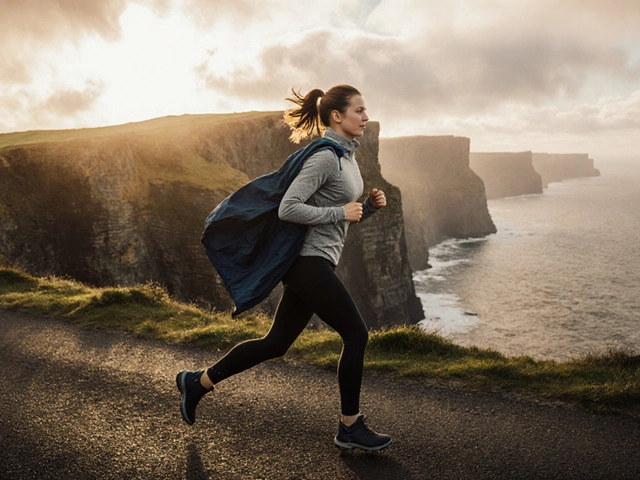
- High Intensity (Running, HIIT, Hiking): Prioritize breathability and chafe resistance. Flatlock stitching prevents irritation. Reflective elements are non-negotiable for early morning runs in winter darkness.
Also, consider the layering system. In Ireland, you rarely go out in one layer. Start with a wicking base, add an insulating mid-layer if it’s cold, and finish with a waterproof shell. Cheap sportswear often fails at the shell level, letting rain soak through. Invest in a good jacket from brands known for weatherproofing, as this protects all the layers beneath it.
Care Instructions to Make Gear Last
Irish washing habits can kill expensive activewear. Fabric softener is the enemy. It clogs the pores of technical fabrics, stopping them from breathing and wicking sweat. Wash your gear in cold water with a specialized sports detergent or plain liquid soap. Hang dry whenever possible. Tumble drying high-tech fabrics breaks down elastic fibers over time, turning snug leggings into baggy sacks. If you’re in a flat without outdoor space, use a dehumidifier or a heated airer indoors. Drying clothes outside in Galway rain is a myth; they’ll just absorb more moisture.
Next Steps for Your Wardrobe
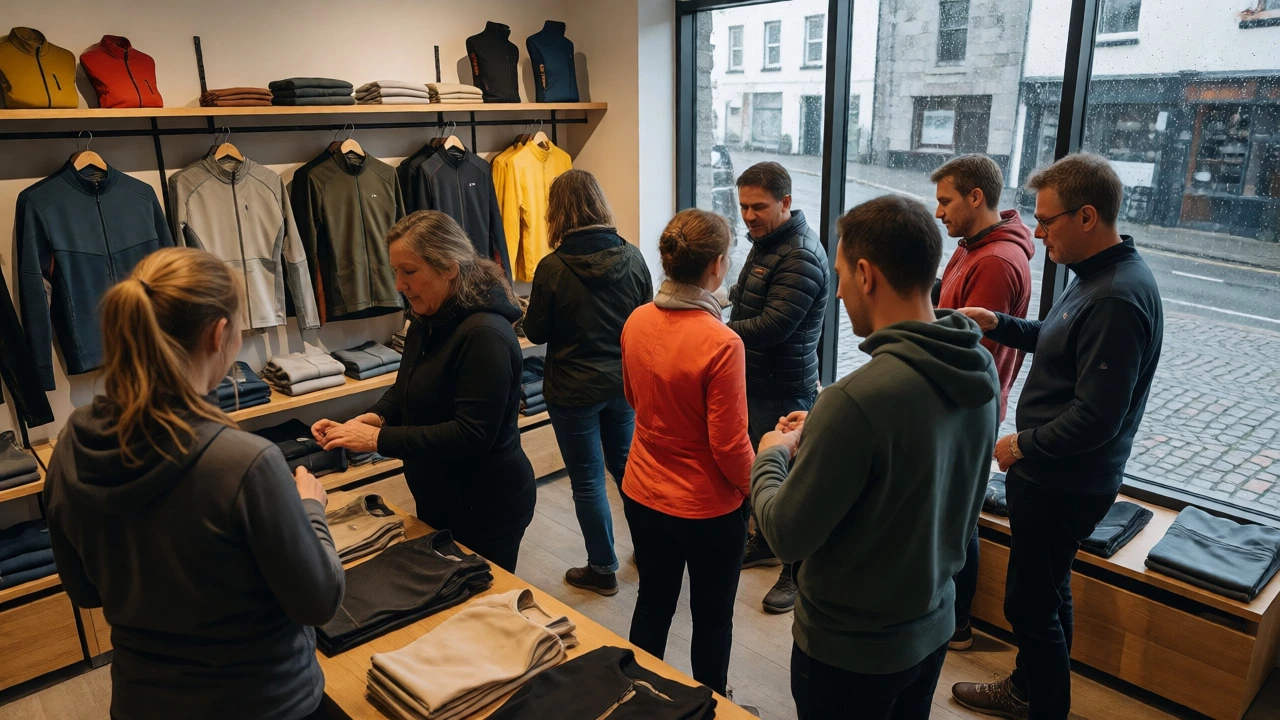
Audit what you own. Pull out every piece of athletic clothing. Check the tags. Is it cotton? Keep it for lounging. Is it synthetic with stretch? Test it during your next workout. Does it leave you cold and wet? It’s time to upgrade. Visit local independent retailers who can offer advice on fit and function rather than just pushing trends. Try things on in person. Sizes vary wildly between brands, especially when comparing EU sizes to US imports.
Remember, the best sportswear is the kind you’ll actually wear. If you hate the feel of compression shorts, don’t force yourself into them just because they’re popular. Find what works for your body and your lifestyle. Whether you’re training for a half-marathon in Dublin or just trying to keep up with kids playing football in the park, the right gear makes the experience better.
Can I wear activewear casually?
Yes, this is called athleisure. Many modern activewear pieces are designed with minimalist aesthetics that fit well in casual settings. Just ensure the fabric looks structured enough for public wear, as some high-performance materials can look overly technical or shiny in social contexts.
Is cotton bad for exercising in Ireland?
Generally, yes, for intense exercise. Cotton absorbs sweat and holds it against your skin, which can lead to chilling in Ireland's humid and cool climate. It also takes a long time to dry. For light stretching or walking, cotton is fine, but for running or gym sessions, synthetic blends or merino wool are superior.
What is the difference between sportswear and activewear?
Sportswear is a general term for any clothing worn for sports, including casual tracksuits and cotton jerseys. Activewear is a subset of sportswear focused on high-performance features like moisture-wicking, elasticity, and thermal regulation. All activewear is sportswear, but not all sportswear is activewear.
Which brands are popular in Ireland for activewear?
Global brands like Nike, Adidas, and Under Armour dominate the mainstream market. However, Irish consumers increasingly support local and ethical brands like Pitch & Paddle for sustainability, or specialist outdoor brands like Regatta and Trespass for weather-resistant gear suited to Irish hiking conditions.
How do I wash technical sportswear?
Wash in cold water using a mild detergent. Avoid fabric softeners and bleach, as they damage technical fibers and reduce moisture-wicking capabilities. Air dry is preferred; if you must use a dryer, choose a low-heat setting to preserve elasticity.