18
What is considered activewear in Ireland: A practical guide to dressing for the weather and lifestyle
Irish Weather Layering Calculator
Enter your current or forecasted conditions to see what you should wear.
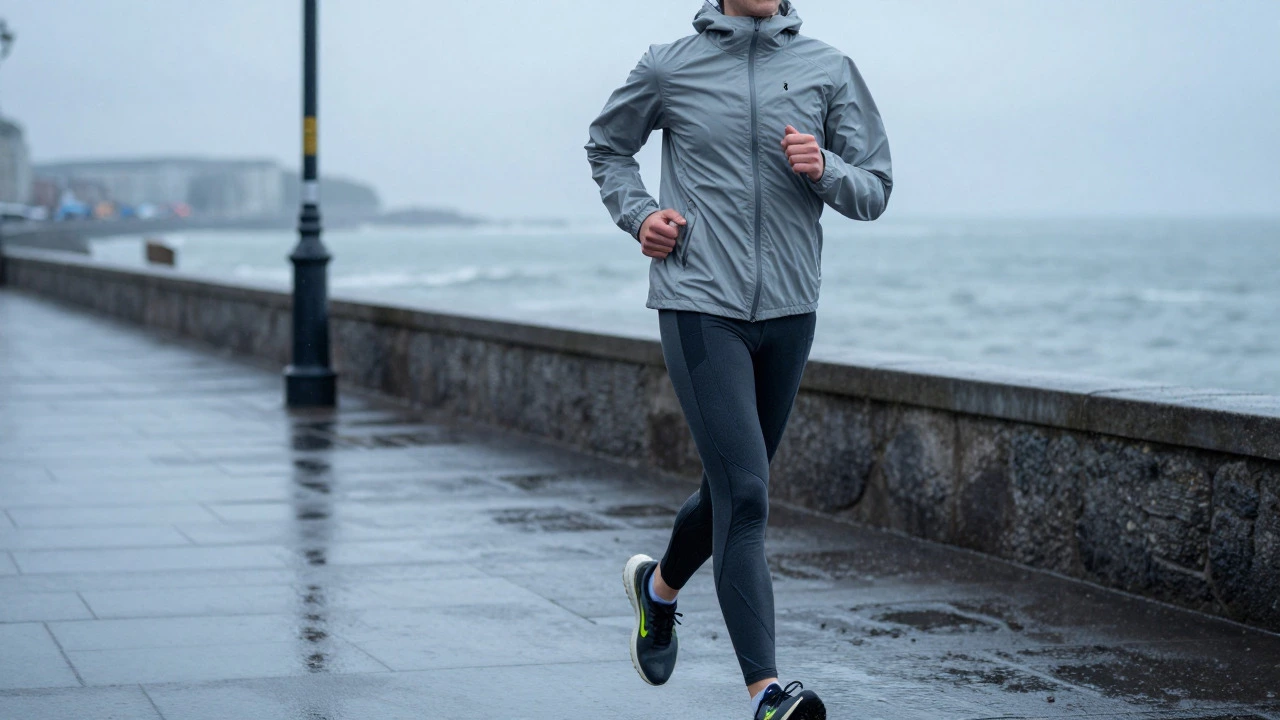
Picture this: it’s a Tuesday morning in Galway. You’re heading out for a quick run along the Salthill promenade before catching a coffee at The Coffee House. It’s drizzling-that fine, persistent mist that seems to hang over the West Coast-and you’ve got about twenty minutes before your next Zoom call. What do you wear? If you pull on a pair of skinny jeans and a heavy wool coat, you’ll be miserable. If you rock up in neon spandex, you might feel like you’ve missed a yoga class by accident. This is where the line gets blurry. In Ireland, activewear isn’t just what you wear to the gym; it’s a survival tool against our unpredictable climate and a key part of our daily uniform.
We need to clear up a common misconception right away. Activewear is not synonymous with "gym clothes." While those tight leggings and moisture-wicking tanks are definitely part of the family, the category is much broader. It encompasses any garment designed specifically for physical activity, comfort, or ease of movement. But here in Ireland, we have added a second layer to that definition: versatility. Because our weather can shift from sunny to stormy in the time it takes to walk from Eyre Square to the Spanish Arch, our activewear needs to work harder than it does in sunnier climates.
The Core Definition: Function Over Fashion
At its simplest level, activewear refers to clothing made from technical fabrics that manage sweat, allow for a full range of motion, and dry quickly. Think of materials like polyester blends, nylon, elastane (spandex), and increasingly, sustainable options like recycled plastic bottles or organic cotton blends. These fabrics are engineered to keep you cool when you’re hot and warm when you’re moving fast.
However, if you look at how people dress in Dublin or Cork today, the definition has expanded into what we call "athleisure." This is the crossover zone where performance gear meets everyday style. You see it everywhere. From the farmers markets in Kinsale to the tech offices in Dockland, people are wearing high-performance fabrics as casual wear. Why? Because let’s be honest, Irish life is active. We walk everywhere. We take public transport. We deal with rain. Comfort is king.
Is a hoodie considered activewear?
Yes, but it depends on the material. A heavy cotton hoodie worn over a t-shirt is generally considered casual streetwear. However, a lightweight, moisture-wicking hoodie made from synthetic blends, often with zippered pockets and thumbholes, is firmly in the activewear camp. In Ireland, the "gilet" or vest layered over a hoodie is a staple hybrid piece.
The Irish Weather Factor: Layering is Non-Negotiable
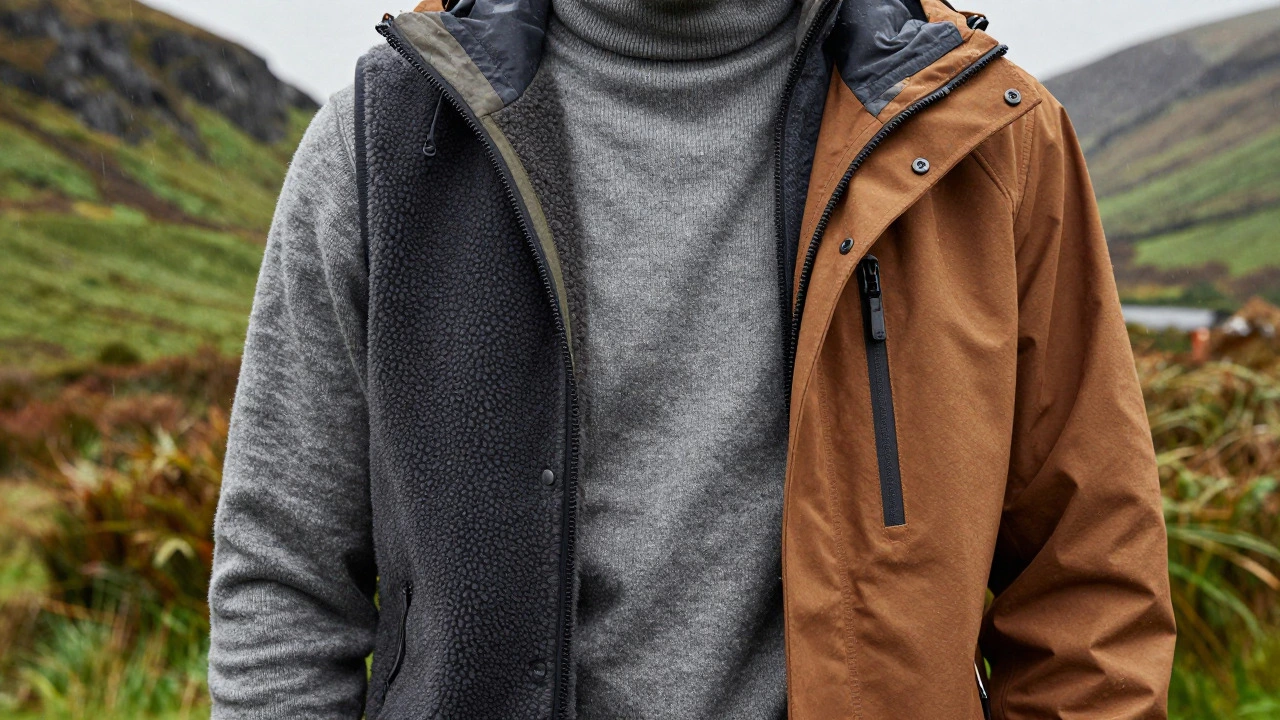
If there is one thing that defines activewear in Ireland, it’s the concept of layering. You cannot buy a single item and expect it to last you through a day that starts at 15°C and ends with a cold front rolling in off the Atlantic. Our activewear ecosystem is built around three layers:
- The Base Layer: This sits against your skin. It must wick moisture away. In winter, this is thermal merino wool or synthetic long-sleeve tops. Brands like Icebreaker or local favorites using Irish wool are popular here. Cotton is the enemy here-it stays wet and makes you cold.
- The Mid Layer: This provides insulation. Fleece jackets, light down vests, or thick knits fall into this category. For urban dwellers in Belfast or Dublin, a stylish fleece zip-up that looks good with jeans is essential.
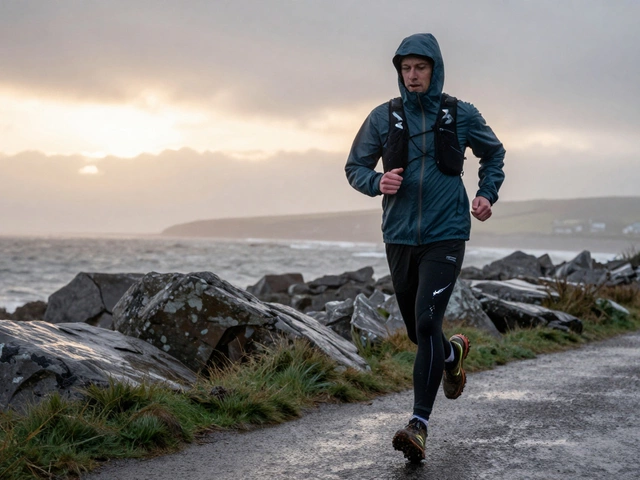
- The Outer Layer: This protects against wind and rain. This is where Irish activewear diverges most from global trends. A simple windbreaker won’t cut it during a spring shower in Mayo. You need a waterproof, breathable shell. Think Gore-Tex or similar proprietary membranes. Brands like Barbour, while traditionally associated with country pursuits, have influenced the aesthetic of rugged, weather-resistant outerwear that overlaps with outdoor activewear.
This layering system means that "activewear" in Ireland often includes items that aren’t technically sports gear but serve a functional purpose. A waterproof anorak paired with track pants is a standard outfit for a weekend hike in the Wicklow Mountains or a casual trip to the shops in Limerick.
Athleisure: The Blurring Lines
Let’s talk about the elephant in the room: why does everyone look like they’re going to CrossFit even when they’re just buying groceries? The rise of athleisure has changed what is considered acceptable activewear. Ten years ago, showing up to a pub in Dublin wearing Nike Dri-FIT shorts would have been frowned upon. Today, it’s completely normal.
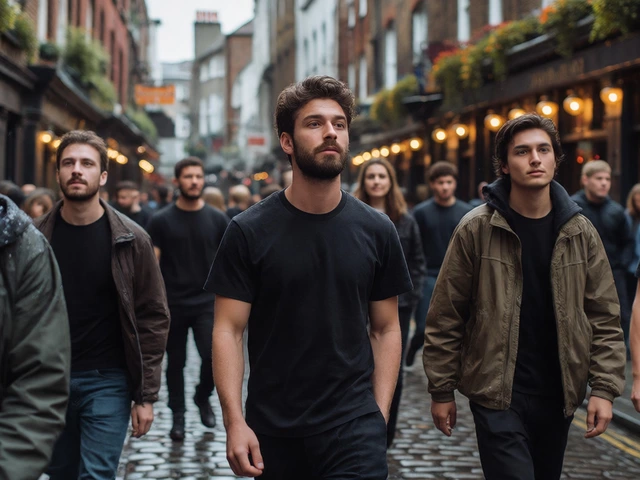
This shift is driven by two factors. First, the quality of casual fabrics has improved. Leggings now come in opaque, high-rise styles that flatter all body types and don’t show every crease. Second, the Irish lifestyle is increasingly informal. The strict dress codes of the past have relaxed, especially among younger generations. You’ll see students at Trinity College or UCC wearing branded hoodies and joggers as their primary uniform. This isn’t laziness; it’s a preference for comfort and functionality.
Key pieces in the Irish athleisure wardrobe include:
- Joggers: Tapered ankles, elastic waists, and durable fabric. They replace chinos or jeans for many men and women.
- Leggings: High-quality, squat-proof leggings are a staple for women. They are versatile enough for a Pilates class in Mornington or a dinner date in Temple Bar.
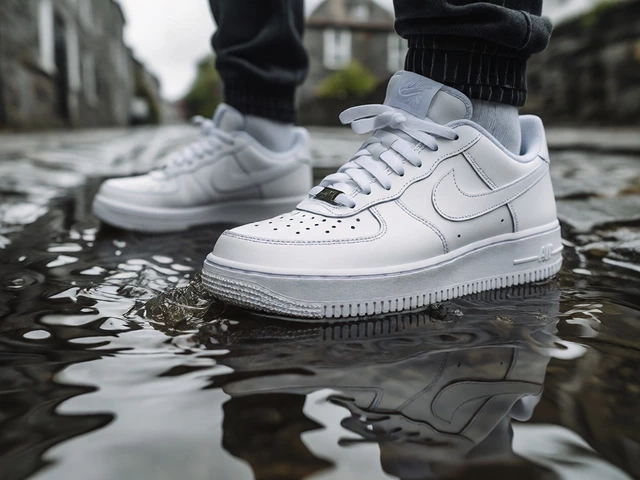
- Sneakers: Clean, white minimalist sneakers or rugged trail runners. Brands like Adidas, Nike, and New Balance dominate, but local brands like Rialto Shoes also offer athletic-inspired casual footwear.
- Tech Tees: T-shirts made from performance fabrics that resist odors and wrinkles. Perfect for the humid summers we occasionally get.
Local Context: Where to Buy and What Works
When shopping for activewear in Ireland, you have a mix of international giants and local specialists. Large retailers like Decathlon are incredibly popular because they offer affordable, functional gear that stands up to our weather. For higher-end performance, stores like JD Sports and Foot Locker are staples in every major mall, from the Luas stop in Dublin to the Nifty Fifty in Cork.
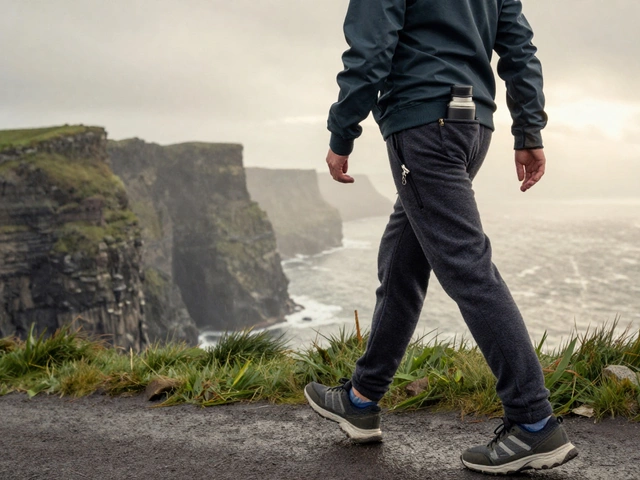
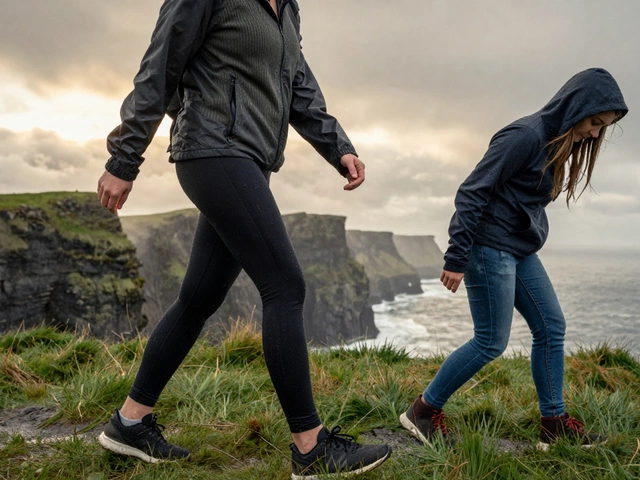
However, don’t overlook the value of specialized outdoor retailers. Shops like Craghoppers or local mountaineering outfitters in places like Killarney or Sligo carry gear that is technically activewear but designed for more extreme conditions. If you’re planning to hike the Cliffs of Moher or cycle the Wild Atlantic Way, generic gym wear won’t suffice. You need gear that offers protection against wind chill and UV exposure, which can be surprisingly strong in Ireland despite the clouds.
| Category | Primary Use | Ireland-Specific Consideration |
|---|---|---|
| Gym Wear | Weightlifting, Cardio, Classes | Must be easy to layer under a jacket for the commute home. |
| Outdoor Activewear | Hiking, Running, Cycling | Waterproofing and wind resistance are critical due to sudden showers. |
| Athleisure | Casual Daily Wear | Focus on aesthetics and durability; should look good in urban settings. |
| Thermal Base Layers | Winter Activities | Merino wool is preferred over synthetics for odor control during long days outdoors. |

Sustainability: The Green Shift
Irish consumers are becoming increasingly conscious of environmental impact. The fast fashion model is facing scrutiny, and this extends to activewear. Many people are looking for durable pieces that last longer rather than cheap items that pill after three washes. There is a growing interest in brands that use recycled materials or offer repair services.
Local initiatives and second-hand markets are booming. Apps like Vinted are widely used in Ireland to buy and sell gently used activewear. This not only saves money but reduces waste. When buying new, look for certifications like Bluesign or OEKO-TEX, which ensure that the chemicals used in production are safe for humans and the environment. Given our love for the outdoors, it makes sense to choose gear that doesn’t harm the landscapes we enjoy.
Practical Tips for Building an Irish Activewear Wardrobe
If you’re starting from scratch or updating your collection, here are some practical tips tailored to life in Ireland:
- Prioritize Waterproof Outerwear: Invest in one high-quality waterproof jacket. It will be the most used item in your wardrobe from October to April.
- Choose Dark Colors for Durability: While bright colors are great for visibility when running near traffic, dark greys, blacks, and navys hide dirt and mud better, which is useful if you’re walking dogs in parks or hiking on trails.
- Layer Smartly: Avoid bulky items that restrict movement. Instead, opt for thin, warm layers that you can add or remove easily as temperatures fluctuate throughout the day.
- Check the Fabric Content: Look for elastane or spandex for stretch, and polyester or nylon for moisture management. Avoid pure cotton for anything involving sweat or rain.
- Consider Local Conditions: If you live in a coastal area like Galway or Kerry, windproofing is more important than in inland areas like Tipperary. Adjust your gear accordingly.
Understanding what is considered activewear in Ireland requires looking beyond the gym bag. It’s about adapting to a dynamic environment where comfort, functionality, and style intersect. Whether you’re tackling a marathon in Dublin City Centre or just braving the rain to get to work, the right activewear can make all the difference. It’s not just about looking good; it’s about feeling prepared for whatever the day throws at you.
Can I wear jeans as activewear?
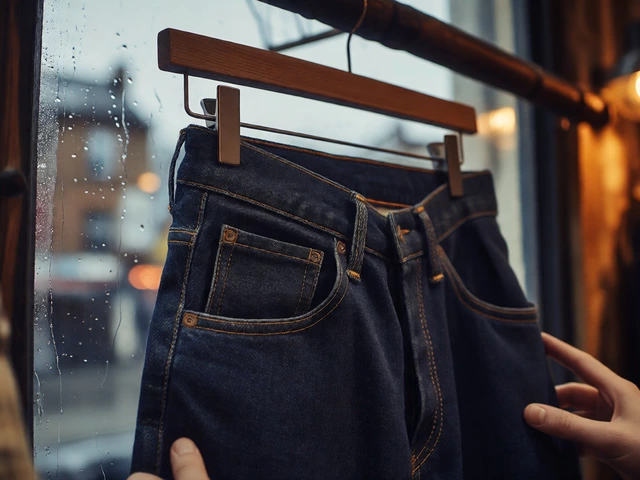
Generally, no. Traditional denim lacks the stretch and breathability required for physical activity. However, some modern jeans contain elastane and are marketed as "active denim," offering more flexibility. For serious exercise, stick to dedicated activewear fabrics. For light activities like walking, stretchy jeans can be a comfortable compromise in Ireland's cooler months.
What is the best brand for activewear in Ireland?
There is no single "best" brand as it depends on your budget and activity. For affordability and functionality, Decathlon is highly rated. For premium performance and style, Nike, Adidas, and Lululemon are popular choices. For outdoor-specific gear, brands like Patagonia and local Irish wool producers offer excellent quality for hiking and cold-weather activities.
How do I care for my activewear to make it last?
Wash activewear in cold water to preserve elasticity and prevent shrinking. Avoid fabric softeners, as they can clog the pores of moisture-wicking fabrics, reducing their effectiveness. Turn garments inside out before washing to protect prints and logos. Air drying is preferable to tumble drying, which can damage synthetic fibers over time.
Is activewear appropriate for office wear in Ireland?
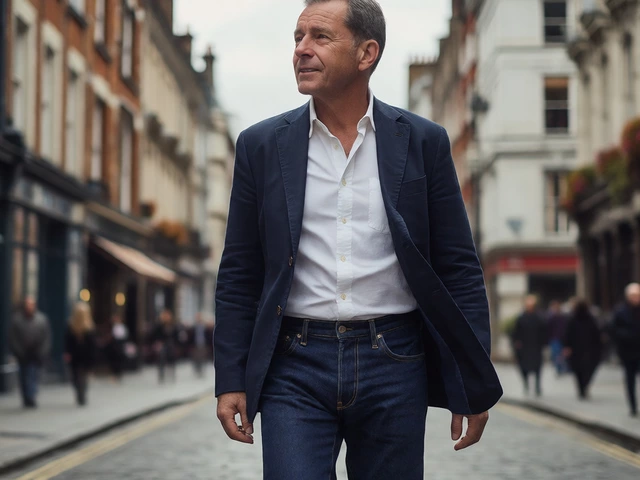
It depends on your workplace culture. In creative industries, startups, and tech companies in hubs like Dublin's Docklands, smart athleisure (such as tailored joggers and clean sneakers) is often acceptable. In traditional corporate environments, banks, or law firms, stick to formal business attire. Always check your company's dress code policy.
What should I avoid when buying activewear for Ireland?
Avoid purely cotton garments for outdoor activities, as they retain moisture and lead to hypothermia in cold, wet conditions. Also, steer clear of overly thin fabrics that offer no insulation or wind protection. Finally, avoid buying gear that fits too tightly if you plan to layer underneath, as this restricts movement and comfort.