20
What Counts as Sportswear in Ireland?
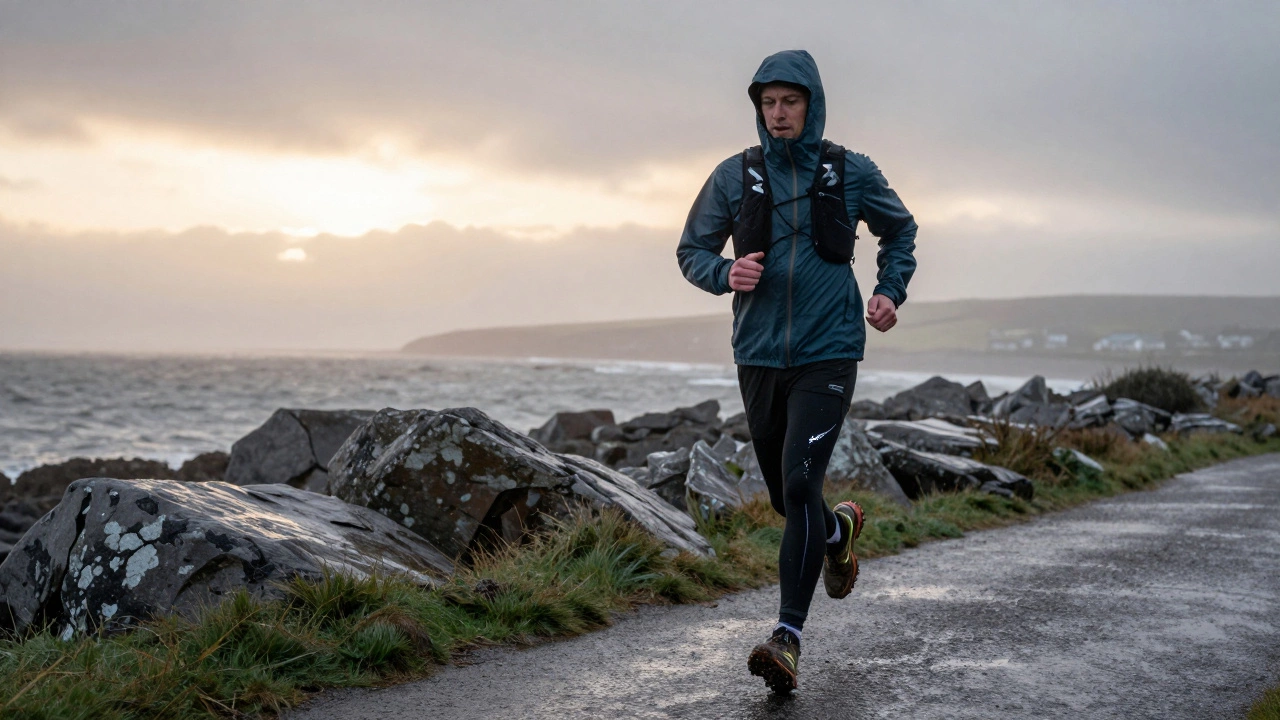
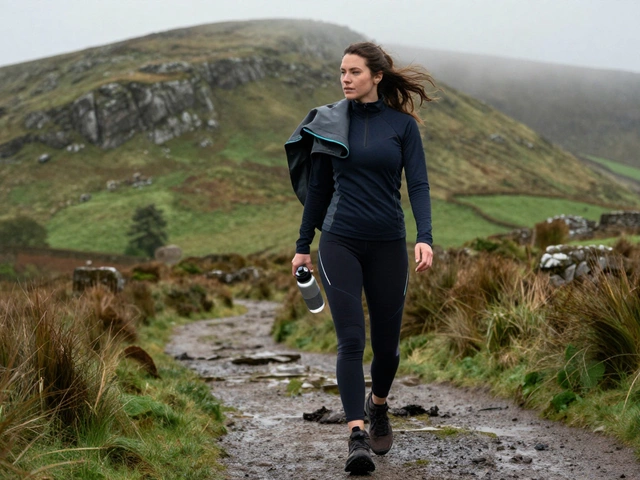
In Ireland, sportswear isn’t just about looking fit-it’s about surviving the weather, moving through muddy fields, and fitting into a culture where exercise is often tied to community, not just aesthetics. You won’t find many people here wearing shiny, tight-fitting leggings to a Sunday morning run in Galway if it’s drizzling and the wind’s coming off the Atlantic. What counts as sportswear in Ireland? It’s practical, layered, and tough enough to handle rain, wind, and the occasional boggy trail between hurling pitches and coastal cliffs.
It’s Not Just the Gym
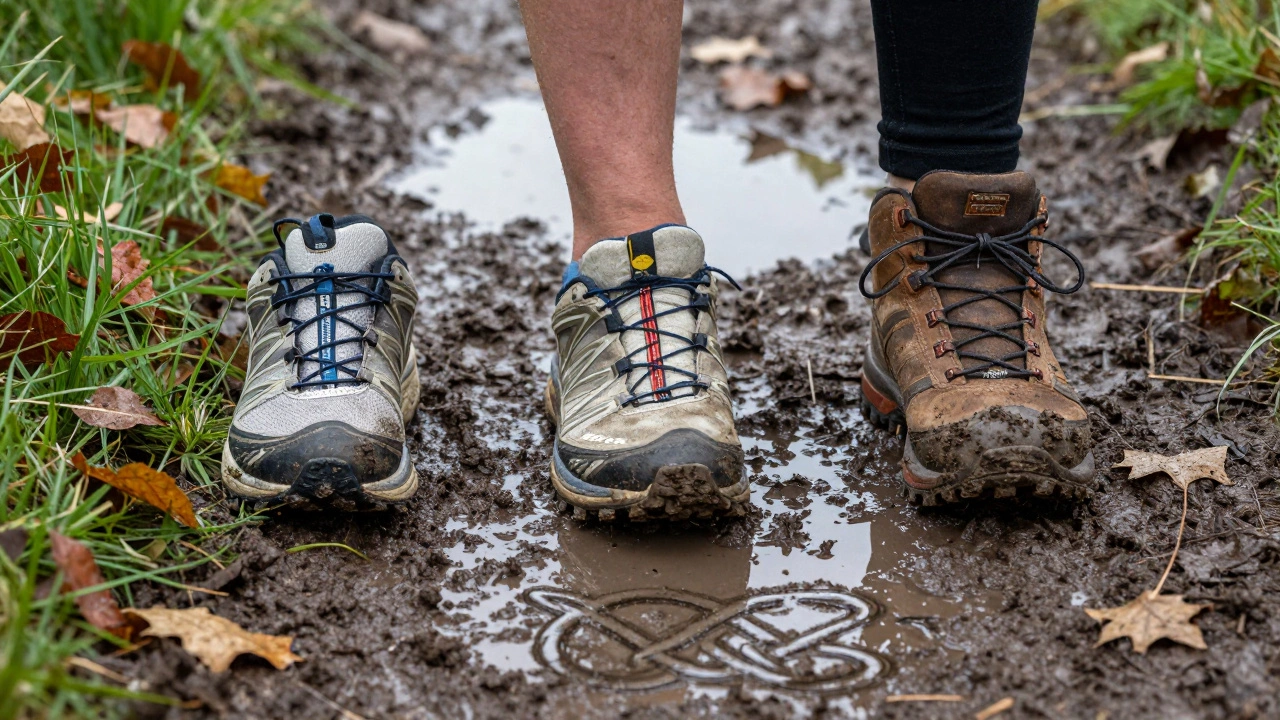
In Ireland, sportswear doesn’t start and end with a treadmill or a spin class. The line between everyday wear and athletic gear is blurred because so much physical activity happens outdoors. A pair of waterproof trail runners from Merrell or Salomon might be worn to walk the Cliffs of Moher, jog along the River Lee in Cork, or hike the Wicklow Way. A fleece from Patagonia or Decathlon (which has stores in Dublin, Limerick, and Belfast) doubles as a post-training layer on a chilly evening in Sligo. Even a simple hoodie from Adidas or Nike is often worn over a moisture-wicking base layer-not because it’s trendy, but because it keeps you warm when the temperature drops after a 6 a.m. swim at Dollymount Strand.Weather Rules Everything
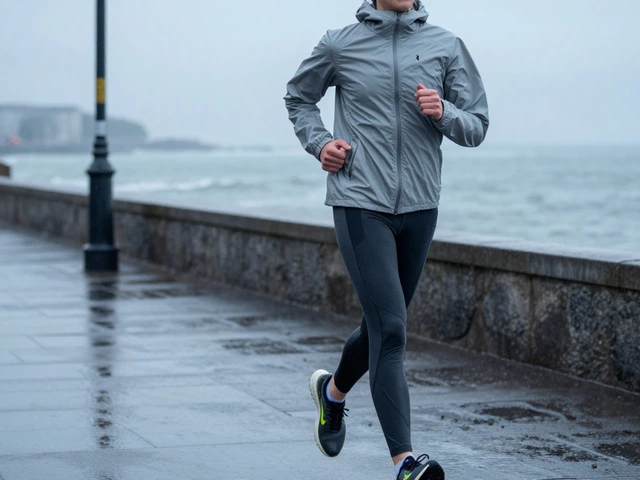
You can’t talk about sportswear in Ireland without talking about rain. The average annual rainfall in Galway is over 1,100mm. That’s more than double what you’d find in London. So when someone says they’re going for a run, they’re not just lacing up-they’re preparing for a soaking. True Irish sportswear includes:- Water-resistant jackets with sealed seams, like those from Craghoppers or Regatta
- Quick-dry fabrics that don’t turn into heavy sponges when wet
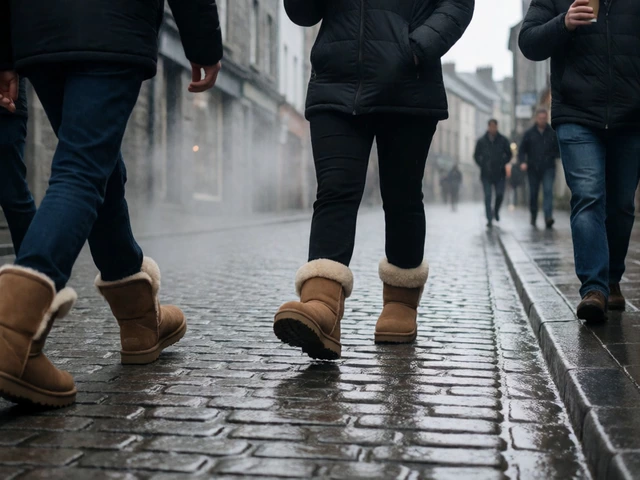
- Non-slip soles that grip wet cobblestones and muddy trails
- Reflective strips-because dusk comes early, and roads are often poorly lit
Local Brands and Irish-Made Gear
There’s a quiet rise in homegrown sportswear brands that understand what Irish bodies and Irish weather demand. Claddagh Running, based in Galway, makes lightweight, breathable running vests with subtle Celtic knot detailing-not for show, but because locals appreciate the nod to heritage. Sligo Active designs moisture-wicking base layers with flatlock seams to prevent chafing during long coastal walks. And Donegal Tweed Co. has started blending traditional wool with modern performance fibers for cold-weather jackets that look like they belong on a Connemara pony, but function like a technical shell. These aren’t just niche labels. They’re filling gaps left by international brands that assume all climates are like California or Berlin. In Ireland, you need gear that works after a 10-kilometer run in a downpour, not just during a sunny 5K on a treadmill.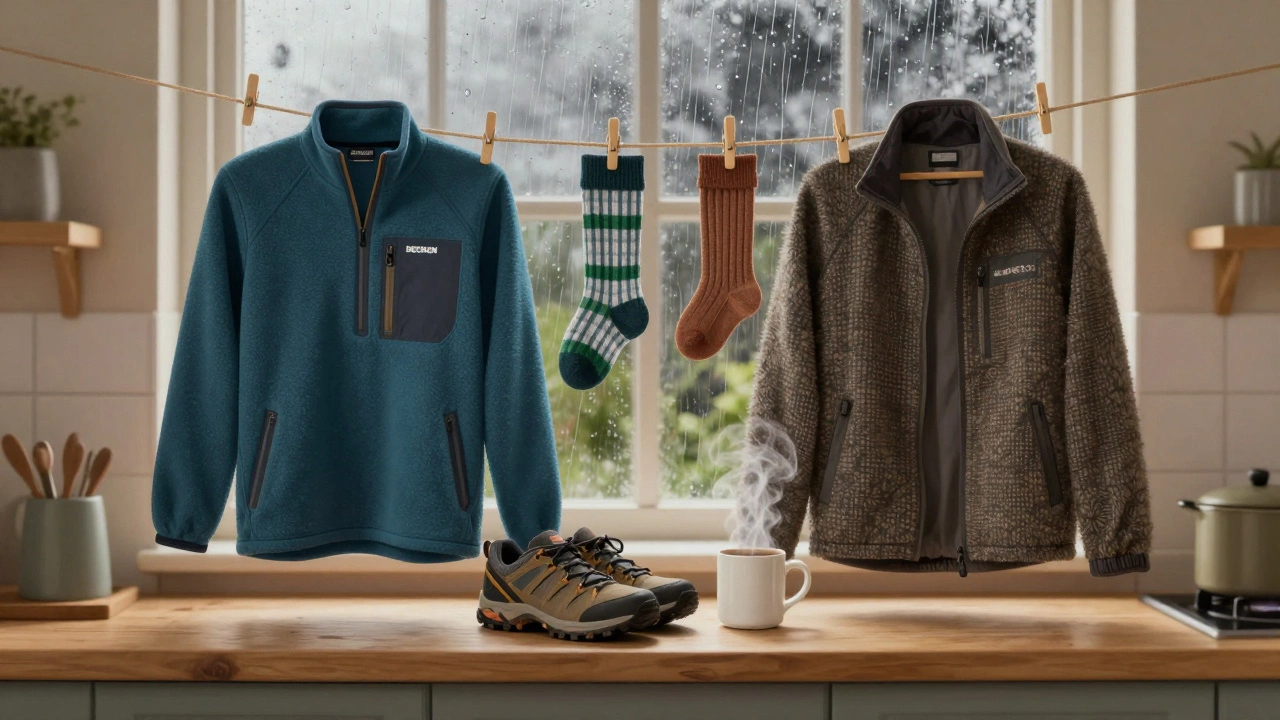
What Doesn’t Count as Sportswear Here
Just because something is labeled “athletic” doesn’t mean it belongs in the Irish outdoors. You won’t see many people wearing:- Thin, non-waterproof leggings on a rainy Tuesday in Letterkenny
- Mesh tops without a layer underneath in winter
- High-heeled sneakers or fashion-forward running shoes with no grip
- Garments that can’t be machine-washed at 30°C and dried indoors
It’s About Function, Not Flash
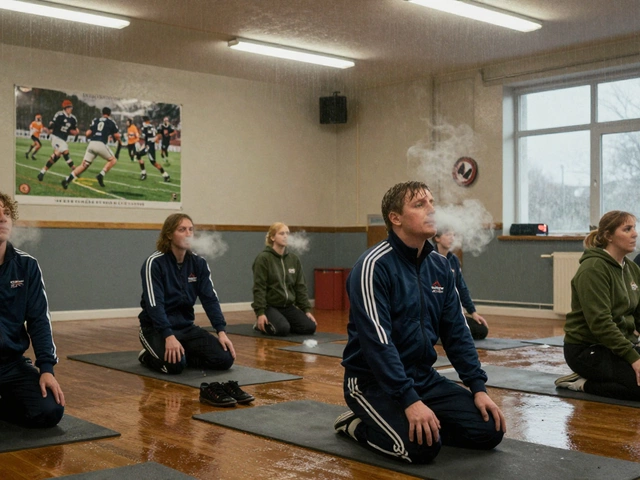
In Ireland, sportswear is judged by how well it holds up-not how it looks on Instagram. You’ll see farmers in their 60s wearing compression socks under wellies after a morning on the land. Teenagers in Derry wear hoodies with built-in headphone hoods to walk to Gaelic football training. Grandparents in Waterford wear supportive walking shoes with cushioned soles to get to the local swimming pool. There’s no pressure to look like a fitness influencer. What matters is whether your gear keeps you dry, warm, and moving. The most respected person in a local running club isn’t the one with the most branded gear-they’re the one who shows up every week, rain or shine, in the same pair of second-hand trail shoes from a charity shop.Where to Buy in Ireland
You don’t need to order from overseas to get good sportswear here. Local options include:- Decathlon (Dublin, Cork, Limerick, Belfast) - affordable, tested gear with a 2-year warranty
- Mountain Equipment (Dublin) - high-performance outerwear for serious outdoor activity
- Outdoor Ireland (Killarney, Galway) - local expertise, gear tested on Irish terrain
- Charity shops - many sell donated running gear in excellent condition for under €10
- Local sports clubs - often have second-hand gear sales at the end of the season
Seasonal Shifts in Irish Sportswear
What you wear in March is different from what you wear in July. In winter, layering is key: moisture-wicking base, insulating mid-layer, waterproof shell. In summer, you still need a light windbreaker-the weather changes faster than a Galway pub queue. Many Irish runners keep two pairs of shoes: one for dry trails, one for wet roads. And everyone owns at least one pair of thermal socks. Even in peak summer, you’ll see people wearing long sleeves on early morning runs. Not because they’re trying to be trendy, but because the UV index here is deceptively high, even on cloudy days. Sun protection isn’t optional-it’s survival.What Counts? The Irish Rule
So what counts as sportswear in Ireland? It’s anything that lets you move comfortably through rain, wind, and uneven ground without getting sick, cold, or injured. It’s not about logos. It’s about function. It’s about being ready for the next storm, the next hill, the next muddy field. If your gear can handle a run from Dún Laoghaire to Sandymount in a downpour, or a hike up Croagh Patrick in April, then it qualifies. If it’s still in one piece after six months of Irish weather? You’ve found real sportswear.Can I wear regular leggings as sportswear in Ireland?
Only if they’re made from moisture-wicking, quick-dry fabric and you’re wearing them under waterproof pants or a long tunic. Regular cotton leggings will soak up rain, become heavy, and leave you cold. In Ireland, you need technical fabric-not fashion fabric.
Is it okay to wear running shoes for walking?
Absolutely. In fact, most Irish walkers wear running shoes because they offer better cushioning and grip on wet trails than traditional hiking boots. Brands like Salomon and Merrell are popular for this exact reason-they’re designed for mixed terrain, which is what you get everywhere in Ireland.
Do I need to buy expensive gear to be active in Ireland?
No. Many people use gear bought second-hand from charity shops, online marketplaces like DoneDeal, or local sports club sales. A €15 waterproof jacket from a Galway thrift store can outperform a €100 one from a big brand if it’s in good condition. Function matters more than price.
What’s the best brand for Irish winters?
Craghoppers and Regatta are the top choices for Irish winters because they offer waterproof, windproof, and breathable layers at reasonable prices. Patagonia is respected for durability, but it’s pricier. For base layers, Decathlon’s Kalenji line is excellent and widely available.
Why do Irish runners wear hoodies in summer?
Because mornings and evenings are still cool, even in July. A lightweight hoodie blocks wind off the sea and protects against UV rays without overheating. Many are made from UPF 50+ fabric. It’s not about fashion-it’s about staying safe and comfortable during long runs.
Final Thought: It’s Not About the Gear, It’s About Showing Up
In Ireland, sportswear doesn’t define you. Your consistency does. Whether you’re jogging around Phoenix Park in Dublin, walking the Burren path in Clare, or cycling the Wild Atlantic Way, what matters is that you’re out there-rain, wind, or shine. The right gear just makes sure you keep showing up.