16
Why Do Brits Call Sneakers Trainers? The Irish Perspective on Footwear Slang
Trainers or Sneakers? Regional Footwear Guide
Choose where you are or who you are speaking with.
Recommended Term
Have you ever walked into a shop in Dublin or Galway and asked for "sneakers," only to get a blank stare from the clerk? Or perhaps you’ve heard someone in London refer to their running shoes as "trainers" and wondered why we don’t just stick with one word? It’s a small linguistic quirk, but it highlights a bigger story about how language evolves differently across the Atlantic. In Ireland, we often find ourselves caught between American influence and our historical ties to Britain, making this particular debate especially relevant.
The short answer is that "trainers" comes from "training shoes," reflecting their original purpose for athletic activity. But the real reason involves history, culture, and the way words travel. Let’s unpack why this happens, where the terms come from, and what it means for us here in Ireland.
The Origin of "Trainers"
To understand why trainers are called shoes designed for physical training or exercise, we need to look back at the early 20th century. The term "trainer" is simply a shortened form of "training shoe." These shoes were specifically created for athletes who needed support during workouts, runs, or gym sessions. They weren’t meant for fashion-they were functional gear.
In the UK and Ireland, the word stuck because it described exactly what the shoe was used for. If you went to the local sports center in Cork or joined a jogging group in Belfast, you’d wear your trainers. The name made sense. Over time, even though people started wearing them casually, the original name never really changed.
| Term | Origin | Primary Region | Original Purpose |
|---|---|---|---|
| Sneakers | US (early 1900s) | North America | Quiet rubber soles for indoor courts |
| Trainers | UK/Ireland (mid-1900s) | Britain & Ireland | Athletic training and exercise |
Why "Sneakers" Took Off in America
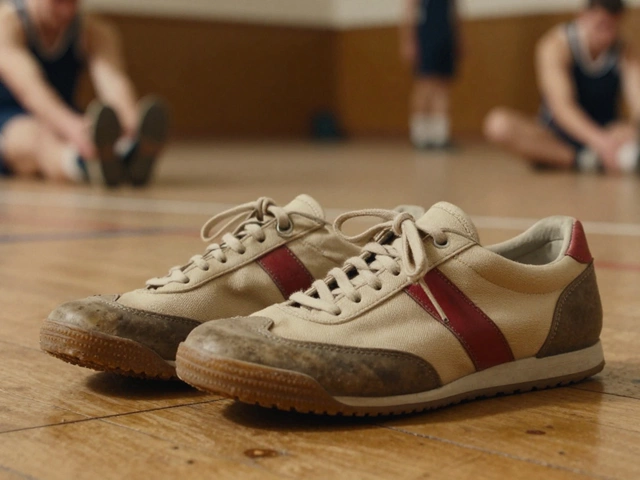
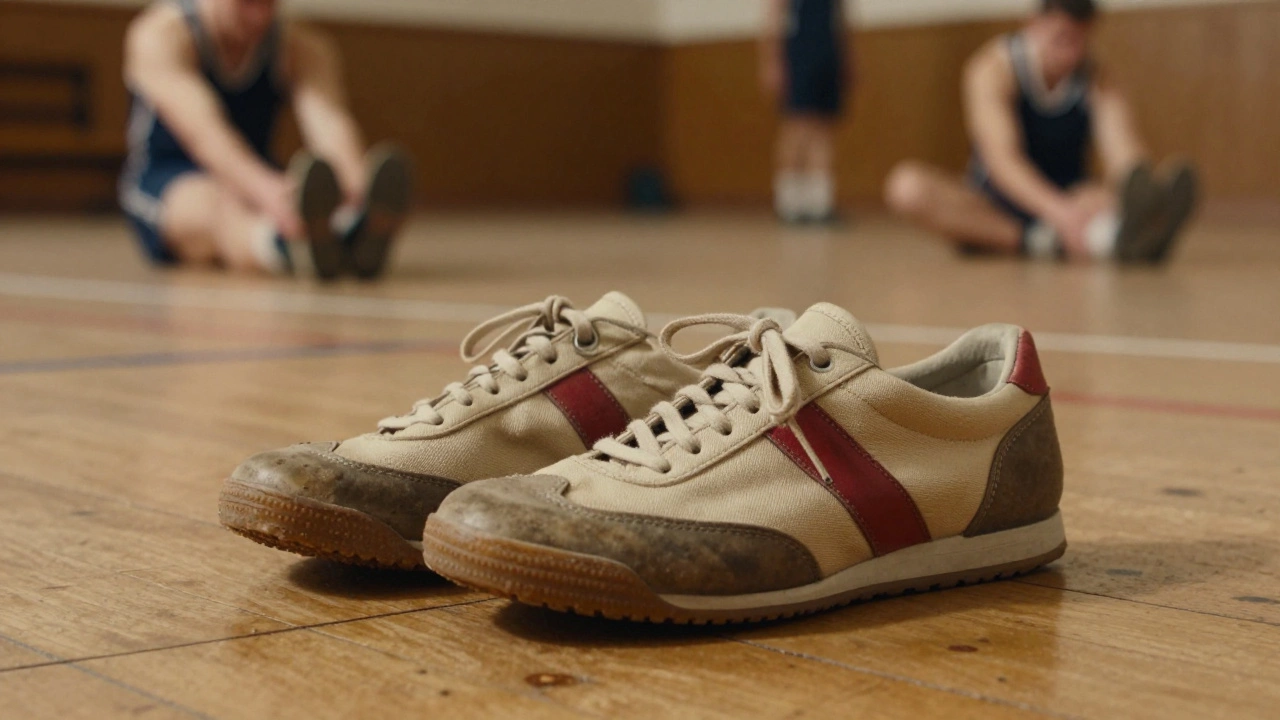
Across the Atlantic, things played out differently. In the US, the term "sneakers" emerged because these shoes had soft rubber soles that allowed you to walk quietly-almost like sneaking around. Imagine playing basketball on an indoor court; you didn’t want loud squeaks or clacks. You wanted quiet movement. Hence, "sneakers." This naming convention took hold in American culture and spread through movies, music, and later, global marketing campaigns. Today, if you watch any Hollywood film set in New York or Los Angeles, characters will almost always say "sneakers." For many Americans, there’s no other word.
But here’s the thing: language isn’t static. Words shift based on context, geography, and exposure. And when it comes to Ireland, our position between two powerful linguistic forces makes us interesting observers.
Ireland’s Unique Position Between Two Worlds
If you live in Ireland, you’re likely familiar with both terms. Growing up, I remember hearing my parents use "trainers" all the time. It felt natural. Then came the internet, social media, and endless streams of American TV shows. Suddenly, everyone was talking about "sneakers." Brands like Nike and Adidas marketed heavily using the American term, which confused younger generations.
Today, most Irish people under 30 probably know both words. Older folks might still prefer "trainers," while younger ones mix them depending on who they’re talking to. This blend reflects broader trends in Irish English-a language shaped by centuries of contact with Britain and increasingly influenced by the US.
Think about it: when you buy clothes online from ASOS or Amazon, do you search for "trainers" or "sneakers"? Chances are, you’ve tried both. That flexibility is part of being Irish in a connected world.
Cultural Identity and Language Choice
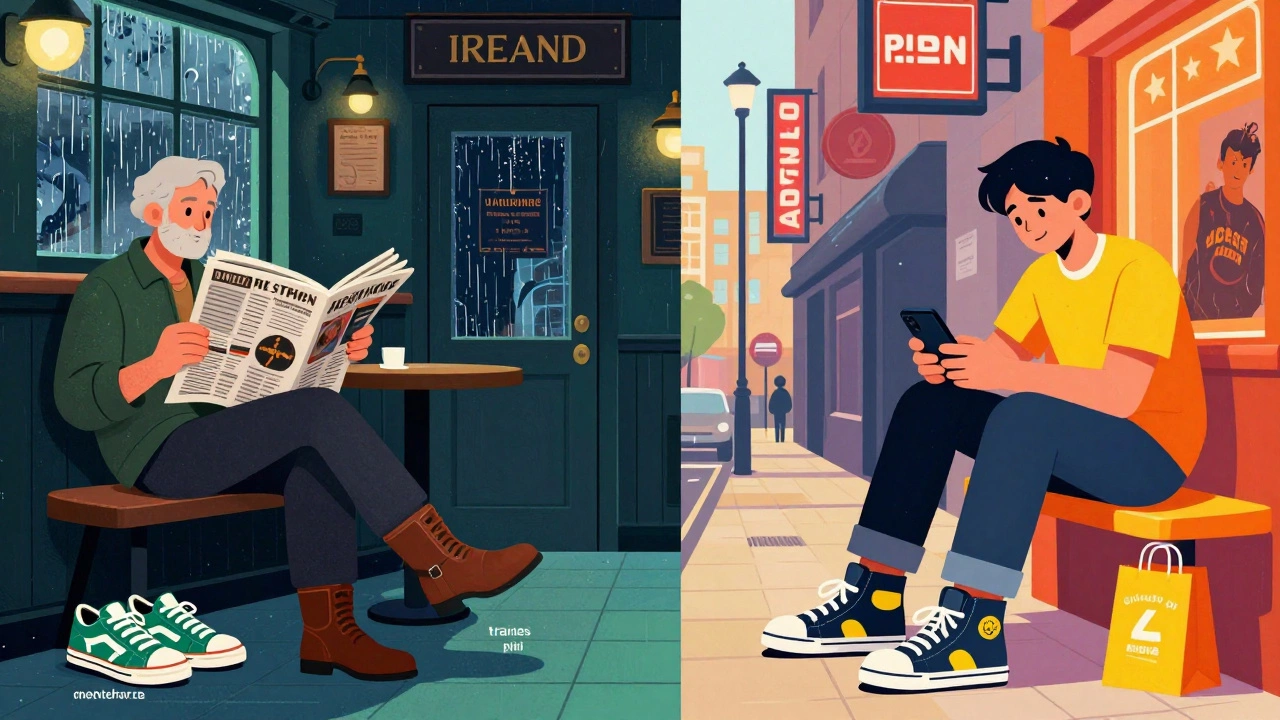
Language choices aren’t just about convenience-they reflect identity. When someone says "trainers," they’re signaling alignment with British usage. Saying "sneakers" can feel more cosmopolitan or aligned with global pop culture. Neither is wrong, but each carries subtle meanings.
In places like Galway City, where tourism plays such a big role, locals adapt quickly. A shop owner near Salthill Promenade might switch between terms depending on whether they’re speaking to a tourist from Boston or a visitor from Manchester. This adaptability is practical-and very Irish.
At the same time, some purists argue that clinging to "trainers" preserves a piece of shared heritage with Britain. Others see adopting "sneakers" as embracing modernity. Both views have merit, and neither side has much ground to stand on linguistically.
How Other Countries Handle the Debate
You’re not alone in this confusion. Around the world, different regions have their own preferred terms:
- Australia: Like the UK, Australians call them "trainers."
- New Zealand: Also uses "trainers."
- Canada: Mostly follows the US model with "sneakers," though older Canadians may recall "tennis shoes."
- India: Uses "sports shoes" or "running shoes" depending on context.
This variety shows that language doesn’t follow neat borders. Instead, it adapts to local habits, trade routes, and cultural exchanges.
What Should You Say?
So, what should you say when buying new kicks in Ireland? Honestly, it depends on who you’re talking to. If you’re chatting with friends in Limerick or shopping in Temple Bar, "trainers" will sound perfectly normal. If you’re messaging someone in San Francisco or scrolling through Instagram, "sneakers" might fit better.
Here’s a quick guide:
- Use "trainers" when speaking with family, older relatives, or anyone from the UK.
- Use "sneakers" when discussing brands, fashion trends, or interacting with international audiences.
- Mix freely-you’ll rarely be misunderstood.
Remember, language lives and breathes. It changes as we change. Whether you choose "trainers" or "sneakers," what matters most is clarity and connection.
Final Thoughts on Footwear Terminology
The next time you lace up your favorite pair of footwear, take a moment to think about the word you use. Are you honoring tradition? Embracing global culture? Or just trying to sound cool? All of those reasons make sense. After all, language is less about rules and more about meaning. And in Ireland, we’ve always been good at finding our own way.
Are "trainers" and "sneakers" exactly the same thing?
Yes, they refer to the same type of casual athletic footwear. The difference lies purely in regional terminology-"trainers" is common in the UK and Ireland, while "sneakers" dominates in the US.
Do Irish people mostly say "trainers" or "sneakers"?
Most Irish people traditionally say "trainers," especially older generations. Younger people often use both interchangeably due to exposure to American media and branding.
Why did the US start calling them "sneakers"?
The term "sneakers" originated because the rubber soles allowed users to move quietly, almost like sneaking. This feature was particularly valued in indoor sports settings.
Is it incorrect to use "sneakers" in Ireland?
Not at all. While "trainers" is more traditional, "sneakers" is widely understood and accepted, especially among younger demographics and in urban areas.
Which term is more commonly used in advertising?
Global brands tend to use "sneakers" in international campaigns due to its dominance in the US market. However, localized ads in the UK and Ireland often retain "trainers" for familiarity.