1
How Long Do Leather Shoes Last in Ireland? A Realistic Guide to Lifespan and Care
Leather Shoe Lifespan Calculator for Ireland
Configure Your Shoes
Quick Reference
Irish climate challenges include constant dampness, road salt in winter, and high humidity that can accelerate wear if not properly managed.
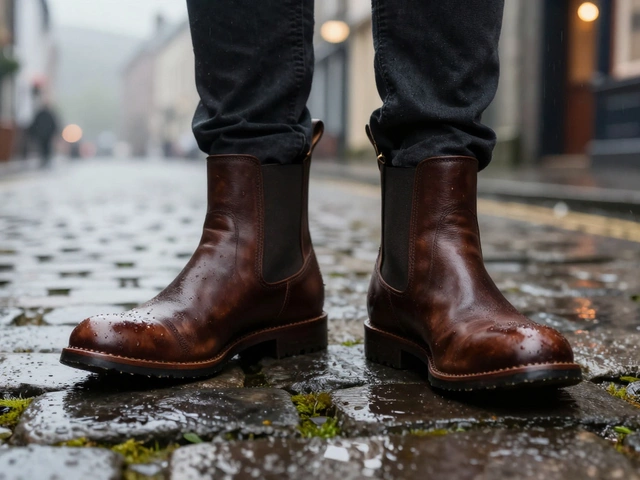
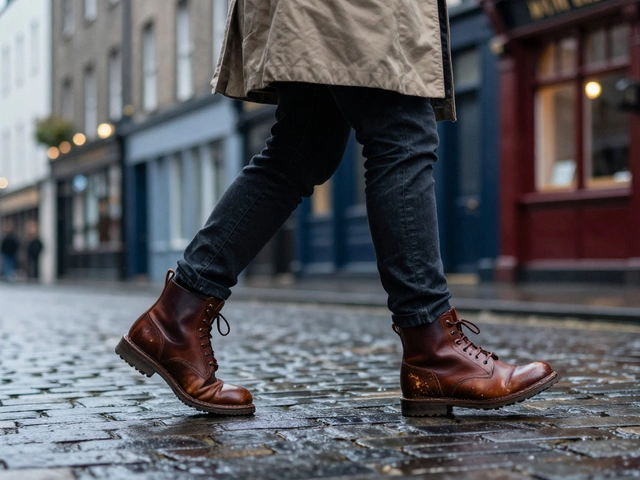
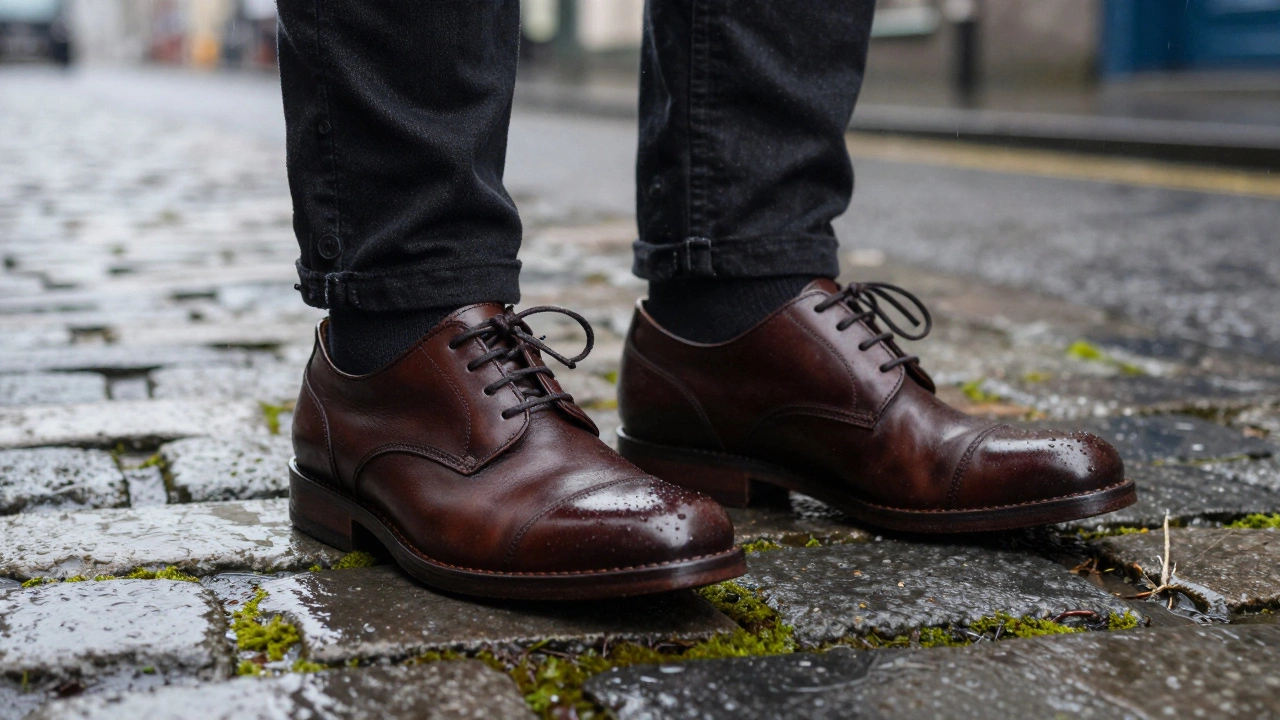
Walking the cobbled streets of Galway or navigating the rainy trails of Connemara puts a lot of pressure on your feet. If you are wondering how many years does leather shoes last, the answer isn't just about the material-it is about how you treat them against our specific climate. In Ireland, where rain seems to fall from every direction, a pair of quality leather shoes can easily last between five and ten years if cared for properly. However, neglecting them during our wet winters can cut that lifespan down to a mere eighteen months.
I have spent years watching people ruin good footwear by treating it like plastic trainers. You might think that because you bought an expensive pair from a high-end shop in Dublin’s Grafton Street or a traditional store in Cork, they will survive on their own. They won’t. The longevity of your shoes depends heavily on construction quality, the type of leather used, and, most importantly, your daily maintenance routine. Let’s look at what actually determines whether your shoes survive a decade or die in a drawer.
The Construction: Goodyear Welt vs. Cemented Soles
The biggest factor in how long your shoes last is not the brand logo, but the method used to attach the sole to the upper part of the shoe. When you are shopping for durable footwear in Ireland, you need to understand two main construction types: Goodyear welting and cemented soles.
| Construction Type | Lifespan Expectancy | Repairability | Water Resistance |
|---|---|---|---|
| Goodyear Welted | 10-20+ years | Highly repairable (resoleable) | Better (if treated) |
| Cemented (Glued) | 1-3 years | Not repairable | Poor |
| Blake Stitched | 5-8 years | Moderately repairable | Moderate |
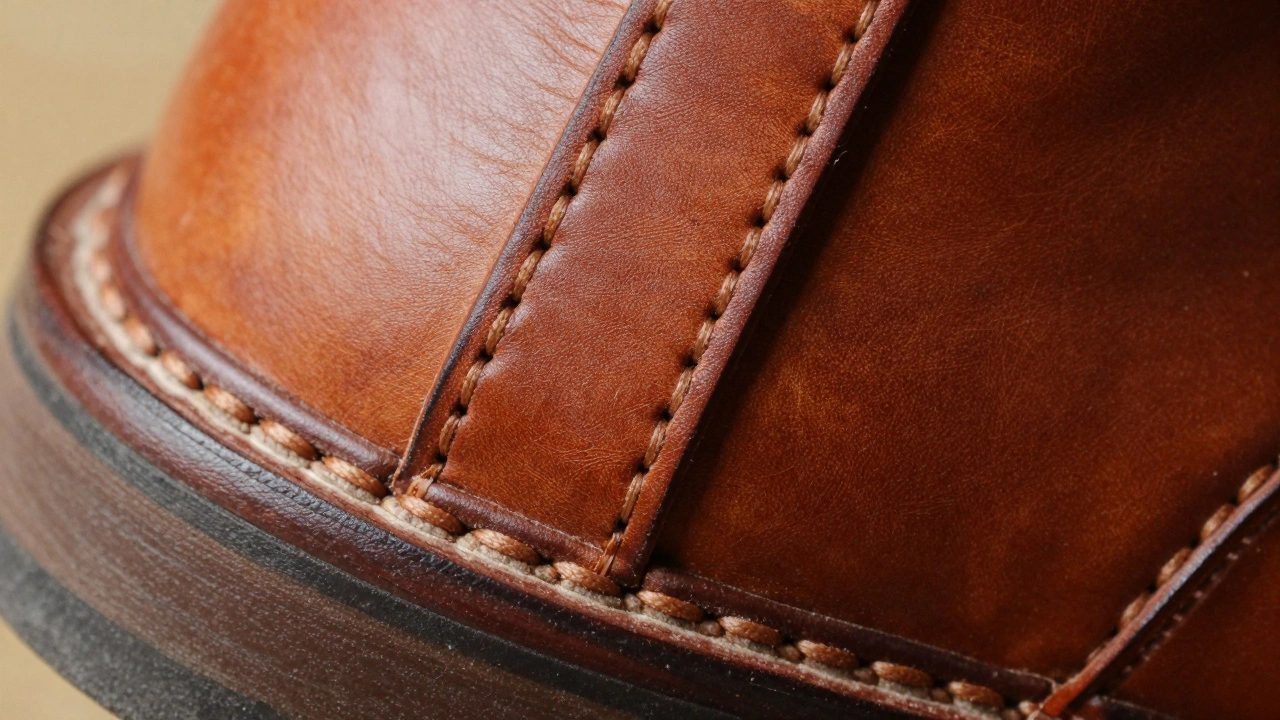
Goodyear welted shoes are stitched together with a strip of leather called a welt. This allows a cobbler to remove the worn-out sole and replace it without damaging the upper part of the shoe. Brands like Allen Edmonds or local Irish makers often use this technique. These shoes can be resoled multiple times, effectively making them last a lifetime. On the other hand, most fast-fashion shoes sold in large department stores are cemented. Once the glue fails-which happens quickly when exposed to Irish dampness-the shoe is trash. You cannot fix a glued sole economically.
The Impact of the Irish Climate on Leather
Living in Ireland means dealing with a unique set of challenges for your footwear. Our weather is not just "wet"; it is consistently damp, with high humidity levels even when it isn’t actively raining. This constant moisture affects leather in ways that dry climates do not.
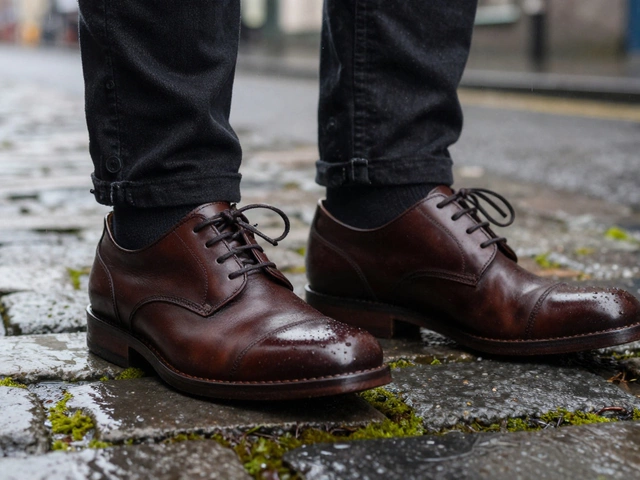
Leather is porous. It breathes. When you walk through puddles in Dublin or stand in the mist on the Cliffs of Moher, your shoes absorb water. If you then leave them to dry near a radiator or a fire, the heat strips the natural oils from the leather. This causes cracking, stiffening, and eventual structural failure. I have seen countless pairs ruined this way. The key is air drying at room temperature, away from direct heat sources.
Salt is another enemy. During winter, we spread grit on roads and pavements. Salt residue draws moisture out of leather, leading to white stains and dried-out cracks. If you live in areas like Galway or Cork where salt is used frequently, you must wipe your shoes down after every outdoor exposure.
Daily Maintenance: The Secret to Longevity
You don’t need to spend hours polishing your shoes every day, but you do need a consistent routine. Here is a simple checklist to keep your leather shoes in prime condition:
- Rotate Your Shoes: Never wear the same pair two days in a row. Leather needs 24 hours to dry out and regain its shape. If you only own one pair of formal shoes, they will warp and retain moisture, leading to odor and breakdown.
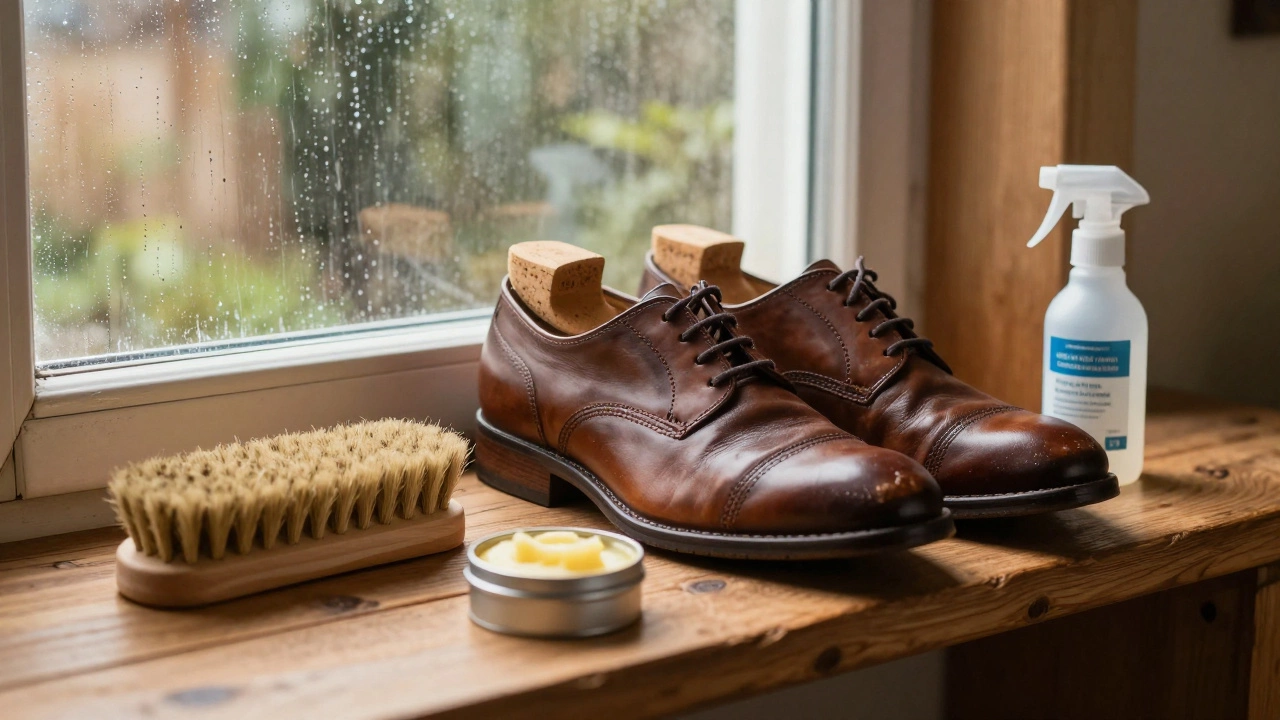
- Use Shoe Trees: Invest in cedar shoe trees. They absorb moisture from the inside, prevent creases from forming deep into the leather, and help maintain the shoe’s structure. Cedar also has natural antibacterial properties, which helps control smell.
- Brush Regularly: Use a soft horsehair brush to remove dust and dirt after each wear. Dirt acts like sandpaper, grinding into the leather and causing premature wear.
- Condition Every Month: Apply a leather conditioner (like beeswax-based products) once a month. This replenishes the oils lost to wear and weather. For Irish winters, consider a heavier wax polish for extra water resistance.
- Protect Against Water: Use a waterproofing spray designed for leather before the first signs of autumn. Reapply this every few weeks during the rainy season.
When to Visit a Cobbler
In Ireland, we still have skilled tradespeople who can extend the life of your shoes significantly. Finding a good cobbler is essential. Look for independent shops rather than chain stores. In cities like Belfast, Limerick, or Kilkenny, there are family-run businesses that have been serving locals for decades.
A professional cobbler can perform several critical services:
- Resoling: Replacing worn-out soles with new leather or rubber ones. This is the single most important step in extending shoe life.
- Heel Replacement: Worn heels change the angle of your foot, causing discomfort and uneven wear on the rest of the shoe.
- Leather Repair: Fixing small tears or scuffs that could worsen over time.
- Deep Cleaning and Polishing: Restoring the shine and protective layer of the leather.
If your shoes are Goodyear welted, taking them to a cobbler every six to twelve months is a wise investment. It costs less than buying new shoes and ensures you get the most value from your purchase.
Choosing the Right Leather for Ireland
Not all leather is created equal. Some types handle our climate better than others. Here is what to look for:
- Full-Grain Leather: This is the highest quality leather, retaining the natural grain. It is durable, develops a nice patina over time, and ages gracefully. It requires regular conditioning but offers the best protection against wear.
- Suede and Nubuck: While stylish, these are problematic for Ireland unless treated heavily with waterproofing sprays. They absorb water quickly and are difficult to clean once stained. Avoid wearing suede in heavy rain.
- Patent Leather: Shiny and water-resistant, but prone to cracking if not stored properly. It doesn’t breathe well, which can lead to sweat buildup and odor.
- Vegetable-Tanned Leather: Often used in high-quality boots and shoes. It is firm, durable, and molds to your foot over time. It handles moisture better than chrome-tanned leather.
For everyday wear in Ireland, full-grain leather with a robust sole is your best bet. Brands like Clarks (an Irish-founded brand) offer excellent options that balance comfort, durability, and style suitable for our terrain.
Signs Your Shoes Are Past Their Prime
Even with the best care, shoes eventually reach the end of their useful life. Knowing when to retire them prevents injury and discomfort. Look for these warning signs:
- Collapsed Structure: If the shoe no longer holds its shape, even after using shoe trees, the internal support is gone.
- Deep Cracks in the Upper: Small surface scratches are normal, but deep cracks that expose the inner lining indicate the leather is breaking down.
- Worn-Out Insoles: If the cushioning inside is flattened and you feel pain in your arches or knees, it’s time to replace the insole or the shoe.
- Irreparable Sole Damage: If the sole is separated from the upper and cannot be reattached securely, the shoe is unsafe to wear.
Don’t try to push through discomfort. Wearing broken-down shoes can lead to posture issues and joint pain. When in doubt, consult your cobbler. They can tell you if a repair is worth the cost.
Frequently Asked Questions
How often should I resole my leather shoes?
You should consider resoling your leather shoes every 1-2 years, depending on how frequently you wear them. If you wear them daily, check the soles every six months. Resoling before the midsole is damaged ensures the best result and extends the overall life of the shoe.
Can I wear leather shoes in the rain in Ireland?
Yes, but with caution. Treat your leather shoes with a waterproofing spray before the rainy season starts. Avoid walking through deep puddles. After getting wet, let them dry naturally at room temperature-never near a heater. Condition them once dry to restore oils.
Why do my leather shoes crack in winter?
Cracking is usually caused by a lack of moisture and oil in the leather. Cold, dry air combined with indoor heating strips natural oils from the leather. To prevent this, apply a leather conditioner regularly during winter months and avoid exposing your shoes to direct heat sources.
Is it worth buying expensive leather shoes?
If you invest in Goodyear welted or Blake stitched shoes, yes. These can be repaired and resoled multiple times, making them more cost-effective over time compared to cheap, cemented shoes that need replacing every year. Quality craftsmanship also provides better comfort and support.
How do I remove salt stains from leather shoes?
Mix equal parts white vinegar and water. Dampen a cloth with the solution and gently dab the salt stains. Do not rub harshly. Once the stains lift, let the shoes dry completely, then apply a leather conditioner to restore moisture and protect the surface.
What is the best type of leather for Irish weather?
Full-grain leather is the best choice for Irish weather due to its durability and ability to withstand moisture when properly conditioned. Vegetable-tanned leather is also excellent as it is dense and resistant to wear. Avoid suede unless you are prepared to waterproof it extensively.