28
Why is a Jacket Called a Jacket: A History of Irish Outerwear
Irish Jacket Style & Care Selector
Discover the best jacket type for your lifestyle using our interactive selector based on historical styles and modern functionality.
Loading...
Be aware that UK sizing uses letters while Europe uses numbers.
You stand outside a pub in Dublin during a sudden March downpour, and you instinctively reach for your shoulder bags. You pull out that sturdy layer. It shields you from the chill. It keeps the wind off your collar. We call it a jacket. But have you ever stopped to wonder why is a jacket called a jacket? It seems simple enough until you start digging into the roots of the word. For many of us living here in Ireland, this garment isn't just clothing. It is a necessary tool for surviving our changeable climate. Whether you walk along Grafton Street or hike up Slieve League, understanding what sits over your shoulders tells a story.
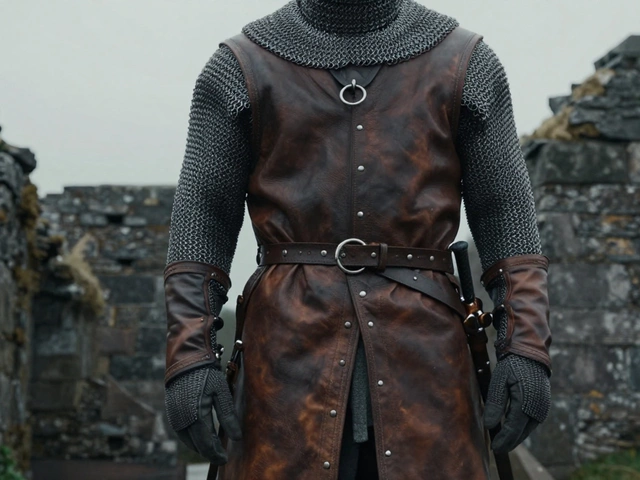
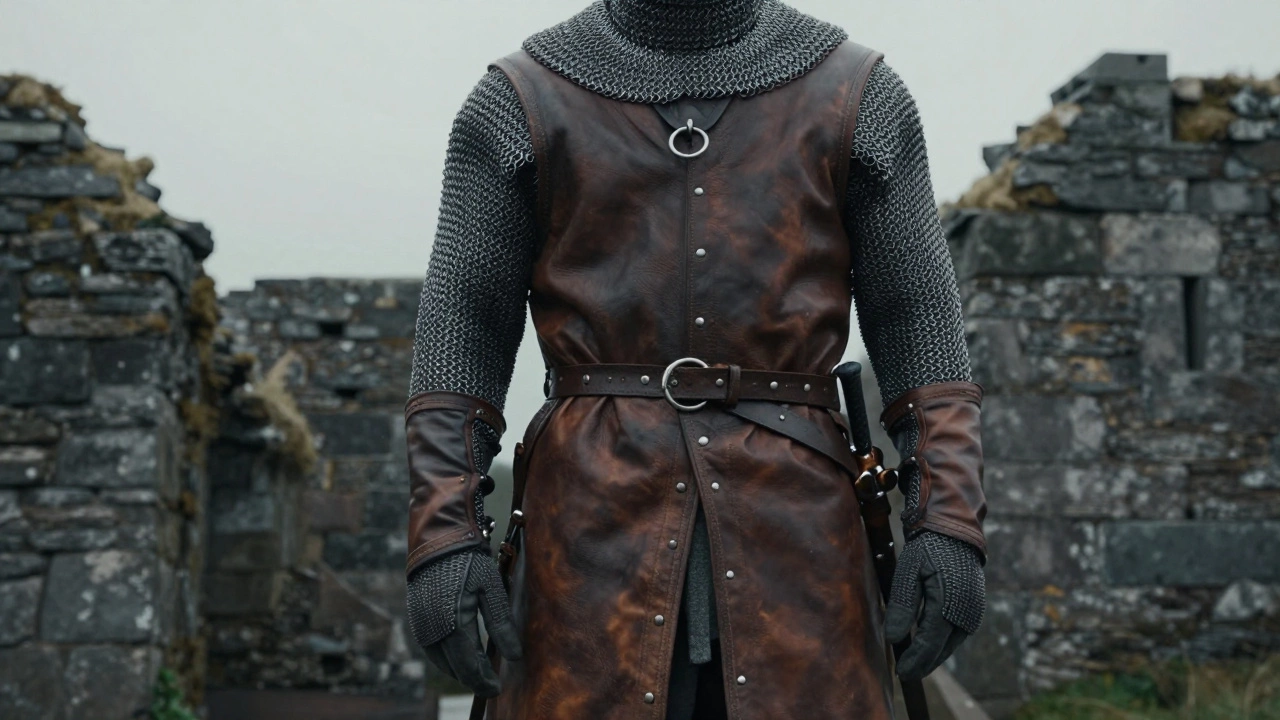
The name itself comes from a fascinating linguistic journey. In modern English, we distinguish clearly between a coat and a jacket. Yet historically, the line blurred significantly. When you ask about the origin of the word jacket, it traces back to Middle French, deriving from 'jaquette', which meant a jerkin or short tunic. This root connects to the Old High German word 'jacki'. It referred to a thick leather or cloth shirt worn by knights under their armor. Picture a medieval warrior in a castle near Dunluce. They would wear this protective layer close to the skin before donning heavy plate mail. Over centuries, this protective undershirt evolved. It grew more casual. Eventually, it became the separate upper garment we recognize today.
The Evolution from Armor to Casual Wear
By the eighteenth century, the term had shifted again. Originally, it described something shorter than a full-length coat. Think of a man walking through the muddy streets of eighteenth-century Cork or Limerick. He wears knee-length breeches. His outerwear stops above the hips. That short outer layer is the prototype of the modern jacket. As industrialization took hold, tailoring changed. Garments became more structured. By the mid-nineteenth century, the distinction solidified. Coats extended below the hips. Jackets stayed shorter.
Military history plays a massive role here too. During the Napoleonic Wars, British officers wore short coats designed for ease of movement. These were functional pieces meant for riding horses or managing troops. Ireland has a deep connection to these uniforms given our military history. Even now, you see military influences in high-end tailoring shops across Killarney and Kilkenny. The double-breasted blazer you might buy in a shop in Georgian Court often echoes these old designs. The button placement, the lapel shape, and the stiff collar all carry echoes of those wartime requirements.
| Era | Style Description | Primary Function |
|---|---|---|
| Middle Ages | Jerkin or Jack | Armor Padding |
| 18th Century | Short Tunic Style | Civilian Riding Wear |
| 19th Century | Structured Suit Jacket | Fashion Formality |
| 20th Century | Denim & Bomber | Work & Utility |
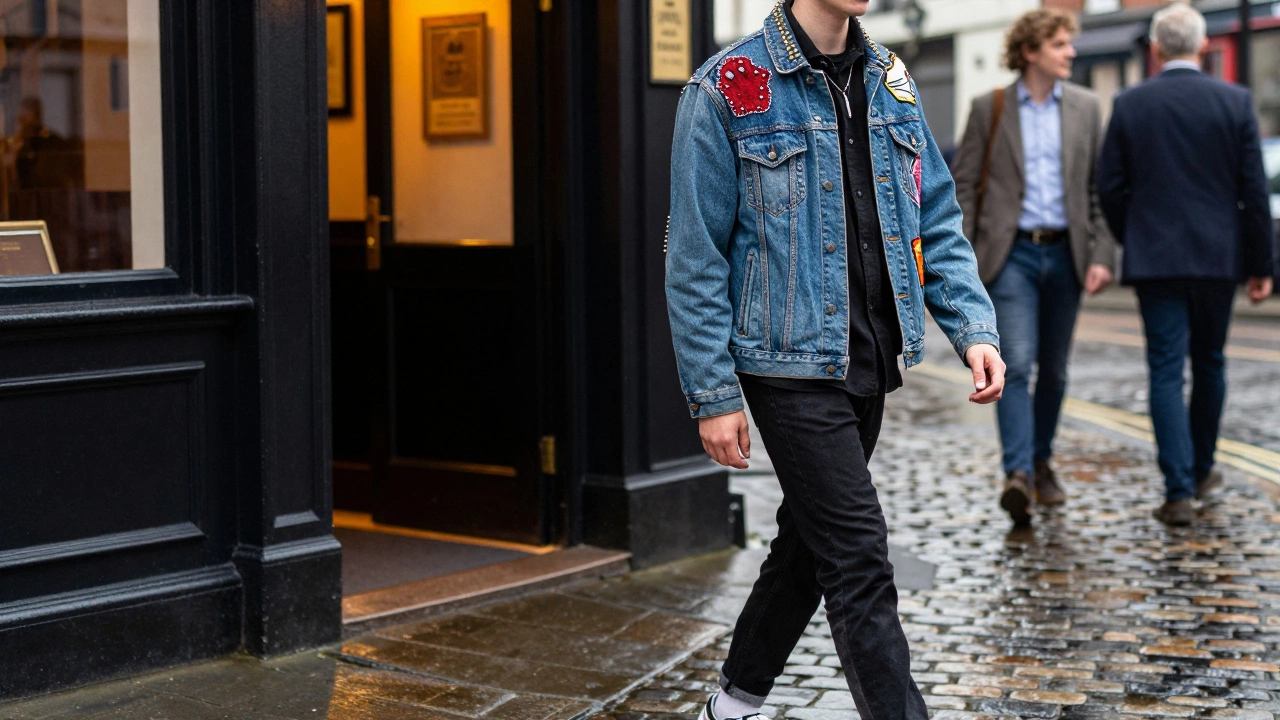
Then came the twentieth century. This era exploded the definition further. We introduced the bomber jacket, originally made for US pilots. We got the denim jacket, famously produced by Levi's. In Ireland, the denim jacket became iconic during the punk rock movements of the seventies in Belfast and Dublin bands alike. Skins, studded leather, patched blue fabric-these were statements of identity. The garment was no longer just about covering; it was about culture. You can still find vintage examples in charity shops on St Stephen’s Green or dedicated boutiques in Camden Passage. The versatility remained the constant factor.
Irish Weather and Jacket Design
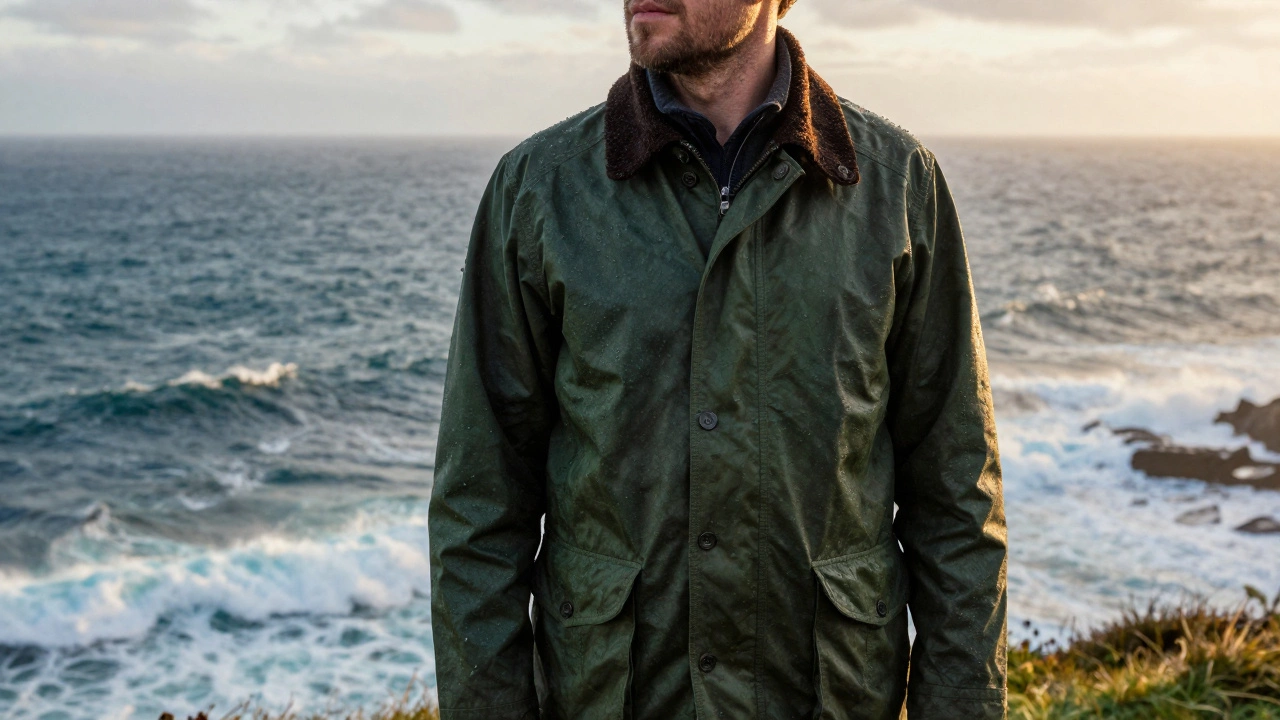
If you live here, you know the weather is the defining factor. A rainy day in Galway isn't the same as a drizzle in California. The wind whipping off the Atlantic Ocean demands durability. This necessity birthed specific regional variations. Consider the waxed cotton jacket. While globally associated with the brand Barbour, the technique of waterproofing canvas has deep roots in our islands. Farmers working the land in County Clare needed gear that could resist heavy gales without soaking through.
Tweed also deserves mention. Donegal Tweed Company produces some of the finest wool blends. These jackets aren't just warm; they are woven with character. The specks of color in the fabric come from hand-spun yarns. Walking through the West of Ireland, you see locals wearing these thick woven jackets. They provide insulation when temperatures drop near zero in January. The style bridges the gap between a rural field coat and city smart-casual wear. Many of these designs survive well beyond the trend cycle. A good tweed piece lasts generations.
We also see the rise of the "Mac" or Mackintosh. Charles Macintosh patented rubberized cloth in 1823. The Scottish inventor used bitumen to make rainproof fabric. Despite the Scottish origin, the raincoat remains a staple in the Republic. You see them hanging in department stores like Brown Thomas or Selfridges during storm season. However, purists differentiate this from a jacket because of length. It goes past the hips. But linguistically, people often group them together casually. "Put on your jacks." The slang version often drops the suffix entirely.
Finding Your Perfect Fit in Ireland
Browsing for outerwear involves practical choices. Size charts differ between UK and EU measurements. If you visit a boutique on Henry Street, pay attention to the label markings. UK sizing uses letters (Medium, Large) while European styles rely on numbers (48, 50). Confusion here leads to returns. It is helpful to know your chest measurement. Stand relaxed. Wrap the tape around your shoulders. Most local tailors offer alterations if the shoulders feel tight. A fitted sleeve matters because dragging fabric traps water.
When selecting materials, look at the fill power. Synthetic fills work better in damp climates than down. Down gets wet easily. A wet goose feather loses its warmth instantly. In a coastal town like Westport or Clifden, synthetic insulation is smarter. It retains heat even when soaked. Brands like Fjällräven or The North Face stock these in major retail outlets. However, traditional wool offers breathability. Sweat management helps prevent cold snaps later in the day. It depends on your lifestyle.
Care instructions matter too. Machine washing can ruin waxed finishes. You need a specialist cleaner for expensive leather or suede. Local laundrettes often handle standard zipped jackets fine. Just check the care label first. Don’t hang a wet heavy coat immediately. The weight stretches the shoulders. Lay it flat on a towel. Let the moisture air out naturally. Then store it on a hanger. Keeping it away from direct sunlight prevents fading. The green hue of your forest camo pattern won't look washed out after five seasons.
Common Questions About Jackets
What is the main difference between a jacket and a coat?
The primary difference lies in length and formality. Generally, a jacket is shorter, ending at or above the hipbone. Coats extend below the hips, often reaching the knees. Jackets are usually less formal and intended for warmer transitional weather, while coats prioritize maximum warmth and coverage during harsh winter conditions.
Why is the word jacket used for different types of tops?
The word jacket has broadened over time. Historically, it referred to a short tunic. Today, it describes almost any short outer layer. This includes denim shirts, hooded layers, and vests. Marketing strategies often stretch definitions to sell products. Consumers accept the general label for convenience, even if technical fashion rules vary.
Are waxed jackets suitable for Irish winters?
Yes, waxed jackets are highly effective for mild to moderate Irish winters. They repel rain excellently and handle wind well. However, for freezing temperatures below zero, you may need additional thermal lining. Pure wax cotton provides barrier protection but limited insulation on its own. Layering underneath solves the cold issue.
How should I clean a leather jacket?
Avoid machine washing or standard detergents. Water stains damage genuine leather surfaces. Instead, use a specialized conditioner wipe-down. Dust the surface gently. If heavily soiled, take it to a professional dry cleaner who specializes in leather care. Exposure to high heat can cause cracking.
What defines a bomber jacket style?
A bomber jacket features a specific design origin. It includes a ribbed hemline and cuffs to trap heat. The front typically closes with a zip fastener rather than buttons. Originally designed for aviators, it now serves as a casual urban staple. Its short cut distinguishes it from flight jackets that cover the legs.