25
What Do Podiatrists Think of Crocs in Ireland? Expert Footwear Review

You'll spot them everywhere in Ireland right now. From the cobbled streets of Galway's Latin Quarter to the busy corridors of St. James's Hospital in Dublin, Crocs is a brand of footwear known for its proprietary Croslite foam material and distinctive clogs. They are the go-to shoe for nurses, teachers, and anyone standing all day. But when you ask a professional, the answer isn't a simple yes or no. If you are wondering what podiatrists think of Crocs, the truth depends on how you wear them and what your feet actually need.
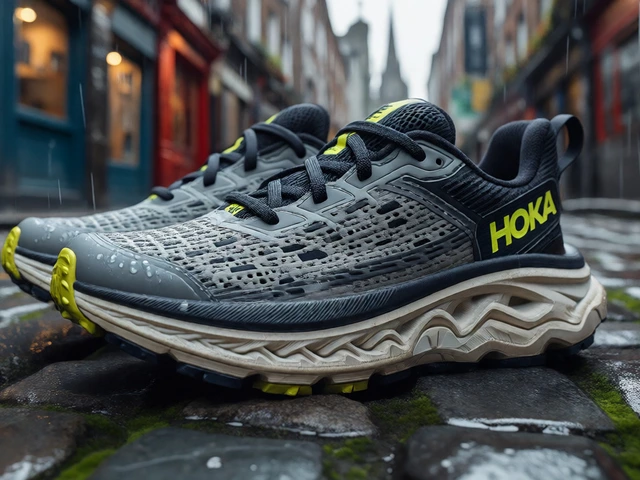
Walking down Quay Street in Galway on a rainy Tuesday, you might see a nurse in Crocs splashing through puddles. It looks practical. The Irish weather demands it. But practicality doesn't always mean healthy for your feet. We need to look past the trend and understand the mechanics of the shoe versus the biology of the human foot.
The Podiatrist Verdict: Good or Bad?
When you sit down with a registered podiatrist in Ireland, they won't give you a blanket approval. The consensus among foot specialists is nuanced. For some people, these shoes are a lifesaver. For others, they are a recipe for long-term pain. It comes down to the shape of your foot and the specific model you choose.
Many podiatrists agree that the standard clog style offers excellent cushioning. The Croslite Material is a proprietary closed-cell resin that is soft, lightweight, and waterproof. This is huge for us here. We get rain almost every week. Having a shoe that dries quickly and doesn't soak up water is a massive plus for daily wear in the Irish climate.
However, the lack of structure is the main complaint. Your foot needs stability. If you have flat feet or high arches, a shoe that is too soft can cause your foot to collapse inward. This is called overpronation. Over time, overpronation leads to knee pain, hip pain, and back pain. It's a chain reaction starting from the soles of your feet.
Understanding Arch Support and Stability
This is where the conversation gets serious. The standard Crocs clog has a molded footbed. It feels nice at first, like sinking into a soft pillow. But a pillow doesn't support your spine, and a soft footbed doesn't always support your arch. Arch Support is the structural elevation in a shoe designed to maintain the natural curve of the foot. Without it, the plantar fascia ligament stretches too far.
If you suffer from Plantar Fasciitis is inflammation of the thick band of tissue that runs across the bottom of your foot and connects the heel bone to the toes, you need rigid support. The standard Crocs might feel comfortable initially because of the cushioning, but they lack the firm heel cup required to keep your heel stable. This instability can aggravate existing conditions.
That said, Crocs has released specific models designed for medical professionals. The 'On-The-Clock' line includes more contouring and a deeper heel cup. These are often the ones recommended by foot health experts. They offer a bit more security while standing on hard hospital floors.
The HSE and Healthcare Workers
In Ireland, the Health Service Executive (HSE) sets guidelines for staff footwear. Many nurses and doctors wear Crocs because they are slip-resistant and easy to clean. Infection control is a priority in any hospital setting. You can wipe down the surface of a Croc shoe with disinfectant, which is harder to do with fabric trainers.
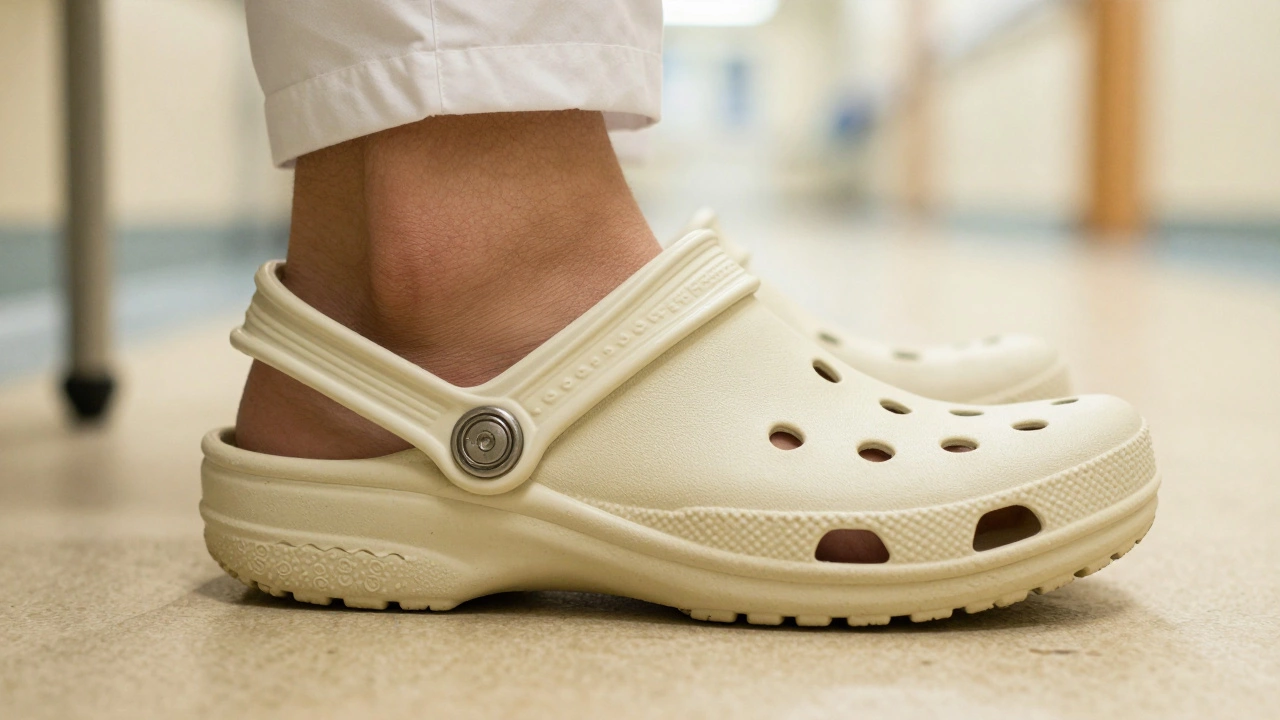
However, safety is more than just hygiene. A slip-resistant sole is useless if the shoe slides off your foot when you run. The 'clogs' style with the heel strap is essential here. Wearing them as sandals (without the strap) reduces stability significantly. If you are working a 12-hour shift in a busy ward in Cork or Limerick, you need that strap locked back. It keeps the shoe on your foot and provides the necessary rearfoot stability.
Some podiatrists argue that even with the strap, the shoe is too wide for long-term use. The foot can slide side-to-side inside the shoe. This friction causes blisters and calluses. It's a common complaint among Irish nurses who wear them for years without realizing the cumulative damage.
Weather and Drainage in Ireland
Let's talk about the rain. It is a defining feature of life here. The classic Crocs design has holes in the top. These are often called the 'Corkscrew Hole'. In theory, this allows water to drain out. If you step in a puddle on Grafton Street, the water should flow out quickly.
But there is a catch. When it is raining hard, water flows in just as fast. Your socks get wet. Wet socks lead to cold feet, and in Irish winters, cold feet can mean frostbite or just miserable days. The 'Classic Clog' is not waterproof in the sense that it keeps water out; it just drains water fast.
If you work outdoors or walk long distances in the rain, you might want the 'Crocs LiteRide' or the closed-toe 'Work' versions. These lack the ventilation holes. They keep the water out, keeping your feet dry. This is a crucial distinction for anyone commuting on a bus in Dublin or walking the dog in the Dingle Peninsula during a storm.
Customization with Orthotic Inserts
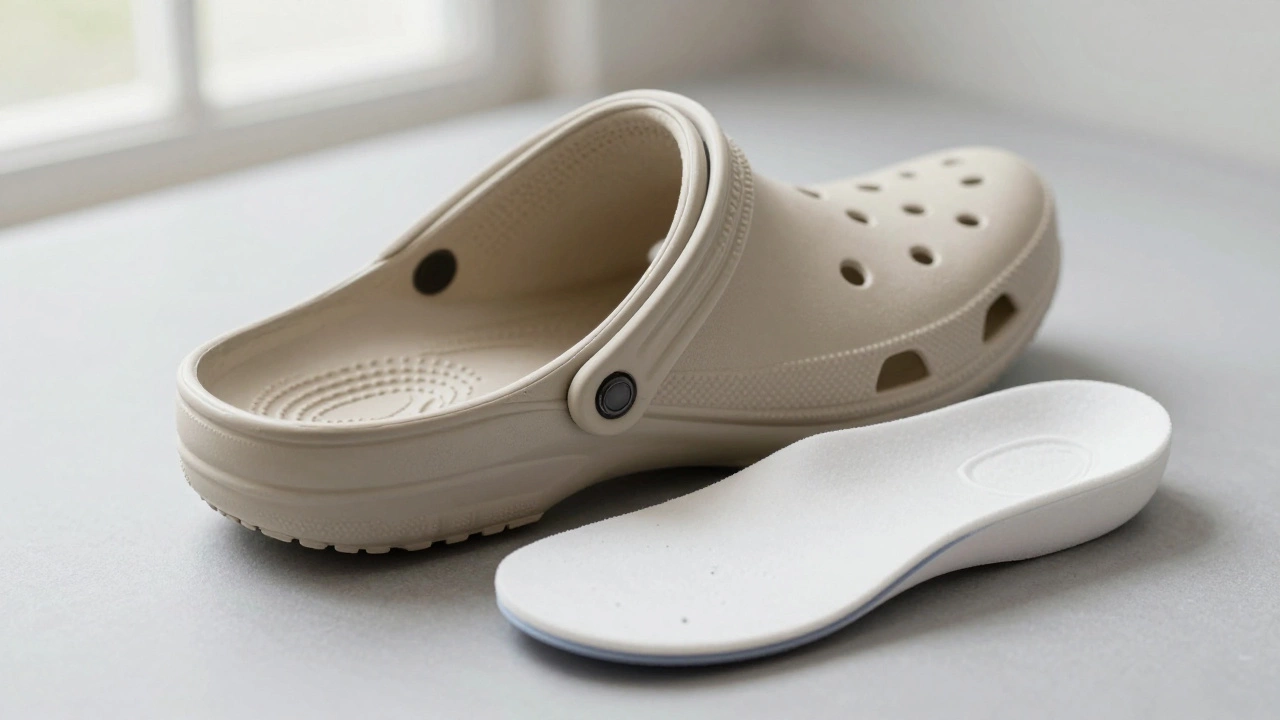
Here is the good news for those who love the comfort but need the support. You can remove the insole of most Crocs. This opens up the possibility of adding custom Orthotic Inserts is custom-made or over-the-counter shoe inserts designed to correct biomechanical issues. If you have a podiatrist in Galway who makes you custom orthotics, they can fit into the Crocs shell.
This transforms the shoe. You keep the waterproof outer shell and the lightweight feel, but you gain the medical-grade support you need. It is a common workaround. Many people buy the shoes for the style and comfort, then spend extra on the inserts for the health benefits. Just check that the insert doesn't make the shoe too tight. Your toes need room to wiggle.
Alternatives for Irish Workers
If the verdict from your foot specialist is that Crocs aren't right for your specific condition, what else can you wear? There are plenty of options available in Irish retailers like Sports Direct or specialized shoe shops.
Vionic is a footwear brand that incorporates podiatrist-designed orthotic technology into their shoes. They are pricier, but the arch support is built-in. Skechers is an American footwear brand known for memory foam comfort and slip-resistant work shoes. They often have models specifically for healthcare workers that are more breathable and supportive than the standard clog.
There is also the option of traditional leather clogs. Brands like Dansko are popular among nurses in the UK and Ireland. They have a rigid sole that protects against dropped objects and a high arch. They are harder to clean than Crocs, but they offer superior structural integrity.
| Feature | Crocs Classic | Dansko Clogs | Vionic Work |
|---|---|---|---|
| Arch Support | Minimal (Standard) | High (Built-in) | High (Built-in) |
| Water Resistance | High (Drains fast) | Medium (Leather) | High (Synthetic) |
| Slip Resistance | Good | Excellent | Excellent |
| Custom Orthotics | Yes (Removable insole) | Yes (Removable insole) | Yes (Removable insole) |
| Price Range | €50 - €70 | €120 - €150 | €80 - €110 |
Long-Term Wear and Comfort
Comfort is subjective, but health is objective. You might feel fine after a day in Crocs, but how do you feel after a week? Many people report that the material becomes harder over time. The Croslite foam can lose its cushioning properties after months of heavy use. This is common in any foam-based shoe.
In Ireland, where we walk on hard concrete and stone paths, shock absorption is vital. If the foam compresses permanently, your joints take the impact. You might notice knee stiffness in the morning. This is a sign the shoe has lost its effectiveness. It is generally recommended to replace work shoes every 6 to 12 months, depending on usage.
Also, consider the temperature. In the summer, the holes keep your feet cool. But in the winter, those same holes let the cold air in. If you are working outside or in a cold storage facility, the standard clog might be too chilly. The 'Winter' collection from Crocs adds insulation, but it adds weight. Balance is key.
Final Thoughts on Foot Health
So, do podiatrists hate Crocs? Not at all. They hate the idea of wearing the wrong shoe for the wrong reason. If you have healthy feet and need a lightweight, waterproof shoe for a few hours of work, they are fine. If you have chronic pain, flat feet, or stand for 10 hours a day, you need more support.
Listen to your body. If your feet hurt after a shift, change the shoe. Don't wait for a serious injury. There are clinics in every major Irish city where you can get a gait analysis. They will tell you exactly what your feet need. It is better to invest in good footwear now than to deal with surgery later.
Whether you choose to walk the streets of Kilkenny or the halls of a hospital in Waterford, your feet carry you everywhere. Treat them with the respect they deserve. If Crocs work for you, great. Just make sure you are wearing the right model and using the heel strap. Your future self will thank you.
Are Crocs safe for nurses in Ireland?
Yes, they are generally safe for nurses in Ireland, provided they are the specific work models with slip-resistant soles. However, you must wear the heel strap for stability. Standard clogs without the strap are not recommended for medical environments due to the risk of slipping or the shoe coming off during an emergency.
Do Crocs cause plantar fasciitis?
Crocs do not cause plantar fasciitis directly, but they may aggravate it if you already have the condition. The lack of firm arch support in standard models can allow the plantar fascia to stretch excessively. If you have plantar fasciitis, you should look for models with built-in support or add custom orthotic inserts.
Can I wear Crocs in the Irish rain?
Yes, Crocs are excellent for Irish rain because the material is waterproof and dries quickly. However, the classic model with holes will let water in. For heavy rain, choose the closed-toe 'Work' or 'LiteRide' versions to keep your socks dry and your feet warm.
Do podiatrists recommend Crocs for flat feet?
Most podiatrists do not recommend standard Crocs for flat feet without modification. The footbed is too soft and lacks the necessary arch contour. If you have flat feet, you should remove the insole and replace it with a custom orthotic designed to support your arch properly.
How often should I replace my work Crocs?
You should replace your work Crocs every 6 to 12 months. The Croslite material can compress over time, losing its shock absorption. Once the cushioning is gone, your joints absorb the impact, which can lead to pain and injury.