7
Are UGG Boots Still Popular in Ireland? A 2026 Reality Check

Irish Winter Boot Compatibility Checker
Answer the questions below to see which winter boot style best fits your life in Ireland.
Your Winter Profile
Recommendation
Select Options
Fill out the profile above to get a personalized recommendation based on Irish weather patterns and boot properties.
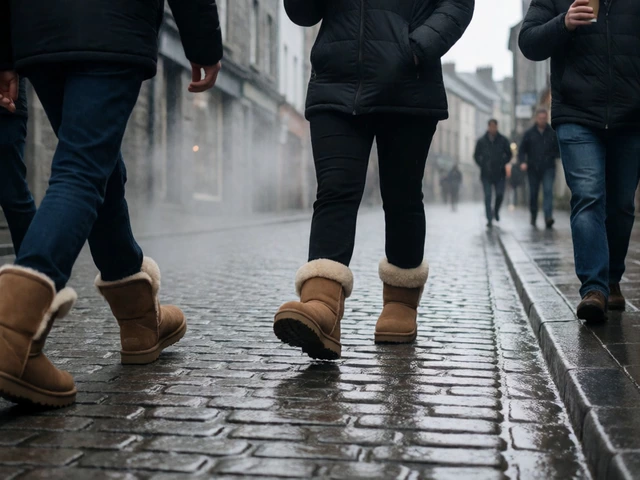
You walk down Shop Street in Galway or Grafton Street in Dublin on a wet November afternoon, and you see them. The chunky soles, the plush lining peeking out, the unmistakable silhouette of UGG boots. But here is the question that keeps popping up in group chats and style forums: does anyone actually wear these things anymore? Or are they just relics of the mid-2010s Instagram era, gathering dust in attics from Cork to Belfast?
The short answer is yes, people still wear them. But the way we wear them in Ireland has changed completely. We aren't wearing them for the 'aesthetic' anymore. We are wearing them because it rains sideways, the wind cuts through your coat, and nothing else keeps your feet warm while staying comfortable enough to walk across cobblestones. If you are thinking about buying a pair this season, or wondering if yours are too dated, let’s look at the real state of sheepskin boots in the Irish market right now.
The Irish Climate Factor: Why They Survive
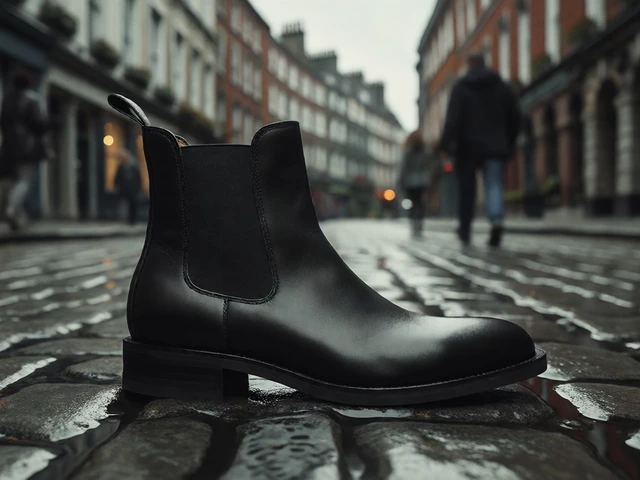
Let’s be honest about our weather. In Ireland, winter isn’t about snow-covered mountains; it’s about dampness. It’s the kind of chill that gets into your bones because your socks have been slightly moist since Tuesday. Traditional leather boots can be stylish, but once they get soaked on a commute from Limerick city center, they take days to dry and often smell like a locker room by Thursday.
UGGs, specifically those made with genuine sheepskin, offer something different. The wool lining wicks moisture away from your foot, keeping it dry even if your sock gets damp. This isn't just marketing fluff; it's physics. Wool regulates temperature. It keeps you warm when it's freezing outside but doesn't make your feet sweat when you step into a heated pub like The Quays in Dublin. For many Irish residents, this practical benefit outweighs any concerns about fashion trends. When the temperature drops below 5°C and the rain starts hammering against the window, comfort becomes king.
Fashion Evolution: From 'Ugly' to Essential
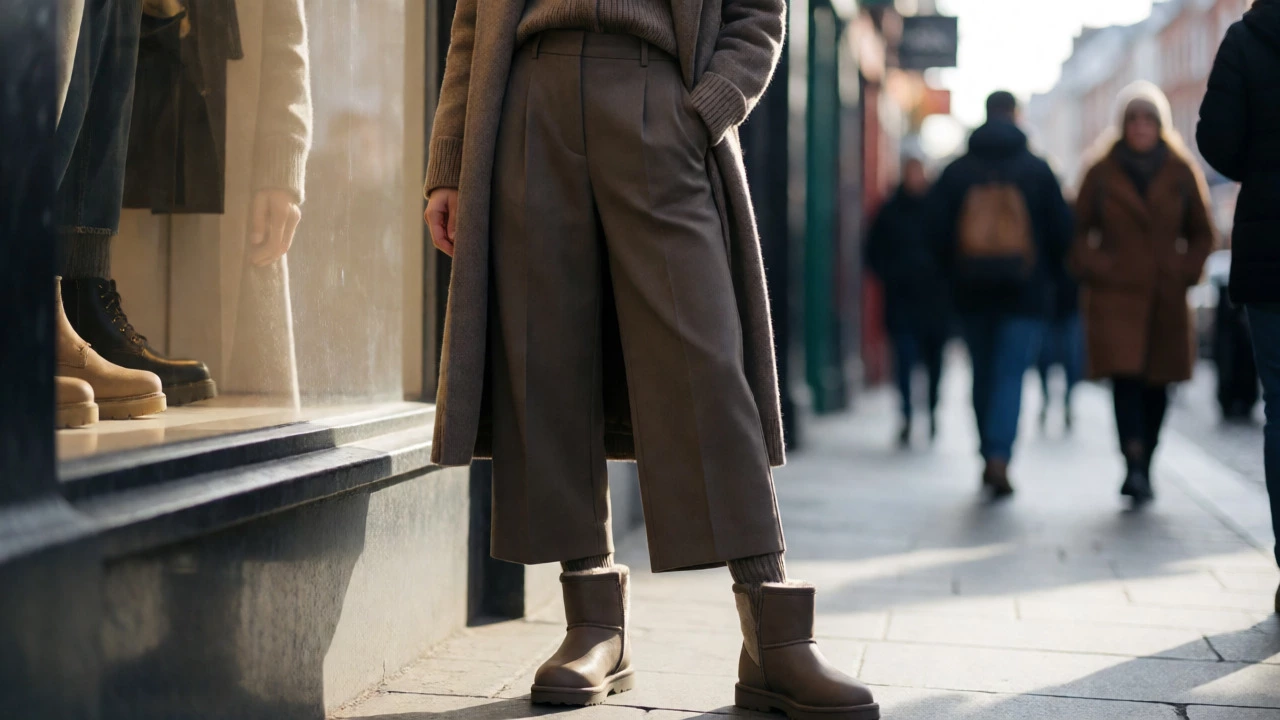
Remember when everyone mocked UGGs? They were labeled as lazy, sloppy, and strictly for running to the post office. That stigma has largely vanished. High fashion has embraced the 'cozy core' aesthetic. Designers like Bottega Veneta and brands like Emu Australia have normalized the bulky boot shape. Now, pairing them with tailored trousers or a long knit dress looks intentional, not accidental.
In cities like Dublin and Cork, you’ll see a shift in styling. People aren't just throwing them on with leggings anymore (though that still happens). You see them with wide-leg jeans cropped slightly above the ankle, allowing the boot shaft to show. Or paired with thick, textured tights and a mini skirt. The key is balance. Because the boots are bulky, they need slim-fitting upper garments or structured coats to keep the outfit looking sharp rather than shapeless.
The Rise of Alternatives and Ethical Concerns
While the classic UGG brand remains dominant, the landscape has shifted due to ethical considerations. Many Irish consumers are increasingly conscious of animal welfare. This has led to a surge in popularity for synthetic alternatives. Brands like MooShoes or high-end vegan options using recycled polyester linings are gaining traction. These aren't just cheap knockoffs; some perform nearly as well in terms of warmth and water resistance.
There is also the issue of durability. Genuine sheepskin requires care. If you live in an area with heavy salt use on roads during icy spells-common in rural areas around Connemara or the Wicklow Mountains-salt stains can ruin suede quickly. Some users find the maintenance annoying. This has pushed a segment of the market toward waterproof technical boots that mimic the UGG look but use Gore-Tex membranes instead of natural materials. It’s a trade-off: you lose some breathability, but you gain peace of mind when walking through puddles in Galway’s Latin Quarter.
Practical Buying Guide for Irish Winters
If you decide to buy a pair this year, don't just grab the cheapest option from a supermarket shelf. Here is what actually matters when shopping in Ireland:
- Sole Type: Avoid smooth rubber soles if you plan to walk on wet cobblestones or mossy stone steps. Look for deep tread patterns. The original UGG sole is decent, but newer models with 'All-Terrain' soles provide better grip on slick surfaces common in historic town centers.
- Lining Material: Decide between genuine sheepskin and synthetic. Sheepskin molds to your foot over time, becoming custom-fit. Synthetics stay consistent but may feel less breathable. If you have sweaty feet, go synthetic. If you have cold feet, go sheepskin.
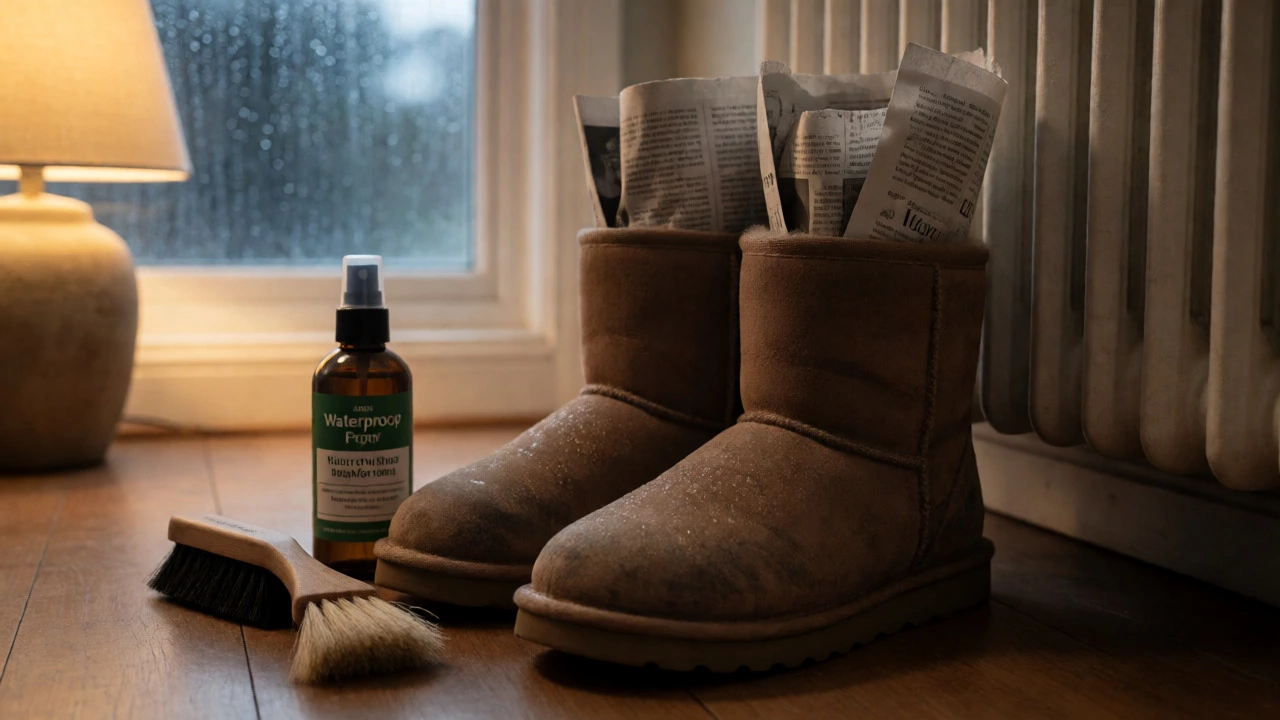
- Waterproofing: Most standard UGGs are not fully waterproof. They are water-resistant. If you expect to stand in standing water, treat them with a protector spray immediately upon purchase. Reapply monthly during winter.
- Fit: Buy true to size. Sheepskin compresses. If you buy half a size up, your heel will slip after two weeks, causing blisters. Wear the socks you intend to use daily when trying them on.
Where to Buy and Care Tips
You can find authentic pairs at retailers like Brown Thomas in Dublin or independent boutiques in Galway. However, sales are frequent. Black Friday in November usually sees significant discounts. For those on a budget, checking out outlets near Kildare Village or online platforms like ASOS often yields good deals on last-season colors.
Care is non-negotiable. Never put them in the washing machine. Spot clean with a damp cloth and specialized cleaner. Stuff them with newspaper overnight to absorb moisture and maintain shape. If you skip this, they will collapse and smell, regardless of how expensive they were.
| Feature | Classic UGG (Sheepskin) | Vegan/Synthetic Boot | Traditional Leather Boot |
|---|---|---|---|
| Warmth | High (Natural insulation) | Moderate-High (Depends on thickness) | Low-Moderate (Needs thermal socks) |
| Water Resistance | Low (Requires treatment) | Moderate (Often treated) | High (If oiled/waxed) |
| Drying Time | Slow (24-48 hours) | Fast (6-12 hours) | Medium (12-24 hours) |
| Ethical Impact | Animal product used | No animal products | Varies (Leather sourcing) |
| Best For | Cold, dry days; comfort focus | Wet conditions; vegans | Formal settings; heavy rain |
Verdict: Are They Worth It?
So, do people still wear UGGs in Ireland? Absolutely. But the conversation has moved past 'are they cool?' to 'do they work?' For most Irish winters, characterized by mild temperatures but high humidity and rain, they remain one of the most effective tools for keeping feet comfortable. They aren't the only option, and they require maintenance, but their ability to regulate temperature makes them hard to beat.
If you value comfort above all else and are willing to protect them from heavy rain, they are still a solid investment. Just remember: they are a tool for warmth, not a statement piece for every occasion. Wear them for the school run, the grocery trip, or a casual weekend stroll. Leave the sleek leather boots for the office or a night out. Your feet will thank you.
Can I wear UGG boots in the rain in Ireland?
Yes, but with caution. Standard suede UGGs are not waterproof. Light drizzle is fine, especially if treated with a protector spray. Heavy rain or puddles should be avoided unless you have the specific 'All-Terrain' or waterproof-lined models. Always let them air dry away from direct heat sources like radiators, which can crack the suede.
Are UGG boots suitable for walking on Irish cobblestones?
They are comfortable, but the standard flat sole can be slippery on wet, mossy cobblestones found in places like Kinsale or Galway. Look for versions with deeper tread patterns for better grip. Alternatively, add a non-slip sole pad from a cobbler if you plan to walk extensively on uneven historic streets.
How long do UGG boots last in the Irish climate?
With proper care, genuine sheepskin UGGs can last 3-5 years. However, the constant dampness in Ireland accelerates wear compared to drier climates. Regular cleaning and conditioning are essential to prevent the wool matting and the suede drying out. Neglecting care can reduce lifespan to under two years.
Is there a difference between UGG brand and generic sheepskin boots?
Yes. The UGG brand uses dual-face sheepskin (wool attached to suede), which provides superior insulation and durability. Cheaper generics often glue wool to fabric or use lower-grade hides. While generics are cheaper, they tend to flatten faster and offer less temperature regulation, making them less effective in harsh Irish winters.
Should I size up in UGG boots?
Generally, no. Buy your regular shoe size. The sheepskin lining compresses significantly after a few wears, creating more space. Sizing up often leads to heel slippage and blisters. If you have very wide feet, consider the 'Wide Fit' variants rather than sizing up lengthwise.