5
What Do Chinese People Call Slippers? A Guide for Irish Shoppers
Chinese Slipper Terminology Guide
Select a term above to learn more about its literal meaning, typical use case, and equivalent context in Ireland.
Test Your Knowledge
Which term refers to general indoor house shoes?
If you’ve ever browsed a market stall in Dublin’s Temple Bar or scrolled through an online marketplace from your kitchen in Cork, you might have wondered about the origins of those soft-soled, fabric-covered shoes we all love to wear at home. But what do Chinese people call slippers? The answer isn’t just one word-it’s a linguistic journey that reflects thousands of years of culture, climate, and craftsmanship. For shoppers in Ireland, understanding these terms can help you pick better quality pairs, avoid awkward social faux pas if you’re visiting China, and even appreciate the engineering behind your favourite winter warmers.
Let’s cut through the confusion. In Mandarin Chinese, the most common term for slippers is tuōxié (拖鞋). It literally translates to "drag shoes" or "slip-off shoes," which makes perfect sense when you think about how we use them here in Ireland-slipping them on after a long day walking around Galway or coming home from a shift in Belfast. However, language is rarely that simple. Depending on the region, the material, and whether they are for indoor or outdoor use, you’ll hear different words. Knowing this helps you navigate both the cultural landscape and the actual product descriptions if you’re importing goods or shopping on global platforms.
The Core Term: Tuōxié and Its Variations
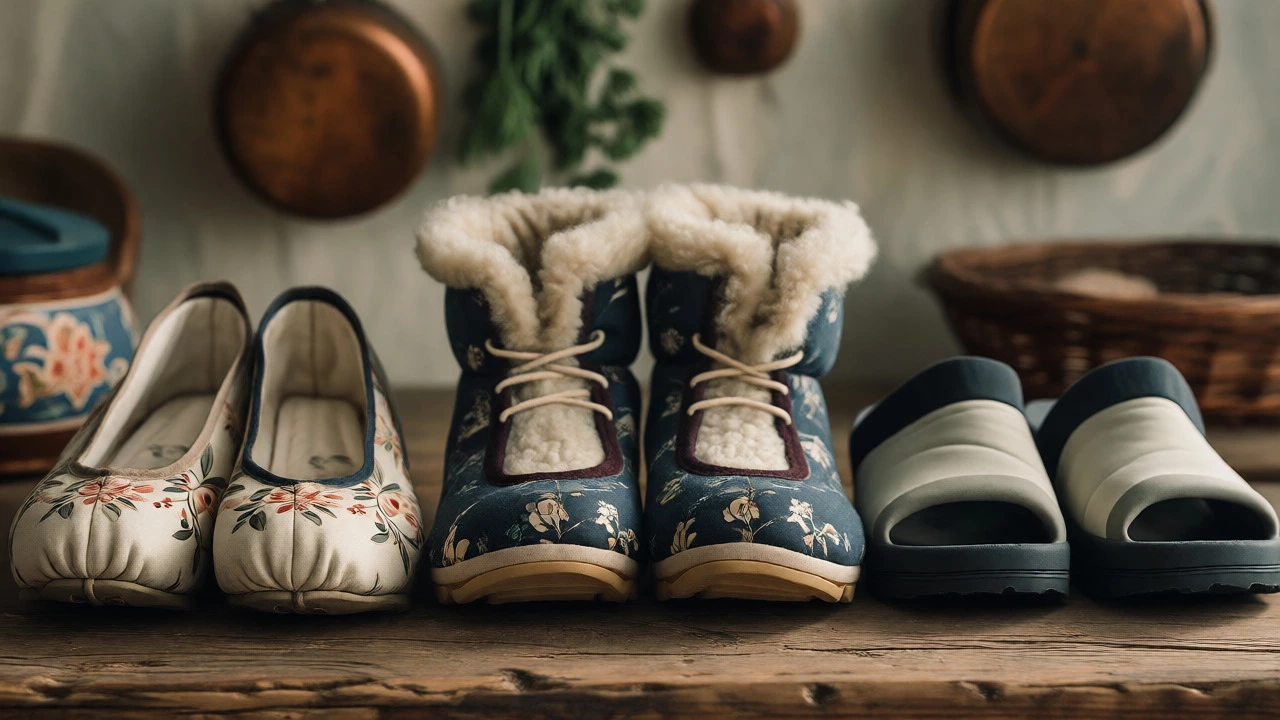
When you ask someone in Beijing or Shanghai what they call their house shoes, they will almost certainly say tuōxié. This is the standard, everyday term used across mainland China. It covers everything from cheap plastic bathroom slides to plush, heated indoor boots. But if you dig deeper, you’ll find specific terms for specific types. For instance, pào xié refers more specifically to running shoes or athletic sneakers, so don’t mix those up! If you’re looking for traditional cloth shoes, often seen in martial arts movies or worn by elders in rural villages, the term is bù xié, which simply means "cloth shoes." These are distinct from modern slippers because they usually have a harder sole and are sometimes worn outdoors.
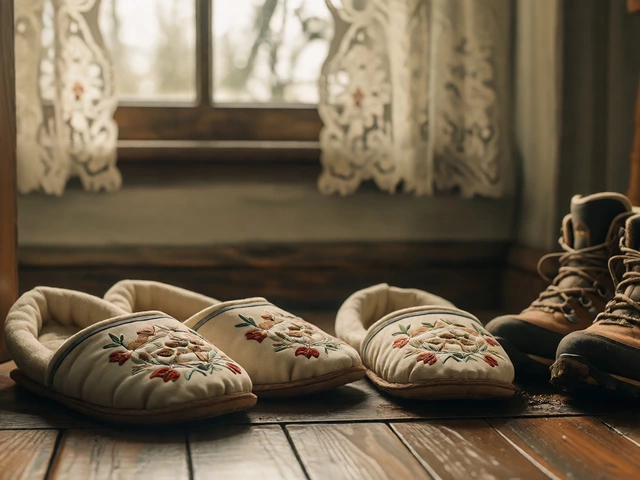
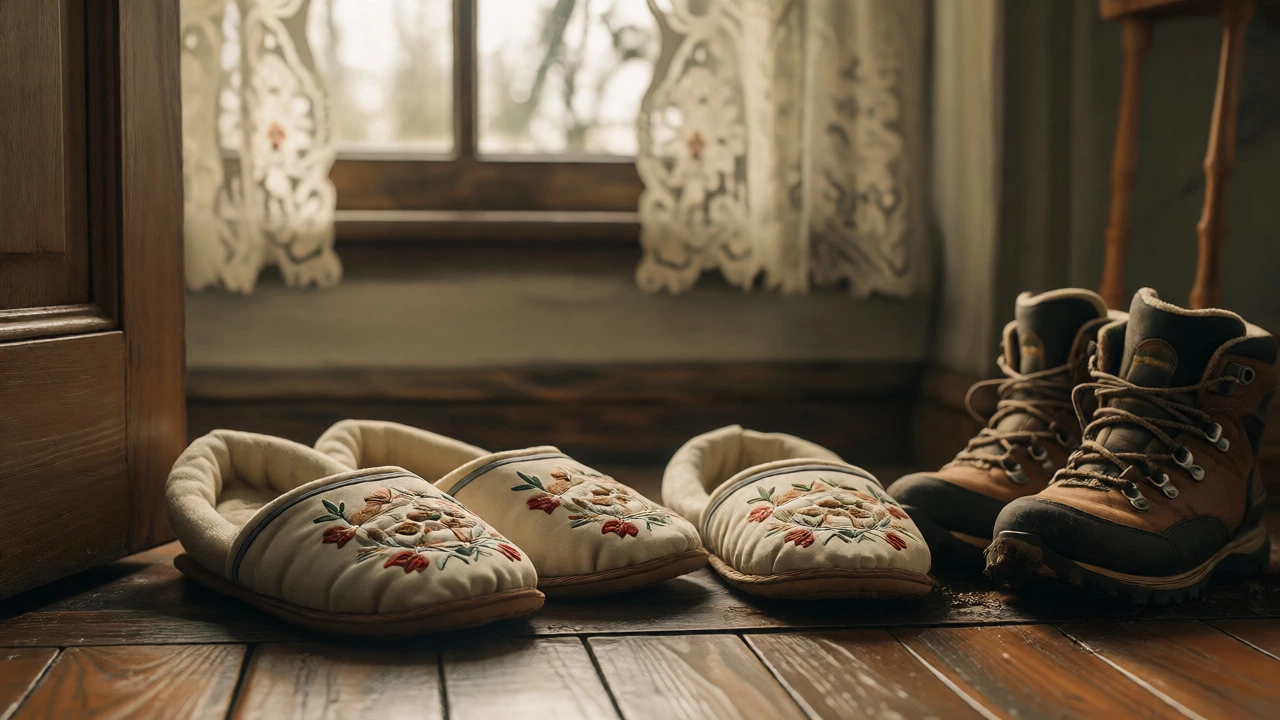
Why does this matter for us in Ireland? Well, if you’re buying "traditional Chinese slippers" from a shop in Limerick or ordering them online, knowing the difference between tuōxié (soft, indoor) and bù xié (structured, potentially outdoor) ensures you get what you expect. You wouldn’t want to buy a pair of delicate silk embroidered shoes expecting them to survive the wet cobblestones outside a pub in Kilkenny, right?
Regional Dialects: From Cantonese to Hokkien
China is huge, and its dialects are as varied as our own accents from Donegal to Waterford. While tuōxié is understood everywhere due to the dominance of Mandarin in media and education, local dialects have their own flair. In Guangdong province and among the Cantonese-speaking diaspora-which has a significant presence in cities like London and increasingly in parts of Europe-you might hear toe haai. This sounds similar to "toe hay" and is the direct phonetic equivalent. If you’re chatting with a colleague from Hong Kong or Guangzhou, using this term shows you’ve done your homework.
In southern Fujian province, where many early Chinese immigrants to Southeast Asia came from, the Hokkien dialect uses thah-hâi. It’s a bit of a tongue-twister for English speakers, but it highlights how deeply rooted the concept of "slipping off" your shoes is in the culture. Interestingly, in some northern dialects, people might refer to thick-soled winter slippers as mian huā tuō, emphasizing the cotton-padded nature of the shoe. Given Ireland’s damp, chilly winters, these padded varieties are actually quite relevant to our climate needs.
Cultural Etiquette: Why Shoes Come Off
You might wonder why there are so many words for something as mundane as house shoes. The reason lies in strict cultural norms regarding cleanliness and respect. In China, removing shoes before entering a home is not just a preference; it’s a rule. This practice mirrors what many Irish households do, especially if you have young children crawling on the floor or if you live in a rural area where mud from the farmyard tracks easily into the hallway. However, in China, this extends beyond private homes. Many traditional restaurants, temples, and even some offices require you to remove street shoes.
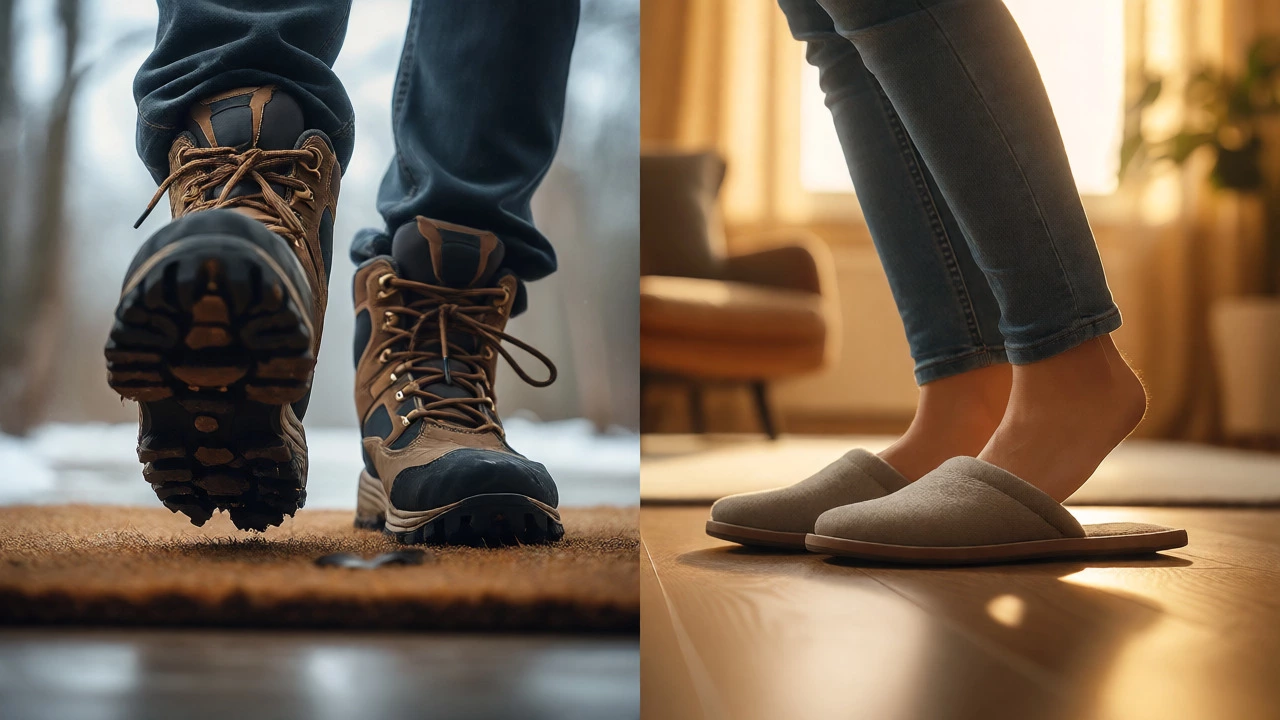
Here’s a practical tip for Irish travellers or hosts: If you invite Chinese friends over to your house in Dublin, provide clean slippers near the door. It’s a small gesture that goes a long way. Conversely, if you visit their home, always wait to be offered slippers or follow their lead. Walking around in your muddy hiking boots from Wicklow Mountains National Park might be seen as disrespectful or unsanitary. The slipper serves as a boundary marker between the dirty outside world and the clean, intimate space of the home.
| Term (Pinyin) | Literal Meaning | Typical Use Case | Ireland Equivalent Context |
|---|---|---|---|
| Tuōxié | Drag/Shoe | General indoor house shoes | Standard bedroom slippers |
| Bù xié | Cloth Shoe | Traditional flat shoes, often embroidered | Fashion flats or espadrilles |
| Pào xié | Run Shoe | Athletic sneakers | Gym trainers |
| Mian huā tuō | Cotton Flower Drag | Thick, warm winter slippers | Winter booties for cold floors |
Buying Quality Slippers in the Irish Market
So, how does this linguistic knowledge help you buy better slippers in Ireland? When you’re shopping at places like Penneys, Dunnes Stores, or specialised boutiques in Dublin’s Grafton Street, you’re likely seeing products imported from China. Understanding the terminology helps you spot authentic designs versus mass-produced knock-offs. Authentic tuōxié often feature breathable fabrics like cotton or linen, designed for comfort during hot summers or mild winters. If you see heavy, synthetic materials marketed as "traditional," be skeptical.
For those living in colder regions like Connacht or Ulster, look for descriptions mentioning "cotton padding" or "wool lining." In Chinese manufacturing, high-quality winter slippers are often hand-stitched with multiple layers of cotton wool, a technique passed down through generations. These are far superior to the single-layer fleece slippers you might find in a discount store. They keep feet warm without causing them to sweat, a common issue with cheaper alternatives. Brands like Feiyue or Warrior are famous for canvas shoes, but their slipper lines also carry this heritage of durability and comfort.
The Rise of Customization and Modern Trends
Modern Chinese footwear brands have taken the humble slipper and turned it into a fashion statement. In recent years, there’s been a surge in popularity for customizable slippers, where buyers can choose embroidery patterns, colors, and even add personal messages. This trend has crossed borders, reaching European markets. In Ireland, where personalization is big-from engraved jewellery to custom-made Aran sweaters-these bespoke slippers are finding a niche audience.
Imagine gifting a pair of hand-embroidered slippers with a Celtic knot design to a friend who loves Asian aesthetics. Or perhaps you prefer the minimalist, ergonomic designs now emerging from Shenzhen tech hubs, which focus on arch support and memory foam. These aren’t just fluffy clouds for your feet; they’re engineered for health. With more people working from home in cities like Cork and Limerick, the demand for supportive, stylish indoor footwear has skyrocketed. Knowing that these trends originate from a culture that prioritizes foot health and home hygiene gives you confidence in their quality.
Practical Tips for Irish Buyers
If you’re ready to upgrade your slipper game, here are a few things to keep in mind. First, check the sizing. Chinese sizes can run smaller than UK/EU standards. Always measure your foot length in centimeters and compare it to the manufacturer’s chart. Second, consider the sole. For wooden floors common in older Victorian houses in Dublin, a rubber or TPR (thermoplastic rubber) sole provides better grip and noise reduction than hard plastic. Third, care matters. Traditional cloth slippers often need gentle washing to maintain their shape and color. Air drying is best-avoiding the tumble dryer preserves the fabric integrity, much like how we care for our woollens.
Finally, don’t underestimate the social aspect. In many cultures, including ours, giving slippers as a gift symbolizes comfort and care. It’s a thoughtful present for housewarmings or holidays. By choosing a pair with cultural depth, you’re sharing a piece of global tradition while keeping your loved ones’ toes toasty during an Irish winter.
What is the most common word for slippers in Chinese?
The most common and widely understood term in Mandarin Chinese is tuōxié (拖鞋), which literally translates to "drag shoes" or "slip-off shoes." It refers to any type of loose-fitting footwear worn indoors.
Do Chinese people wear slippers outside the house?
Generally, no. Soft-soled tuōxié are strictly for indoor use. However, structured cloth shoes (bù xié) or sturdy sandals might be worn for short trips outside, such as to a nearby convenience store or trash collection point, but full street shoes are required for public transport or dining out.
How do I know if my Chinese slippers are good quality?
Look for natural materials like cotton, wool, or bamboo fiber rather than pure synthetics. Check the stitching for tightness and uniformity. High-quality slippers often have reinforced heels and non-slip rubber soles. If buying online, read reviews for mentions of durability and breathability.
Is it rude to wear shoes inside a Chinese home?
Yes, it is generally considered rude and unhygienic to wear outdoor shoes inside a Chinese home. Hosts usually provide slippers for guests. Failing to remove your shoes may be interpreted as disrespect towards the host’s effort in keeping the home clean.
Are Chinese slippers suitable for Irish winters?
Many are. Look for "cotton-padded" or "wool-lined" varieties. These provide excellent insulation against cold floors, which are common in Irish homes. Avoid thin summer slides unless you have underfloor heating.