7
What is the Number One Shoe in the World? A Guide to Leather Classics
The Perfect Shoe Finder
Answer three simple questions to discover which of the world's top shoe styles fits your life best.
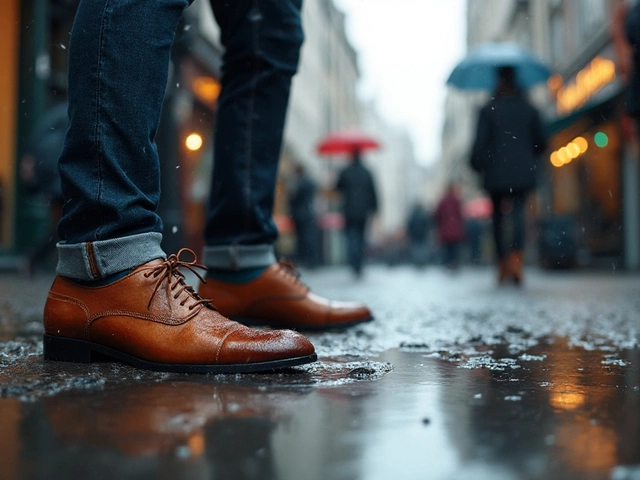
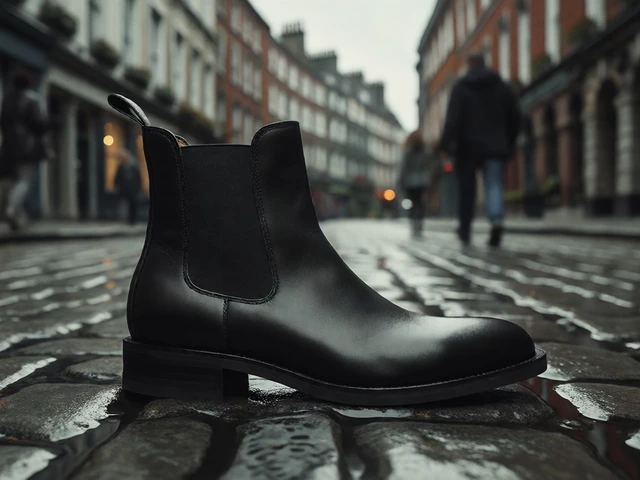
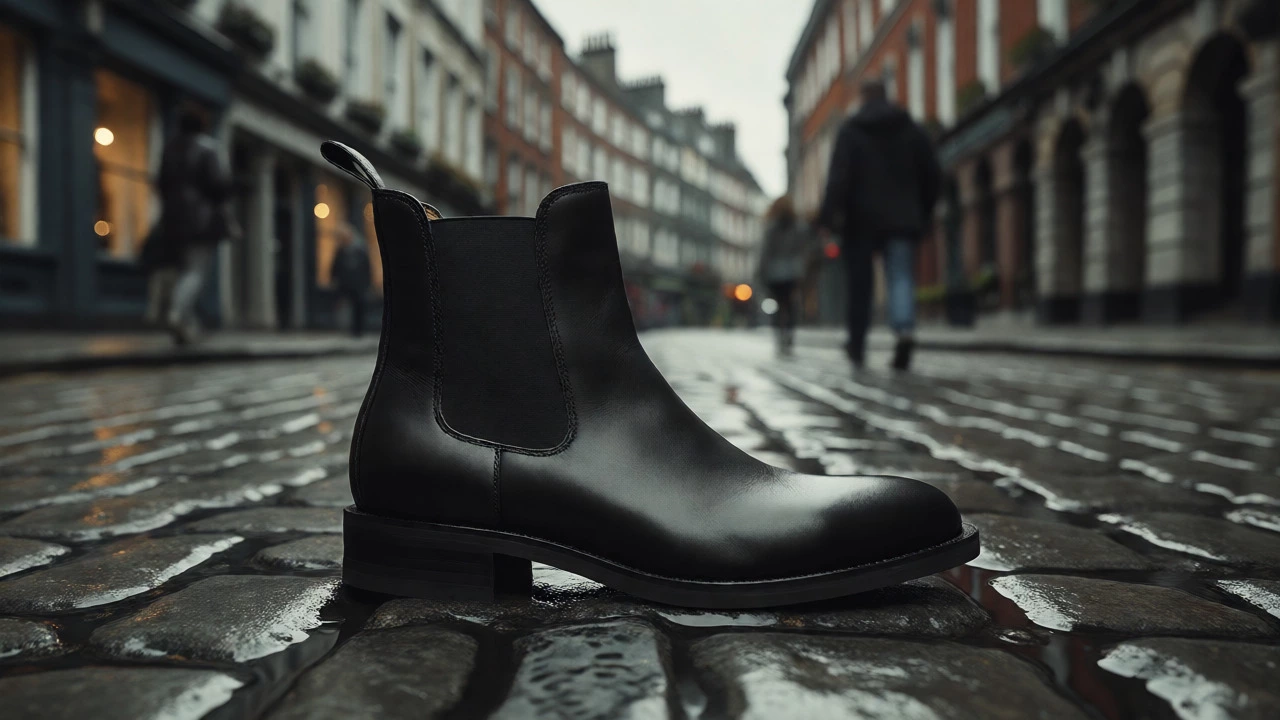
Walk down Grafton Street on a rainy Tuesday afternoon, and you’ll see it. It’s not the latest sneaker drop from a hype brand, nor is it the flashy designer heel that dominated fashion weeks last season. The Chelsea boot is arguably the number one shoe in the world for its universal appeal, comfort, and durability. From the cobblestones of Galway to the boardrooms of Dublin, this sleek, elastic-sided slip-on has conquered global wardrobes. But why does one specific style of leather shoes hold such a dominant position over billions of feet?
If you’re looking for a definitive answer to "what is the number one shoe," you have to look past sales figures alone. You need to consider cultural impact, versatility, and longevity. While sneakers dominate volume sales globally, the Chelsea boot-and its close cousin, the leather derby-represents the pinnacle of functional elegance. In Ireland, where the weather can shift from sunshine to sleet in an hour, this isn’t just about style; it’s survival. Here is how we break down the reign of the world’s most popular footwear, with a special nod to our own rich tradition of making them.
The Case for the Chelsea Boot
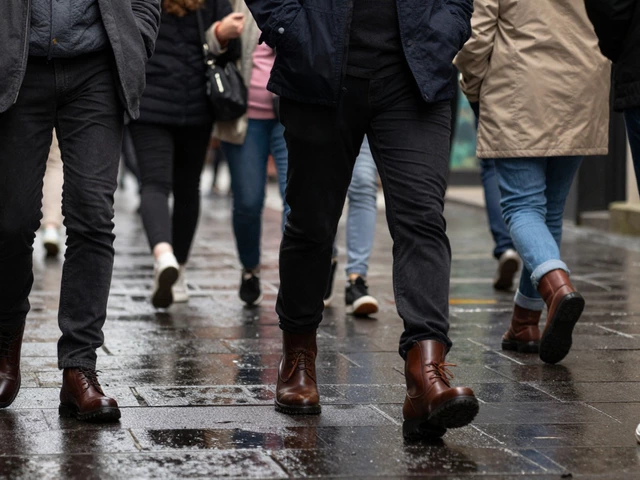
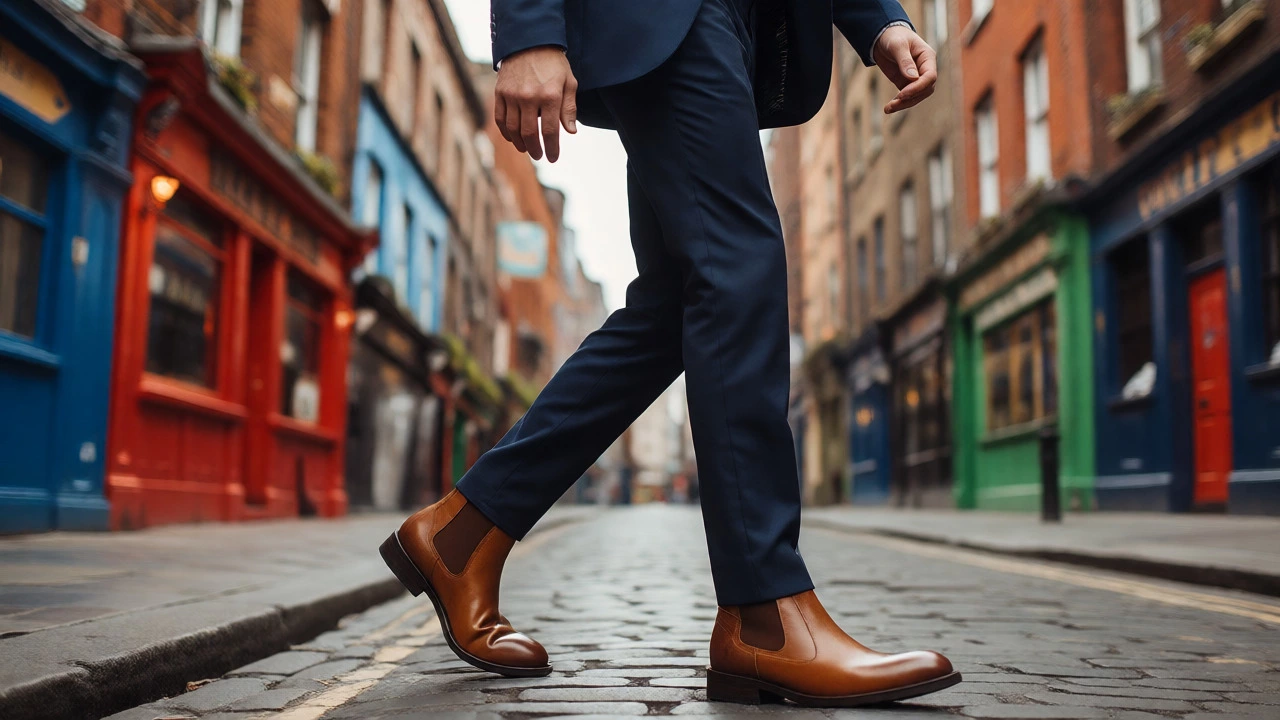
Let’s be clear: there is no single official census that counts every pair of shoes sold worldwide each year. However, industry reports from major retail analysts consistently rank the Chelsea boot as the top-selling premium leather shoe category across Europe, North America, and Asia. Why? Because it solves a problem. It requires no laces, which means no wet shoelaces freezing in January. It fits snugly around the ankle, keeping rain out better than a low-cut loafer. And it transitions seamlessly from a pub in Cork to a wedding in Kildare without needing a change.
The design dates back to the Victorian era, originally created for Queen Victoria herself by her shoemaker J. Sparkes-Hall. She loved them for horseback riding because they were easy to get on and off. Fast forward to the 1960s, and The Beatles made them iconic. Today, they are worn by everyone from tech CEOs in Silicon Valley to farmers in Westmeath. The simplicity of the design is its strength. There are no buckles to tarnish, no laces to snap, and minimal stitching to let water in.
Ireland’s Footprint on Global Footwear
You cannot talk about the best leather shoes without talking about Ireland. We aren’t just consumers here; we are creators. When people ask what the number one shoe is, many in the fashion industry whisper names like Clarks or Dr. Martens, but few realize the deep Irish roots in high-end manufacturing. Brands like Grenson, based in King’s County (Offaly), have been crafting world-class leather footwear since 1866. Their Goodyear-welted boots are often cited by connoisseurs as the gold standard.
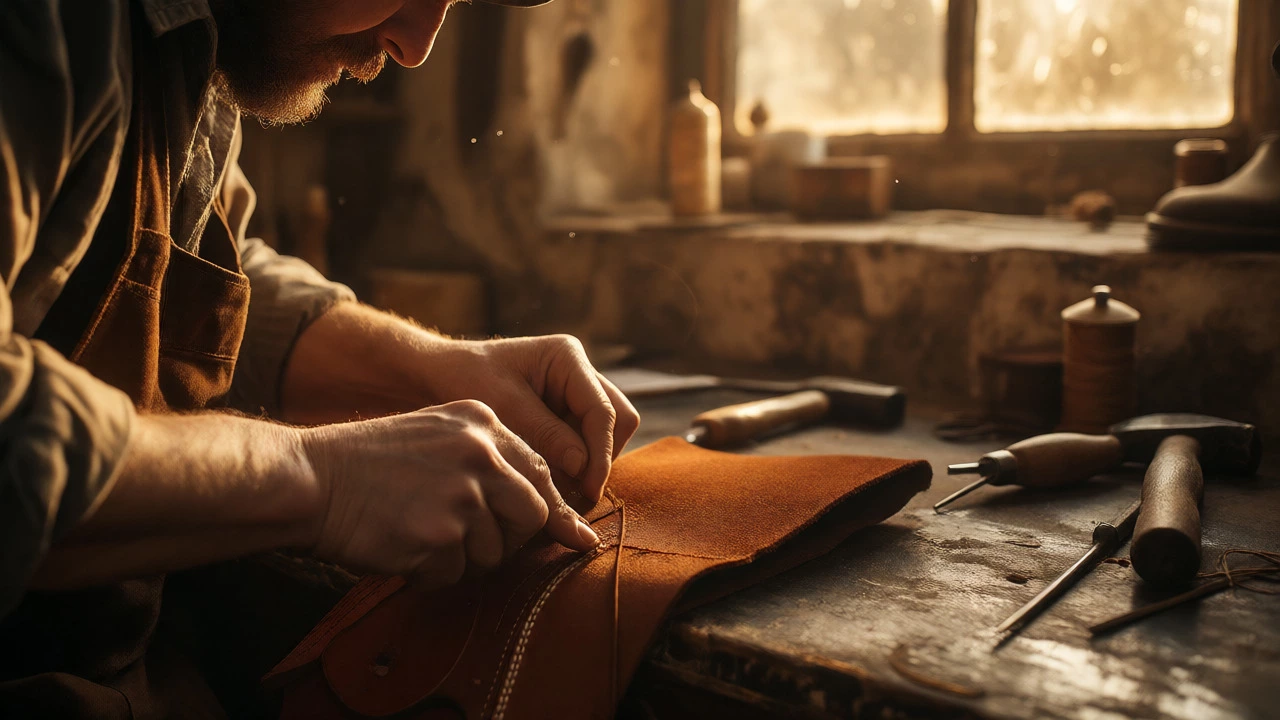
Consider the R.M. Williams equivalent in the Irish market: local artisans in places like Galway and Cork who produce bespoke leather goods. The Irish leather industry relies on high-quality hides, often sourced from cattle raised in the lush pastures of Munster. This raw material quality gives Irish-made leather shoes a distinct advantage-they age beautifully. Unlike synthetic materials that crack, good Irish leather develops a patina that tells the story of your journey. If you buy a pair of handmade brogues from a cobbler in Connemara, you aren’t just buying a shoe; you’re investing in a piece of heritage that will likely outlast three pairs of fast-fashion trainers.
Beyond Boots: The Rise of the Minimalist Sneaker
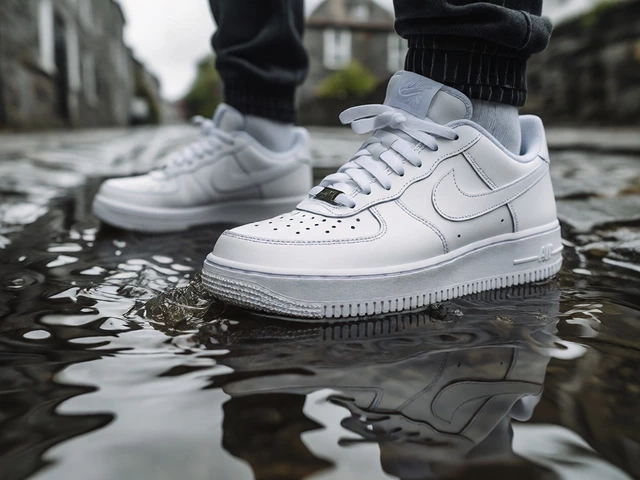
While the Chelsea boot takes the crown for formal and semi-formal wear, we must acknowledge the elephant in the room: the white leather sneaker. For sheer volume, the minimalist white sneaker is a contender for the title of "most worn." Think of the Adidas Stan Smith or the Common Projects Achilles Low. These shoes bridge the gap between gym wear and office attire. In cities like Dublin, where the corporate dress code has relaxed significantly post-pandemic, you’ll see more men wearing clean white leather sneakers with suits than traditional Oxfords.
However, there’s a catch. White sneakers require constant cleaning. In Ireland’s damp climate, keeping them pristine is a full-time job. Rain splashes turn them grey within hours. This maintenance burden pushes many buyers back toward darker, more resilient options like black or brown leather boots. So, while sneakers may win on popularity among teenagers and young professionals, boots win on practicality and long-term value.
How to Choose Your "Number One" Pair
Choosing the right shoe depends entirely on your lifestyle. Are you commuting via Luas in Dublin? Do you spend weekends hiking in the Wicklow Mountains? Or do you work in a conservative law firm in Belfast? Here is a quick guide to help you decide which shoe deserves a spot in your wardrobe.
| Feature | Chelsea Boot | Leather Derby | Minimalist Sneaker | Hiking Boot |
|---|---|---|---|---|
| Versatility | High (Casual to Formal) | Medium (Formal/Business) | High (Casual only) | Low (Outdoor/Rough) |
| Weather Resistance | Excellent | Moderate | Poor | Superior |
| Comfort Level | Good (Break-in required) | Variable (Depends on sole) | Excellent (Immediate) | Excellent (Supportive) |
| Lifespan | 5-10 Years | 3-7 Years | 1-3 Years | 2-5 Years |
| Irish Availability | Widely available | Standard stock | Ubiquitous | Niche specialist shops |
Caring for Leather in the Irish Climate
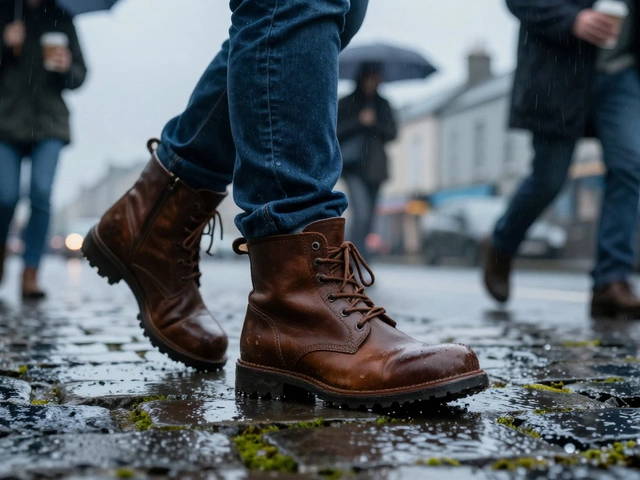
Owning the number one shoe is useless if you don’t maintain it. Ireland’s humidity is both a blessing and a curse for leather. The moisture keeps the leather supple, preventing it from drying out and cracking, which is common in drier climates like Arizona. But too much moisture leads to mold and rot. If you live near the coast in Sligo or Kerry, salt air can also degrade stitching over time.
Here is a simple routine to keep your boots looking sharp:
- Dry Naturally: Never put wet shoes next to a radiator. Heat warps the leather. Stuff them with newspaper instead. The paper absorbs moisture and helps retain the shape.
- Condition Regularly: Use a beeswax-based conditioner every three months. Beeswax is natural and provides a water-resistant barrier without clogging the pores of the leather.
- Rotate Your Shoes: Give each pair at least 24 hours to dry out completely before wearing them again. This extends their life significantly.
- Use Shoe Trees: Cedar shoe trees are worth the investment. They absorb residual moisture and prevent creasing. You can find excellent cedar products at local haberdasheries in towns like Limerick or online from Irish retailers.
Where to Buy Quality in Ireland
You don’t need to fly to London or New York to find world-class footwear. The Irish market is surprisingly robust. For mass-market reliability, stores like Arnotts or Brown Thomas offer solid selections of international brands. However, for something truly special, seek out independent boutiques.
In Dublin, check out shops in the Temple Bar area or along Drury Street that specialize in artisanal leather goods. In Galway, the Latin Quarter hosts several small workshops where you can commission custom-fit boots. Supporting these local businesses keeps the craft alive. Plus, the personal service is unmatched. A shop owner in a small town in Mayo will know exactly how to fit your foot, whereas a big-box store employee might just hand you a size 9 and hope for the best.
The Verdict
So, what is the number one shoe in the world? If you define "number one" by sales volume, it’s probably a generic white sneaker. But if you define it by impact, durability, and timeless style, the answer leans heavily toward the leather Chelsea boot. It is the chameleon of the footwear world, adapting to almost any situation while offering protection against the elements. For those of us in Ireland, it’s more than just a trend; it’s a practical necessity disguised as fashion.
Invest in one great pair rather than five cheap ones. Look for Goodyear welting, full-grain leather, and reputable craftsmanship. Whether you choose a local maker from Offaly or a global brand with Irish roots, your feet will thank you the next time a sudden shower hits while you’re walking home from the pub.
Why are leather shoes so popular in Ireland?
Leather shoes are popular in Ireland primarily due to the climate. Leather is breathable yet water-resistant when treated properly, making it ideal for the frequent rain and mild temperatures found across the island. Additionally, Ireland has a strong heritage of leather craftsmanship, particularly in regions like Offaly and Galway, which makes high-quality leather accessible and culturally valued.
Are Chelsea boots suitable for formal occasions?
Yes, Chelsea boots are highly versatile. In sleek black leather, they are appropriate for most business casual settings and even some formal events. However, for very strict black-tie events, traditional patent leather opera pumps or polished Oxfords are still preferred. For weddings and smart dinners, a well-maintained leather Chelsea boot is widely accepted in modern Irish society.
How do I waterproof my leather shoes?
To waterproof leather shoes, start by cleaning them thoroughly. Once dry, apply a wax-based polish or a dedicated leather conditioner containing beeswax or lanolin. Allow it to soak in for several hours. For extra protection, use a silicone-free waterproofing spray designed specifically for leather. Avoid using heavy oils that can darken the leather excessively unless you want that effect.
What is the difference between Goodyear welt and Blake stitch?
A Goodyear welt involves stitching the upper to a strip of leather (the welt) and then attaching the sole to the welt. This allows for multiple resoles and better water resistance. A Blake stitch attaches the sole directly to the upper, resulting in a lighter, more flexible shoe but one that is harder to resole. For Irish weather, Goodyear welted shoes are generally recommended for their durability and ease of repair.
Can I wear leather boots in summer?
Absolutely. Lighter colored leathers, such as tan or cognac, reflect sunlight and keep feet cooler than black leather. Unlined leather boots also breathe better. Many people in Ireland wear Chelsea boots year-round. Just ensure you rotate them with breathable canvas shoes during heatwaves to give your feet a break.