24
Why Do People Wear Leather Shoes in Ireland? Durability, Style & Tradition
Irish Footwear Cost Calculator
Based on "Buy Nice or Buy Twice" Philosophy
Synthetic Total
Leather Total
Why Leather Wins in Ireland:
- ✓ Breathable in humid weather
- ✓ Repairable soles extend life significantly
- ✓ Develops patina instead of falling apart
- ✗ Synthetics rot quickly in constant drizzle
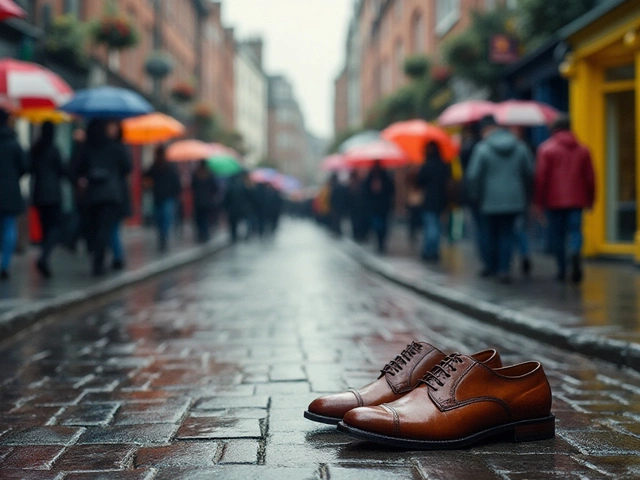
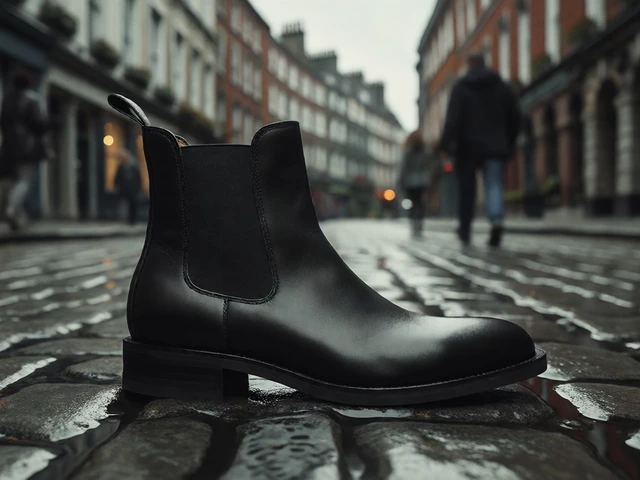
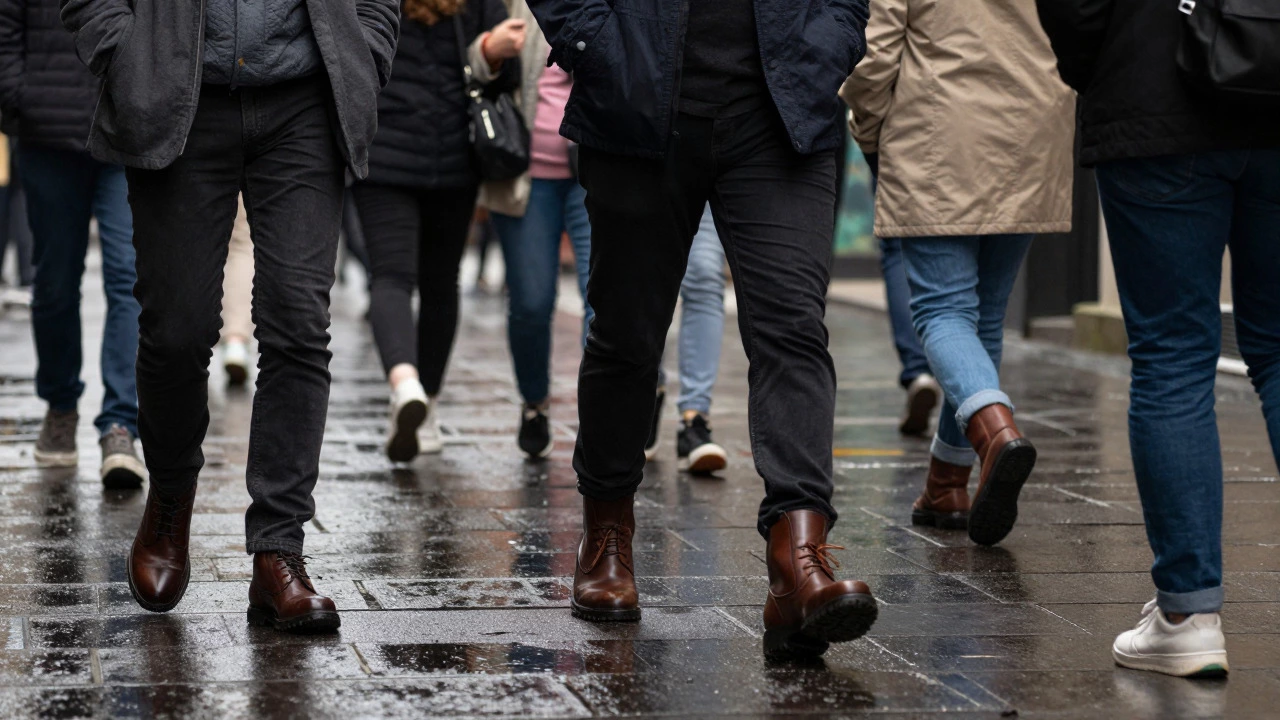
Walk down Grafton Street in Dublin on a rainy Tuesday, and you’ll notice something odd. Despite the grey skies and the inevitable drizzle, most people aren’t wearing rubber boots or cheap sneakers. They’re wearing leather shoes. Polished oxfords, rugged chukkas, sturdy ankle boots. It seems counterintuitive, doesn’t it? Why choose a material that can rot in damp conditions when we live in one of the wettest countries in Europe?
The answer isn’t just about looking good for a date in Temple Bar. It’s about survival, status, and a deep-rooted respect for craftsmanship that has shaped Irish footwear culture for generations. Here in Ireland, leather isn’t just an accessory; it’s armor against the elements and a badge of quality in a market flooded with fast-fashion disposables.
The Practical Reality: Weathering the Irish Climate
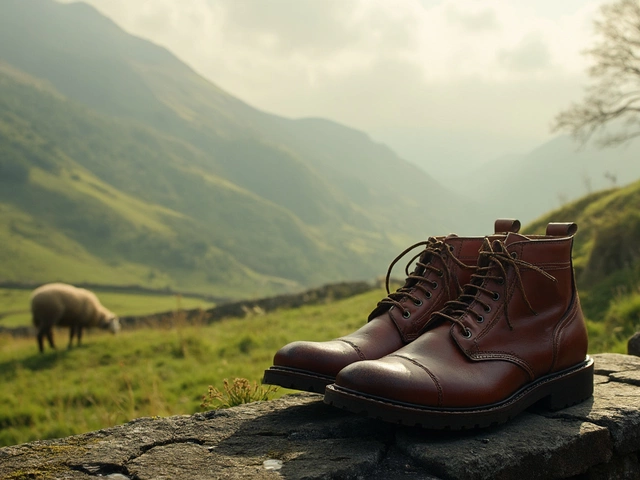
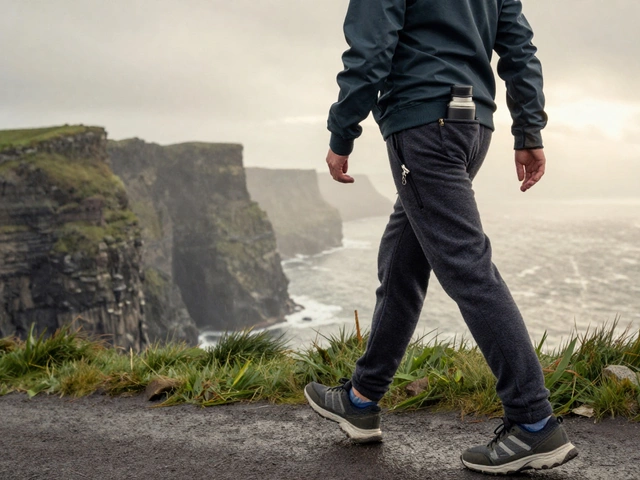
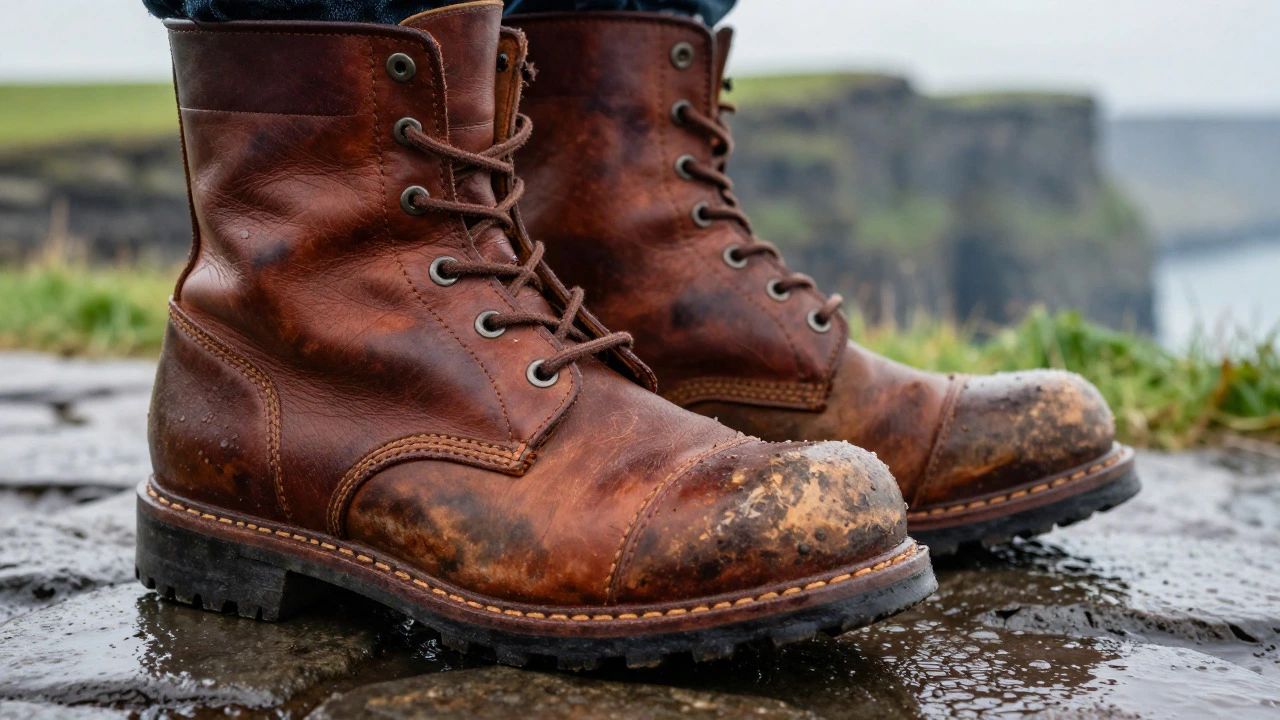
Let’s be honest about the weather. If you’ve ever tried to hike the Cliffs of Moher in canvas trainers, you know the pain. Your feet get cold, your socks get soaked, and within an hour, you’re miserable. Leather, specifically full-grain leather treated properly, handles this differently.
Leather is breathable. Unlike synthetic plastics found in many budget sports shoes, natural hide allows moisture vapor from your sweat to escape. This keeps your feet drier from the inside out. When combined with a good wax polish or waterproofing spray-something every household in Galway or Kerry should have-it becomes highly resistant to rain.
Think about the traditional Irish work boot. For centuries, farmers and laborers relied on heavy leather boots because they lasted. A pair of well-made leather shoes might cost €150 upfront, but if you care for them, they last five years or more. Compare that to the €40 high-street sneakers that fall apart after six months of walking on cobblestones in Dingle or Limerick. The math favors leather, even here in the rain.
| Feature | Full-Grain Leather | Synthetic/Mesh Sneakers |
|---|---|---|
| Rain Resistance | High (with treatment) | Low (soaks through quickly) |
| Breathability | Excellent | Poor to Moderate |
| Lifespan | 5-10+ years | 6-18 months |
| Repairability | High (soles, heels, polish) | Low (usually disposable) |
| Cost Per Year | €15-30 | €40-80 |
Craftsmanship and the "Buy Once, Cry Once" Mentality
There’s a saying in Ireland: "Buy nice or buy twice." This philosophy drives the preference for leather among professionals and students alike. In cities like Cork and Dublin, where commuting often involves walking long distances between Luas stops and offices, comfort and durability are non-negotiable.
Ireland has a rich history of shoemaking. While much of the manufacturing has moved overseas, the appreciation for the craft remains. Brands like Grenson, though British, are staples in Irish wardrobes, alongside local cobbler shops that still operate in towns like Kilkenny and Waterford. These cobblers don’t just fix shoes; they restore them. You can resole a leather boot three times before the upper gives out. Try doing that with glued-together synthetic foam.
This repairability is crucial. In a country where sustainability is becoming a major talking point, throwing away shoes every year feels wasteful. Leather shoes age gracefully. Scuffs can be buffed out. Cracks can be conditioned. They develop a patina-a unique shine and color change-that tells the story of where you’ve been. A scuffed toe from a night out in Temple Bar or mud splatters from a hike in Connemara become part of the shoe’s character.
Social Status and Professional Expectations
Let’s talk about image. In Ireland, despite our reputation for being casual, there’s still a strong emphasis on presentation in professional settings. Walk into a law firm in Dublin’s financial district or a hotel in Killarney, and you’ll see a uniform: dark suits and polished leather shoes.
Leather signals competence. It says you pay attention to detail. In job interviews, business meetings, or even first dates, wearing clean, well-maintained leather shoes subconsciously communicates reliability. Conversely, worn-out sneakers can signal carelessness, regardless of how expensive your jacket is.
This extends to formal events too. Weddings in Ireland are huge affairs, often lasting all day and into the night. Guests need shoes that can handle dancing in a hall, walking across grass for photos, and surviving a late-night pint at the reception venue. Leather dress shoes provide the structure and support needed for these long days, whereas flip-flops or soft loafers would fail miserably.
The Role of Tradition and Heritage
Leather shoes are woven into Irish cultural identity. Think of the traditional attire associated with Irish dance or folk music. While modern dancers wear specialized soft shoes, the historical context is rooted in sturdy leather footwear designed for movement and durability.
Even in rural areas, the aesthetic of the "country gentleman" or the hardworking farmer relies on leather. Brands like Tredwell or Clarks Desert Boots (though not exclusively Irish) are iconic in Ireland because they bridge the gap between rugged outdoor use and smart-casual social settings. You can wear them to a pub in Galway city center just as easily as you can wear them to help a neighbor move house.
This versatility is key. In smaller towns, you might transition from a day at work to a night at the local céilí without changing clothes. Leather shoes adapt to these shifts better than almost any other footwear type.
Maintaining Leather Shoes in a Humid Climate
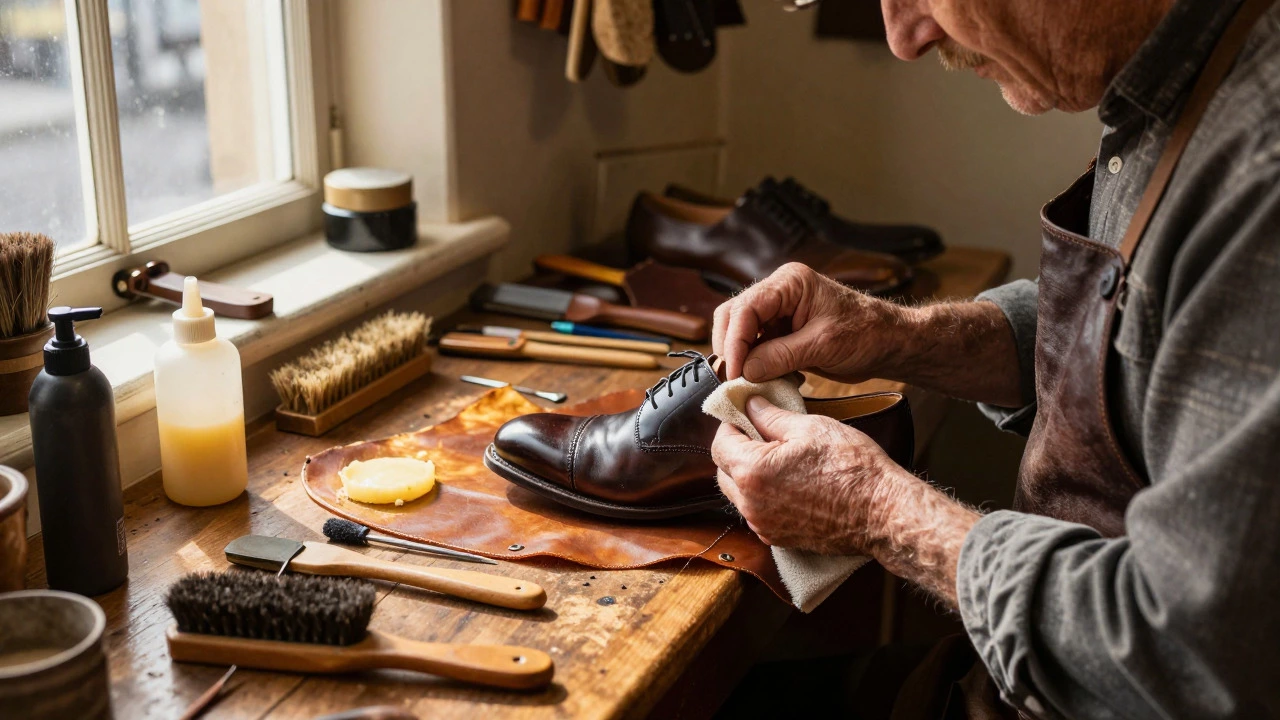
If you decide to join the ranks of leather shoe wearers in Ireland, you need to commit to maintenance. The humidity here is no joke. Without care, leather will crack, warp, or mold.
- Waterproofing: Apply a silicone-based spray or beeswax conditioner (like Saphir or Collonil) before the first wear. Reapply every few months, especially before winter.
- Drying: Never dry leather shoes near a radiator or fire. Heat shrinks and cracks the hide. Stuff them with newspaper to absorb moisture and let them air dry at room temperature.
- Polishing: Use a cream polish to nourish the leather and a wax polish for shine and water resistance. Polish once a month for regular wear.
- Rotation: Don’t wear the same pair two days in a row. Leather needs time to breathe and return to its shape. Own at least two pairs.
Local shoe shops in Ireland often offer free cleaning services if you buy their products. Take advantage of this. Building a relationship with your local cobbler is worth it-they can spot issues before they become costly repairs.
Alternatives and Modern Trends
Not everyone loves leather. Vegan alternatives made from cork, apple skin, or recycled plastics are gaining popularity in urban centers like Dublin and Cork. These materials are lighter and require less maintenance. However, they often lack the longevity and breathability of genuine leather.
For those concerned about animal welfare, look for brands certified by PETA or using innovative bio-materials. But be aware: in Ireland’s wet climate, many vegan materials degrade faster than treated leather. Test them thoroughly before relying on them for daily commutes.
Ultimately, the choice comes down to what you value. If you want low upfront cost and don’t mind replacing shoes frequently, synthetics work. If you value durability, repairability, and timeless style, leather remains the king of Irish footwear.
Are leather shoes actually waterproof in Ireland?
No leather is 100% waterproof out of the box, but full-grain leather can be treated to be highly water-resistant. With regular application of wax or silicone sprays, leather shoes can withstand typical Irish rain without soaking through. However, prolonged immersion in puddles will eventually let water in.
How much should I spend on a good pair of leather shoes in Ireland?
For durable, high-quality leather shoes, expect to pay between €120 and €250. Budget options under €80 often use lower-grade leather or synthetic blends that won’t last as long. Investing in a mid-range pair from reputable brands ensures better construction and longer lifespan.
Where can I find reliable cobblers in Ireland?
Most larger towns in Ireland have independent cobblers. In cities like Dublin, Cork, and Galway, look for shops in shopping districts or near train stations. Ask for recommendations from local shoe retailers, as they often partner with trusted repair specialists. Online directories and local Facebook community groups also list highly-rated cobbler services.
Can I wear leather shoes to work in a casual office environment?
Yes, especially if you choose casual styles like chukkas, desert boots, or suede loafers. These styles pair well with jeans and smart-casual attire, making them suitable for most modern Irish workplaces. Avoid shiny patent leather unless the dress code is formal.
Is it ethical to buy leather shoes in Ireland?
Ethics depend on personal values. Many argue that buying durable leather goods reduces waste compared to frequent replacement of synthetic shoes. If you prefer cruelty-free options, seek out certified vegan leather alternatives made from plant-based materials. Research brand transparency regarding sourcing and production practices.