14
Surviving 12-Hour Shifts in Ireland: The Truth About Work Shoes

Work Shoe Finder for 12-Hour Shifts
Answer a few questions about your work environment to find the right shoe recommendation.
Why this choice?
Pro Tip for Long Shifts
You’ve just clocked off after a brutal 12-hour shift at the University Hospital Galway or maybe you’re wrapping up a long haul on a construction site in Dublin. Your feet feel like they’ve been beaten with hammers. You’re wondering if it’s normal for 12 hour shifts to hurt this much, or if you’re doing something wrong. Here’s the blunt truth: yes, they are hard. But the pain isn’t inevitable-it’s usually a gear failure.
In Ireland, we have a massive workforce operating on these extended schedules. From nurses in Cork to security guards in Limerick, and factory workers across the Midlands, the 12-hour model is standard. It saves money for employers and gives employees more days off. But your body wasn’t designed to stand still or walk the same loop for twelve hours straight. If you’re suffering, it’s rarely because you’re weak. It’s often because your shoes aren’t up to the task of Irish concrete floors and damp weather.
Why 12 Hours Breaks Your Body (And Your Budget)
Let’s look at the biology. When you stand for twelve hours, blood pools in your lower legs. Your muscles fatigue faster than they can recover. In a typical Irish hospital ward or retail store, you might walk 15 to 20 kilometers over that shift. That’s half a marathon, done slowly, on hard surfaces, while wearing clothes that don’t breathe well.
The problem isn’t just the time; it’s the repetition. Walking on soft grass in Connemara is easy. Standing on rigid vinyl flooring in a supermarket in Tallaght is punishing. The lack of shock absorption sends impact waves up through your ankles, knees, and hips. Many people try to power through with cheap sneakers from a discount retailer. They last three weeks before the foam collapses. Then you’re paying again. This cycle of buying bad shoes repeatedly costs more than investing in proper work shoes from the start.
The Irish Climate Factor: Dampness and Comfort
You can’t talk about working long shifts in Ireland without talking about the weather. It’s not just cold; it’s damp. If your feet get wet or sweaty, blisters form. Blisters on hour two become agony by hour ten. Traditional leather boots can be great, but if they aren’t treated properly, they soak up moisture. And let’s be honest, nobody wants soggy socks during a break in a draughty canteen.
This is where breathable materials matter. You need shoes that wick away sweat but keep rain out. In places like Galway, where the wind cuts through everything, thermal regulation is key. If your feet overheat, you swell. If they get too cold, circulation drops. Both scenarios make the end of the shift miserable. Look for membranes like Gore-Tex or high-quality synthetic equivalents that offer waterproofing without turning your shoe into a plastic bag.
What Makes a Shoe "Good" for Long Shifts?
Not all comfortable shoes are good for work. A plush running shoe feels amazing in the shop but offers zero stability when you’re carrying trays or tools. For 12-hour endurance, you need specific features. Forget fashion. Focus on function.
- Arch Support: Flat soles are the enemy. You need structural support that matches your foot type. Most Irish workers have average arches, but many have flat feet due to years of walking on uneven terrain or poor early footwear. Custom orthotics can help, but a good shoe has built-in support.
- Cushioning vs. Stability: Soft foam bottoms out quickly. You need dual-density midsoles-softer on top for comfort, firmer underneath for support. Brands like Hoka or Brooks have made strides here, but traditional work brands like Birkenstock Professional or Dansko are also popular in Irish hospitals.
- Wide Toe Box: Your feet swell during the day. If your toes are squashed at hour one, they’ll be screaming by hour twelve. Avoid narrow Italian styles. Go for wider fits.
- Slip Resistance: Especially relevant for hospitality staff in busy pubs or kitchens. Wet floors are common. Check the sole rating. It’s not worth breaking an ankle for style.
Top Contenders for the Irish Worker
When shopping in Ireland, you’ll see certain names dominate. Here’s how they stack up for real-world use.
| Brand/Type | Best For | Pros | Cons | Avg Price in Ireland (€) |
|---|---|---|---|---|
| Hoka Bondi | Nurses & Retail | Maximum cushioning, lightweight | Wears out fast on rough floors, expensive | 140 - 170 |
| Birkenstock Professional | Kitchen Staff | Excellent arch support, durable cork | Heavy, needs break-in period | 160 - 200 |
| Dansko Clogs | Healthcare | Easy on/off, rocker bottom reduces strain | Can cause calf tightness initially | 180 - 220 |
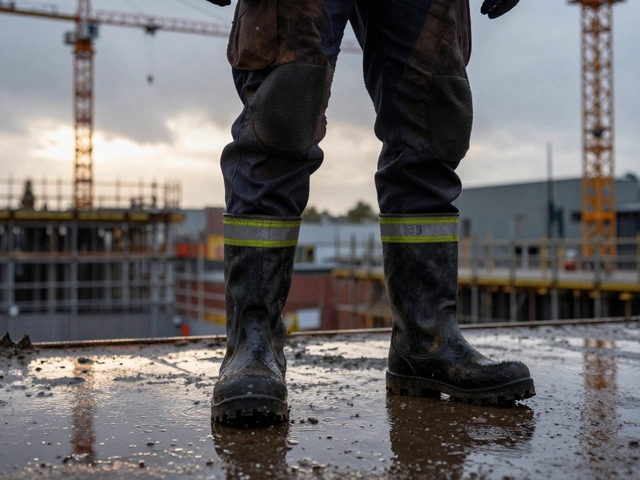
| Merrell Safety Boots | Construction/Industrial | Tough, waterproof options available | Heavier, less breathable | 120 - 160 |
| Skechers Work | General Labor | Affordable, wide sizes available | Less durable, less support | 80 - 110 |
Note that prices in Dublin or Cork might vary slightly compared to online retailers like ASOS or specialized medical supply stores. Always check return policies. What works for your colleague might destroy your back.
The Rotation Rule: Don’t Wear Them Every Day
This is the secret most people ignore. Foam-based shoes need 24 to 48 hours to decompress. If you wear the same pair for every 12-hour shift, the material never recovers its shape. It stays compressed. You lose all cushioning within months.
Buy two pairs. Rotate them. Let one rest while you wear the other. This doubles the lifespan of both pairs. It sounds like extra cost, but think about it: instead of replacing one pair every four months, you replace two pairs every eight months. Same cost, double the comfort. Plus, having a backup means you’re never stuck with wet shoes if it rains on your way home in Kerry.
Recovery: What to Do After the Shift
Changing shoes isn’t enough. You need active recovery. In Ireland, we love a hot bath, but contrast therapy is better. Alternate between warm water and cold water to flush out lactic acid and reduce inflammation. Elevate your legs above heart level for 15 minutes. Gravity helps drain the pooled blood.
Stretching is non-negotiable. Focus on calves and hamstrings. Tight calves pull on the heel bone, causing plantar fasciitis-a common complaint among Irish healthcare workers. Use a tennis ball or a frozen water bottle to roll under your arch. It hurts, but it releases tension.
If you live in a city like Dublin, you might be tempted to take public transport home. Stand up if possible. Sitting immediately after a long shift can stiffen joints. Gentle movement keeps things loose.

Common Myths About Work Shoes
There’s a lot of nonsense out there. Let’s clear it up.
Myth 1: Expensive equals better. Not always. Some €300 boots are over-engineered for indoor work. Some €90 shoes are perfectly adequate if they fit well. Fit beats brand every time.
Myth 2: All white shoes are the same. In nursing, everyone wears white. But the quality varies wildly. Cheap canvas whites offer no support. Invest in structured white sneakers designed for clinical environments.
Myth 3: You should break them in gradually. For modern athletic-style work shoes, this is outdated. They should feel comfortable immediately. If they hurt in the first week, they won’t get better. Return them.
Where to Buy in Ireland
Trying shoes on is crucial. Sizes vary by brand. A size 8 in Nike isn’t a size 8 in Birkenstock. Visit physical stores if you can. Chains like Clarks or independent orthopedic specialists in towns like Galway or Cork offer professional fitting services. They measure your gait and arch height. This service is often free or included in the price.
Online shopping is convenient, but risky. Ensure the retailer has a generous returns policy. Some Irish sites charge for return shipping, which eats into your budget. Read reviews specifically mentioning "long shifts" or "standing all day." Ignore reviews about style. You’re buying equipment, not accessories.
Final Thoughts: Is It Worth the Pain?
Are 12-hour shifts hard? Yes. Physically and mentally. But with the right gear, they become manageable. You don’t have to accept chronic pain as part of the job description. In Ireland, where we pride ourselves on resilience, sometimes we forget to care for our bodies. We push through. But pushing through with bad shoes leads to injuries that force you out of work entirely.
Treat your feet like the foundation of your career. Spend the money upfront. Rotate your pairs. Stretch daily. Listen to your body. If the pain persists, see a podiatrist. Many are covered partially by health insurance plans available through employers like the HSE or private insurers like Vhi or Laya.
Your future self will thank you for choosing comfort over convenience today.
How many pairs of work shoes do I really need?
Ideally, two pairs. Rotating them allows the cushioning materials to decompress fully between shifts, extending the life of each pair and maintaining consistent support levels throughout their lifespan.
Are clogs good for 12-hour shifts?
Clogs, such as those from Dansko or Birkenstock, can be excellent for 12-hour shifts due to their rocker-bottom design which encourages movement and reduces strain on the feet. However, they require a break-in period and may cause calf fatigue for some users initially.
Should I buy safety boots for office-like settings?
No. Unless required by workplace regulations, heavy safety boots with steel toes are unnecessary for low-risk environments like offices or clinics. They add weight and restrict breathability, leading to faster fatigue compared to lighter, supportive sneakers.
How do I know if my shoes are dead?
Check the tread pattern for uneven wear, especially on the heels or outer edges. Press down on the midsole; if it doesn't spring back quickly, the foam is compressed. Also, if you experience new pain in your knees or hips, your shoes likely lost their support capability.
Is custom orthotics worth it for 12-hour shifts?
If you have specific biomechanical issues like severe flat feet or plantar fasciitis, custom orthotics prescribed by a podiatrist can be highly beneficial. They provide personalized support that off-the-shelf insoles cannot match, potentially preventing long-term injury.