13
What is the Most Worn Shoe in the US? (And Why It Matters for Irish Footwear Trends)
Find Your Perfect Shoe Match
Loading...
Description goes here.
Key Features:
Why this fits:
Reasoning goes here.
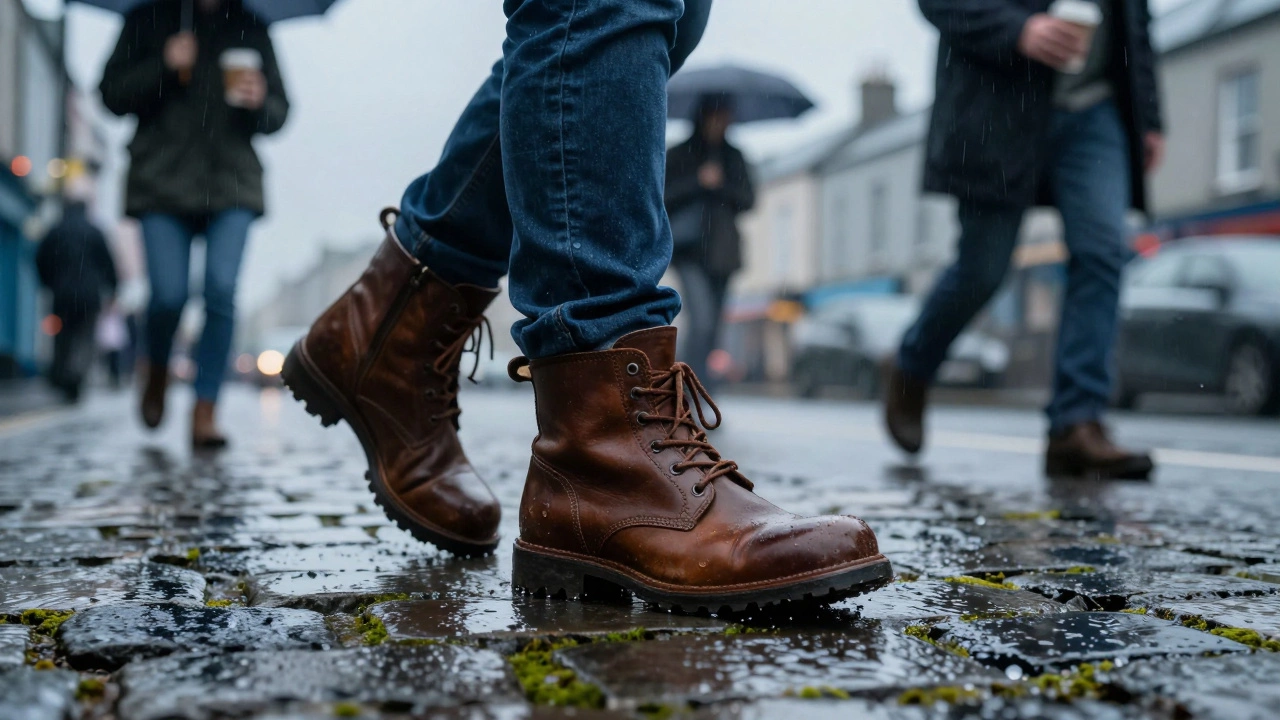
It’s a rainy Tuesday morning in Galway. You’re rushing to catch the bus into town, your coffee sloshing dangerously close to the rim of your cup. You glance down at your feet. What are you wearing? Chances are, it’s not a pair of pristine white sneakers, nor is it a formal oxford. It’s likely a sturdy pair of walking boots or a reliable pair of trainers that can handle both the cobblestones of the Latin Quarter and the sudden deluge typical of an Irish spring.
While we might be debating what constitutes the perfect 'Irish shoe' here on the west coast, the question often comes from across the Atlantic: what is the most worn shoe in the US? The answer isn't just trivia; it’s a window into how culture, climate, and lifestyle dictate our choices. For us in Ireland, understanding this helps us navigate our own market, where the weather demands durability but the style leans towards casual sophistication.
The American Champion: Sneakers Rule the Road
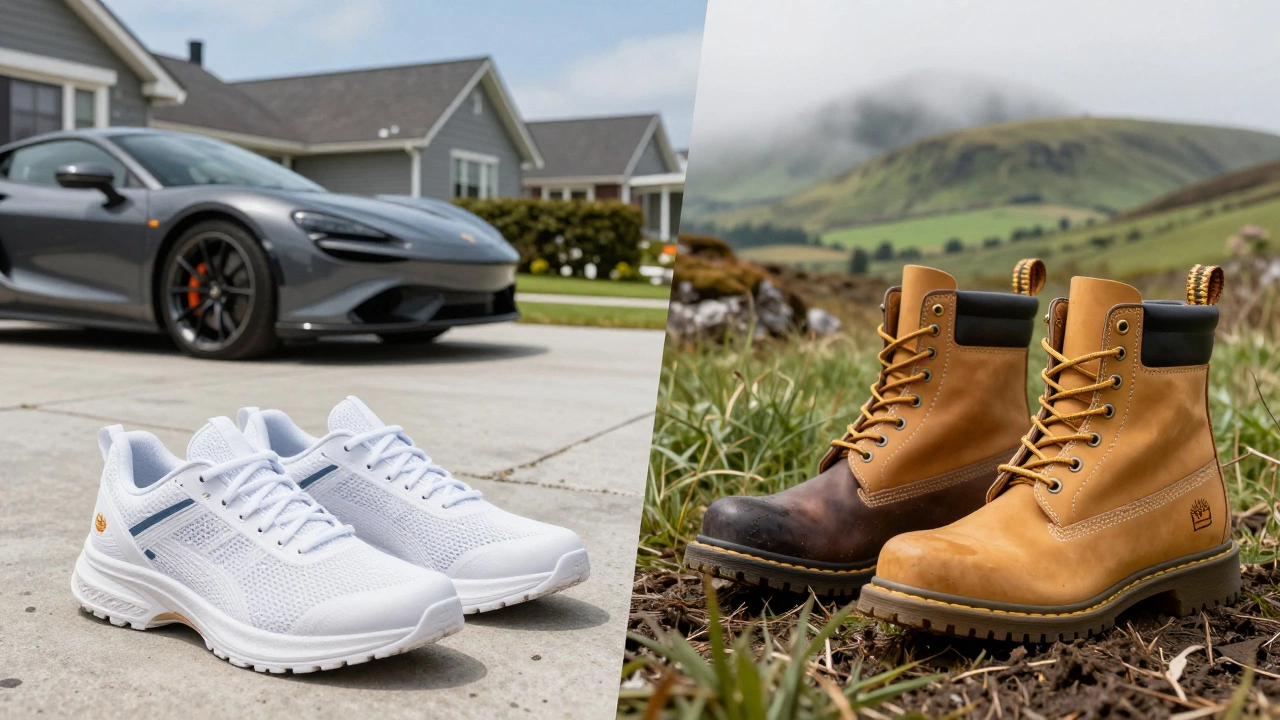
If you look at the data from the United States, the undisputed king of footwear is the sneaker. Specifically, athletic-style sneakers have dominated the American foot for decades. According to recent industry reports, over 60% of adults in the US wear sneakers as their primary daily footwear. Brands like Nike, Adidas, and New Balance aren’t just sports equipment; they are everyday uniforms.
Why does this happen in the US? It comes down to three factors: car culture, flat terrain, and a casual workplace ethos. In many American cities, people drive from their garage to their office parking lot. They don’t walk miles through rain or snow to get there. Once they arrive, the environment is climate-controlled. There’s no need for waterproofing or heavy insulation. A lightweight mesh sneaker works perfectly fine.
In contrast, if you live in Dublin, Cork, or even rural County Kerry, driving everywhere isn’t always practical. We walk more. We stand in lines. We deal with wind and rain. This fundamental difference in daily movement shapes our shoe choices drastically.
| Factor | United States | Ireland |
|---|---|---|
| Dominant Shoe Type | Athletic Sneakers | Walking Boots / Trainers |
| Primary Climate Driver | Mild/Controlled Indoors | Rain, Wind, Wet Ground |
| Material Preference | Synthetic Mesh, Foam | Leather, Suede, Waterproof Membranes |
| Workplace Norms | Casual/Business Casual | Mixed (Casual to Smart Casual) |
| Key Brand Examples | Nike, Adidas, Converse | Timberland, Dr. Martens, Clarks |
The Irish Reality: Weather Dictates Design
Let’s bring this back home. If you ask someone in Ireland what the most worn shoe is, you’ll get a different answer than the American statistic suggests. Here, the "most worn" category is split between two contenders: the rugged walking boot and the durable trainer.
Consider the geography. From the cliffs of Moher to the bogs of Connemara, the ground is often soft, wet, or uneven. Leather shoes, particularly those treated with wax or oil, become essential. A standard canvas sneaker would be soaked within minutes of stepping outside during a typical November afternoon in Galway. That’s why brands like Timberland is a brand known for its waterproof yellow boots, widely popular in Europe for outdoor durability hold such sway in the Irish market. They offer protection against the elements while maintaining a stylish edge.
Another key player is Dr. Martens is a British footwear brand famous for its sturdy leather boots, deeply embedded in Irish youth culture and music scenes. These boots are iconic in Ireland, not just for their look but for their ability to withstand puddles, mud, and long days out at festivals like Electric Picnic. They bridge the gap between workwear and fashion, making them versatile enough for a pub night in Limerick or a hike in the Wicklow Mountains.
Leather Shoes: The Underrated Workhorse
You mentioned leather shoes specifically. While sneakers dominate the US charts, leather remains the backbone of the Irish wardrobe, especially for men and professional women. In Ireland, "smart casual" is a common dress code. This means you can’t just throw on gym shoes to meet clients in a Dublin office or attend a wedding in Mayo.
Leather offers something synthetics can’t match: breathability and longevity. A good pair of leather brogues or derbies can last ten years if cared for properly. In the US, the trend has shifted towards fast fashion and disposable footwear, where shoes are replaced every season. In Ireland, there’s still a strong cultural appreciation for quality craftsmanship. We buy less, but we buy better. This is evident in the enduring popularity of local cobbler services and brands like Clarks is a British shoemaker renowned for comfort-focused leather footwear, widely trusted by older demographics in Ireland, which has maintained a loyal following here for generations.
However, even leather needs adaptation. Pure leather isn’t naturally waterproof. That’s why you’ll see many Irish men opting for leather boots with Gore-Tex linings or treated suede. It’s a hybrid approach-keeping the aesthetic of traditional leather while adding modern technology to fight the damp.
The Rise of Hybrid Footwear
As the lines between work, leisure, and travel blur, so do our shoes. The "hybrid" shoe is becoming the new standard in Ireland. Think of shoes like the Allbirds Tree Runners is a sustainable sneaker made from eucalyptus tree fiber, gaining traction among eco-conscious consumers in urban Ireland or the waterproof versions of classic trainers from brands like Salomon.
These shoes appeal to the modern Irish consumer who might cycle to work in the city, grab lunch outdoors, and then head to a gig in the evening. They need versatility. They don’t want to carry a spare pair of shoes in their bag. This trend mirrors a shift seen in the UK and Northern Europe, distinct from the purely performance-driven sneaker culture of the US.
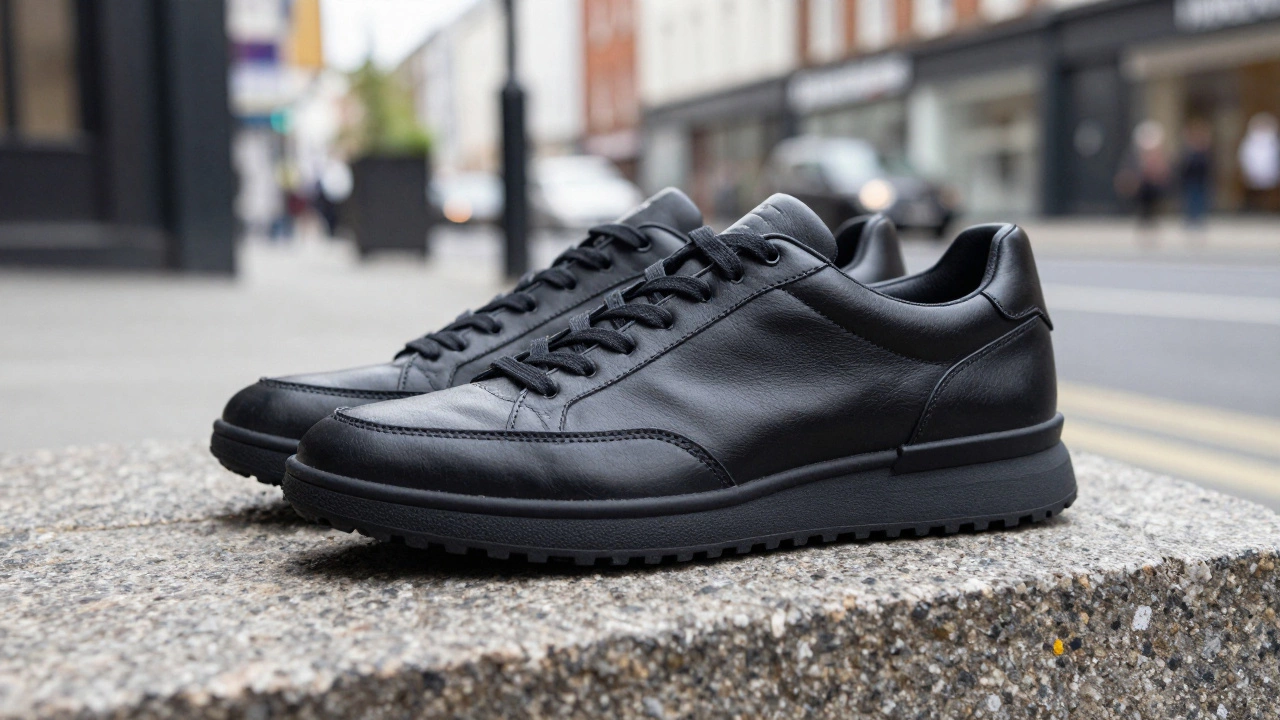
In cities like Dublin and Cork, you’ll notice more people wearing sleek, all-black leather sneakers or dark grey trainers that look polished enough for a restaurant but comfortable enough for walking five miles home. It’s a pragmatic evolution driven by urbanization and active lifestyles.
How to Choose the Right Shoe for Your Lifestyle
So, if you’re trying to decide what to buy next, consider your actual day-to-day life. Don’t just follow the US trend of buying cheap sneakers because they’re popular globally. Ask yourself these questions:
- Where do I walk most? If it’s on wet grass, muddy trails, or slick stone pavements, prioritize grip and water resistance. Look for Vibram soles or similar high-traction technologies.
- What is my workplace like? If you’re in a corporate setting in financial district Dublin, leather loafers or oxfords may still be required. If you’re in tech or creative industries in Galway City, clean leather sneakers are acceptable.
- How much maintenance am I willing to do? Leather requires polishing and conditioning. Synthetics just need a wipe. If you hate upkeep, lean towards high-quality synthetic materials that mimic leather.
- Do I value sustainability? The Irish market is increasingly conscious of environmental impact. Brands that use recycled materials or offer repair services (like Vespa is a scooter manufacturer, though unrelated to shoes, illustrating the importance of choosing relevant entities; instead, consider brands like ECCO which emphasizes direct manufacturing and recycling) are worth exploring.
Local Shopping Tips in Ireland
When hunting for the perfect pair, take advantage of Ireland’s retail landscape. Independent shoe shops in towns like Kilkenny, Waterford, and Dingle often carry niche brands you won’t find in big department stores. They also provide fitting advice tailored to your specific gait and foot shape.
Don’t overlook second-hand options. Vintage leather boots from the 1980s and 90s are highly sought after in Ireland because they were often made with higher-quality materials than today’s mass-produced alternatives. Check out charity shops or vintage markets in places like Temple Bar (Dublin) or the Spanish Arch (Cork).
Also, keep an eye on seasonal sales. In Ireland, the end-of-season clearance in January and July can offer significant discounts on winter boots and summer sandals respectively. Timing your purchase can save you hundreds of euros.
Is it true that Americans only wear sneakers?
Not exclusively, but sneakers are the dominant category. Due to car-centric infrastructure and mild climates in many regions, Americans prioritize comfort and ease. However, in cities like New York or San Francisco, you will see a mix of boots, heels, and dress shoes, especially in professional settings.
What is the best type of leather for Irish weather?
Full-grain leather treated with wax or oil is ideal. It repels water naturally and develops a patina over time. Suede is beautiful but requires heavy waterproofing spray to survive Irish rains. Avoid thin, unlined leather for winter months.
Can I wear sneakers to work in Ireland?
It depends on your industry. In tech, media, and creative sectors, clean, minimalist leather sneakers are widely accepted. In law, finance, or traditional hospitality, leather shoes remain the standard. When in doubt, observe your colleagues or err on the side of formality.
Why are Dr. Martens so popular in Ireland?
Dr. Martens combine durability with cultural identity. They are tough enough for outdoor activities and stylish enough for urban nightlife. Their association with punk, rock, and alternative music resonates strongly with Irish youth culture, making them a timeless choice.
How do I maintain my leather shoes in humid conditions?
Use cedar shoe trees to absorb moisture and maintain shape. Apply a conditioner every few months to prevent cracking. Store them in a dry, ventilated area away from direct heat sources. Regular brushing removes dirt before it embeds into the leather.