5
What Does UGG Stand For? The True History of the Iconic Boot
UGG Boot Knowledge Quiz
Loading question...
Quiz Complete!
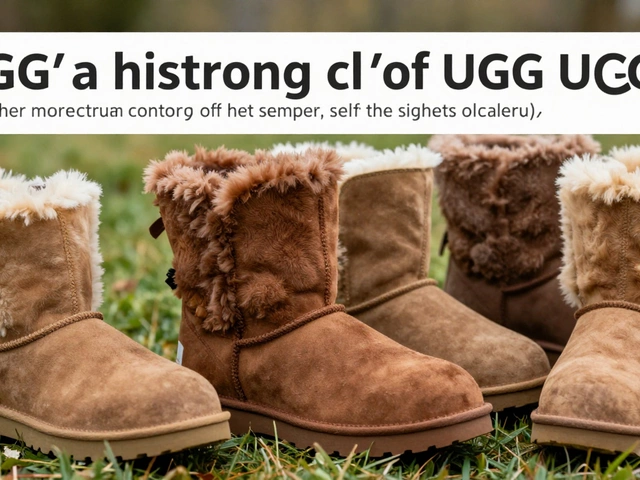
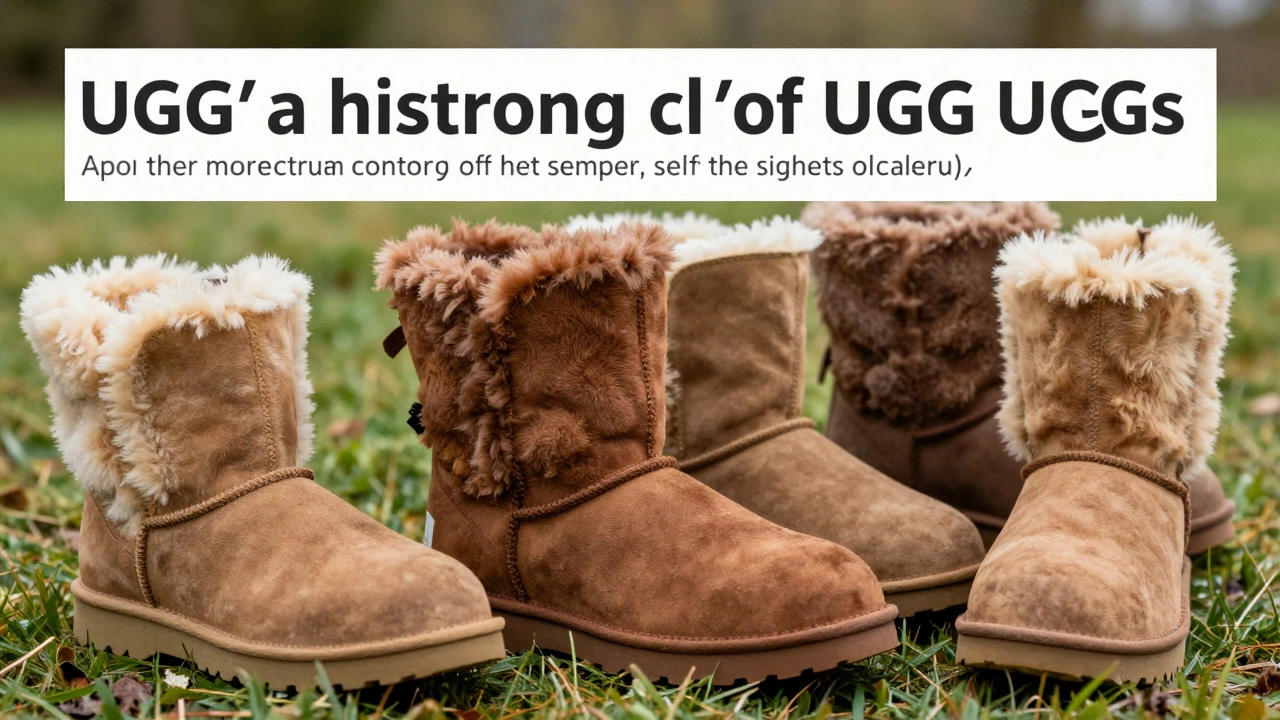
Walking down Grafton Street in Dublin or strolling through the cobblestones of Galway’s Latin Quarter, you will inevitably see them. They are the unofficial uniform of the Irish winter: chunky, fuzzy, and undeniably cozy. But have you ever stopped to ask yourself what those three bold letters on the heel actually mean? It is a question that comes up more often than you might think, especially when the rain starts lashing against the windows and everyone retreats into their warmest socks. You might guess it stands for "Ultra Good Gear" or perhaps something related to sheep. The truth, however, is far simpler and rooted in the rugged history of surf culture rather than corporate branding.
In this article, we will strip back the marketing layers to reveal exactly what UGG stands for, where these boots truly originated, and why they have become such a staple in the Irish wardrobe despite having nothing to do with our local climate originally. We will also look at how the brand has evolved from a niche Australian item to a global fashion phenomenon, and what that means for shoppers here in Ireland today.
The Short Answer: It Is Just a Word
Here is the punchline that surprises most people: UGG does not stand for anything. It is not an acronym. There are no hidden initials waiting to be decoded. The word simply refers to a type of boot made from sheepskin with the wool facing inward. In Australia and New Zealand, "ugg" (often written in lowercase) was a generic term for this style of footwear for decades before it became a trademarked brand name.
Think of it like the word "crumpet." In Ireland, if you ask for a crumpet, you know exactly what you are getting-a specific type of bread product. You don’t wonder if C-R-U-M-P-E-T stands for "Crunchy Round Unleavened Morning Pastry Eating Treat." It is just the name of the thing. Similarly, in the mid-20th century, Australians used the word "uggs" to describe any sheepskin boot worn by farmers, soldiers, and surfers. The brand later adopted this common noun as its proper name, effectively turning a generic descriptor into a proprietary logo.
From Surfboards to Sheepskins: The Australian Origins
To understand why the word stuck, we have to look at where these boots were born. While many assume UGGs are American, their roots are deeply embedded in the Pacific coast of Australia and New Zealand. During World War II, Australian and New Zealand military pilots would wear sheepskin boots to keep their feet warm during cold flights over the ocean. The natural insulation of the sheepskin kept feet dry and warm, even in damp conditions.
After the war, this practical footwear trickled down to civilian life. Surfers in California and Australia began wearing them to warm up after exiting the freezing water. Imagine paddling out in the Atlantic off the coast of Clare; while the water temperature is different, the principle remains the same. You need immediate warmth once you hit the sand. These boots provided that instant comfort. By the 1970s, several small family-owned businesses in Australia and the US were manufacturing these boots under the name "UGG." One of the most notable early manufacturers was Smith Family Enterprises in Perth, Australia, who claimed to have started making them in the 1960s.
The Brand That Bought the Name
If the word was generic, how did one company end up owning it? This is where the story gets interesting. In 1978, four American surfers-Brian Smith, Kevin Clark, Paul Litchfield, and Bob McKee-founded a company called UGG Australia in Santa Monica, California. They weren’t trying to invent a new word; they were capitalizing on an existing cultural trend. They marketed these boots not just as functional gear for surfers, but as a lifestyle accessory.
The real turning point came in 1995 when Deckers Outdoor Corporation (now known as Deckers Brands) acquired UGG Australia for about $4 million. At the time, the brand was relatively unknown outside of surf circles. Deckers saw potential in the cozy aesthetic and invested heavily in marketing. They registered trademarks for the name "UGG" in various countries, including the United States, although the trademark situation in Australia remains complex because the word is still considered generic there.
Today, Deckers Brands is a massive entity, generating billions in revenue. They own other well-known brands like Hoka and Teva, but UGG remains their crown jewel. The company has spent decades ensuring that when you see the logo, you think of premium quality, even though the original concept was humble and utilitarian.
Why Are UGGs So Popular in Ireland?
You might wonder why a boot designed for Californian beaches took hold so firmly in Ireland. The answer lies in our weather. Ireland is famous for its damp, chilly winters. We don’t get the bone-drying cold of Scandinavia or the heavy snowfall of Canada, but we do get persistent rain and wind chill. A regular leather boot can feel cold and stiff after hours in the wet. Sheepskin, however, is naturally moisture-wicking. It absorbs humidity from your feet without feeling wet, keeping you comfortable even if the ground is soggy.
In cities like Cork and Belfast, where pedestrians spend a lot of time walking on wet pavements, the convenience of slipping on a pair of UGGs indoors or for short trips to the local shop is invaluable. They bridge the gap between indoor slippers and outdoor shoes. For students in Trinity College Dublin or University College Cork, they are a budget-friendly way to stay warm during long days in the library. For professionals commuting from suburbs to city centers, they offer a quick change option that feels luxurious compared to standard house slippers.
Moreover, the fashion cycle played a role. In the late 2000s, celebrities like Paris Hilton and Kate Moss were spotted wearing UGGs, sparking a global craze. Ireland, always attuned to international fashion trends, jumped on board. What started as a celebrity fad settled into a cultural norm. Now, seeing someone in UGGs in July is rare, but from October to March, they are everywhere-from the bus stops in Derry to the cafes in Killarney.
Generic vs. Branded: Can You Still Call Them UGGs?
This is a crucial distinction for consumers in Ireland. Because "ugg" is a generic term in Australia and New Zealand, you can buy sheepskin boots there that are not branded by Deckers and still legally call them "uggs." However, in the United States, the UK, and Ireland, "UGG" is a registered trademark of Deckers Brands. This means that only boots made by the official company can carry the UGG logo and name in stores here.
If you walk into a high street store in Dublin or browse online retailers based in Europe, you will see many alternatives labeled as "sheepskin boots" or "Australian-style boots." These can be excellent value for money. Brands like Clarks, which has a strong presence in Ireland, or local cobbler-made options, often provide similar warmth and durability at a lower price point. The key difference is usually the finish and the brand prestige. Official UGGs undergo rigorous quality control, using Twinface sheepskin, which ensures the fur is dense and the leather is supple. Cheaper imitations may use synthetic materials or lower-grade sheepskin that sheds more and wears out faster.
For the savvy shopper in Ireland, knowing this difference helps you decide whether you are paying for the brand name or just the material. If you want the exact look and feel associated with the global campaign, you pay the premium. If you just want warm feet, there are plenty of locally available alternatives that perform just as well in our damp climate.
| Feature | Official UGG (Deckers) | Generic/Alternative Sheepskin |
|---|---|---|
| Price Range (Ireland) | €130 - €200+ | €40 - €90 |
| Material Quality | Premium Twinface Sheepskin | Varies (Synthetic to Mid-grade Sheepskin) |
| Brand Recognition | High (Global Status Symbol) | Low (Functional Focus) |
| Durability | High (With Proper Care) | Moderate to Low |
| Water Resistance | Low (Requires Spray Treatment) | Low (Varies by Manufacturer) |
Caring for Your Boots in the Irish Weather
Owning a pair of sheepskin boots in Ireland comes with responsibilities. Our weather is hard on suede and leather. If you treat your UGGs like rainboots, they will not last. The first rule is prevention. Before you step out into a drizzle in Galway or a storm in Donegal, apply a waterproofing spray designed specifically for suede and sheepskin. Products like UGG Cleaner & Conditioner Kit or generic equivalents available in pharmacies and department stores across Ireland can make a significant difference.
When they do get wet-and they will-do not put them near a radiator or a fire. Heat causes sheepskin to shrink and crack. Instead, stuff them with newspaper to absorb moisture and let them air dry at room temperature. This is a slow process, but it preserves the shape and texture of the boot. Many people in Ireland make the mistake of rushing this process, leading to ruined boots within a season. Patience is key.
Regular brushing is also essential. Use a suede brush to lift the nap of the fabric after each wear. This keeps the boots looking fresh and prevents dirt from embedding deep into the fibers. If you live in a city with high pollution levels, like Dublin or Cork, you might need to clean them more frequently to maintain their appearance.
The Cultural Impact Beyond Footwear
UGGs have transcended their function as mere footwear to become a cultural symbol. In Ireland, they represent comfort and practicality. They are the go-to gift for Christmas, often found under trees from Waterford to Sligo. They are associated with relaxation, weekend brunches, and staying in during a rainy Sunday. This emotional connection drives sales more than any technical specification.
However, there is also a growing conversation about sustainability. Sheepskin production has environmental impacts, and fast fashion critics argue that buying cheap knock-offs contributes to waste. As Irish consumers become more eco-conscious, there is a shift towards buying fewer, higher-quality items that last longer. This benefits brands like UGG, which position themselves as durable investments, but it also encourages support for local Irish shoemakers who use sustainable practices. Companies like Dr. Martens, though British, have a strong heritage in Irish manufacturing, and local artisans are beginning to explore ethical sheepskin alternatives.
Understanding what UGG stands for-or rather, what it doesn’t-helps us appreciate the journey of this simple boot. From the backs of Australian trucks to the shelves of Brown Thomas in Dublin, it is a testament to how a practical solution can evolve into a global icon. Whether you choose the branded version or a local alternative, the goal remains the same: keeping your feet warm and dry in the face of Ireland’s unpredictable weather.
Does UGG stand for Ultra Good Gear?
No, this is a common myth. UGG is not an acronym. It is simply the generic Australian term for sheepskin boots that was later trademarked by the brand.
Are UGG boots waterproof?
No, standard UGG boots are not waterproof. They are water-resistant to a degree, but prolonged exposure to rain can damage the sheepskin. It is highly recommended to use a waterproofing spray before wearing them in wet conditions.
Where can I buy authentic UGG boots in Ireland?
Authentic UGG boots are available at major department stores like Brown Thomas and Dundas, as well as dedicated shoe retailers and the official UGG website which ships to Ireland. Always check for authorized retailer status to avoid counterfeits.
How much do UGG boots cost in Ireland?
Prices vary by style, but classic UGG boots typically range from €130 to €180. Special editions or larger sizes may cost more. Sales during seasonal changes can offer discounts of 20-50%.
Can I wash UGG boots in the washing machine?
Absolutely not. Machine washing will ruin the sheepskin, causing it to shrink, harden, and lose its shape. Always hand clean with a specialized suede cleaner and conditioner.
Why are UGGs so popular in Ireland despite the rain?
Sheepskin is naturally moisture-wicking and insulating, making it comfortable even in damp conditions. Combined with their cozy aesthetic and celebrity influence, they became a cultural staple for Irish winters.