7
The World's Number One Shoe: A Guide to Iconic Footwear for Irish Weather
Irish Footwear Finder
Answer three quick questions to discover which of the world's top footwear choices suits your lifestyle in Ireland.
Recommendation
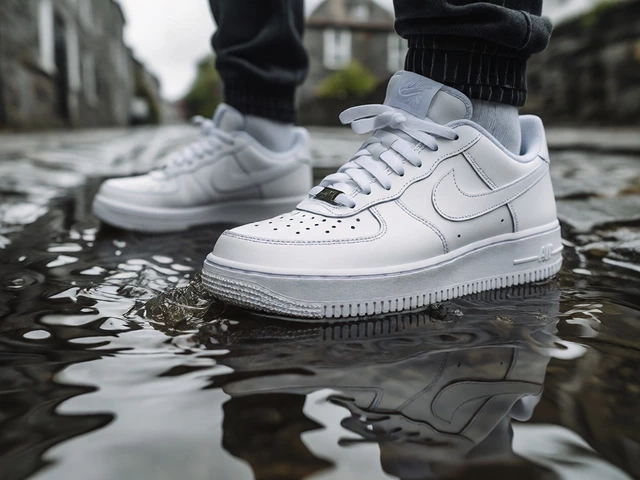
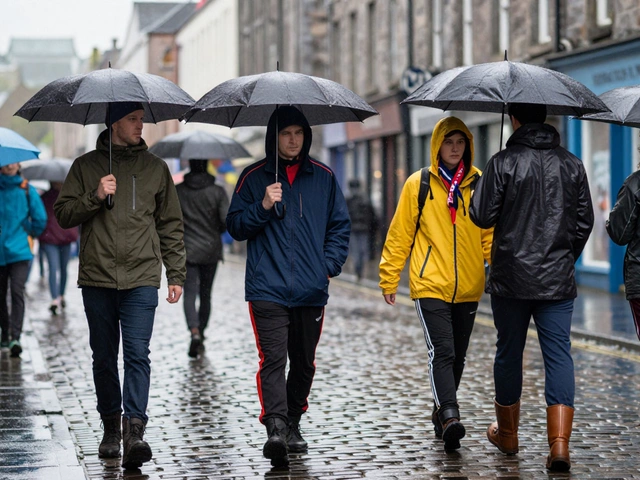
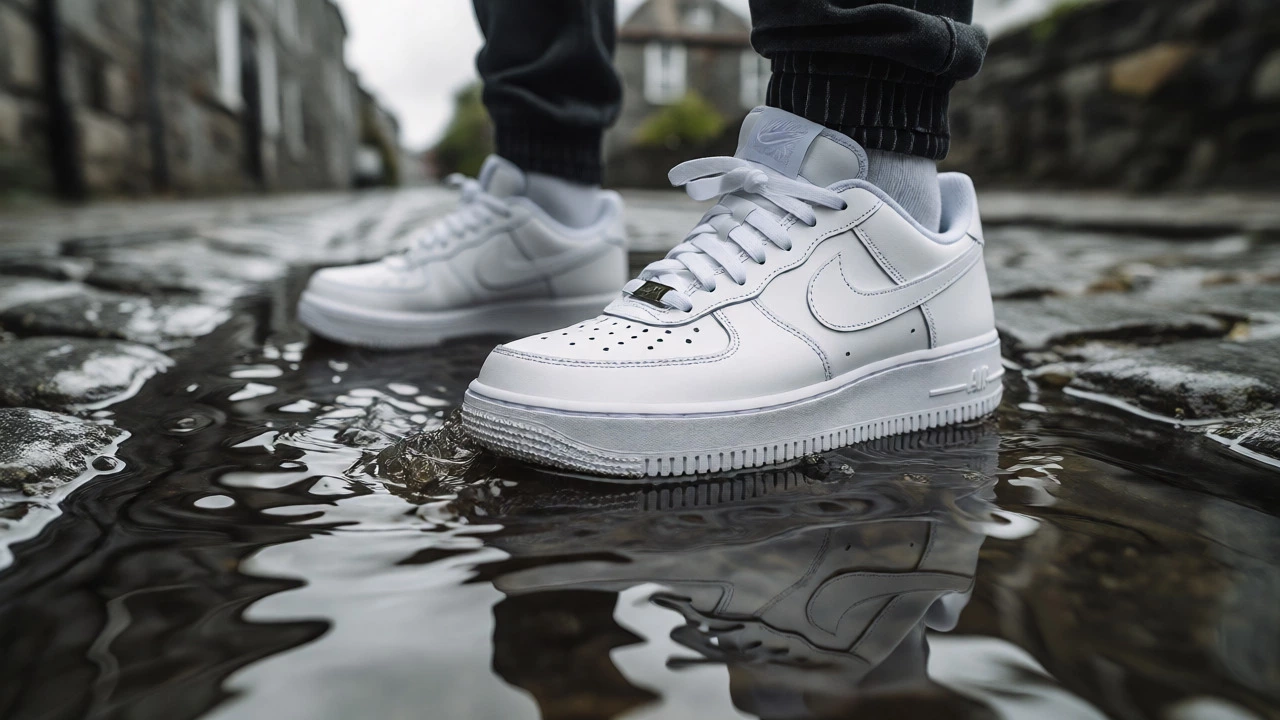
Ask anyone on a rainy Tuesday in Galway what they need most, and it won’t be a new handbag or a fancy watch. It’s footwear that doesn’t leak. But if you zoom out from our damp streets and look at global sales data, there is a clear winner when people ask, "What is the number one shoe in the world?" The answer isn’t always what you’d expect from a fashion runway. While luxury brands like Gucci or Prada get the headlines, the title of "most worn" usually goes to something far more humble, yet undeniably stylish: the white sneaker, specifically models like the Nike Air Force 1 or Adidas Stan Smith. However, for those of us navigating the cobblestones of Dublin or the muddy trails of Connemara, "best" often trumps "most sold." This guide breaks down why certain shoes dominate globally and how you can choose the right pair for life in Ireland.
The Global Contenders: Why Sneakers Rule the Roost
Nike Air Force 1 is a basketball-inspired lifestyle sneaker released in 1982 that has become a global cultural icon. It consistently tops sales charts worldwide due to its versatility and durability. Unlike high-fashion heels that break after two wears, the AF1 survives years of abuse. In the US, Asia, and Europe, this shoe is ubiquitous. You’ll see them on teenagers in Seoul, bankers in New York, and yes, even on students walking through Trinity College Dublin. The reason is simple: comfort meets status. They are recognizable enough to signal taste but generic enough to match any outfit.
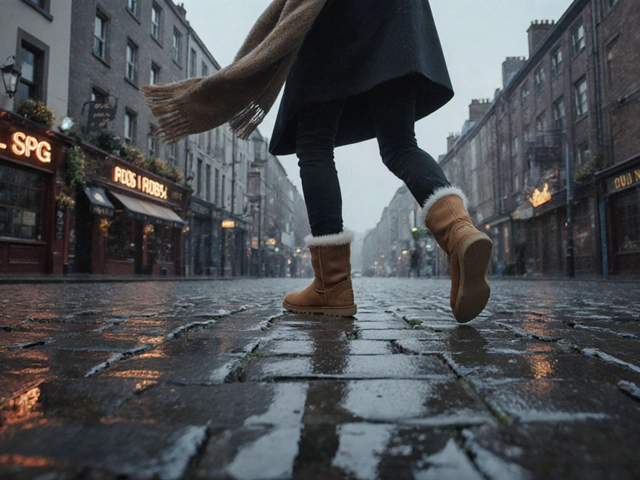
But let’s be honest-wearing pristine white canvas sneakers in Ireland requires a level of bravery bordering on recklessness. Our weather is notoriously unpredictable. One minute you’re under blue skies in Westport, the next you’re wading through ankle-deep water because a drain couldn’t cope with the rain. So, while the sneaker might be the global "number one," we need to look at alternatives that respect our local climate.
The Leather Alternative: Boots That Survive Irish Winters
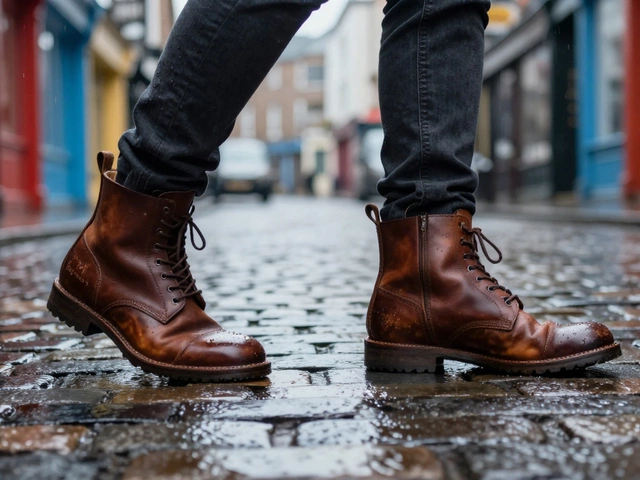
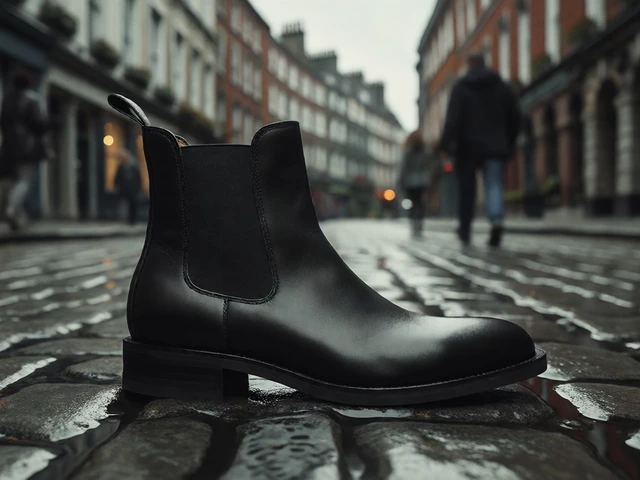
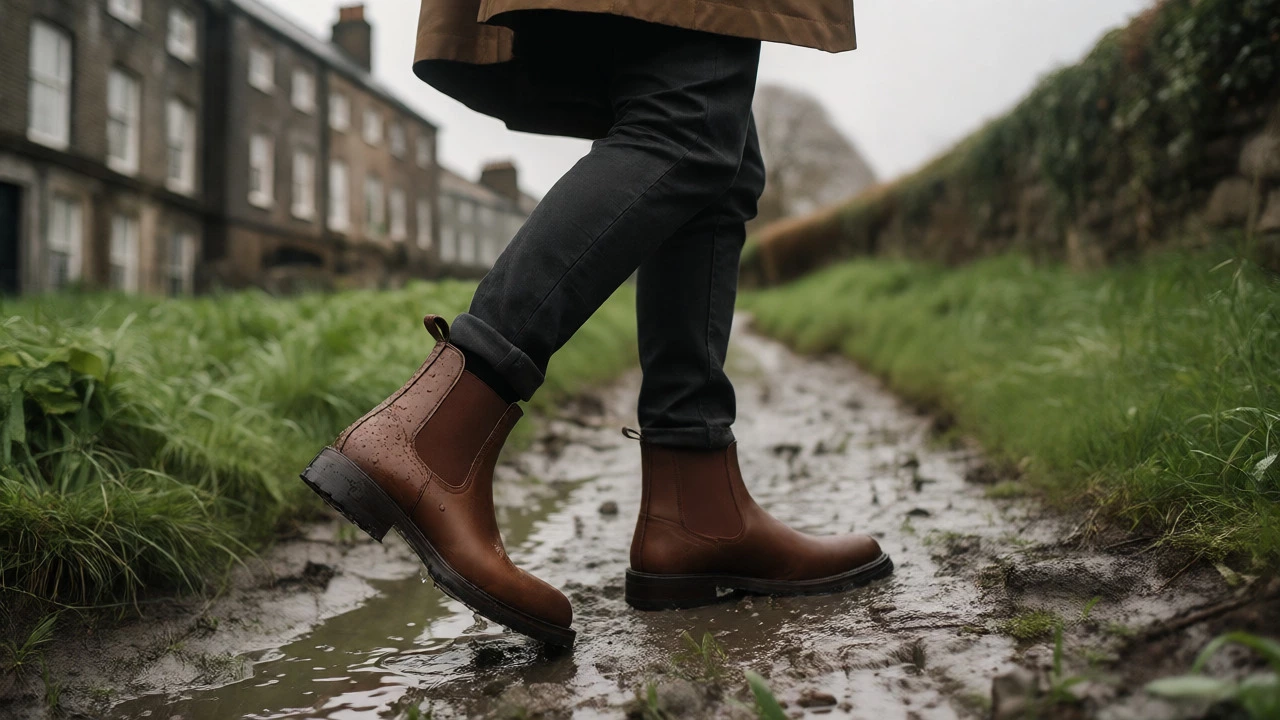
If sneakers are the global king, then Leather Chelsea Boots are a slip-on boot style with elastic side panels that originated in Victorian England and remain a staple of modern menswear and womenswear. They offer the sleek profile of a sneaker with the protection of a boot. Brands like Dr. Martens or Alden have massive followings here. Why? Because they handle slush, mud, and unexpected downpours without turning your socks into sponges.
In Ireland, we value practicality wrapped in style. A good pair of leather boots isn’t just an accessory; it’s armor. Think about the commute from Cork City to Blarney Castle. If you’re wearing thin-soled trainers, you’ll feel every uneven stone and puddle. With quality leather boots, you stay dry and warm. Plus, leather ages beautifully. A scuff on a leather boot adds character; a tear in a synthetic trainer looks like damage. This longevity makes them a better investment, even if they cost more upfront.
Cultural Context: From GAA Pitches to Office Desks
Ireland has a unique relationship with footwear, largely driven by our sports culture. For decades, the Gaelic Football Boot was a specialized cleated shoe designed for grass pitches, essential for players of Gaelic football and hurling. While not worn off the pitch, these boots shaped generations of young Irish men and women who grew up valuing grip and stability above all else. This influence spills over into everyday choices. We tend to prefer shoes with structure and support rather than flimsy flats.
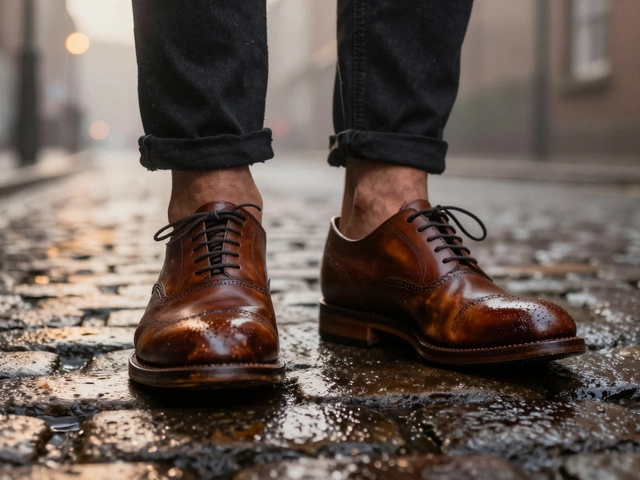
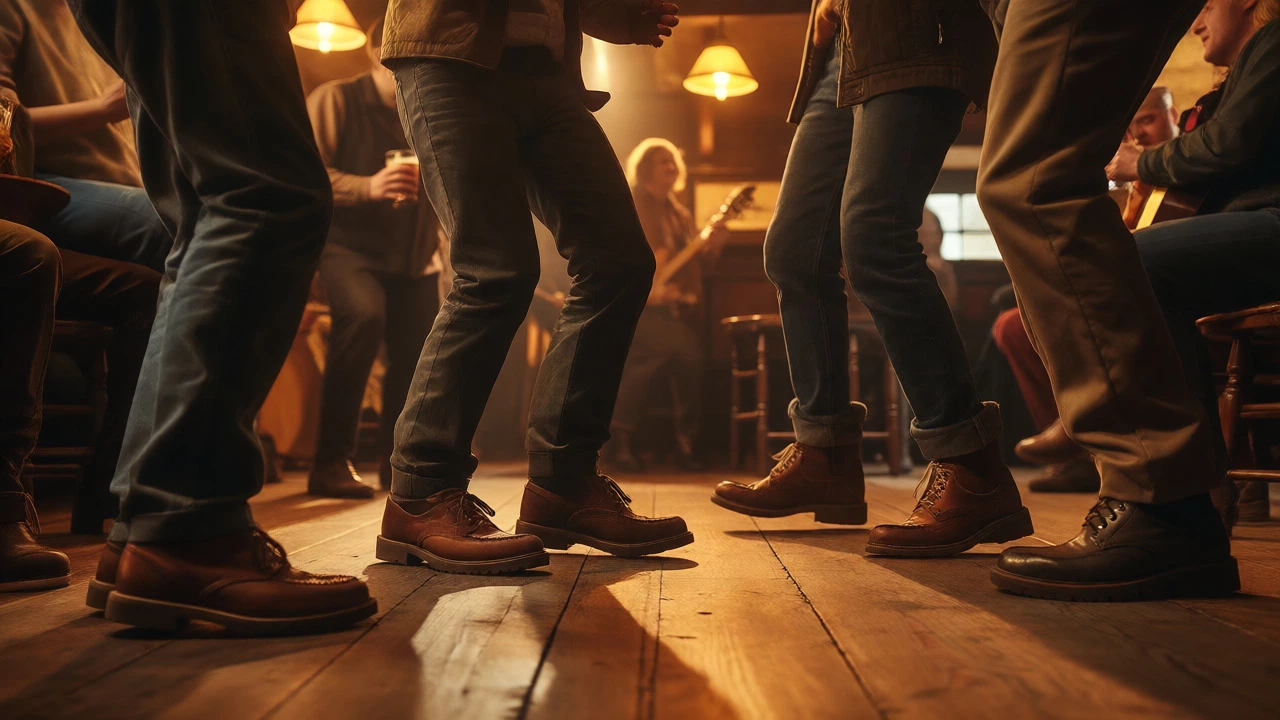
Moreover, our social scene revolves around pubs and live music venues, many of which have hard floors or cobbled entrances outside. Standing for hours in heels or thin soles is a recipe for disaster. That’s why comfortable loafers and sturdy brogues have seen a resurgence in cities like Limerick and Belfast. They bridge the gap between professional attire and weekend relaxation. You can wear them to a meeting in the Docklands and still dance at a trad session later without changing shoes.
Choosing Your Pair: A Decision Framework
So, how do you decide which shoe deserves a spot in your wardrobe? It depends on your daily routine. Here is a quick breakdown to help you navigate the market.
| Shoe Type | Best For | Weather Resistance | Comfort Level | Local Availability |
|---|---|---|---|---|
| White Sneakers | Urban casual, dry days | Low (absorbs water) | High | Widespread (Brown Thomas, Penneys) |
| Leather Chelsea Boots | Commutes, office wear | Medium-High (if treated) | Medium-High | High (Clarks, Clarks, independent boutiques) |
| Hiking Boots | Rural walks, bad weather | Very High | Medium (break-in required) | High (Decathlon, Ellis Bridgeman) |
| Brogues/Oxfords | Formal events, smart-casual | Medium | Medium | Moderate (specialty shoe shops) |
This table highlights a crucial point: no single shoe is perfect for everything. If you live in a coastal town like Dingle, salt spray and wind will destroy suede quickly. Stick to full-grain leather or waterproof synthetics. If you’re in a city center, you might prioritize style over ruggedness, opting for a sleek derby instead of a chunky hiker.
Where to Shop in Ireland: Local Gems vs. Chains
You don’t need to order online from America to find great shoes. Ireland has a thriving retail sector for footwear. Ellis Bridgeman is an Irish footwear retailer known for carrying mid-range to premium brands with a focus on comfort and fit. They have stores across the country, including major hubs like Dundrum Town Centre and Blanchardstown. Their staff are trained to assess foot shape, which is vital if you suffer from plantar fasciitis-a common complaint among those who walk a lot on concrete pavements.
For budget-conscious shoppers, Penneys (Primark) offers surprisingly decent basics. Yes, they are fast fashion, but their winter boots have improved significantly in recent years. Just check the sole thickness; thin soles won’t last long on rough Irish roads. On the other end of the spectrum, specialty shops in Dublin’s George’s Street Arcade carry heritage brands that have been making shoes since before the state existed. Buying local supports artisans and ensures you get advice tailored to our specific needs.
Care Tips for Long-Lasting Footwear
Buying the "number one" shoe is only half the battle. Keeping it in top condition is where most people fail. Irish rain is acidic and full of pollutants. If you let mud dry on your leather boots without cleaning it, it cracks the material. Here’s a simple routine:
- Brush regularly: Use a horsehair brush to remove dirt after every wear. This prevents grit from grinding into the leather.
- Condition monthly: Apply a wax-based conditioner to keep the leather supple. Dry leather cracks; conditioned leather bends.
- Rotate pairs: Never wear the same shoes two days in a row. They need 24 hours to air out and dry completely. Stuffing them with newspaper helps absorb moisture overnight.
- Use shoe trees: Wooden cedar trees maintain shape and absorb odors. This is especially important for sweaty feet during summer festivals like Galway Races.
Ignoring these steps turns a €200 investment into trash within a year. Conversely, proper care can make a €50 pair last five years. It’s a small effort for significant savings.
The Future of Footwear: Sustainability Matters
As we move further into the 2020s, sustainability is becoming a key factor in shoe choices. Irish consumers are increasingly aware of the environmental impact of fast fashion. Brands like Allbirds, which use merino wool and eucalyptus tree fiber, have gained traction here. Wool is naturally odor-resistant and temperature-regulating, making it ideal for our mild but variable climate.
There’s also a growing trend toward buying second-hand. Platforms like Depop and local charity shops in towns like Ennis or Sligo often stock barely worn designer shoes. Giving a pre-loved pair a second chance reduces waste and saves money. It’s a win-win that aligns with traditional Irish thriftiness.
Is the Nike Air Force 1 really the most popular shoe in the world?
Yes, consistently ranked as one of the best-selling sneakers globally due to its timeless design and widespread availability. However, popularity varies by region, with boots being more favored in colder climates like Ireland.
What are the best shoes for walking in Dublin?
Sturdy leather Chelsea boots or supportive athletic sneakers with thick soles are recommended. Dublin’s mix of cobblestones and pavement requires cushioning and water resistance.
How do I protect my leather shoes from Irish rain?
Apply a waterproof wax polish before wearing them in wet conditions. Reapply every few weeks during winter months. Always let shoes dry naturally away from direct heat sources.
Are expensive shoes worth it in Ireland?
Generally, yes. Higher-quality materials withstand harsher weather and last longer. Resoling a quality boot is cheaper than replacing cheap trainers multiple times a year.
Where can I buy sustainable shoes in Ireland?
Look for brands using recycled materials or natural fibers like wool. Retailers such as Ellis Bridgeman and independent eco-boutiques in larger cities often stock these options. Charity shops are also excellent for finding sustainable second-hand footwear.