13
Should Leather Shoes Be Kept in Boxes? A Guide for the Irish Climate
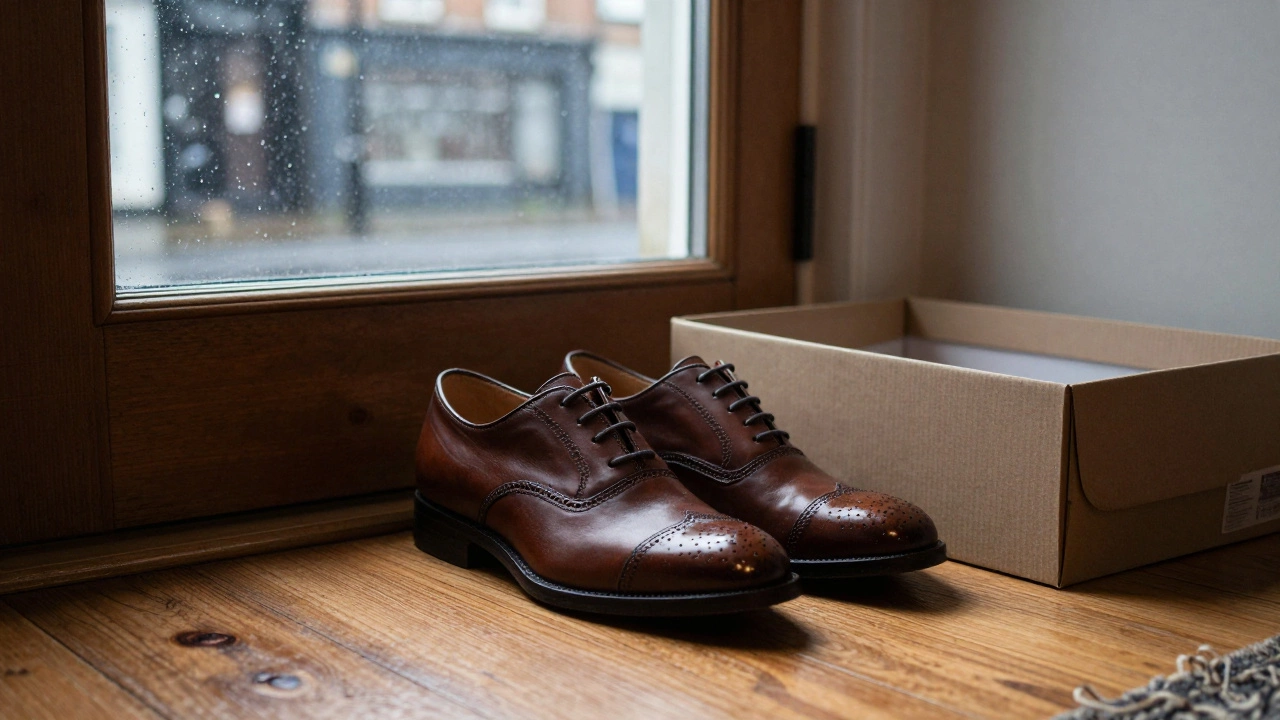
Leather Shoe Storage Advisor
- Avoid airtight plastic bins; leather needs to breathe.
- Never store shoes while they are still damp from a walk in the rain.
- Use cedar shoe trees to maintain shape and absorb odors.
- Cardboard boxes are okay for long-term storage, but not for daily use.
- Keep shoes away from direct radiators during a cold Galway winter.
The Truth About Cardboard Boxes
When we talk about leather shoe care is the practice of cleaning, conditioning, and properly storing footwear to extend its lifespan, the box is often the first place people turn. But here is the deal: cardboard is porous. In a dry climate, that is great. In Ireland, where the humidity can hover around 80% for weeks on end, cardboard can actually act like a sponge for ambient moisture. If you put your shoes in a box and shove them under a bed in a drafty house, you might be creating a humid microclimate that encourages mildew.
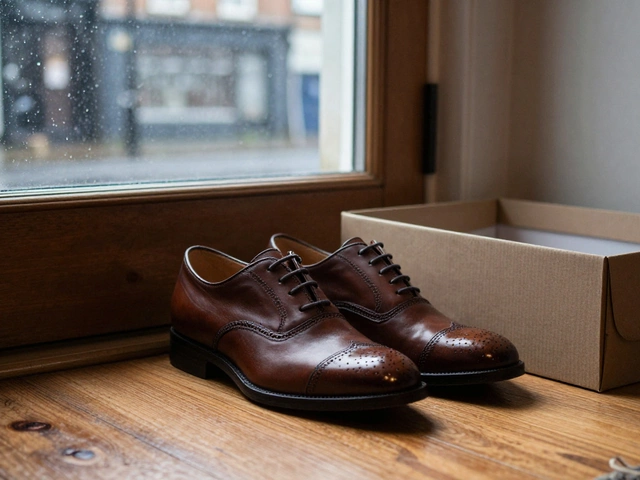
That said, boxes provide a physical barrier against dust and accidental spills. If you're storing a pair of formal oxfords that you only wear for weddings or a Sunday mass in a rural parish, a box keeps them from getting scratched. The trick is how you use the box. If you leave the lid slightly ajar, you get the protection of the box without the risk of suffocating the leather.
Why the Irish Climate Changes the Game
Living in Ireland means our shoes deal with a relentless cycle of soaking and drying. Whether you're commuting in Dublin or walking the coast in Kerry, moisture is the enemy. Leather is a skin; it has pores. When it gets wet, those pores open. If you immediately toss those shoes into a closed box, you are trapping that water inside. This leads to a breakdown of the fibers and, eventually, the dreaded 'salt lines' appearing on the toes after a winter of salted roads in the city.
The real danger in our local environment is the 'damp smell.' Once a leather shoe absorbs the scent of a humid Irish wardrobe, it is incredibly hard to get rid of. This is why the transition from the street to the storage area is the most critical part of the process. You need to let the shoes reach room temperature and fully dry out before they even think about seeing a box.
Better Alternatives to the Original Box
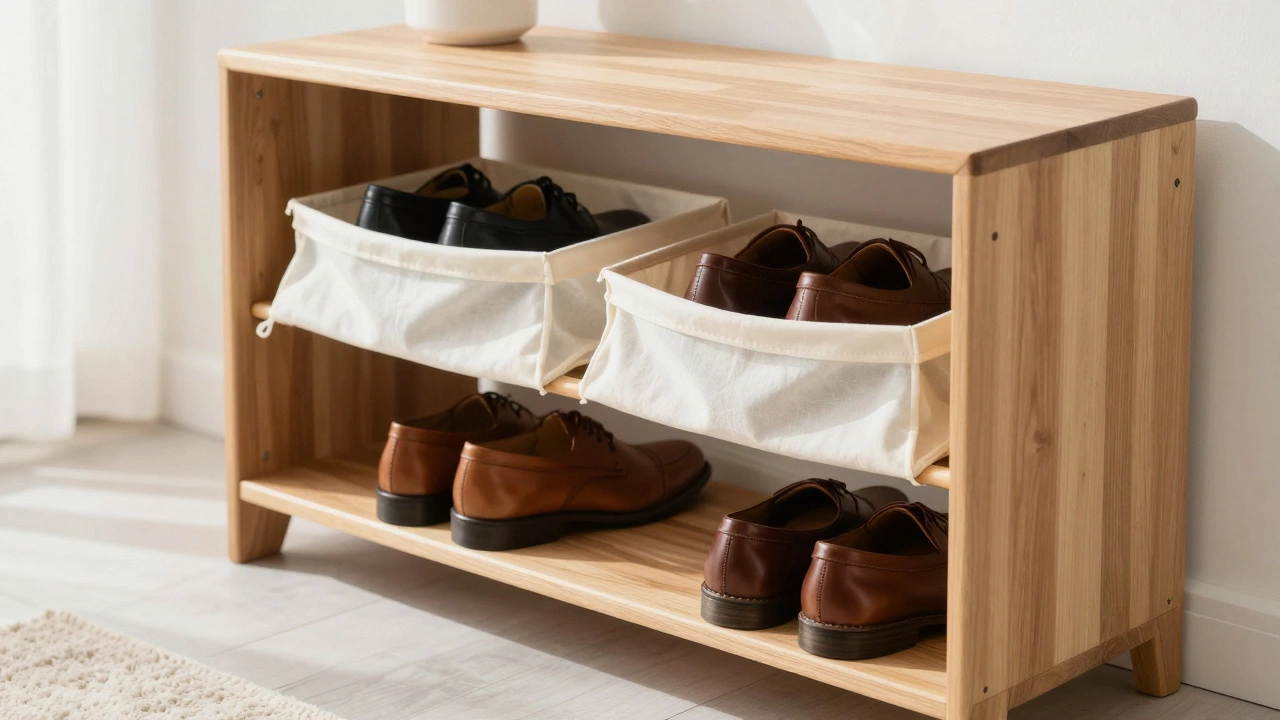
If you have the space, an open shoe rack is always better than a box. It allows for maximum airflow. However, for those in smaller apartments in Cork or Galway, space is a luxury. If you must store them away, consider breathable fabric bags. These offer the same dust protection as a box but allow air to circulate far more effectively.
| Method | Breathability | Dust Protection | Mold Risk | Best For |
|---|---|---|---|---|
| Original Cardboard Box | Medium | High | Medium | Occasional wear |
| Open Shoe Rack | High | Low | Low | Daily drivers |
| Fabric Dust Bags | High | High | Low | Luxury footwear |
| Plastic Bins | None | Very High | Very High | Avoid for leather |
The Role of Shoe Trees and Inserts
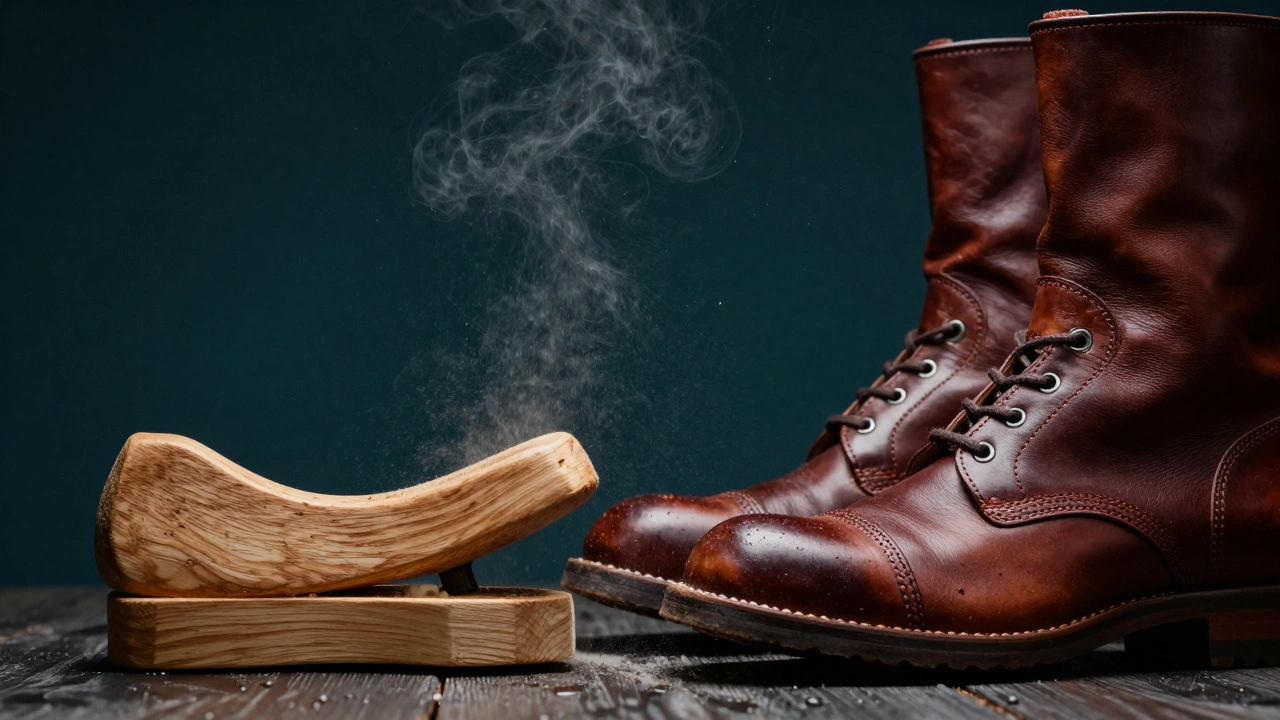
Regardless of whether you use a box, you should be using Cedar Shoe Trees. These are foot-shaped inserts made from aromatic cedar wood designed to maintain the shape of a shoe and absorb moisture. Cedar is a godsend for the Irish climate. Not only does it keep the leather from curling or creasing as it dries, but the natural oils in the cedar act as a mild antifungal agent.
If you're using a box, a cedar tree is non-negotiable. It fills the void in the shoe and prevents the leather from collapsing. Without them, the constant expansion and contraction of the leather due to moisture changes will lead to deep cracks that no amount of polish can fix. Think of them as an insurance policy for your feet.
Step-by-Step: Storing Shoes for the Season
When autumn turns into a harsh Irish winter, or when you're putting away your summer loafers, follow this routine to ensure they don't rot in the dark:
- Clean first: Use a damp cloth to remove any mud or road salt. If you've been walking through a slushy street in Belfast, this is vital. Salt eats leather.
- Dry naturally: Let them air dry for at least 24 hours. Never put them on a radiator; the intense heat will shrink the leather and make it brittle.
- Condition: Apply a leather balm or cream. This seals the pores and adds a waterproof layer, which is essential for surviving a sudden downpour in the Midlands.
- Insert Trees: Pop in your cedar shoe trees while the leather is still slightly supple from the conditioner.
- Bag or Box: Place them in a breathable cotton bag, then place that bag inside the cardboard box if you need the stacking capability.
Common Pitfalls to Avoid
One of the biggest mistakes people make is storing shoes in the attic or under the stairs. In many older Irish homes, these areas are the dampest parts of the house. If you can feel a chill or see a hint of damp on the walls, do not put your leather shoes there. The cardboard boxes will absorb that moisture and transfer it directly into your footwear.
Another error is over-polishing before storage. While a shine looks great, some heavy waxes can block the leather from breathing entirely. If you're storing shoes for six months, a light conditioning is better than a thick, hard wax shell. You want the leather to remain flexible, not like a piece of plastic.
Can I use plastic containers to save space?
Generally, no. Plastic traps moisture. In the humid Irish air, any trace of dampness inside the shoe will be locked in, leading to mold and a sour smell. If you must use plastic, add several silica gel packets to absorb the moisture, but breathable containers are always superior.
How often should I take shoes out of the box?
Every few months. Take them out, give them a quick wipe, and let them air out for a day. This prevents the leather from becoming stale and allows you to check for any signs of mold early on.
Do I need different storage for suede shoes?
Yes. Suede is even more sensitive to moisture than smooth leather. Never store suede in a closed box without a breathable bag. Use a suede brush to remove dust before storing, as dust can actually bond to the nap of the suede if it gets damp.
Will shoe trees really stop the leather from cracking?
They don't stop cracking entirely-that's what conditioner is for-but they prevent the structural collapses and deep creases that eventually turn into cracks. By keeping the shoe taut, they ensure the leather dries in its original shape.
What is the best way to remove the 'damp' smell from stored shoes?
First, let them dry completely in a well-ventilated area. You can use a mixture of baking soda and a small amount of water to make a paste for the insoles (if they are removable), or simply insert fresh cedar blocks. Avoid using heavy perfumes to mask the smell, as the chemicals can damage the leather.
Next Steps for Your Footwear
If you've just realized your current storage is a damp disaster, start by auditing your wardrobe. Move any shoes stored in plastic or tightly sealed boxes to an open area. If you're looking for a long-term upgrade, invest in a set of cedar shoe trees-they are a one-time purchase that saves you from buying new boots every two years. Finally, keep a small kit of leather conditioner and a soft brush by the door; a thirty-second wipe-down after a rainy walk through the city will do more for your shoes than any fancy box ever could.


Latest Posts

Popular Posts
-
 Is It OK to Wear a Black T-Shirt in Ireland? Style, Culture & Practical Tips
-
 How to Choose High Quality Jeans in Ireland: A Local’s Guide
-
 What Size Shoe Does Kate Middleton Wear? A Guide for Irish Shoppers
-
 What to Wear to a 5pm Wedding in Ireland: A Guide to Evening Dress Codes
-
 What Do Chinese People Call Slippers? A Guide for Irish Shoppers