20
Sundress vs Summer Dress: What’s the Difference in Ireland?
Irish Weather Dress Code Checker
Not sure which dress to pack? Answer these questions to find out if you need a lightweight Sundress or a versatile Summer Dress.
You’re standing in a shop on Shop Street in Galway, or maybe scrolling through an online store while watching the rain lash against your window. You see two items that look almost identical: a flowy, sleeveless number and a slightly more structured piece. One is labeled a sundress, and the other a summer dress. They cost about the same. They both promise to keep you cool. But are they actually the same thing? If you’ve ever paused mid-click wondering which one will survive an Irish summer-where the sun might shine for ten minutes before the clouds roll back in over the Atlantic-you’re not alone.
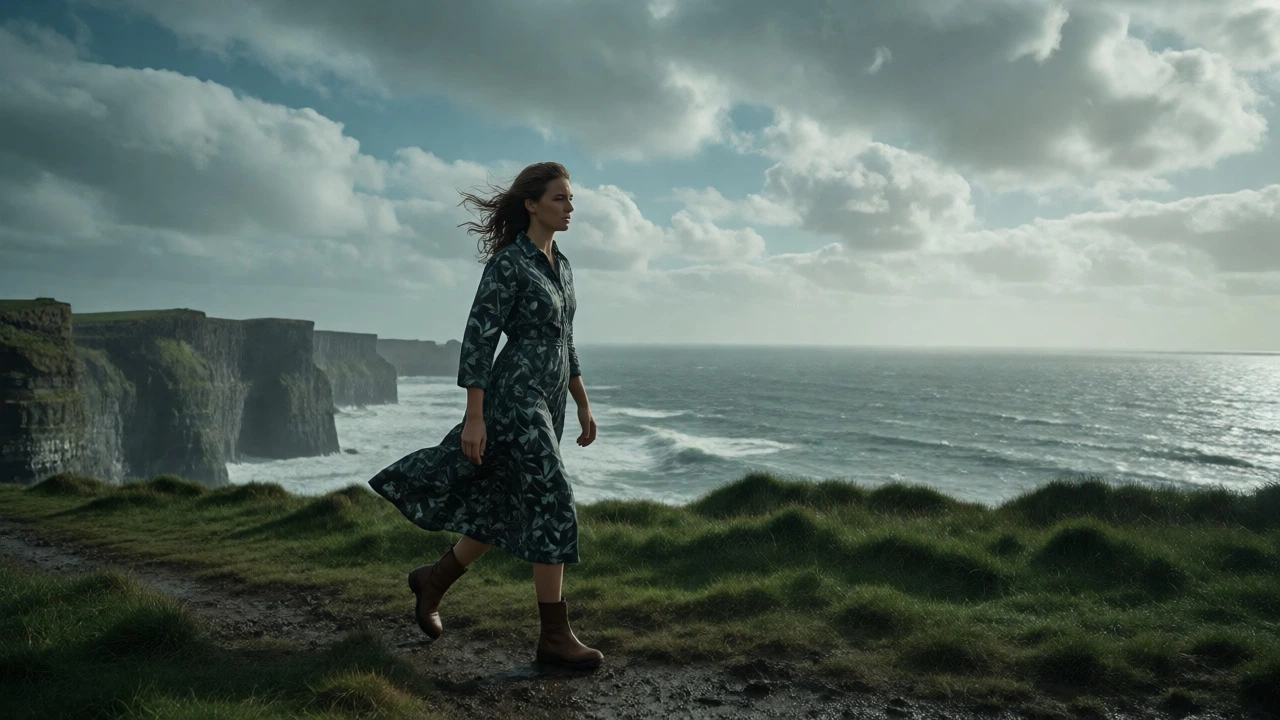
The confusion is real, especially here in Ireland where our weather is famously unpredictable. A garment designed for the dry heat of Spain doesn’t always translate perfectly to a damp afternoon in Dublin or a windy walk along the Cliffs of Moher. Understanding the subtle differences between these two categories can save you money, frustration, and the embarrassment of wearing something too thin for a sudden shower or too heavy for a rare heatwave. Let’s break down exactly what separates a sundress from a general summer dress, so you can build a wardrobe that actually works for our specific climate.
Defining the Sundress
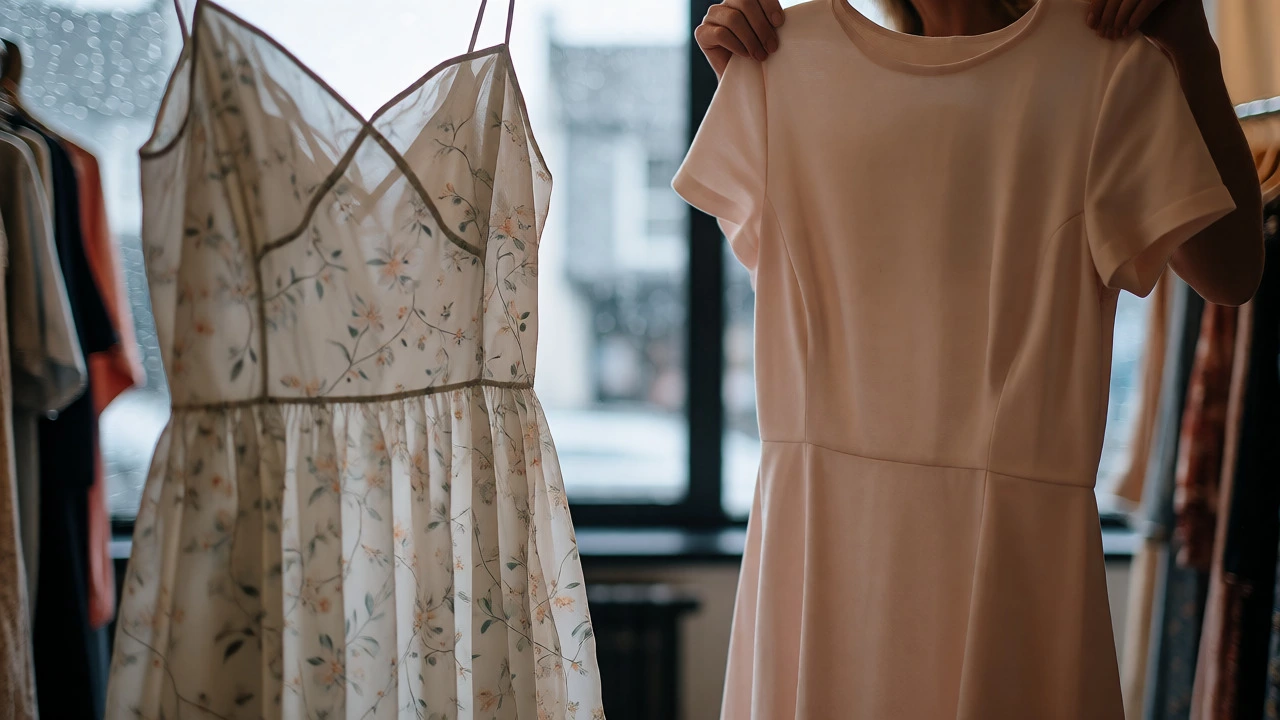
A sundress is defined by its function: it is designed specifically for hot, sunny weather. The term itself gives it away-it’s a dress meant for the sun. Historically, these dresses emerged in the United States during the 1940s as casual wear for warm days. The key attributes of a true sundress include:
- Lightweight Fabrics: Think cotton voile, linen blends, or thin rayon. These materials breathe exceptionally well.
- Sleeveless Design: Most sundresses are sleeveless or have very thin spaghetti straps. This maximizes airflow.
- Bright Patterns or Pastels: While not a rule, sundresses often feature floral prints, gingham, or light colors that reflect sunlight rather than absorb it.
- Casual Cut: They are typically loose-fitting, allowing air to circulate between the fabric and your skin.
In the Irish context, a sundress is your go-to for those rare, glorious days when temperatures hit 25°C (77°F) and the humidity is low. It’s perfect for a picnic in Phoenix Park or sitting outside at a pub terrace in Cork City. However, because they are so light, they offer little protection against wind or unexpected rain. If you’re planning a day out in Westport, knowing this distinction matters.
Understanding the Summer Dress
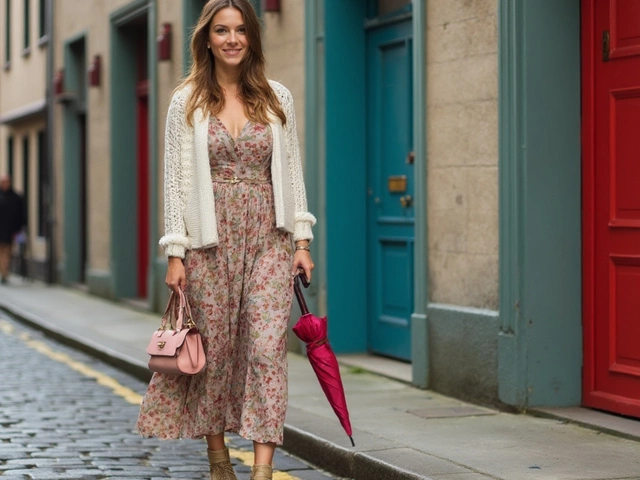
A summer dress is a broader category. It refers to any dress suitable for the summer season, but it doesn’t necessarily require extreme heat. This is where the lines blur for many shoppers. A summer dress might have short sleeves, a higher neckline, or be made from a slightly heavier fabric like jersey cotton or a viscose blend. It’s versatile enough to handle a mild 18°C (64°F) evening without making you feel exposed.
Think of it this way: all sundresses are summer dresses, but not all summer dresses are sundresses. In Ireland, the "summer dress" is arguably more practical for the majority of the season. Our summers are often characterized by changeable conditions. A summer dress with three-quarter sleeves or a modest cut can transition from a morning commute in Belfast to an evening dinner in Kinsale without needing a complete outfit change. It bridges the gap between warmth and breathability better than its thinner cousin.
Key Differences: Fabric and Structure
The biggest differentiator lies in the material weight and structural integrity. When shopping in local boutiques in Dublin’s Temple Bar or browsing international sites shipping to Ireland, pay close attention to the fabric composition.
| Attribute | Sundress | Summer Dress |
|---|---|---|
| Fabric Weight | Very Light (e.g., Voile, Chiffon) | Light to Medium (e.g., Cotton Jersey, Linen) |
| Sleeves | None or Spaghetti Straps | Short, Cap, or Three-Quarter Sleeves |
| Weather Suitability | Hot, Dry, Sunny Days | Mild to Warm, Changeable Weather |
| Layering Potential | Low (looks bulky under jackets) | High (pairs well with cardigans/blazers) |
| Ideal Irish Occasion | Beach day, Garden Party | Office Casual, City Walk, Dinner |
If you buy a sundress with thin chiffon for a trip to the Aran Islands, you’ll likely find yourself shivering as soon as the sea breeze picks up. Conversely, a heavier summer dress might leave you sweating if you’re stuck in a crowded venue during a heatwave. Knowing which tool for which job ensures comfort.
Why Climate Matters in Ireland
Living in Ireland means dressing for four seasons in one day. This isn’t just a cliché; it’s a meteorological reality. The Gulf Stream keeps us warmer than other regions at similar latitudes, but the Atlantic also brings moisture and wind. This impacts how we choose between a sundress and a summer dress significantly more than it does for someone living in Arizona or Southern France.
In Galway, for instance, even in July, the temperature can drop rapidly after sunset. A sundress becomes impractical once the sun goes down unless you have a substantial layer. A summer dress, however, retains enough body heat to remain comfortable into the evening. Furthermore, the prevalence of rain means that dark colors or patterns that hide water spots are often preferred in summer dresses, whereas sundresses often prioritize aesthetics over practicality regarding wet weather.
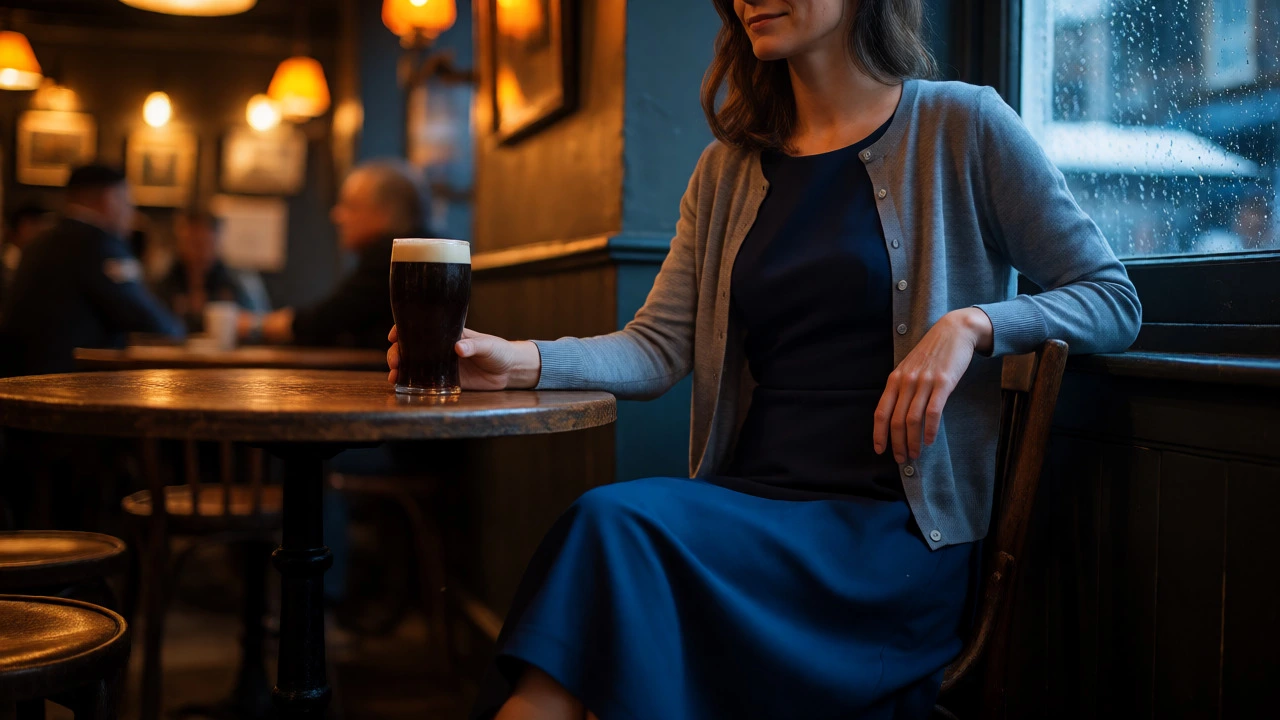
Consider the local culture. Irish social gatherings often move indoors quickly due to weather shifts. A sundress might feel too informal or revealing for a cozy pub setting, whereas a structured summer dress fits seamlessly into both outdoor festivals like Electric Picnic and indoor dinners in Limerick.
Styling Tips for the Irish Market
How do you make these pieces work for your life here? For sundresses, embrace the layering game carefully. Since they are thin, avoid heavy knits that bunch up underneath. Instead, opt for a lightweight denim jacket or a fine-gauge merino wool cardigan. Merino is particularly useful in Ireland because it regulates temperature effectively and resists odors, which is handy when you’re moving between humid outdoors and heated indoors.
For summer dresses, you have more freedom. Pair them with loafers or clean white sneakers for a city look. If you’re heading to a wedding or a formal event in County Kerry, a midi-length summer dress in a solid color can be elevated with simple jewelry and a blazer. This versatility makes the summer dress a smarter investment for most people in Ireland, who rarely experience sustained tropical heat.
Also, consider footwear. In Ireland, grass gets muddy, and pavements get wet. Sundresses are often paired with sandals, which can be risky if the ground is damp. Summer dresses pair easily with closed-toe shoes or boots, offering better protection against the elements.
Shopping Smart: Where to Look
When shopping locally, check independent retailers in cities like Cork, Dublin, and Galway. They often stock brands that understand the European market’s need for transitional clothing. Online, look for terms like "midi," "jersey," or "linen blend" for summer dresses. For sundresses, search for "maxi," "floral print," and "cotton lawn."
Be wary of fast fashion items labeled as sundresses that use synthetic polyesters. While they might look light, polyester traps heat and sweat, which is miserable in humid Irish summers. Natural fibers like cotton and linen are breathable and wick moisture away, keeping you cooler and more comfortable.
Can I wear a sundress in Ireland?
Yes, but only during peak heatwaves or in controlled environments. Due to Ireland's frequent wind and rain, sundresses are best reserved for dry, sunny days or indoor events. Always carry a lightweight layer like a denim jacket or cardigan.
Is a summer dress appropriate for the office?
Generally, yes. Unlike sundresses, which are strictly casual, summer dresses often come in cuts and fabrics (like cotton poplin or jersey) that are suitable for business casual environments. Choose knee-length or midi styles in solid colors or subtle prints.
What fabric is best for Irish summers?
Linen and cotton blends are ideal. They are breathable, durable, and handle moisture well. Avoid heavy synthetics like polyester, which can feel clammy in humid conditions. Wool blends are also excellent for temperature regulation.
Do sundresses need a slip?
Often, yes. Many sundresses are made from sheer or lightweight fabrics that may be transparent in bright sunlight. Wearing a nude-colored slip or a camisole underneath prevents visibility issues and adds a slight layer of warmth against breezes.
Which is more versatile for travel in Ireland?
The summer dress is more versatile. It adapts to changing weather conditions better than a sundress. You can dress it up for dinner or down for sightseeing, and it pairs well with various layers, making it essential for packing light in Ireland.