5
Is Nike Genuine Leather? A Real-World Guide for Irish Buyers
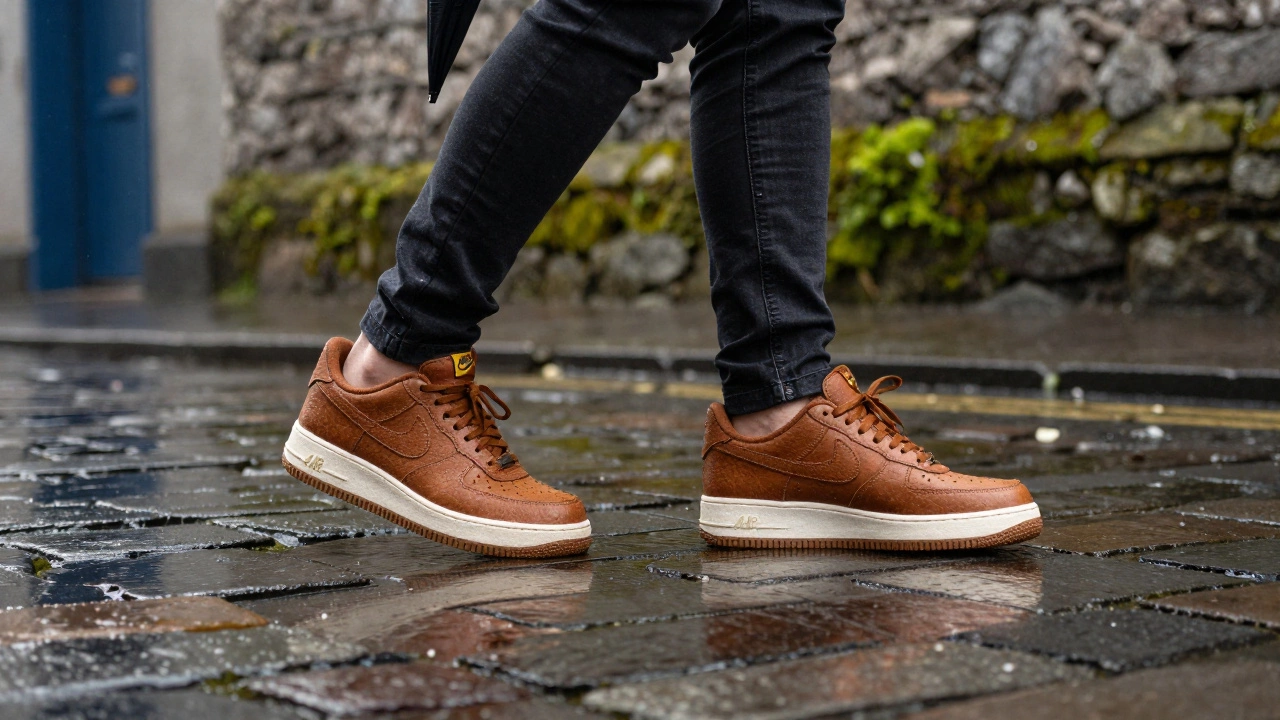
When you’re walking the cobbled streets of Galway, trekking through the Burren, or heading to a Sunday market in Cork, your shoes matter. They need to handle wet pavements, sudden rain showers, and long days on your feet. That’s why so many people in Ireland ask: Nike genuine leather? Is it worth the price, or are you just paying for the swoosh?
The short answer? It depends. Nike doesn’t make one type of shoe. Some models use real leather. Others use synthetic materials that look like leather but won’t last through an Irish winter. And if you’re buying in Ireland-whether from a store in Dundrum Town Centre, online, or second-hand from a local thrift shop-you need to know the difference.
What Counts as Genuine Leather in Nike Shoes?
Genuine leather means the upper part of the shoe is made from animal hide, usually cowhide, that’s been tanned and finished. It’s breathable, flexible, and gets better with age. In Ireland, where damp weather is constant, genuine leather can actually improve its water resistance over time when properly cared for-something synthetic materials can’t do.
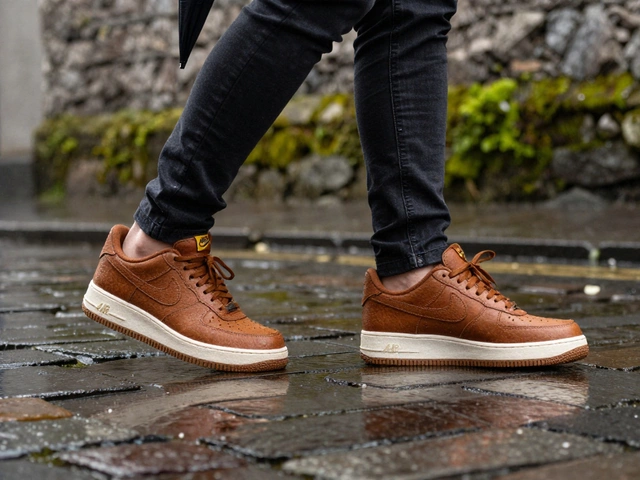
Nike uses genuine leather in specific lines: the Air Force 1 Premium, the Dunk Low Retro, and some editions of the Blazer Mid. These aren’t your everyday gym trainers. They’re designed for style and durability. But most Nike running shoes, basketball sneakers, and budget-friendly models? Those are mostly synthetic mesh, polyester, or rubberized faux leather. You’ll see terms like ‘synthetic leather,’ ‘polyurethane,’ or ‘man-made materials’ in the product description.
Check the label inside the tongue or the box. If it says ‘100% Leather’ or ‘Genuine Leather,’ it’s real. If it says ‘Textile’ or ‘Synthetic,’ it’s not. Don’t trust the look alone. A lot of fake leather now looks almost identical-until it cracks after six months of walking through puddles in Limerick.
Why It Matters in Ireland
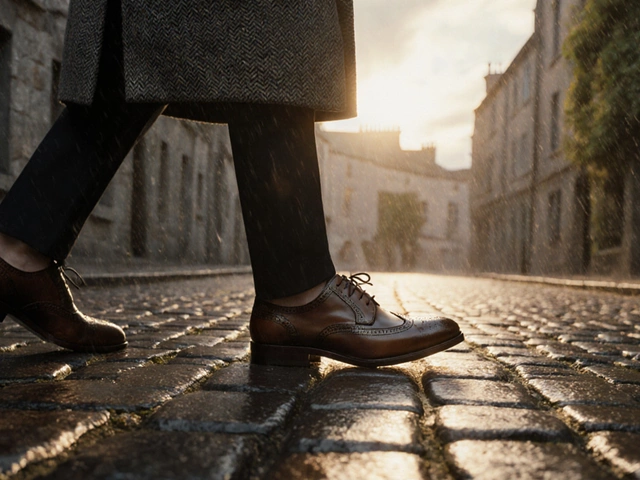
Here’s the reality: Irish weather doesn’t care if your shoes are on sale. Rain falls 200+ days a year in many parts of the country. In Dublin, you’ll see people walking from the LUAS to the office in soaked shoes. In Donegal, boots get muddy on coastal paths. In Galway, you’ll spot students trudging from the Spanish Arch to NUIG with water seeping through the seams.
Genuine leather absorbs moisture, then releases it. It doesn’t trap sweat like plastic. It also holds its shape. Synthetic uppers? They stiffen in cold weather, crack when they freeze, and often peel at the seams after a few months of daily wear. I’ve seen people buy cheap Nike sneakers from a discount store on O’Connell Street-only to replace them by March.
If you’re buying for winter, look for models with leather uppers and a rubber outsole. Avoid mesh panels. Leather + rubber = longevity. Brands like Clarks and Aigle make boots for Irish conditions. But if you prefer Nike, stick to their premium lines.
Where to Buy Authentic Nike Leather Shoes in Ireland
Not every retailer in Ireland stocks the real stuff. Big chains like JD Sports and Foot Locker often push the cheaper models because they sell faster. But if you want genuine leather Nike shoes, go to:
- Nike Store Dublin (Bachelors Walk) - They carry the full Premium collection and can tell you which models use real leather.
- Nike Store Cork (Maher’s Quay) - Staff here are trained to explain material differences.
- Irish-owned retailers like The Shoe Department in Galway or The Foot Locker in Limerick City Centre - Ask specifically for ‘genuine leather’ models. They often have older stock with better materials.
- Second-hand markets like the Sunday market at St. Stephen’s Green or the Galway Market - You might find vintage Air Force 1s with untouched leather. Just check for dry rot or cracking.
Online? Stick to Nike’s official Irish site (nike.com/ie). Third-party sellers on Amazon or eBay might list ‘genuine leather’ but send you synthetic. Always check the product code. For example, Air Force 1 ‘07 LV8 (code: DH2855-100) uses full-grain leather. The same model with code DH2855-001? Synthetic.
How to Tell If Your Nike Shoes Are Real Leather
Here’s a quick test you can do at home:
- Smell it - Real leather has a distinct, earthy smell. Synthetic smells like plastic or chemicals.
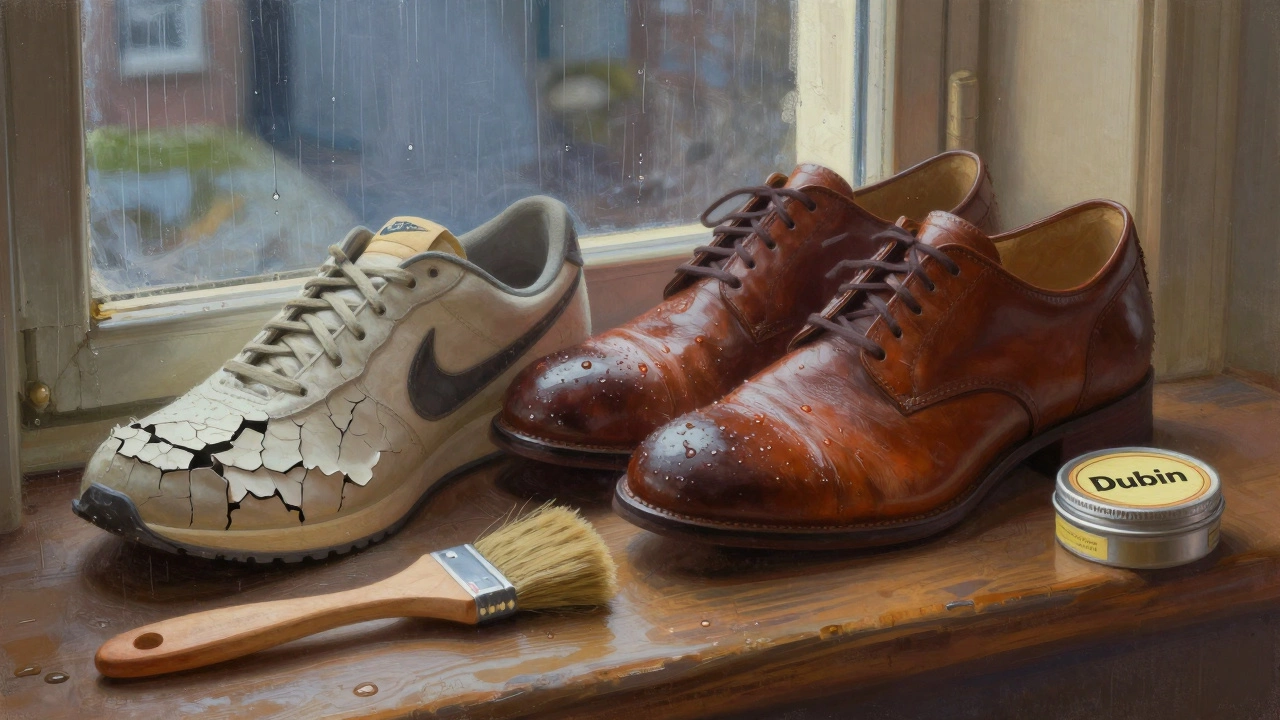
- Check the grain - Genuine leather has natural imperfections: tiny scars, wrinkles, variations in color. Synthetic leather looks too perfect, like a printed pattern.
- Press it - Pinch the material. Real leather will crease slightly and bounce back. Synthetic will either stay flat or crack.
- Wet a cloth - Dab a little water on an inconspicuous spot. Real leather will darken slightly and absorb it. Synthetic will bead up or leave a stain.
And if you’re still unsure? Take it to a cobbler. Most towns in Ireland have one. In Sligo, Kilkenny, or Waterford, cobblers can tell you in seconds if it’s real leather-and whether it’s worth repairing.
How to Care for Leather Nike Shoes in Ireland
Buying genuine leather is only half the battle. You need to maintain it. Irish winters are brutal on shoes. Salt from roads, wet grass, and constant rain eat away at unprotected leather.
Do this every month:
- Brush off dirt with a soft horsehair brush (available at any cobbler or hardware store like B&Q).
- Apply a beeswax-based conditioner (like Saphir Medaille d’Or or even a simple dubbin from a local shoe repair shop).
- Let them dry naturally-never near a radiator. Heat cracks leather.
- Use a water repellent spray designed for leather (not for synthetics). Nikwax Waterproofing Wax for Leather works well.
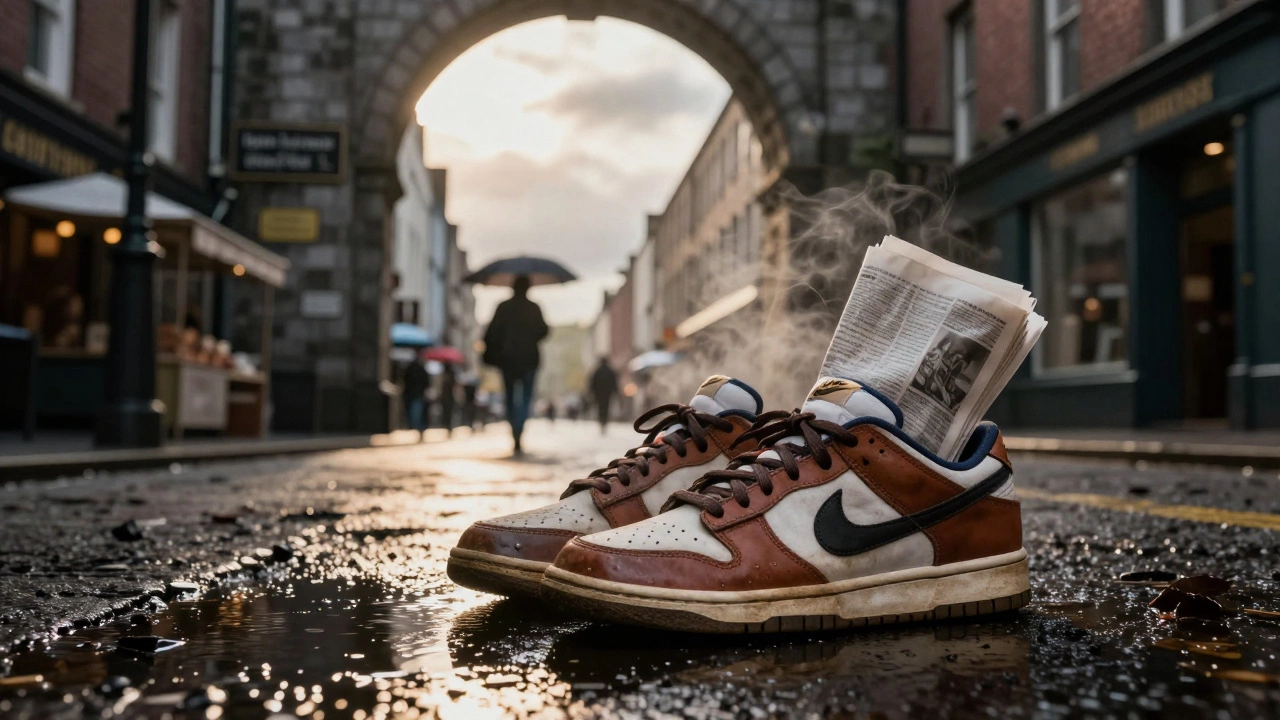
And if your shoes get soaked? Stuff them with newspaper. Change the paper every few hours. Don’t use a hairdryer. I’ve seen too many people ruin a good pair of leather Nikes trying to dry them too fast.
Is It Worth the Extra Cost?
A pair of Nike Air Force 1s with synthetic uppers costs €90. The genuine leather version? €130. At first glance, it’s a €40 difference. But here’s the math:
- Synthetic: lasts 6-8 months in Irish conditions → you buy 2 pairs a year → €180/year.
- Genuine leather: lasts 3-5 years with care → €130 total over 4 years → €32.50/year.
That’s not just saving money. It’s saving time, waste, and frustration. In a country where recycling footwear is still rare and landfills are filling up, choosing durable gear matters.
Plus, real leather shoes age beautifully. They develop a patina. They tell a story. You can walk from Trinity College to the River Liffey in Dublin, from the Cliffs of Moher to the Dingle Peninsula, and your shoes will remember every step.
What to Avoid
Don’t fall for these traps:
- ‘Premium Leather’ - This isn’t a regulated term. It could mean anything. Look for ‘full-grain’ or ‘top-grain’ instead.
- ‘Vegan Leather’ - Not bad, but it’s not real leather. If you want animal-derived material, this won’t help.
- ‘Leather-look’ - That’s marketing speak for plastic.
- Buying from street vendors - Especially around Temple Bar or Grafton Street. Counterfeits are common.
And if you’re buying second-hand? Avoid shoes with peeling soles, stiff uppers, or a strong chemical smell. That’s not vintage-that’s trash.
Final Verdict
Yes, Nike makes genuine leather shoes. But not all of them. And in Ireland, where the weather is relentless and the ground is always damp, you need to choose wisely. If you want shoes that last, breathe, and look better with age, go for the real thing. Skip the bargain bin models. Invest in the ones labeled ‘Genuine Leather’ and care for them right.
It’s not about being fancy. It’s about being practical. Your feet will thank you when you’re walking through the rain in Galway next January-dry, comfortable, and still looking good.
Are all Nike Air Force 1s made with genuine leather?
No. Only specific models like the Air Force 1 Premium, Dunk Low Retro, and some special editions use genuine leather. Many Air Force 1s, especially budget or seasonal versions, use synthetic materials. Always check the product label or official Nike product page for material details.
Can I wear Nike leather shoes in the rain in Ireland?
Yes, but only if they’re properly treated. Genuine leather can handle moisture better than synthetic, but it needs conditioning and water repellent spray. Never let them sit wet for long. Dry them slowly with newspaper and avoid direct heat.
Where can I get Nike leather shoes repaired in Ireland?
Most towns have a local cobbler. In Dublin, try The Shoe Repairer on South King Street. In Cork, visit Cobblers on Oliver Plunkett Street. In Galway, the repair shop near the Spanish Arch offers resoling and leather conditioning. They can fix soles, re-stitch uppers, and rejuvenate dried-out leather.
Is genuine leather more expensive in Ireland than elsewhere?
Not significantly. Nike’s pricing is consistent across EU countries due to VAT and import rules. You might pay slightly more in Ireland due to shipping or retailer markups, but the difference is small. Always buy from official Irish retailers to avoid currency scams or counterfeit products.
What’s the best Nike model for Irish winters?
The Nike Air Force 1 Premium (full-grain leather, rubber outsole) is ideal. Avoid mesh panels. The Dunk Low Retro with leather uppers also works well. For extra protection, pair them with waterproof socks and consider adding a rubber sole insert if the original is worn thin.