14
Do School Uniforms Improve Behavior in Ireland? A Local Perspective
School Uniform Cost Calculator for Irish Families
Estimate your annual uniform expenses and discover money-saving options
Customize Your Estimate
Cost Breakdown
Configure your options and click calculate to see your estimated uniform costs.
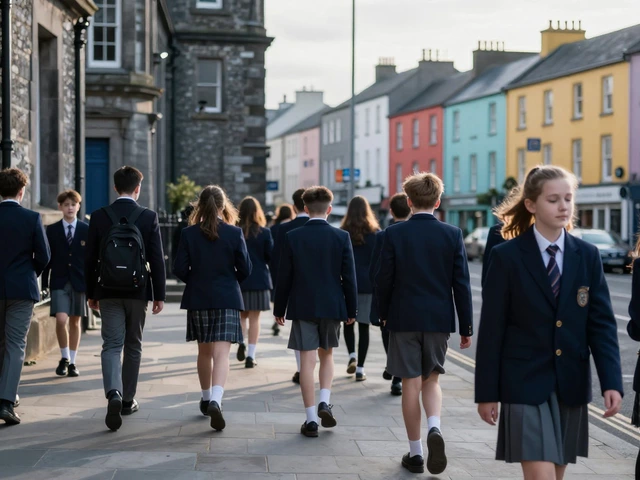
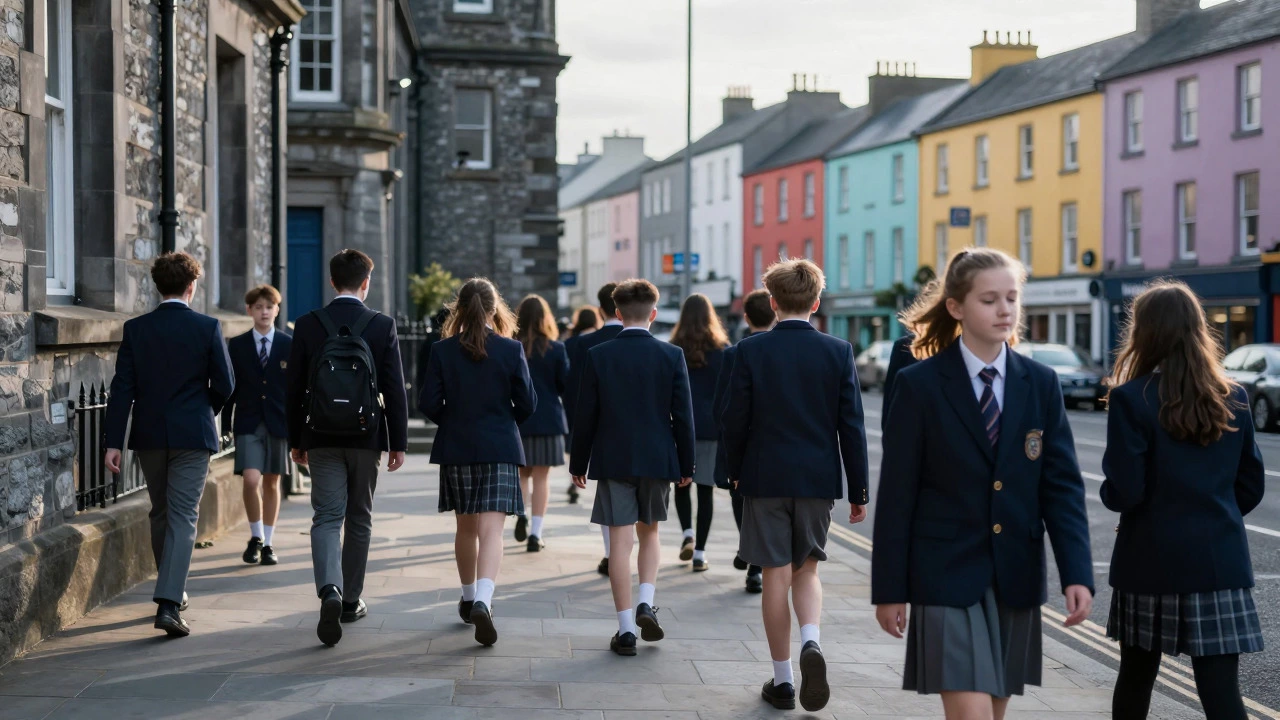
Walking down the high street in Galway city on a crisp Tuesday morning, you see them immediately. Rows of students in navy blazers and grey trousers or skirts, hurrying toward their secondary schools. It is a familiar sight across Ireland, from the bustling streets of Dublin to the quiet towns of Cork and Limerick. But as parents debate costs and teachers manage classrooms, one question keeps coming up: do these uniforms actually improve behavior?
The debate isn't just about looking neat. It touches on identity, discipline, and social dynamics. In Ireland, where community ties are strong and school life plays a central role in growing up, the uniform is more than fabric. It is a symbol of belonging. Yet, does wearing the same outfit really make students behave better? Let’s look at what happens inside our classrooms and playgrounds.
The Reality of Classroom Discipline
If you ask any teacher in an Irish secondary school, they will tell you that behavior is complex. Yes, uniforms remove the daily stress of choosing clothes. No more arguments over whether jeans are too tight or if a t-shirt has an inappropriate slogan. That small win can help start the day calmly. But does it stop bullying or disruptiveness?
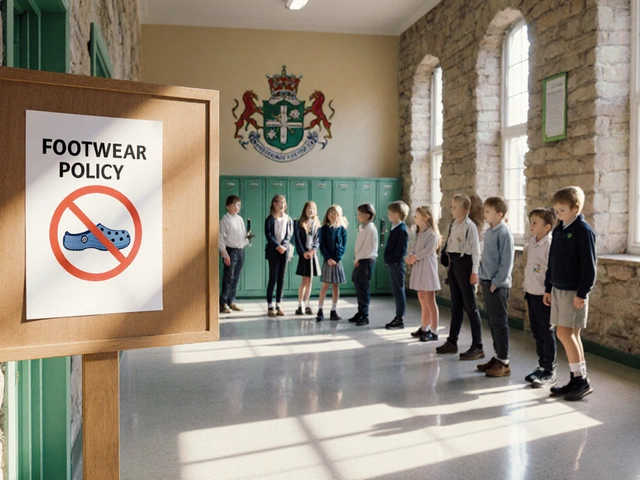
In many cases, the answer is no. Bullying often shifts from clothes to other things-phones, shoes, or even how neatly the uniform is worn. I’ve seen students tease each other for having scuffed shoes or mismatched socks. The uniform doesn’t erase social hierarchies; it just changes the target. However, there is a subtle benefit. When everyone looks similar, it reduces some visible markers of wealth. A child from a low-income family in Dún Laoghaire doesn’t stand out for not owning the latest designer brand. This level playing field can reduce anxiety and, indirectly, improve focus in class.
But let’s be clear. Uniforms don’t fix bad behavior. They don’t replace good teaching, clear rules, or consistent consequences. If a school lacks structure, a blazer won’t magically create order. Teachers still need to engage students, build relationships, and enforce boundaries. The uniform is a tool, not a solution.
Social Identity and Belonging
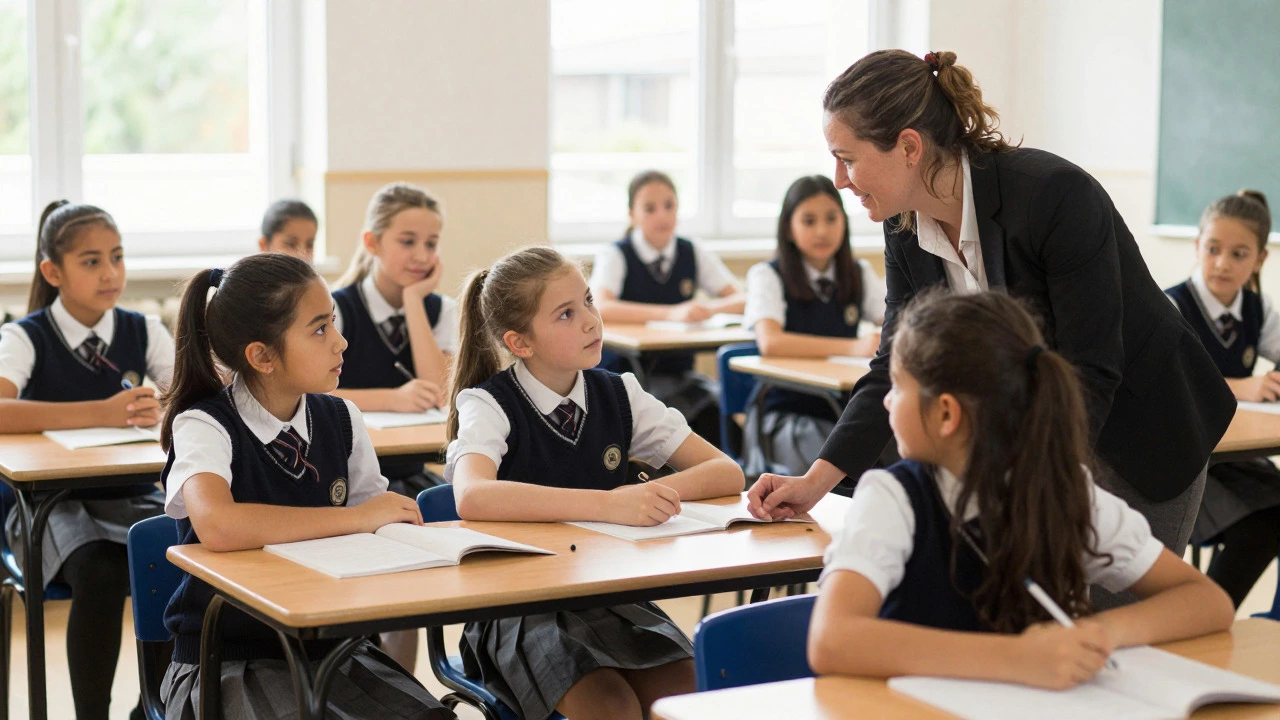
In Ireland, school spirit matters. Think of the pride students feel wearing their school colors during sports days or music festivals. For many young people, especially those new to a town or country, the uniform offers instant inclusion. You put it on, and you belong. This sense of community can boost confidence and encourage positive interactions.
Consider a migrant family moving to Belfast or Galway. Their child might feel isolated at first. But when they wear the same uniform as their peers, it signals acceptance. Studies from UK and Irish educational bodies suggest that this shared identity can reduce feelings of exclusion. When students feel they are part of a team, they are less likely to act out. They care more about the group’s reputation.
That said, pressure to conform can also backfire. Some teens resist the uniform as a form of rebellion. They roll up sleeves, untie ties, or add unauthorized pins. These small acts of defiance show that individuality still seeks expression. Schools that allow minor personalization within strict guidelines often see fewer conflicts. Rigid enforcement can breed resentment, while flexibility fosters respect.
Cost Concerns for Irish Families
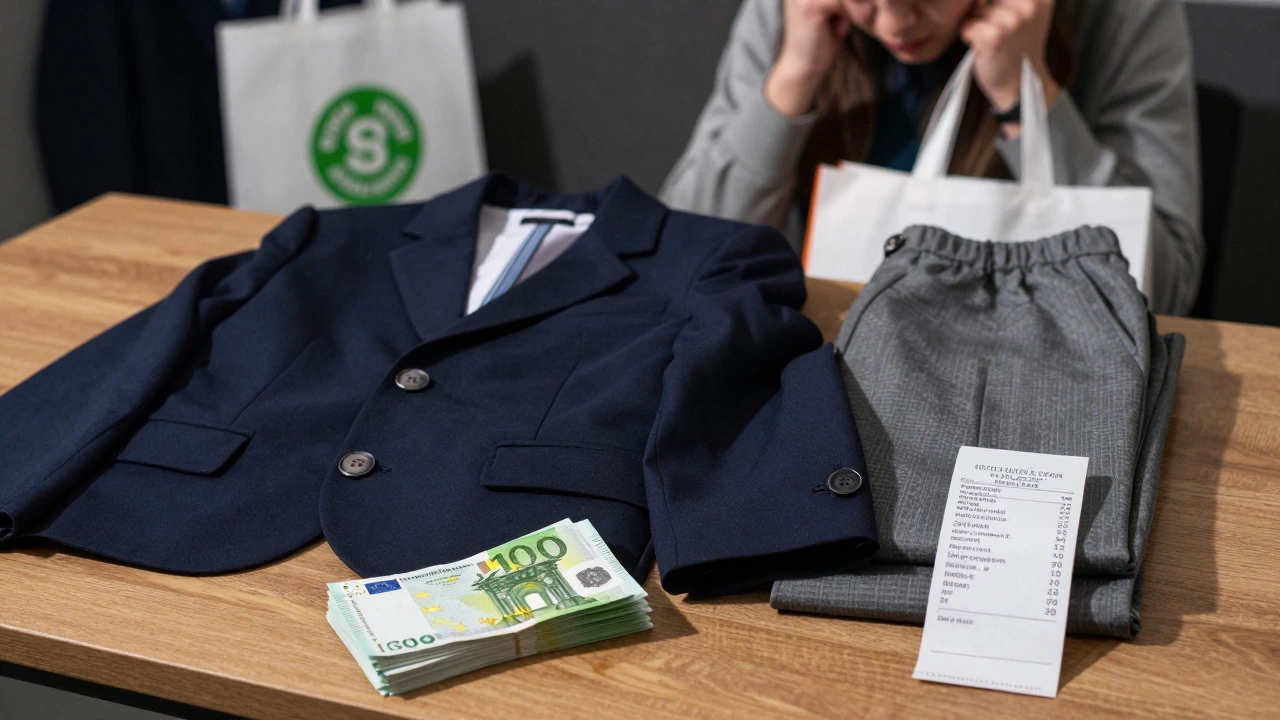
Let’s talk money. Buying a full school uniform in Ireland is expensive. A single blazer can cost €80-€120. Add trousers, shirts, jumpers, and PE kits, and you’re easily spending €300-€500 per year. For families on tight budgets, this adds real stress. And with inflation rising, those prices keep climbing.
This financial burden affects behavior too. Children who know their parents struggle to afford proper uniforms may feel ashamed or anxious. Some skip school events to avoid standing out. Others wear hand-me-downs that don’t fit well, leading to teasing. While second-hand shops like Oxfam or local charity stores offer cheaper options, quality varies. Parents spend hours hunting for usable items, adding time pressure to already busy lives.
Some schools have responded by offering free uniforms or subsidies. In areas with high deprivation, such as parts of West Dublin or East Cork, these programs help significantly. When cost barriers drop, attendance improves, and students participate more fully. Behavior follows suit. Happy, included kids tend to behave better.
What Works Best in Practice?
So, do uniforms improve behavior? Not directly. But they support conditions that lead to better conduct. Here’s what makes a difference:
- Clear expectations: Students should understand why uniforms matter-not just because “that’s the rule,” but because it promotes fairness and focus.
- Flexible policies: Allow modest personal touches. Let girls wear trousers instead of skirts. Permit cultural head coverings. Respect diversity.
- Affordability measures: Provide grants, swap schemes, or discounted suppliers. Reduce stigma around second-hand gear.
- Teacher engagement: Use the uniform as part of broader character education. Teach respect, empathy, and responsibility alongside dress codes.
Schools in Ireland that combine practical uniforms with supportive environments see the best results. Places like St. Patrick’s College in Maynooth or Coláiste Íosagáin in Bray don’t rely solely on attire. They build culture through mentorship, extracurricular activities, and open communication. The uniform becomes one piece of a larger puzzle.
Final Thoughts
Uniforms alone won’t transform a classroom. But when paired with thoughtful leadership and inclusive practices, they contribute to a calmer, more cohesive school environment. In Ireland, where community values run deep, leveraging that sense of unity can yield real benefits. Just remember: clothing shapes context, not character. True improvement comes from how we treat each other every day.
Do school uniforms reduce bullying in Ireland?
Not entirely. Uniforms reduce some visual differences related to wealth, which can lower certain types of bullying. However, bullying often shifts to other factors like footwear, phones, or appearance details. Effective anti-bullying strategies require active teacher involvement and peer support systems.
How much does a typical school uniform cost in Ireland?
A complete uniform usually costs between €300 and €500 annually, depending on the school and supplier. Blazers range from €80 to €120. Additional costs include PE kits, winter coats, and replacement items due to growth or damage.
Can students personalize their uniforms?
Most Irish schools allow limited personalization. Girls may wear trousers instead of skirts. Cultural or religious items like hijabs or turbans are permitted. Small accessories like hair clips or watches are generally accepted, but large modifications are discouraged.
Are there affordable uniform options available?
Yes. Many families use second-hand shops like Oxfam, local charity stores, or online marketplaces. Some schools partner with suppliers offering discounts or provide free uniforms for disadvantaged students. Check with your school’s administration for available resources.
Do all Irish schools require uniforms?
Most primary and secondary schools in Ireland require uniforms. Exceptions include some Montessori-inspired or alternative education settings. Private schools typically enforce stricter dress codes, while state-funded schools follow national guidelines set by the Department of Education.