26
Best Clothing for Extreme Heat: A Guide for Ireland’s Summer
Ireland Heat Wardrobe Checker
Planning a day out in Dublin or Cork during a heatwave? Check if your outfit will keep you cool or leave you sweating through your shirt.
1. The Fabric Factor
2. Fit & Color
3. Footwear & Accessories
Heat Comfort Score
0%Detailed Analysis
You might laugh at the idea of extreme heat in Ireland. We’re used to drizzle, wind, and that specific kind of grey dampness that gets into your bones. But climate patterns are shifting. Last July, temperatures in Dublin and Cork hit highs we haven’t seen in decades. Suddenly, the wardrobe you packed for a mild 20°C day feels like a trap. If you’ve ever stood on Grafton Street or waited for a bus in Galway while sweating through your shirt, you know what I mean. The old rule of "bring a raincoat" isn't enough anymore. You need a strategy for when the sun actually bites.
| Fabric Type | Breathability | Moisture Wicking | Best For |
|---|---|---|---|
| Linen | High | Medium | Casual days, beach trips |
| Cotton Poplin | Medium-High | Low | Office wear, smart casual |
| Merino Wool (Lightweight) | High | High | Hiking, active movement |
| Silk | Medium | Low | Evenings, sensitive skin |
| Polyester Blends | Low | Variable | Avoid unless technical sportswear |
The Fabric Myth: Why Cotton Isn’t Always King
We all grew up being told cotton is the best thing since sliced bread. And sure, it’s soft. It’s cheap. You can find it everywhere from Penneys to Zara. But here’s the problem with cotton in real heat: it absorbs sweat and holds onto it. Once it’s wet, it stops breathing. It clings to your back. It dries slowly. In our humid coastal air, especially if you’re near Salthill or along the Wild Atlantic Way, a heavy cotton t-shirt can feel like a cold compress by mid-afternoon. Not exactly comfortable.
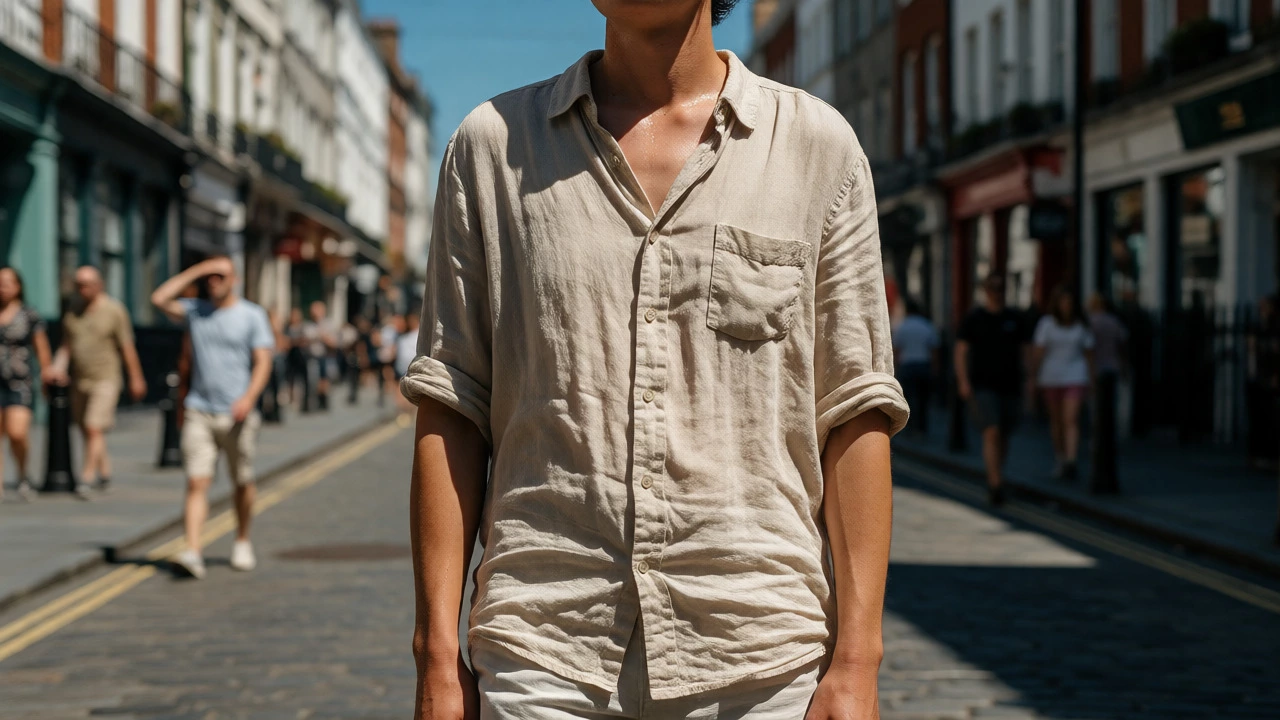
If you want to stay cool, look for linen first. Linen is derived from flax, a plant that grows well in cooler climates, which ironically makes it perfect for keeping you cool. The weave is loose, allowing air to circulate right against your skin. Yes, it wrinkles. Get over it. That crinkled look is part of the charm. Pair a linen shirt with shorts, and you’re ready for anything from a pub lunch in Kinsale to a walk in Phoenix Park. If linen feels too rough, try a linen-cotton blend. It keeps some breathability but adds structure.
Then there’s merino wool. Don’t recoil. I’m not talking about the scratchy jumpers your grandmother knitted. Modern lightweight merino, often labeled as 150-170gsm, is incredibly fine. It regulates temperature better than any synthetic fabric. It wicks moisture away from your body so it evaporates quickly. This means you don’t get that clammy feeling. Brands like Icebreaker or local Irish makers like Connemara Blue use high-quality wool. It sounds counterintuitive to wear wool in July, but trust me, it beats polyester every time.
Dresses and Skirts: The Airflow Advantage
For women, this is where summer dresses become essential. They aren’t just cute; they’re functional engineering. A dress allows air to flow around your legs and torso without restriction. Pants, even light ones, create layers. Layers trap heat.
Look for cuts that allow movement. A-line skirts, wrap dresses, and shift dresses are your friends. Avoid tight-fitting jersey knit dresses unless they have a significant elastane content for stretch, and even then, stick to lighter colors. Dark colors absorb heat. White, pastels, and light blues reflect it. If you’re attending a wedding in June, opt for a silk or chiffon midi dress. Silk is natural and breathable, though it stains easily. Chiffon is sheerer and often made from polyester, so check the lining. A viscose or rayon lining helps manage sweat better than pure plastic-feeling synthetics.
Length matters too. Mini dresses expose more skin to the sun, which can lead to burns if you’re not careful with sunscreen. Maxi dresses cover you up but can be hot if the fabric is heavy. A knee-length or midi length hits the sweet spot. It protects your thighs from direct sun exposure while still allowing airflow at the hem. If you’re cycling through Dublin city center, a shorter hemline prevents the fabric from getting caught in spokes or looking messy in the wind.
Tops and Bottoms: Practical Choices for Daily Life
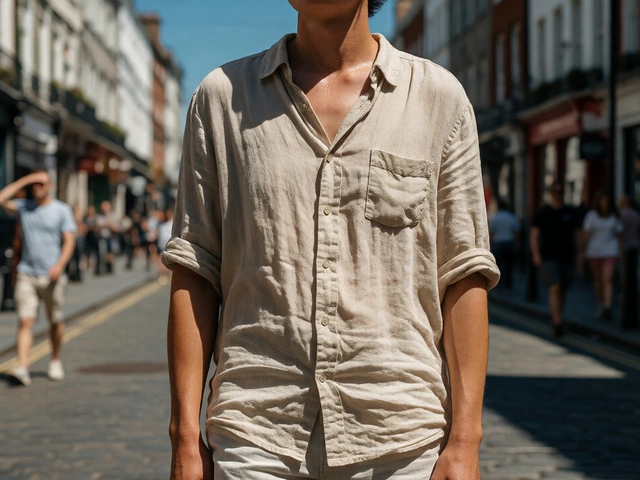
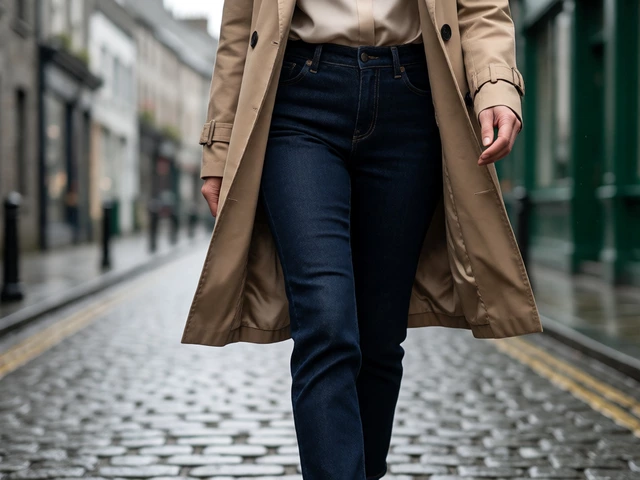
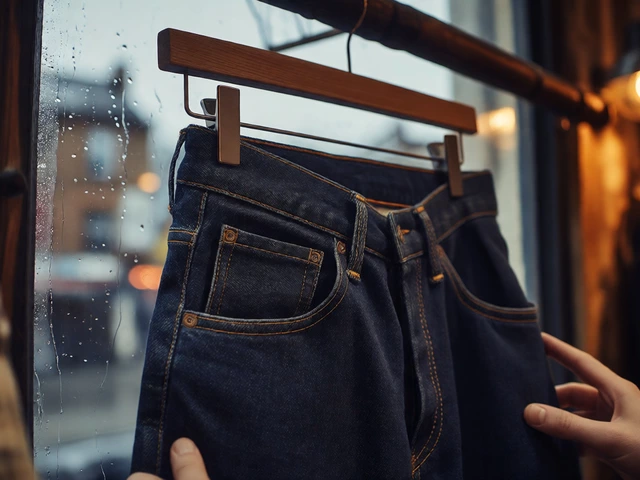
Men often struggle more with heat because traditional menswear relies on heavier fabrics and structured fits. Ditch the jeans. Denim is thick, stiff, and retains heat. Swap them for chinos in a lightweight cotton twill or, better yet, linen trousers. Linen pants have come a long way. They no longer look like pajamas. Tailored linen trousers in beige or navy look sharp enough for a casual office environment but breathe like a dream.
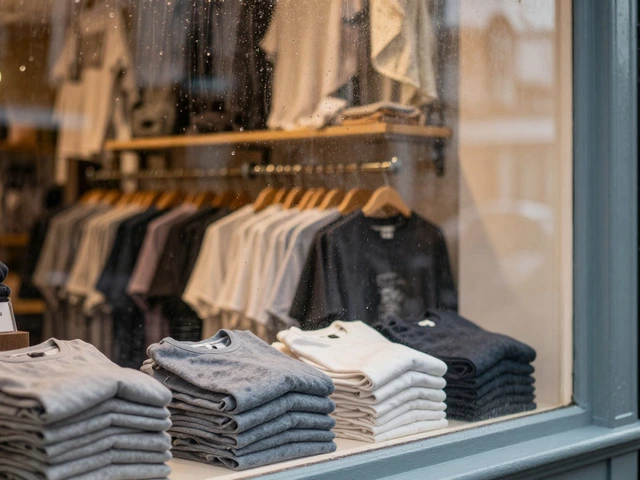
For tops, short-sleeved button-downs are versatile. Roll the sleeves up to keep your arms cool. Choose open collars instead of tight necklines. Polo shirts are okay if they’re piqué cotton, which has small holes for ventilation. Avoid heavy polo shirts meant for golf in winter. T-shirts should be oversized or relaxed fit. Tight t-shirts restrict airflow and highlight sweat patches. A slightly loose white tee is iconic for a reason. It works in Galway, it works in London, it works anywhere.
Undergarments play a huge role here. Synthetic bras and boxers trap heat. Look for seamless designs in modal or bamboo viscose. These materials are softer than cotton and dry faster. Bamboo fiber also has natural antibacterial properties, which helps with odor control when you’re sweating. It’s a small detail, but one that saves embarrassment during a long commute on the Luas or a crowded train to Limerick.
Footwear: Let Your Feet Breathe
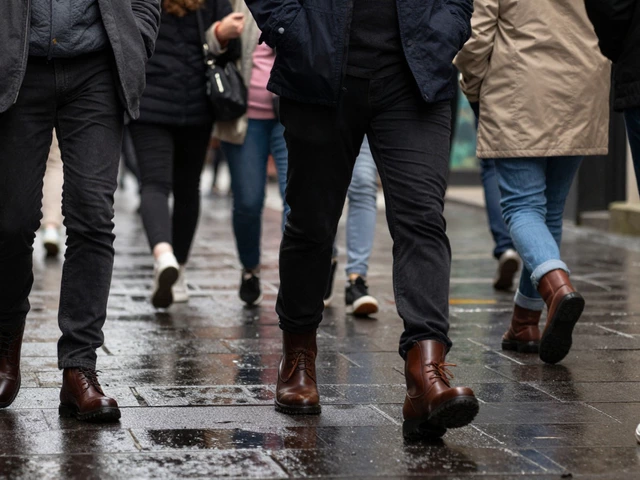
Your feet generate a lot of heat. Encasing them in leather boots or heavy sneakers creates a sauna effect. Sandals are obvious, but not always appropriate. Leather sandals are durable and mold to your foot shape over time. Brands like Birkenstock are popular in Ireland for a reason-they provide support while staying open. However, avoid rubber flip-flops for walking long distances. They cause blisters and offer no arch support.
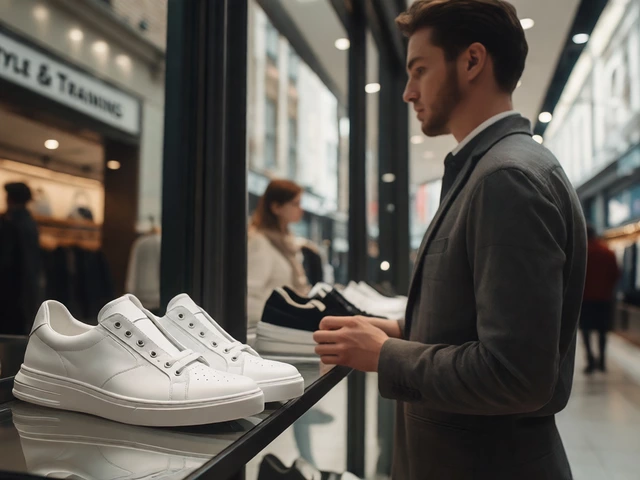
If you need closed shoes, choose canvas sneakers or mesh running shoes. Canvas, like Converse or Vans, is thin and lets air in. Mesh athletic shoes are designed for performance, meaning they prioritize ventilation. Just remember that Ireland’s ground can be uneven. Cobblestones in Dublin or gravel paths in national parks require sturdy soles. Don’t sacrifice safety for style entirely. A good compromise is a breathable slip-on sneaker with a rubber sole.
Socks matter. Wear no-show socks or ankle socks made from merino wool blends. Cotton socks get soggy and cause blisters. Merino socks wick moisture and prevent friction. If you’re wearing sandals, go barefoot if possible, or use thin liner socks to protect against straps rubbing.
Accessories and Sun Protection
It’s not just about clothes. Your accessories affect how hot you feel. Hats are crucial. A wide-brimmed hat shades your face and neck, reducing heat absorption directly on your skin. Straw hats are ideal because they’re light and porous. Baseball caps shade only the front of your face, leaving your ears and neck exposed. If you’re gardening or spending time outdoors, a bucket hat offers 360-degree protection.
Sunglasses aren’t just for looks. UV rays are stronger in Ireland than people think, especially when reflected off water or concrete. Polarized lenses reduce glare, making driving safer and sightseeing more comfortable. Keep them in your bag at all times.
Jewelry can conduct heat. Metal necklaces or bracelets can get hot in direct sunlight. Opt for wooden beads, fabric chokers, or resin pieces. They stay cooler against the skin. Also, consider a portable fan or a cooling towel. You can buy these in most pharmacies or sports shops in major towns. Wetting a microfiber towel and wrapping it around your neck provides instant relief.
Local Context: Adapting to Irish Conditions
Ireland’s heat is different from Spain’s or Australia’s. Our humidity is higher, and our winds are unpredictable. One minute it’s stiflingly hot, the next a breeze comes off the Atlantic and drops the temperature ten degrees. Dressing in layers is key. Carry a light cardigan or a denim jacket, even in July. You’ll need it when you step into an air-conditioned shop or restaurant. Many older buildings in Dublin and Cork lack proper AC, so indoor spaces can sometimes be hotter than outside. Conversely, new offices might freeze you out.
Consider the event. If you’re going to a festival like Electric Picnic or Live at the Marquee, prioritize comfort and durability. Mud happens. Dust happens. Wear clothes you don’t mind ruining. Linen shorts and a vintage band tee are festival staples. If you’re heading to a formal dinner in a hotel in Killarney, bring a backup outfit. Sweat can ruin delicate fabrics. Have a spare blouse or shirt in your bag.
Shopping locally supports Irish businesses. Check out independent boutiques in Galway’s Latin Quarter or Dublin’s Temple Bar area for unique pieces. Local designers often understand our climate better than global chains. They design for variable weather, not just extreme heat. Look for brands that emphasize natural fibers and ethical production. You’ll likely find higher quality garments that last longer than fast fashion alternatives.
Is linen really better than cotton for hot weather?
Yes, generally speaking. Linen has a looser weave than cotton, allowing for better air circulation. While cotton absorbs sweat, it tends to hold moisture against the skin, leading to a clammy feeling. Linen dries much faster and stays cooler to the touch. However, linen wrinkles easily, so choose your occasion accordingly.
What colors are best to wear in extreme heat in Ireland?
Light colors such as white, beige, pastel pink, and light blue are best. They reflect sunlight rather than absorbing it. Dark colors like black and navy absorb heat, making you feel warmer. Given Ireland's occasional intense sunshine, sticking to lighter palettes helps regulate body temperature more effectively.
Can I wear synthetic fabrics in the heat?
It depends on the type. Standard polyester traps heat and sweat, leading to discomfort. However, technical sportswear made with moisture-wicking synthetics is designed to pull sweat away from the skin and evaporate it quickly. For everyday wear, natural fibers like linen, cotton, and merino wool are superior choices for comfort and breathability.
Are summer dresses suitable for office wear in Ireland?
Absolutely, provided you choose the right cut and fabric. Midi-length dresses in structured cotton or silk blends look professional. Avoid overly casual prints or very short hemlines. Pair them with a light blazer or cardigan to accommodate air-conditioned offices. Many Irish workplaces have adopted smarter casual dress codes, making dresses a practical and stylish option.
How do I deal with sweat marks on my clothes?
Choose darker colors or busy patterns to hide sweat marks. Use antiperspirant correctly by applying it at night when pores are less active. Consider wearing undershirts made from moisture-wicking materials under your main top. Carrying a small travel-sized stain remover pen can help address minor spots before they set.