18
How to Dress for Summer in Ireland: A Local’s Guide
Irish Summer Outfit Checker
Select the features of your planned outfit to see how well it suits Ireland's unpredictable summer climate.
Outfit Score:
0%If you have ever tried to wear a single outfit from morning coffee in Dublin to an evening walk along the Claddagh Quay in Galway, you know the struggle. The summer dresses that look perfect on Instagram often fail miserably when the wind picks up or a sudden shower rolls in off the Atlantic. Here in Ireland, summer isn't just about heat; it's about unpredictability. You might need sunglasses at noon and a raincoat by 3 PM. So, how do you dress for summer without looking like you're dressed for four different seasons simultaneously? It comes down to smart fabric choices, strategic layering, and knowing what actually works in our specific climate.
The Myth of the "Hot" Summer
Let’s be real: we don’t get consistent 30°C heat like Spain or Italy. According to Met Éireann, the average summer temperature hovers between 15°C and 20°C, with occasional spikes higher. This means heavy linen suits or thick cotton denim can feel stifling during a brief heatwave but freezing when the clouds roll in. The key is breathability paired with warmth retention. You want clothes that let your skin breathe when the sun is out but trap a little air when the breeze turns chilly. This is why synthetic fast-fashion items often feel clammy here-they don’t wick moisture well in humid conditions, nor do they insulate once the sun drops behind a cloud bank over Connemara.
Fabric Science for Irish Conditions
Not all natural fibers are created equal. When shopping in local boutiques or browsing online stores shipping to Ireland, check the label. Cotton is great, but it holds onto water. If you get caught in a drizzle near the Burren, a cotton tee will stay wet for hours, making you cold. Linen is fantastic for airflow but wrinkles instantly and offers zero insulation. The sweet spot for Irish summers is blends. Look for merino wool blends, which regulate temperature incredibly well even in mild heat, or high-quality viscose and Tencel mixes that drape nicely and dry quickly.
| Fabric Type | Breathability | Rain Resistance | Best For |
|---|---|---|---|
| Merino Wool Blend | High | Moderate (wicks moisture) | All-day wear, variable temps |
| Linen | Very High | Low (absorbs water) | Dry, hot days only |
| Cotton Poplin | Medium | Low | Casual city strolls |
| Tencel/Viscose | High | Medium | Office to evening transitions |
The Art of Layering Without Bulk
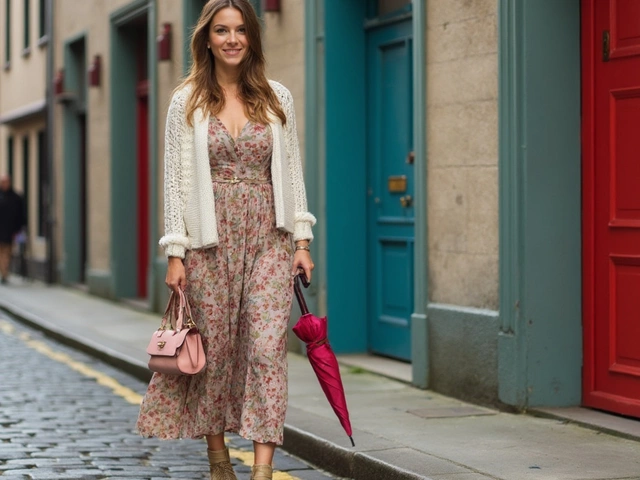
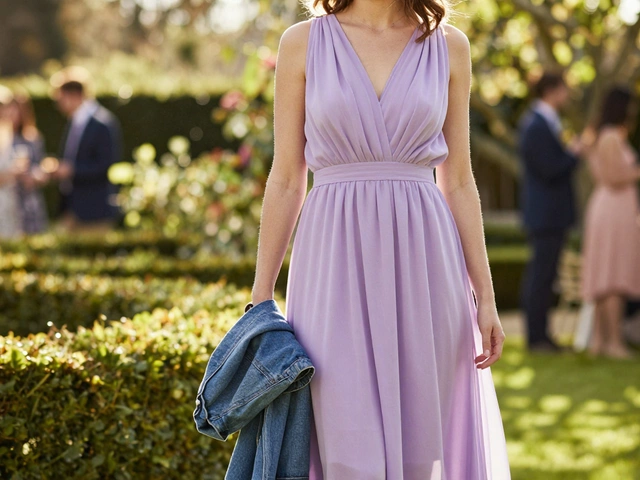
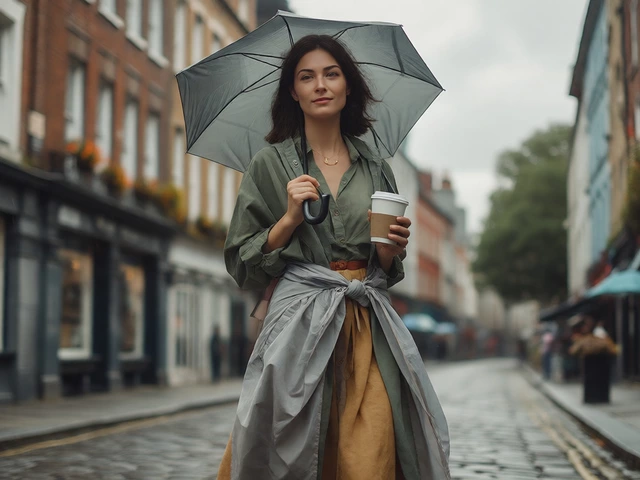
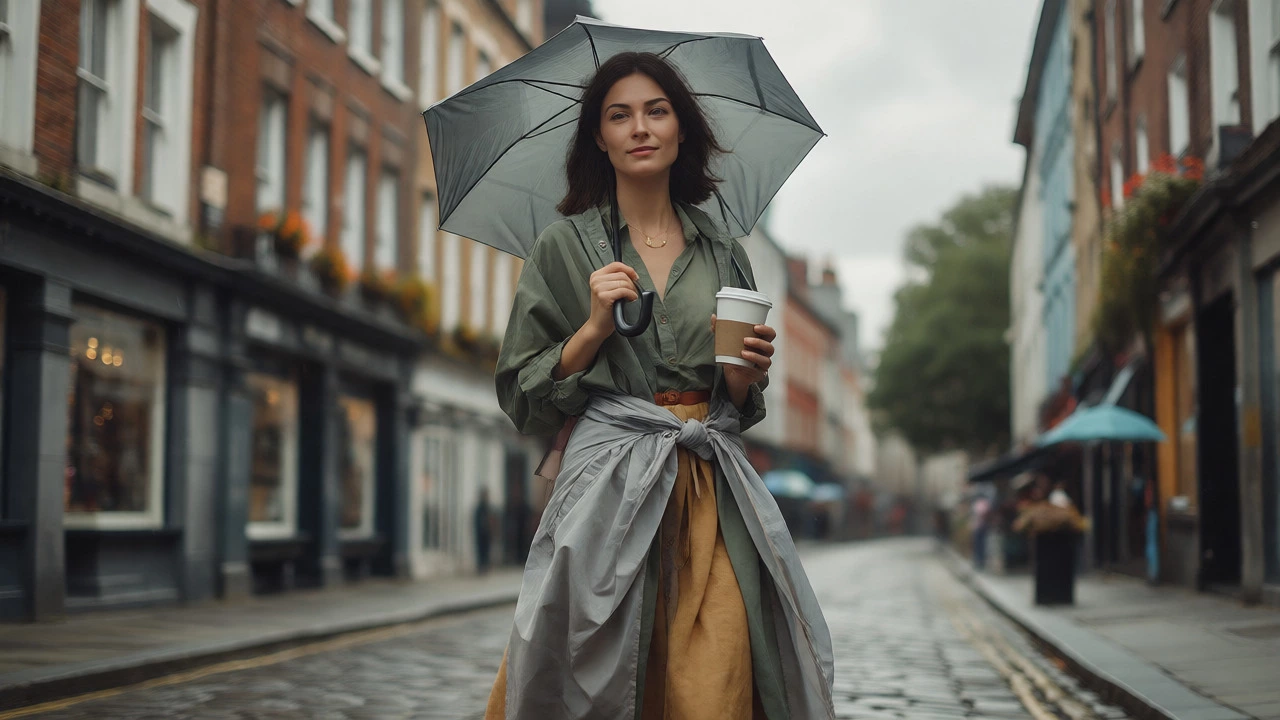
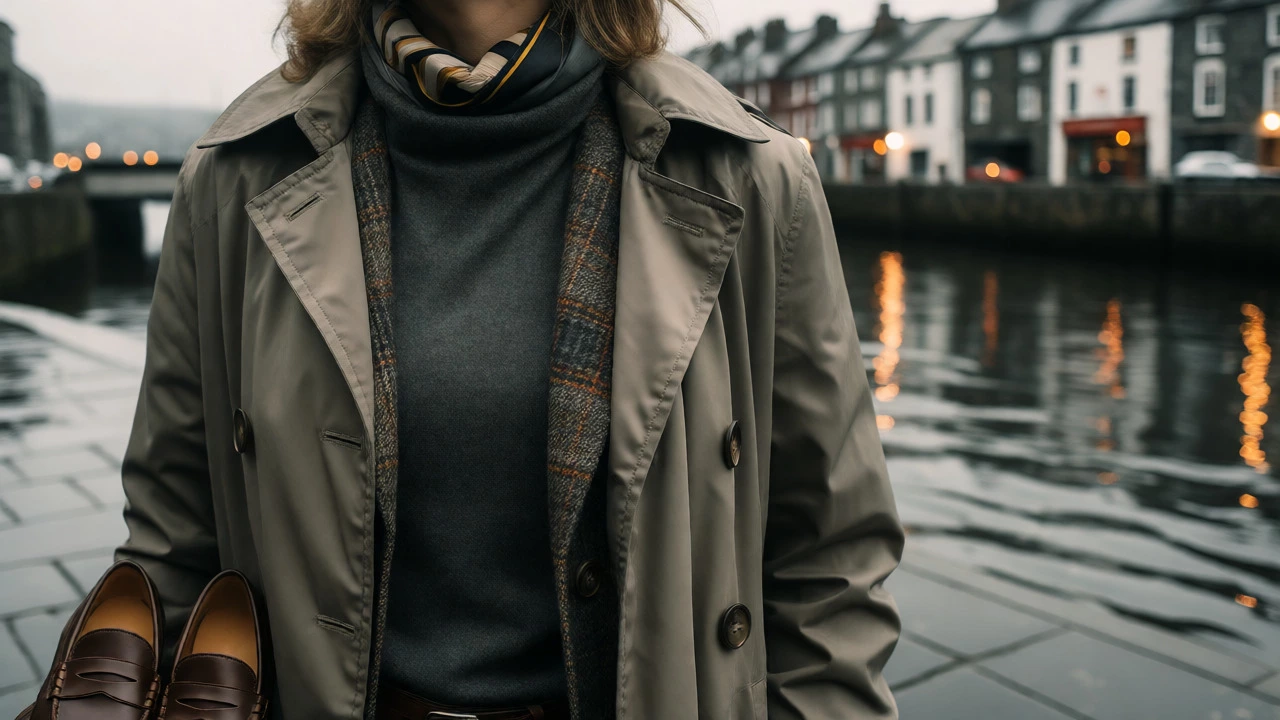
You cannot leave the house in July without a backup plan. In Galway, I keep a lightweight cardigan or a denim jacket in my bag every single day. But wearing a bulky sweater under a dress looks messy. Instead, opt for thin knits or silk scarves that add warmth without adding volume. A light trench coat is also a staple-it’s waterproof enough for a quick sprint to the car, stylish enough for a pub in Cork, and light enough to tie around your waist if the sun breaks through. Think of your outfit as modular. Base layer: a breathable dress or top. Middle layer: a thin knit or shirt. Outer layer: a packable rain shell or trench.
Footwear That Survives Puddles
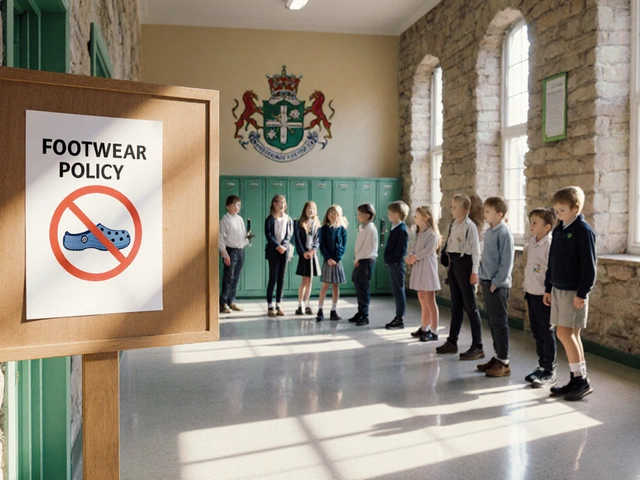
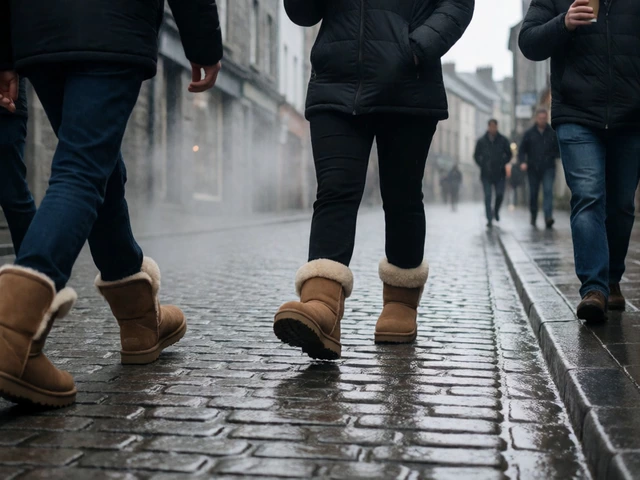
This is where many tourists get tripped up. White canvas sneakers look cute until you step in a puddle on Grafton Street or a muddy path in Phoenix Park. Suede shoes are practically useless unless you have a magic eraser ready. For Irish summers, leather loafers, waterproof boots, or sturdy sandals with grip are your best friends. Leather ages well and wipes clean easily. If you prefer open-toed shoes, choose styles with closed backs so you don’t lose them in the wind. And please, skip the flip-flops unless you’re literally on the beach in Lahinch. They offer no protection against cold winds or uneven cobblestones.
Accessories Are Functional, Not Just Decorative
In other countries, accessories are purely aesthetic. Here, they’re survival gear. Sunglasses aren’t just for glare; they protect your eyes from the low-angle sun that can blind you while driving down a narrow country road. Hats serve dual purposes: shielding your face from UV rays and keeping rain off your glasses. Choose wide-brimmed hats made of straw or treated felt that won’t ruin if they get damp. Also, consider a crossbody bag instead of a tote. Why? Because hands-free is essential when you’re juggling an umbrella, a coffee cup, and trying to hail a taxi in rainy Dublin traffic.
Dressing for Specific Occasions
Irish social life revolves around pubs, festivals, and outdoor markets. At a festival like Electric Picnic or a market in Kinsale, you’ll be standing for hours. Comfort is non-negotiable. Wear broken-in shoes and clothes that allow movement. For a nice dinner in Dublin’s Docklands, you can dress up, but remember that indoor heating varies wildly. Some venues are overheated, others drafty. A blazer or a structured jacket lets you adapt. Avoid long, trailing hems that drag on wet pavement. Midi-length dresses are ideal because they cover the knee but don’t soak up mud.
Local Brands Worth Checking Out
Supporting local doesn’t just mean buying Irish-made; it means buying clothes designed for Irish weather. Brands like Orvis, Harris Tweed, and smaller independent designers in Galway and Dublin understand the need for durability and style. Harris Tweed jackets, for instance, are naturally water-resistant and warm, making them perfect for those cool summer evenings. Check out local boutiques in areas like William Street in Dublin or Shop Street in Galway for unique pieces that won’t fall apart after one season. Investing in quality now saves money later when you realize cheap synthetics don’t handle our humidity.
Common Mistakes to Avoid
- Ignoring the forecast: Always check Met Éireann before heading out. Even if it’s sunny at 9 AM, a red alert for wind could change your plans by noon.
- Wearing dark colors exclusively: Black absorbs heat, which sounds good until you’re sweating through your shirt in a crowded tram. Lighter neutrals reflect sunlight and keep you cooler.
- Skipping sunscreen: Clouds don’t block UV rays effectively. We still get sunburns here, especially near reflective surfaces like water or white buildings.
- Overpacking luggage: If you’re visiting, bring fewer outfits but more layers. You can mix and match three dresses with five tops and two jackets to create ten different looks.
Final Thoughts on Style vs. Survival
Dressing for summer in Ireland is less about following trends and more about respecting the elements. It’s about feeling confident whether you’re dodging raindrops in Belfast or enjoying a rare sunny afternoon in Killarney. By choosing breathable fabrics, embracing layers, and picking practical footwear, you’ll look put-together without sacrificing comfort. Remember, the goal isn’t to fight the weather but to work with it. Stay dry, stay warm, and enjoy the fleeting beauty of an Irish summer.
Is it really necessary to carry an umbrella in summer?
Yes, absolutely. Rain can occur suddenly and frequently throughout June, July, and August. A compact, wind-resistant umbrella is a daily essential, not an optional accessory.
What type of dress length is most practical for Irish cities?
Midi lengths (just below the knee) are ideal. They provide modesty and warmth if it gets windy, but aren’t so long that they drag through puddles or catch on bicycle chains, which is common in cycling-heavy cities like Galway.
Can I wear jeans in summer?
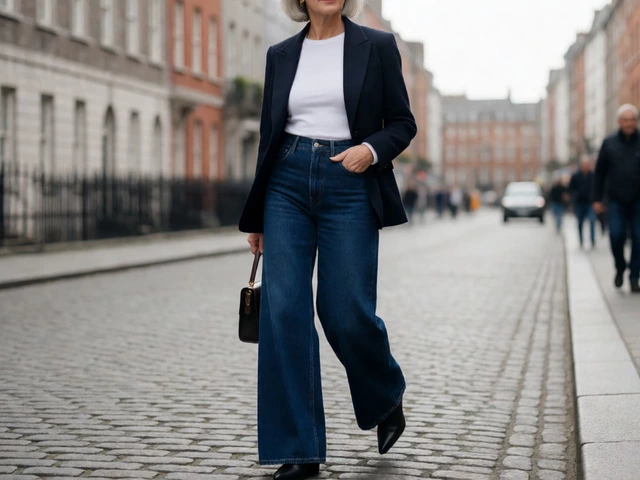
Yes, but choose lighter washes and thinner denim weights. Heavy rigid denim can feel too hot on humid days. Stretchy, softer denim blends are more comfortable for walking around historic towns with cobbled streets.
Are waterproof jackets too bulky for summer outfits?
Modern technical fabrics have changed this. Look for ultra-lightweight, packable rain shells that fold into their own pocket. These weigh almost nothing and fit easily over a dress or blouse without ruining the silhouette.
What colors work best for the Irish landscape?
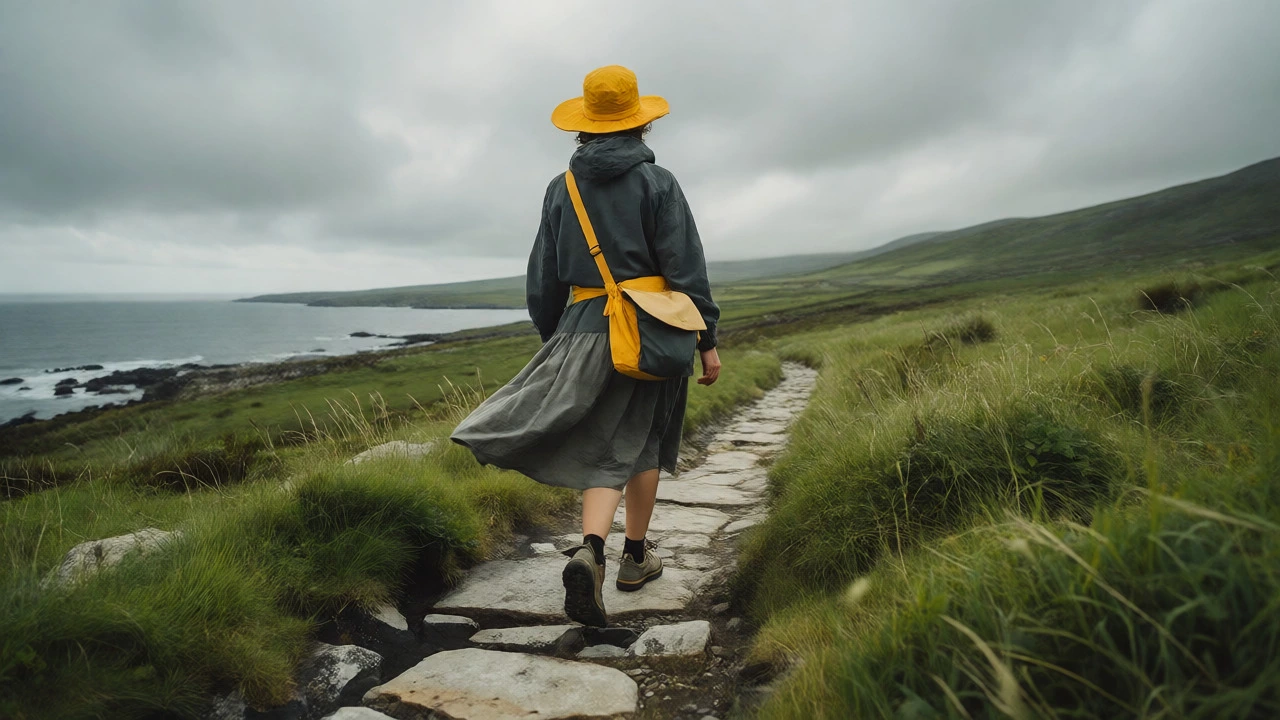
Earth tones, greens, blues, and greys blend beautifully with the natural scenery. However, bright accents like yellow or orange can lift your mood on grey days and make you more visible in traffic or crowds.