16
Are Sneakers Sportswear? A Guide for Irish Buyers
Sneaker Classification Tool
Are your shoes true sportswear or just stylish lifestyle gear? Answer the questions below to find out.
1. Primary Usage
2. Key Features
Select your options and click analyze to see the verdict.
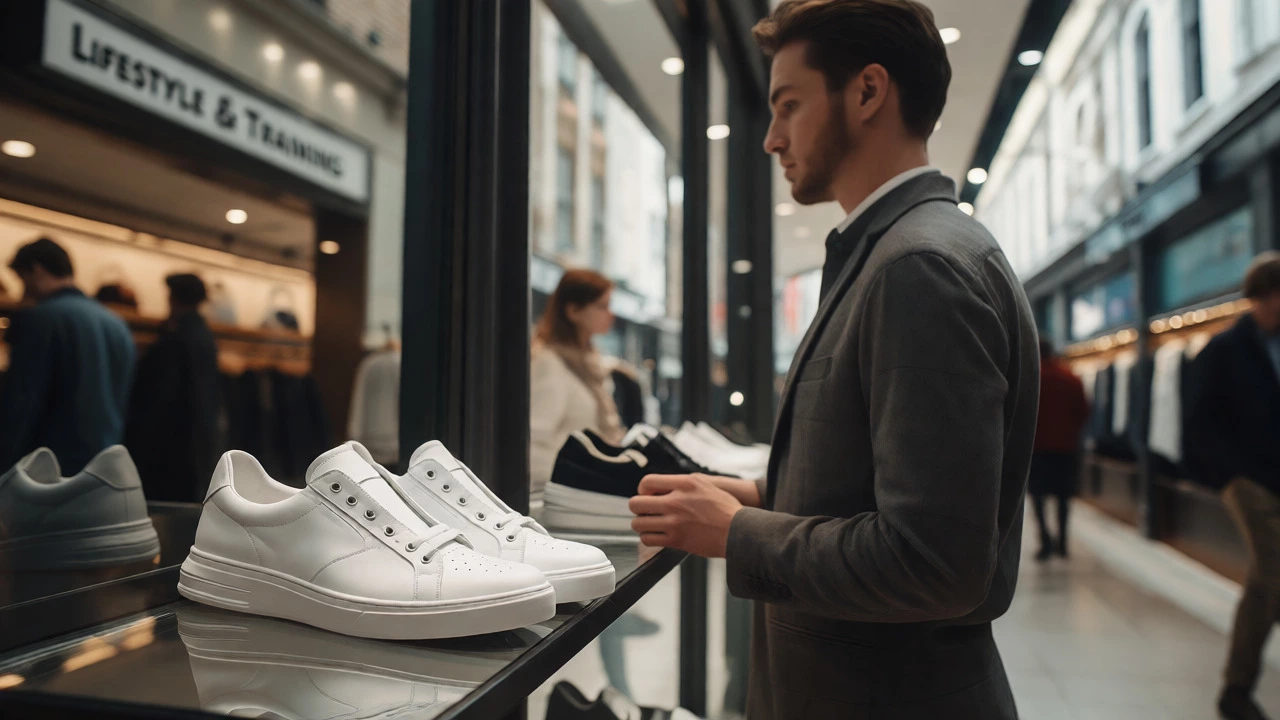
You’re standing in a queue at Brown Thomas on Grafton Street, or maybe you’re browsing the aisles of Sports Direct in Dublin. You see a pair of sleek, white leather shoes with no laces, just a strap across the top. They look like trainers. They feel like sneakers. But are they actually sportswear? In Ireland, where our weather swings from drizzle to sunshine in ten minutes and our social norms are surprisingly relaxed about what we wear to the pub, this question isn’t just academic-it’s practical.
The short answer is: it depends on who you ask, but mostly, yes. However, the line between "sportswear" and "fashion footwear" has blurred so much that it’s almost invisible. For the average person in Galway or Cork, if it looks like a sneaker and feels like a sneaker, it’s treated as casual footwear. But for retailers, insurers, and fashion purists, the distinction matters. Let’s break down why your definition of a sneaker might be costing you money or style points.
Defining the Terms: What Actually Counts?
To understand if sneakers are sportswear, we first need to agree on what these words mean. In the UK and Ireland, we often use "trainers" instead of "sneakers," though the terms are interchangeable globally. Sneakers are footwear designed for sports or other forms of physical exercise, characterized by flexible soles made of rubber or synthetic material and uppers typically made of canvas or leather. Historically, they were strictly functional gear for running, basketball, or tennis.
Sportswear, also known as activewear, is clothing and footwear designed specifically for athletic activity or exercise, prioritizing performance features like moisture-wicking fabrics, cushioning, and durability. The key here is *intent*. If you buy a shoe because you plan to run the Phoenix Park loop, it’s sportswear. If you buy it because it matches your jeans for a night out in Temple Bar, it’s lifestyle footwear.
This distinction used to be clear-cut. Your running shoes stayed in the gym bag. Now, thanks to the "athleisure" trend-which took off globally around 2015 and hit Irish high streets hard-people wear performance runners to brunch. Does that make them sportswear? Technically, no. The shoe hasn’t changed; the usage has. This creates a semantic gap that confuses buyers.
The Irish Context: Why Weather Changes Everything
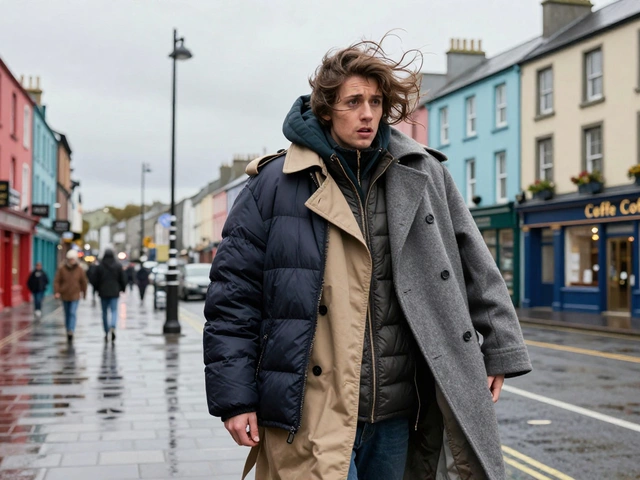
In Ireland, the classification of sneakers as sportswear is heavily influenced by our climate. We don’t have long, dry summers like Spain or California. Our damp, cool weather means that many "sneakers" sold here are hybrids. They look like casual shoes but have waterproof membranes (like Gore-Tex) or rugged outsoles designed for traction on wet cobblestones.
Consider the popularity of brands like Keen or Merrell in places like Killarney or Westport. These companies sell shoes that look like chunky sneakers but are marketed as outdoor footwear. Are they sportswear? Yes, because they are engineered for hiking trails. But locals wear them to the supermarket. This blurs the line further. If a shoe performs like sportswear but is worn casually, does it cease to be sportswear? Retailers say no-they still categorize them under "Active Footwear." Consumers say yes-they’re just comfortable shoes.
There’s also a cultural aspect. Irish society values practicality. We aren’t as obsessed with formal dress codes as some European neighbors. It’s common to see people in Galway wearing clean, minimalist sneakers to work in tech offices, which has normalized sneakers as everyday attire rather than just gym gear. This shift has forced Irish retailers to re-label their inventory. You’ll rarely see a strict "Sports" section anymore; instead, you see "Lifestyle & Training" mixed together.
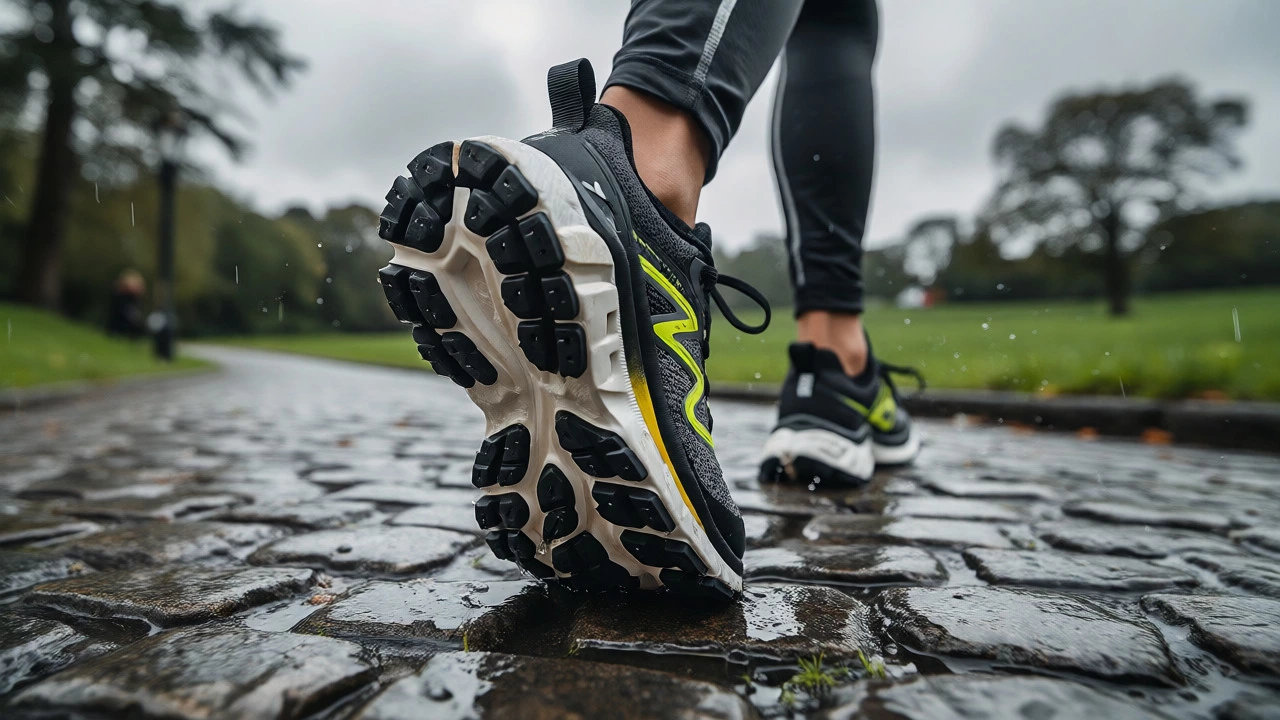
When Sneakers ARE Sportswear: Performance Indicators
How do you know if the pair you’re eyeing is genuine sportswear? Look for specific technical attributes. Not all sneakers are created equal. Here is a breakdown of the features that define true sportswear sneakers versus lifestyle alternatives.
| Feature | Sportswear Sneaker | Lifestyle Sneaker |
|---|---|---|
| Sole Material | High-abrasion rubber, often with specialized tread patterns for grip. | Softer rubber or EVA foam, optimized for comfort, not traction. |
| Cushioning | Advanced tech (e.g., Nike Air, Adidas Boost) for impact absorption during movement. | Basic memory foam or flat sole for walking/standing. |
| Upper Construction | Breathable mesh, reinforced zones for lateral support. | Leather, suede, or canvas; prioritizes aesthetics over breathability. |
| Weight | Lightweight to reduce fatigue during exercise. | Can be heavier due to decorative elements or thicker materials. |
| Price Point (Ireland) | €80-€160+ depending on brand and tech. | €40-€120, often discounted in sales. |
If you’re training for the Dublin Marathon, you need the left column. If you’re meeting friends for coffee in Ranelagh, the right column is fine. Wearing lifestyle sneakers for intense sport can lead to injuries. I’ve seen plenty of folks in local gyms trying to squat in flat-soled Converse or slip-on Vans. Their ankles suffer because those shoes lack the structural support defined as "sportswear."
The Blurring Line: Athleisure and Fashion Sneakers
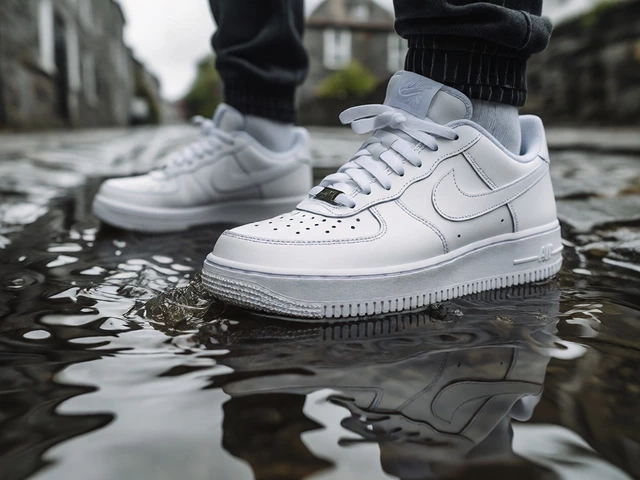
The rise of streetwear has complicated things further. Brands like Yeezy, Balenciaga, and even classic Adidas Stan Smiths are technically derived from sportswear origins but are now priced and positioned as luxury fashion items. In Dublin’s fashion scene, wearing a €300 pair of sneakers to a gala is becoming more acceptable. Are these sportswear? Functionally, no. You wouldn’t play Gaelic football in them. Culturally, they carry the heritage of sportswear.
This is where the term "heritage sneaker" comes in. These are shoes originally designed for sport (like the Reebok Classic or New Balance 990) that have been repurposed for daily wear. In Ireland, we love these because they bridge the gap between rural practicality and urban style. You can walk the Cliffs of Moher in a pair of NB 990s without feeling ridiculous, yet they’re perfectly appropriate for a city center stroll. This versatility is why the category is so confusing: they possess the DNA of sportswear but the soul of casual wear.
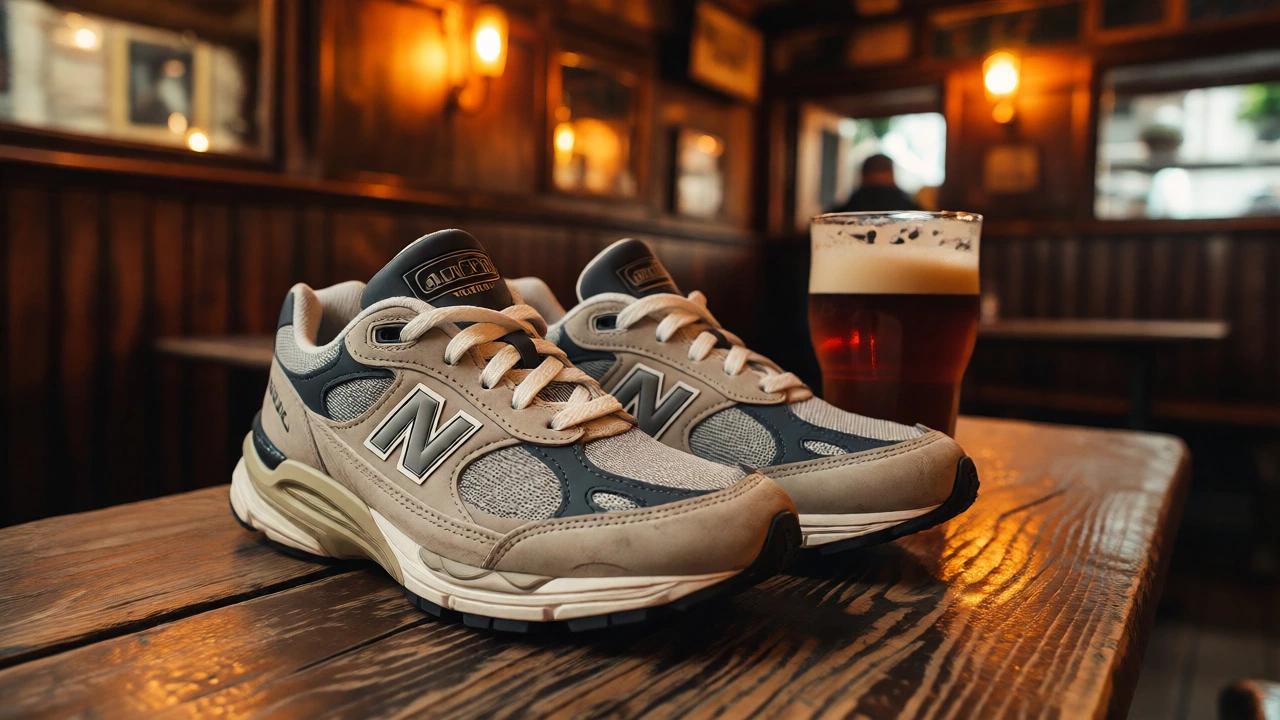
Buying Advice for Irish Shoppers
So, should you care about the label? Absolutely, especially when budgeting. If you buy a "lifestyle" sneaker expecting it to last through a winter of rain and puddles, you’ll be disappointed. Conversely, paying premium prices for "performance" tech you never use is a waste of money.
- Check the Outsole: If you live in a hilly area like Wicklow or Kerry, look for deep lugs. Smooth soles are for gyms, not wet grass.
- Material Matters: Leather ages well but needs waterproofing spray (available at any Smyths Toys or hardware store). Mesh dries fast but gets cold and wet easily.
- Fit for Purpose: Don’t use running shoes for hiking. Running shoes are built for forward motion; hiking boots/shoes offer ankle stability. Using the wrong one increases injury risk.
- Local Sales: Watch out for seasonal sales in November and January. Irish retailers often discount sportswear heavily after Christmas, making high-end performance sneakers accessible.
Also, consider sustainability. The Irish consumer is increasingly eco-conscious. Many sportswear brands now use recycled plastics for their sneakers. If you’re buying for environmental reasons, check if the shoe is recyclable. Some brands offer take-back schemes in major cities like Dublin and Cork, turning old sportswear into new playground surfaces.
The Verdict: It’s About Usage, Not Just Design
Is a sneaker sportswear? If you design it for athletics, it starts as sportswear. If you wear it for fashion, it becomes lifestyle footwear. The object itself doesn’t change, but its function does. In Ireland, where we value both utility and appearance, most sneakers occupy a middle ground. They are versatile tools that serve multiple roles.
The best approach is to stop worrying about the strict definition and focus on the specifications. Ask yourself: Do I need support? Do I need waterproofing? Do I need breathability? If the answer is yes, buy sportswear-grade sneakers. If you just want to look good while grabbing a pint, buy whatever makes you happy. The distinction matters less than the fit and the function for your specific life.
What is the difference between sneakers and trainers in Ireland?
In Ireland and the UK, "trainers" is the standard term for athletic footwear. "Sneakers" is an American term but is widely understood and used in marketing. There is no physical difference between the two; it is purely linguistic. However, some niche fashion circles might use "sneakers" to refer to retro or collectible styles, while "trainers" refers to general athletic wear.
Can I wear running sneakers for hiking in Ireland?
It depends on the trail. For paved paths in Phoenix Park or the Greenway in Limerick, running sneakers are fine. For muddy, uneven terrain in the Wicklow Mountains or Connemara, they are risky. Running shoes lack ankle support and aggressive traction, increasing the chance of slips and twists. Hiking-specific sneakers or boots are safer for rougher Irish landscapes.
Are expensive sneakers better quality than cheap ones?
Not always. Expensive sneakers often pay for brand prestige and fashion trends. Cheap sneakers from reputable sports brands (like Decathlon or Aldi’s special buys) can offer excellent durability and comfort for basic use. Quality is determined by materials and construction, not price tag. Always check reviews for longevity before buying.
How do I keep my white sneakers clean in Irish weather?
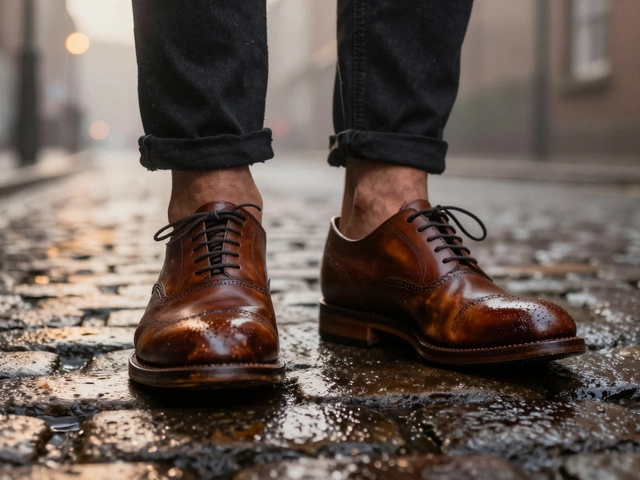
Irish rain and mud stain white fabric quickly. Use a protective spray immediately after purchase. Clean them regularly with a mild soap and brush, not just when they look dirty. Stuff them with newspaper to absorb moisture and maintain shape. Avoid putting them in the washing machine unless specified by the manufacturer, as glue can weaken.
Is athleisure considered sportswear?
Athleisure is a hybrid category. It uses sportswear materials and designs but is intended for leisure activities. While it originates from sportswear, it is generally classified separately in retail because it prioritizes style and comfort over peak athletic performance. You can wear athleisure to the gym, but you might not choose it for competitive sports.