16
Why Do They Call It Sportswear? The Irish History of Activewear
Sportswear Terminology & History Quiz
From tweed to tracksuits, how much do you know about why we wear what we wear? Take this quick quiz to test your understanding of the evolution from traditional sportswear to modern athleisure in Ireland.
1. Why did the term "sportswear" originally emerge?
2. What is the primary difference often cited between "activewear" and traditional "sportswear" in modern retail?
3. How has the Irish climate influenced local sportswear preferences?
4. Which Irish brand, founded in 1918, played a key role in transitioning from team kits to general consumer sportswear?
5. What does the phenomenon of "athleisure" refer to?
You’re standing in a shop on Henry Street in Dublin, or maybe browsing an online store from your kitchen table in Galway. You pick up a pair of joggers that look suspiciously like pajamas but cost forty euros. The tag says "performance fabric," the salesperson calls it "athleisure," and the brand logo screams high-end lifestyle. But everyone still calls it sportswear. Why? If you’re not actually running a marathon through Phoenix Park or playing hurling at Croke Park, why are you wearing "sports" clothes? The name is a relic, a linguistic fossil from a time when clothes had one job: to help you move without tearing. Today, the line between the gym floor and the pub has vanished. In Ireland, where the weather can shift from drizzle to sunshine in ten minutes, this confusion isn’t just semantic-it’s practical.
The Origin Story: From Tweed to Tracksuits
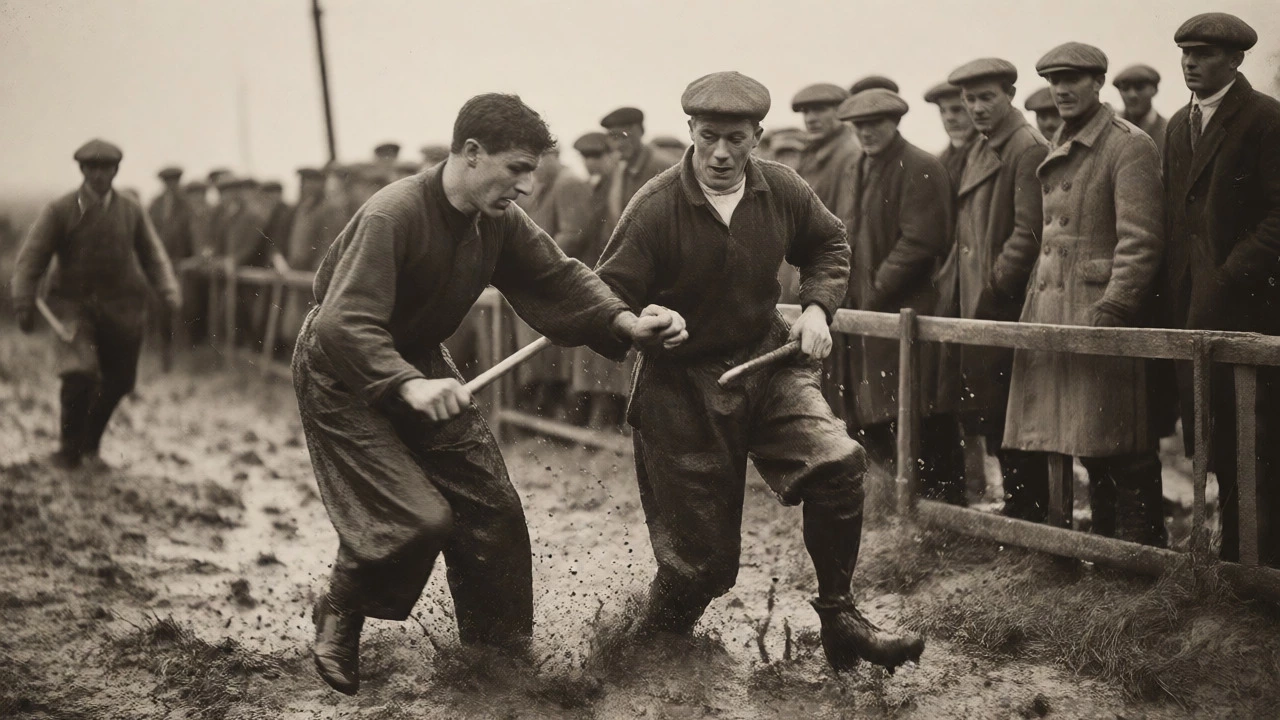
To understand the name, you have to look back before Lululemon existed. Historically, if you wanted to play tennis in County Kildare or go for a hike in Wicklow, you wore what you had. Men wore tweed jackets; women wore long skirts that restricted movement. This wasn't sportswear; it was everyday wear adapted for sport, often painfully so. The term "sportswear" emerged in the early 20th century as a distinct category of clothing designed specifically for physical activity. Unlike formal wear, which prioritized structure and status, sportswear prioritized function.
In the Irish context, this shift mirrored our own sporting culture. As Gaelic Athletic Association (GAA) clubs grew in popularity during the mid-20th century, players needed uniforms that could withstand rain, mud, and aggressive tackling. Brands began producing kits made from wool blends that were lighter than suits but durable enough for a Sunday afternoon match. These items were literally "wear for sports." The label stuck because it described the primary utility. Over decades, as manufacturing improved, these functional garments became comfortable enough to wear off the pitch. But we kept calling them sportswear, even as they migrated into offices and weekend errands.
Why We Still Use the Term (And When We Don't)
Language is lazy. We keep using old words for new things because changing them requires effort. "Sportswear" remains the umbrella term in retail because it signals durability and comfort to consumers. However, if you walk into a specialized retailer in Cork city, you’ll notice a subtle distinction. Staff will separate "training gear" (high-intensity, sweat-wicking) from "lifestyle sportswear" (cotton-heavy, stylish). The industry has tried to rebrand this space as "activewear" or "athleisure," but these terms haven't fully replaced "sportswear" in common parlance, especially among older generations in rural Ireland who remember when tracksuits were strictly for PE class.
There’s also a cultural resistance to pretentiousness here. Calling your hoodie "technical apparel" feels a bit much when you’re just going to Tesco for milk. "Sportswear" is humble. It admits the item’s roots. Yet, for the tech-savvy crowd in Dublin’s Silicon Docks, "activewear" implies a specific set of features-moisture management, four-way stretch, antimicrobial treatment-that justify a higher price point. The choice of word often depends on whether you view the clothing as equipment or as fashion.
The Irish Climate Factor: Function Over Fashion
Here in Ireland, the definition of sportswear is dictated by the sky. You cannot buy generic American-style athletic shorts and expect to survive a Tuesday in November. Our version of sportswear has evolved to handle persistent dampness and wind chill. This geographic constraint has shaped local preferences and product availability. International brands often tweak their European lines for the UK and Ireland, adding water-resistant coatings and heavier weights to hoodies and shells.
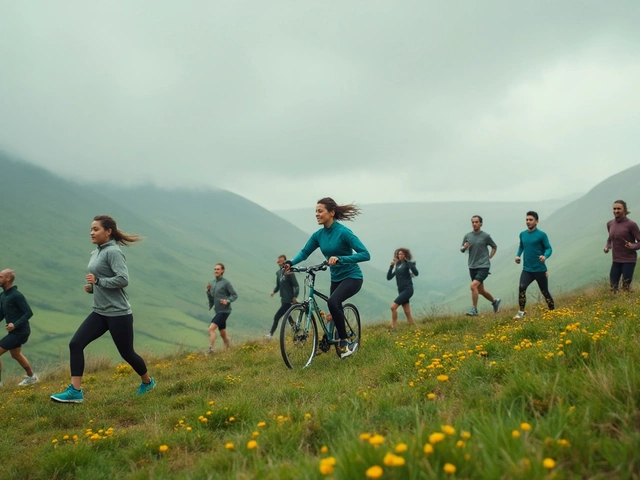
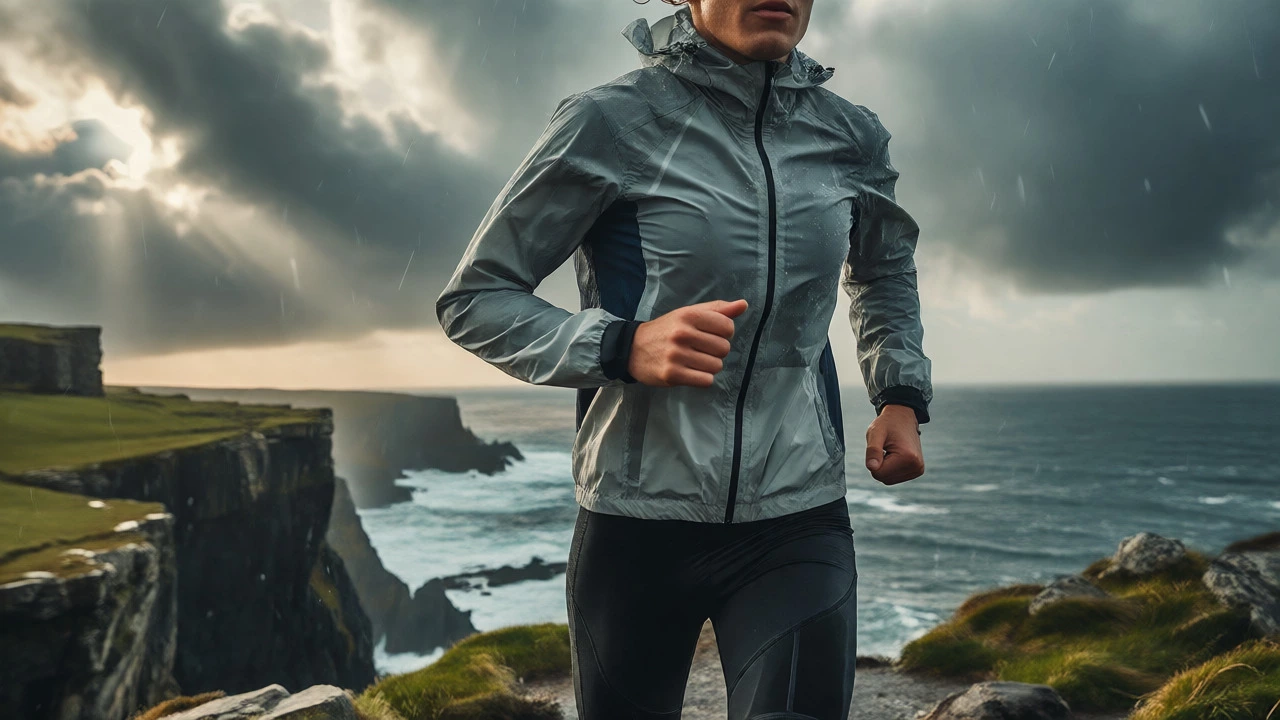
Consider the GAA jersey. It’s iconic, but it’s also highly engineered. Modern kits use synthetic polymers that dry quickly after a downpour, unlike the cotton jerseys of the 1970s that stayed wet for hours, chilling the player. This necessity drove innovation. Irish runners training along the Cliffs of Moher need layers that breathe but block wind. Therefore, when we ask "why do they call it sportswear," part of the answer is that in Ireland, sportswear must perform under hostile conditions. If it doesn’t protect you from the elements, it fails its primary purpose, regardless of how trendy the colorway is.
| Feature | Traditional Sportswear (Pre-1990s) | Modern Activewear/Sportswear |
|---|---|---|
| Fabric Material | Cotton, Wool, Basic Polyester | Nylon blends, Elastane, Gore-Tex membranes |
| Primary Purpose | Protection during play | Performance, Comfort, Style |
| Drying Time | Slow (hours/days) | Fast (minutes/hours) |
| Ideal Irish Use Case | Summer hurling matches | All-year-round commuting & hiking |
From Pitch to Pub: The Athleisure Shift
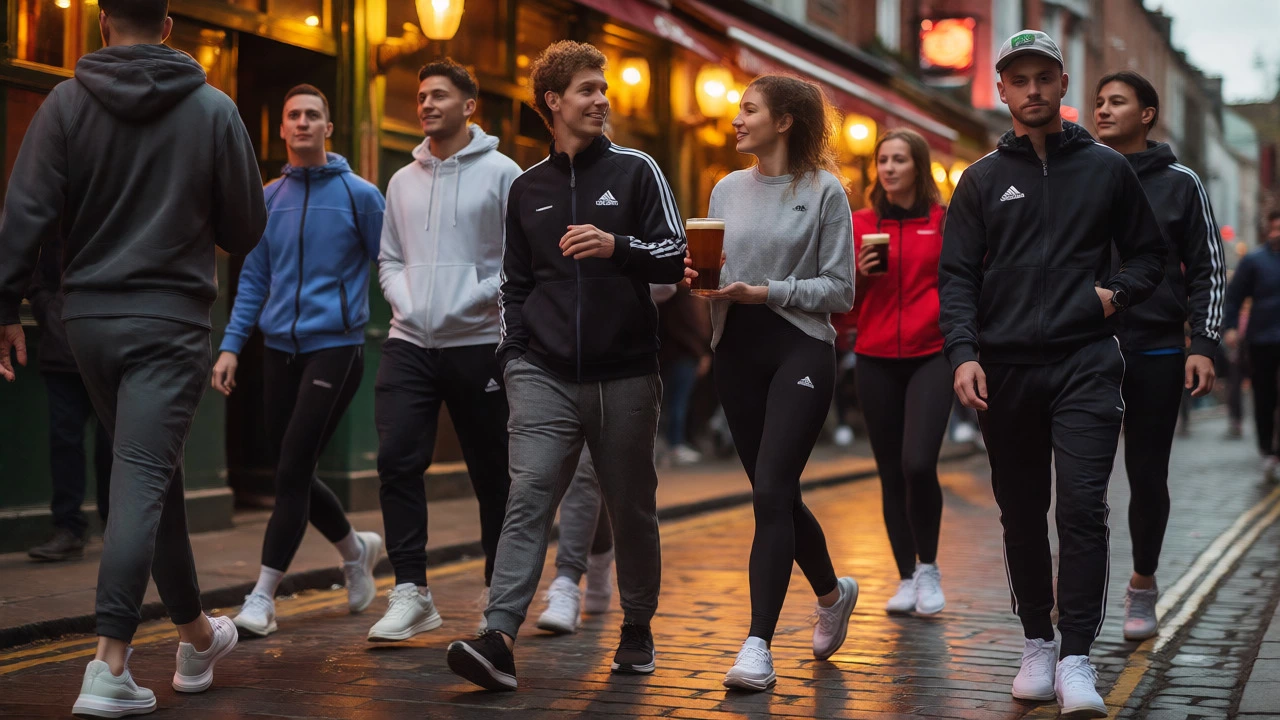
The real reason the term persists is that sportswear conquered casual wear. This phenomenon, known as athleisure, exploded globally in the 2010s, but it found fertile ground in Ireland’s relaxed social norms. We don’t have a strict dress code for most workplaces outside of finance or law. It’s socially acceptable to wear clean sneakers and a fitted track top to a casual meeting in Belfast or a coffee date in Limerick.
This blurring of lines makes the name "sportswear" confusing. You aren’t doing sports. You’re sitting in a chair. But the clothes retain the DNA of sports: elastic waists, breathable knits, and freedom of movement. Retailers know this. That’s why you see yoga pants displayed next to jeans in Penneys or Brown Thomas. The marketing leverages the aspirational aspect of sport-health, vitality, discipline-even if the wearer’s only exercise is walking to the bus stop. The name acts as a promise of comfort. If you buy "jeans," you expect stiffness. If you buy "sportswear," you expect ease.
Local Heroes: How Irish Brands Shape the Narrative
Ireland has contributed significantly to the evolution of this category. While global giants dominate shelves, local heritage plays a role. Take O’Neills, for instance. Founded in 1918 in County Armagh, O’Neills started with knitwear for rugby and GAA players. Their transition from pure team kits to general consumer sportswear mirrors the broader shift. They didn’t just sell shirts; they sold identity. Wearing an O’Neills jumper meant you supported a county, a club, a community.
Similarly, brands like Connolly Sports have long catered to the specific needs of Irish athletes, providing equipment and apparel tailored to Gaelic games. These entities reinforced the idea that sportswear is serious business. It’s not just fashion; it’s infrastructure for participation. When you buy a high-quality GAA boot, you’re investing in performance. This professionalization helped legitimize the category beyond mere leisure, cementing the term "sportswear" as a descriptor of quality and capability, not just activity.
Shopping Smart: What to Look For in Ireland
If you’re shopping for sportswear in Ireland today, ignore the label’s vanity metrics. Focus on attributes that matter for our climate and lifestyle. Here is a quick checklist for your next trip to the mall or online checkout:
- Water Resistance: Look for DWR (Durable Water Repellent) coatings on outer layers. A standard cotton hoodie will soak up rain instantly; a treated nylon shell won’t.
- Layering Capability: Irish weather demands layers. Ensure your base layer wicks sweat away from your skin, your mid-layer insulates (fleece is great), and your outer layer blocks wind.
- Versatility: Choose pieces that transition well. Darker colors hide mud splashes better than pastels, making them more suitable for both a run in Marlay Park and a pint afterward.
- Fit: Avoid overly baggy fits if you’re cycling or running in wind. Tighter fits reduce drag and prevent flapping in gusts common along the Wild Atlantic Way.
The Future of the Name
Will we stop calling it sportswear? Probably not soon. Language changes slowly, and "sportswear" is entrenched. However, we might see more segmentation. High-performance items may be called "techwear" or "technical apparel," while casual items remain "athleisure." But for the average person in Galway or Dublin, the simple truth remains: we call it sportswear because it’s the most comfortable, durable, and adaptable clothing we own. It’s no longer about the sport; it’s about the lifestyle that supports it. And in a country where we value resilience and comfort in equal measure, that’s a name worth keeping.
Is there a difference between sportswear and activewear?
Yes, though the terms are often used interchangeably. Sportswear typically refers to clothing designed for specific sports (like a football kit or golf polo) and emphasizes tradition and team identity. Activewear is a broader, modern term focusing on functionality for various physical activities, emphasizing fabric technology like moisture-wicking and flexibility. In Ireland, many people use "sportswear" for GAA or rugby gear and "activewear" for gym or running clothes.
Can I wear sportswear to work in Ireland?
It depends on your workplace culture. In creative industries, tech startups in Dublin, or casual retail roles, smart sportswear (clean trainers, minimalist joggers, high-quality tees) is increasingly accepted. However, traditional corporate environments, banking sectors, or legal firms still require business attire. Always check your company's dress code policy.
What is the best fabric for Irish winter sportswear?
Merino wool is excellent for base layers because it regulates temperature and resists odor, even when wet. For outer layers, look for Gore-Tex or similar waterproof-breathable membranes. Synthetic fleece is ideal for mid-layers due to its warmth-to-weight ratio. Avoid heavy cotton, as it retains moisture and loses insulation when damp.
Why is GAA kit considered sportswear?
GAA kits are designed for high-intensity contact sports involving running, jumping, and tackling. They feature lightweight, breathable fabrics, reinforced stitching, and ergonomic cuts to allow maximum movement. Historically, they were purely functional, distinguishing them from civilian clothes. Today, they remain a prime example of traditional sportswear rooted in specific athletic requirements.
Does expensive sportswear last longer in Ireland?
Generally, yes. Higher-priced items often use stronger fibers, better seam sealing, and more durable dyes. Given Ireland’s frequent rain and muddy conditions, cheaper fabrics may degrade faster, lose shape, or fade quicker. Investing in quality outerwear and footwear can save money long-term by reducing replacement frequency.