10
How to Choose High Quality Jeans in Ireland: A Local’s Guide
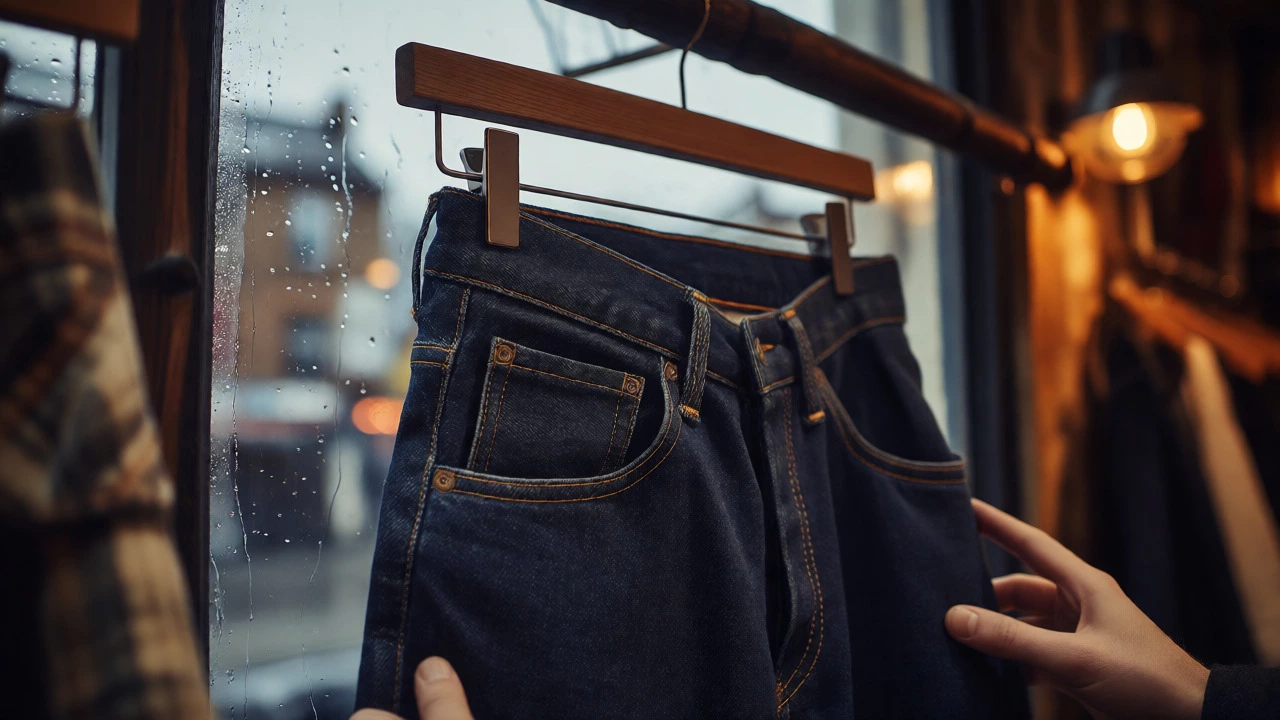
Irish Denim Quality Checker
Enter the details of the pair of jeans you are considering buying to see if they meet the standards for durability and comfort in Ireland's damp climate.
Jeans Specifications
Fill out the specifications on the left to calculate the durability and suitability score for Irish weather conditions.
You know the feeling. You’re standing in a fitting room in Grafton Street or browsing online from your kitchen table in Galway, staring at a pair of jeans that cost more than your weekly grocery shop. They look great on the hanger, but once you put them on, something feels off. Maybe they’re too stiff, maybe the fabric feels like plastic, or maybe they’ll fall apart after three washes in our damp Irish climate. Choosing high quality jeans isn’t just about slapping a designer label on your back pocket; it’s about understanding the craft behind the fabric and knowing what will actually survive the wind and rain we get here.
If you live in Ireland, you need denim that works harder. We aren’t dealing with dry desert heat or tropical humidity. We deal with sudden downpours, persistent drizzle, and temperatures that hover between "chilly" and "freezing." So, how do you spot the good stuff before you hand over your cash? Let’s break down exactly what makes a pair of jeans worth buying, specifically tailored for our local context.
Start With the Fabric: Cotton vs. Stretch
The most common mistake people make is prioritizing comfort over durability. Sure, skinny jeans with 5% elastane feel amazing when you first pull them on. But that stretch material often breaks down quickly, leaving you with baggy knees and a sagging seat within six months. If you want longevity, look for 100% cotton denim. It sounds rigid, and initially, it is. But high-quality cotton molds to your body over time, creating a custom fit that synthetic blends can never replicate.
In Ireland, where we spend half our lives indoors in pubs or offices and the other half walking outside, this moldability is key. Raw denim, which hasn’t been pre-washed or distressed, starts out stiff but softens beautifully. Brands like Nudie Jeans or Levi’s Vintage Clothing offer these options, and while they require an initial "break-in" period, the payoff is a pair of trousers that looks better at year two than it did on day one. If you absolutely need stretch for mobility-perhaps because you cycle to work in Dublin or walk the Cliffs of Moher-look for a low percentage (1-2%) of high-grade Lycra rather than cheap elastic fibers.
Decode the Weight: Why Heavier Denim Wins Here
Denim weight is measured in ounces per square yard (oz). Most fast-fashion jeans sit around 8-10 oz. They are light, breathable, and frankly, flimsy. For the Irish market, anything under 12 oz is usually a waste of money unless you’re wearing them strictly for a summer festival in July. Even then, a light breeze can cut right through them.
Aim for mid-weight denim, between 12 and 14 oz. This is the sweet spot. It provides enough thermal insulation to keep your legs warm during those grey November evenings without making you sweat uncontrollably when you step into a crowded pub with the heating cranked up. Heavyweight denim (16 oz+) is fantastic for durability but can be overly hot for indoor settings and difficult to dry if caught in a shower. Unless you’re working outdoors in construction or farming, stick to the 12-14 oz range. It’s robust enough to resist snags on rough stone walls or bike chains, yet comfortable enough for daily wear in Cork or Belfast.
Check the Construction Details
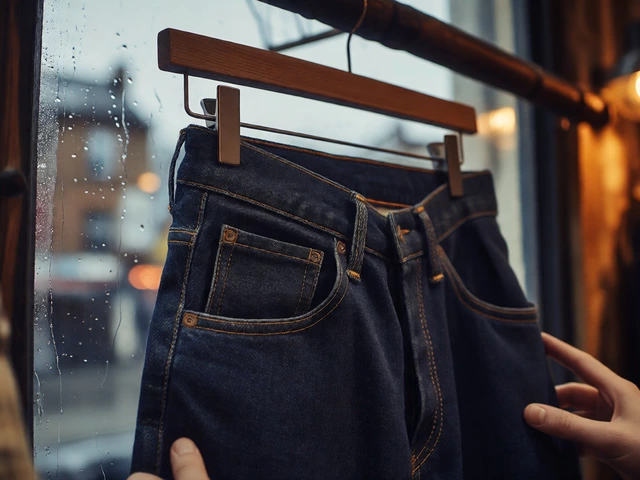
You don’t need a degree in textile engineering to spot poor construction. Flip the jeans inside out and look at the seams. Cheap jeans use single-stitching, which unravels easily. High-quality pairs use double-needle stitching or chain-stitching on the hem. The latter creates a slight ripple effect as the fabric contracts, a hallmark of authentic vintage-style manufacturing found in brands like Iron Heart or Pure Blue Japan.
Another tell-tale sign is the hardware. Zipper failures are the number one complaint with budget jeans. Look for YKK zippers, which are the industry standard for reliability. If the zipper feels wobbly or the teeth look uneven, put it back on the rack. Also, check the rivets. These small metal buttons reinforce stress points like pocket corners. On cheap jeans, they’re glued or loosely attached. On quality denim, they’re set firmly into the fabric. Given that many of us carry heavy phones, wallets, and keys in our pockets, loose rivets mean torn pockets within a year. In a city like Dublin, where public transport involves lots of standing and shifting weight, secure pockets are non-negotiable.
Selvedge Denim: Is It Worth the Hype?
You’ve probably heard the term "selvedge" thrown around by denim enthusiasts. Selvedge (self-edge) denim is woven on old-fashioned shuttle looms, resulting in a clean, finished edge along the side seam that prevents unraveling. It’s denser and generally higher quality than open-end denim used in mass production.
Is it necessary for everyone? No. But if you’re investing in a premium pair, yes. Selvedge jeans often come from Japanese mills known for their meticulous dyeing processes. The indigo dye penetrates deeper, leading to richer fades over time. In Ireland, where we value craftsmanship-from our wool sweaters to our artisanal food-this attention to detail resonates. However, be wary of fake selvedge. Some brands add a colored line to the inside seam to mimic the look. Real selvedge has a tight, self-bound edge. If you’re shopping in independent stores in Galway or Limerick, ask the staff to show you the inside leg seam. If it looks messy or frayed, it’s not genuine selvedge.
Fit Matters More Than Size
Irish bodies vary, but there’s a common issue with sizing charts designed for US or Asian markets. European cuts tend to be narrower in the waist and hips compared to American brands. Always try jeans on, even if you know your size. And remember, denim stretches. A 100% cotton pair might feel tight in the waist when new but will relax by about an inch after a few wears. Don’t buy them so loose that they slide down your hips; they should hug snugly but allow movement.
Consider the rise. Mid-rise jeans are currently popular and practical for layering with jumpers, which we do constantly here due to the unpredictable weather. Low-rise jeans might look stylish in photos, but they offer little protection against the cold air hitting your lower back when you bend down to tie your shoes or pick up groceries. High-rise jeans are excellent for tucking in shirts and providing warmth, but ensure they don’t dig into your stomach when seated. Test the fit by sitting down, squatting, and walking around the store. If you can’t move comfortably in the changing room, you won’t want to wear them out.
Caring for Your Investment in a Damp Climate
Owning high-quality jeans is only half the battle; maintaining them is the other half. Our damp climate poses specific challenges. Mold and mildew can attack denim if stored in poorly ventilated closets. After wearing your jeans, hang them in a well-aird area rather than tossing them straight into the laundry hamper. This lets moisture evaporate and reduces odor buildup.
When it comes to washing, less is more. Over-washing strips the indigo dye and weakens the fibers. Spot-clean stains immediately with a damp cloth and mild soap. When you do wash them, turn them inside out and use cold water. Avoid tumble drying whenever possible; the heat shrinks cotton and damages elasticity. Instead, lay them flat or hang them to dry naturally. In winter, drying times can be long in Ireland, so plan ahead. Using a dehumidifier in your drying area can speed things up significantly and prevent that musty smell that plagues clothes dried indoors during rainy seasons.
Where to Shop in Ireland
You don’t always need to fly to Tokyo for great denim. Many Irish retailers now stock curated selections of high-quality brands. Independent boutiques in cities like Dublin, Cork, and Galway often carry niche labels that larger chains ignore. Stores like Brown Thomas or Arnotts in Dublin have dedicated denim sections with knowledgeable staff who can explain fabric weights and fits. Online, check out Irish-based e-commerce sites that focus on sustainable fashion; they often highlight ethical manufacturing practices, which aligns with the growing preference for transparency among Irish consumers.
Also, consider second-hand markets. Thrift shops and online platforms like DoneDeal or Facebook Marketplace groups dedicated to clothing swaps are goldmines for vintage Levi’s or rare Japanese denim. Finding a pre-loved pair that has already faded beautifully saves money and reduces environmental impact-a priority for many of us given our strong cultural connection to sustainability and reuse.
| Feature | Fast Fashion (e.g., Primark) | Quality Denim (e.g., Nudie, Levi's Premium) |
|---|---|---|
| Fabric Content | Often mixed synthetics, thin weave | 100% Cotton or high-grade blend, dense weave |
| Weight | Light (8-10 oz) | Mid-to-Heavy (12-16 oz) |
| Stitching | Single stitch, prone to unraveling | Double/Chain stitch, durable |
| Lifespan | 1-2 years typical wear | 5-10+ years with care |
| Weather Resistance | Poor, absorbs damp quickly | Better insulation, dries slower but stays warmer |
Do I really need expensive jeans for the Irish weather?
Not necessarily expensive, but substantial. Cheap, thin jeans offer no insulation and absorb dampness quickly, making you feel colder. Mid-weight denim (12-14 oz) provides a balance of warmth and breathability suitable for our variable climate, lasting longer and offering better value over time.
How often should I wash my raw denim?
Wait at least 3-6 months of regular wear before the first wash. This allows the fabric to mold to your body and sets the creases. Frequent washing fades the color too quickly and weakens the fibers. Spot cleaning is preferred for minor stains.
Are stretch jeans bad for durability?
High percentages of elastane (over 2%) can degrade faster, especially with frequent washing and heat exposure. However, a small amount (1-2%) of high-quality Lycra can enhance comfort without significantly compromising lifespan, provided you avoid high-heat drying.
What is selvedge denim and why does it matter?
Selvedge denim is woven on traditional shuttle looms, creating a self-finished edge that prevents fraying. It is typically denser and higher quality than mass-produced open-end denim. While not essential for everyone, it offers superior durability and unique fading characteristics valued by denim enthusiasts.
Can I find good quality jeans locally in Ireland?
Yes. Major department stores like Brown Thomas and Arnotts stock premium brands. Additionally, independent boutiques in Dublin, Cork, and Galway often carry curated selections of international and sustainable denim labels. Second-hand markets also offer excellent vintage options.