22
Why You Can Barely Walk After Standing All Day: A Guide for Irish Workers

Footwear Suitability Checker for Long Shifts
Answer the following questions about your daily work footwear to get a personalized suitability score. This tool helps identify gaps in your current setup that might be causing end-of-day fatigue.
Your Footwear Score
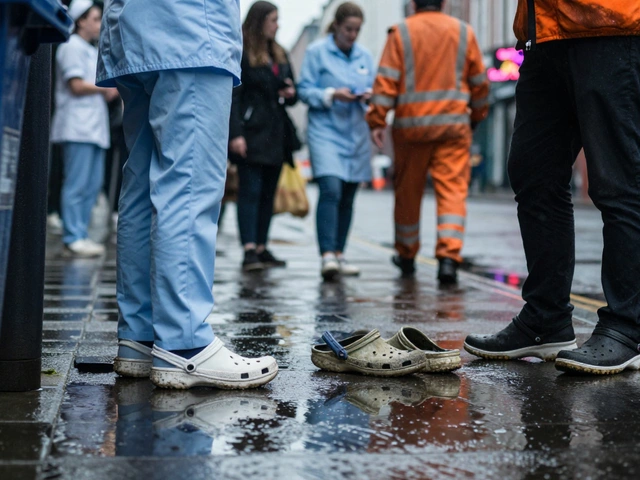
It’s a familiar scene in many Irish workplaces, from the bustling kitchens of Galway city to the retail floors in Dublin. You finish an eight-hour shift on your feet, and by the time you’re walking to the bus stop or parking your car, every step feels like a punishment. If you find yourself thinking, "Can barely walk after standing all day?", you are not alone. In Ireland, where a significant portion of the workforce is in hospitality, healthcare, and retail, this issue is more than just a minor inconvenience; it’s a daily reality that affects productivity and quality of life.
The problem usually isn't just about being tired. It's often about the mismatch between your footwear and the physical demands of your job. Whether you're a nurse at University Hospital Galway or a barista in a busy café in Temple Bar, the right work shoes can make the difference between a manageable shift and a painful one. Let's look at why this happens and how to fix it, specifically for those working in the Irish climate and environment.
The Anatomy of Foot Fatigue in Irish Workplaces
Standing all day puts immense pressure on your plantar fascia, the thick band of tissue that runs along the bottom of your foot. When this tissue is overstretched or inflamed, it leads to plantar fasciitis, a condition characterized by sharp heel pain, especially in the morning or after periods of rest. In Ireland, damp weather can exacerbate these issues. Wet floors in warehouses or slippery surfaces in restaurants increase the risk of micro-traumas to the feet and ankles over time.
Consider the typical workday in a Dublin office versus a construction site in Cork. The office worker might suffer from poor circulation due to sitting, but the construction worker faces constant impact forces. However, both groups share a common enemy: inadequate arch support. Many standard shoes sold in high-street stores lack the structural integrity needed for prolonged standing. Your feet act as shock absorbers for your entire body. When they fail, the pain travels up to your knees, hips, and lower back. This is why fixing your footwear is the first line of defense against chronic fatigue.
Choosing the Right Footwear for Irish Conditions
When shopping for work shoes in Ireland, you need to consider three main factors: durability, comfort, and weather resistance. Irish weather is unpredictable, so your shoes must handle rain, sleet, and mud without compromising comfort.
- Cushioning: Look for shoes with memory foam or gel inserts. These materials absorb impact better than standard rubber soles. Brands like Skechers and New Balance have specific lines designed for all-day wear that are widely available in Irish retailers.
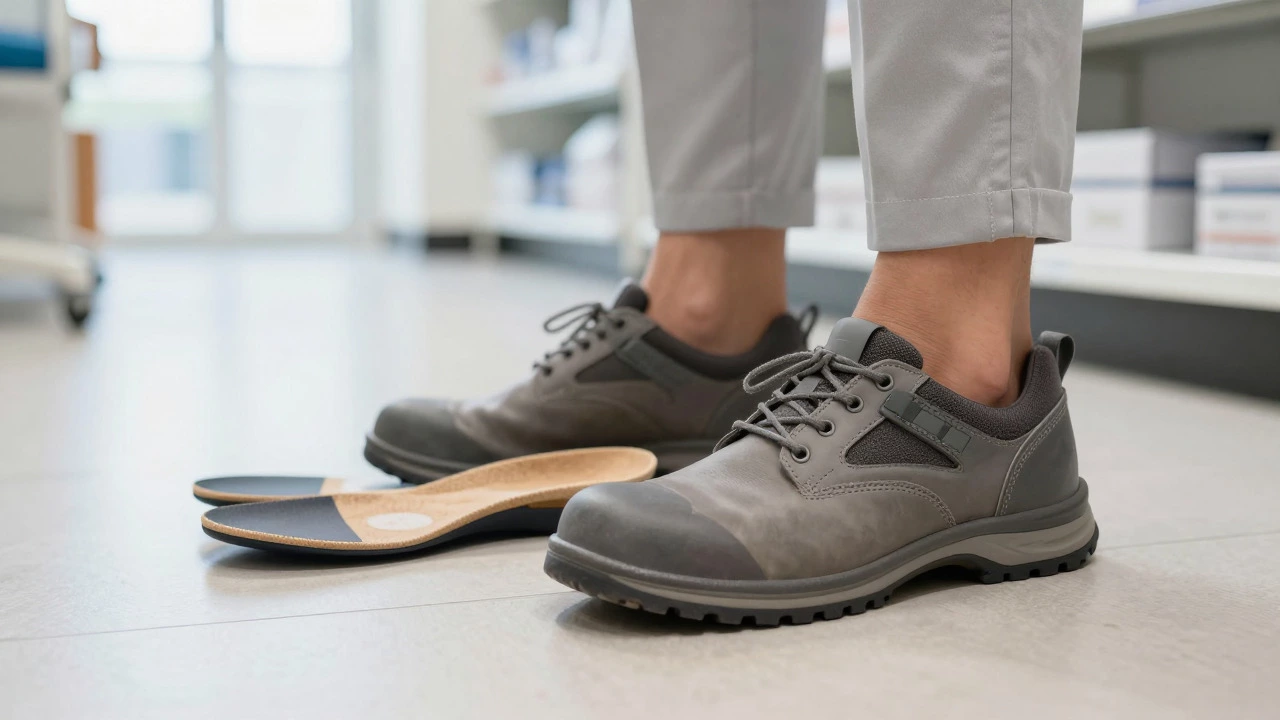
- Arch Support: If you have flat feet or high arches, generic shoes will cause misalignment. Custom orthotic insoles are a game-changer. Many podiatrists in cities like Limerick and Belfast offer fitting services that can tailor support to your specific foot shape.
- Breathability: Even in cooler months, feet sweat when enclosed in synthetic materials. Moisture-wicking linings help prevent fungal infections like athlete's foot, which are common in crowded changing rooms.
Avoid wearing the same pair of shoes every single day. Alternating between two pairs allows the internal padding to recover its shape. This simple habit can extend the life of your shoes and reduce foot stress significantly.
Practical Strategies to Reduce Pain During Shifts
Even the best shoes won't help if you don't manage your posture and movement. Here are some practical tips for workers in Ireland who spend long hours on their feet:
- Shift Your Weight: Don't lock your knees. Keep them slightly bent and shift your weight from one leg to the other every few minutes. This improves blood flow and reduces static strain.
- Use Anti-Fatigue Mats: If your workplace allows it, ask management for anti-fatigue mats. These are commonly used in hospital wards and kitchen prep areas. They force your muscles to engage subtly, preventing stiffness.
- Stretch Before and After: Simple calf stretches before your shift can prepare your muscles. After work, rolling your feet over a tennis ball or frozen water bottle can soothe inflammation.
- Elevate Your Feet: At home, elevate your legs above heart level for 15-20 minutes. This helps drain fluid that accumulates in the lower extremities during the day, reducing swelling.
These small adjustments, combined with proper footwear, can dramatically improve your end-of-day experience. Think of it as maintenance for your most important tools: your feet.

Common Mistakes to Avoid
Many workers in Ireland fall into traps that worsen foot pain. One major mistake is buying shoes based solely on aesthetics. Just because a shoe looks good doesn't mean it supports your gait. Another error is ignoring early signs of pain. Waiting until you can't walk properly means you've already caused damage. Address discomfort immediately.
Also, be wary of cheap, imported shoes with no brand accountability. While budget-friendly, they often use low-density foam that flattens within weeks. Investing in a mid-range pair from reputable brands found in local department stores or specialized footwear shops is usually worth the cost. Check return policies carefully, as sizing varies between manufacturers.
| Feature | Standard Sneaker | Work-Specific Shoe | Custom Orthotic Option |
|---|---|---|---|
| Arch Support | Moderate/None | High/Structured | Personalized |
| Impact Absorption | Basic Foam | Gel/Memory Foam | Varies by Insole |
| Durability (Months) | 3-6 | 12-24 | 18-36 |
| Ideal For | Light Duty | Hospitality/Retail | Chronic Pain/Specific Conditions |
When to See a Professional
If pain persists despite changing shoes and adjusting habits, it’s time to consult a professional. Podiatrists in Ireland are highly trained in diagnosing foot conditions. They can assess your gait, check for structural issues, and prescribe custom insoles. In public hospitals, wait times can be long, so private clinics in urban centers like Dublin, Cork, and Galway offer faster appointments. Early intervention prevents minor issues from becoming chronic problems that could sideline you from work.
Remember, your feet carry you through life. Treating them with care is an investment in your health and career longevity. By choosing the right work shoes and adopting healthy habits, you can turn that end-of-day struggle into a comfortable finish.
What are the best shoes for standing all day in Ireland?
Look for shoes with strong arch support, cushioned insoles, and waterproof materials. Brands like New Balance, Skechers, and Clarks offer models suitable for Irish weather and long shifts. Always try them on in the afternoon when feet are slightly swollen.
How do I know if I need custom insoles?
If you have persistent heel pain, flat feet, or high arches, custom insoles can help. Visit a podiatrist for a gait analysis. They can create insoles that fit your exact foot structure, providing better support than off-the-shelf options.
Can wet floors in Irish workplaces cause foot problems?
Yes. Slippery surfaces can lead to sudden twists or strains. Additionally, moisture trapped inside shoes can cause skin issues like blisters or fungal infections. Choose shoes with quick-drying linings and non-slip soles.
How often should I replace my work shoes?
Generally, every 6 to 12 months depending on usage. If the cushioning feels flat or the sole is worn unevenly, it's time to replace them. Rotating between two pairs can extend their lifespan.
Are there any exercises to relieve foot pain after work?
Yes. Calf stretches, toe curls, and rolling a tennis ball under your foot can help relax tight muscles. Elevating your legs for 15 minutes also reduces swelling. Consistency is key to seeing results.