29
What should a 90 year old woman wear in Ireland? A practical guide to comfort and style
Irish Weather Outfit Planner for Seniors
Select the current conditions and planned activity to get a tailored outfit recommendation.
Recommended Outfit Plan
Select options and click "Get Outfit Recommendation" to see suggestions.
It is a question that comes up more often than you might think, especially here in Ireland where the weather can change from bright sunshine to a soaking rain shower in the span of ten minutes. You are looking after your grandmother, your mother, or perhaps an elderly friend who has just turned ninety. She wants to look sharp for a visit to the local pub or a church service in Galway, but she also needs to stay warm and dry when the Atlantic wind picks up. The challenge is balancing dignity and style with the very real physical limitations that come with age. We are not talking about dressing her like a child; we are talking about helping a woman who has lived through decades of fashion trends feel confident and comfortable in her own skin.
The core problem isn't just about picking pretty colors. It is about functionality. At ninety, mobility might be limited. Arthritis can make buttoning small buttons on a shirt impossible. Balance issues mean that long, trailing skirts or loose trousers could become a tripping hazard. And let's be honest about the Irish climate: it is damp. Cold damp gets into the bones. So, what should a 90-year-old woman wear? The answer lies in smart layering, accessible fabrics, and choosing cuts that respect both her body and the environment she lives in.
Mastering the Layering Game for Irish Weather
If there is one rule that applies to everyone living in Ireland, it is this: layers are your best friend. You cannot predict if you will need a heavy coat or just a light cardigan by noon. For a 90-year-old woman, the ability to add or remove layers without assistance is crucial for maintaining independence.
Start with the base layer. This should be soft against the skin. Avoid rough wool directly on sensitive skin, which can happen as aging skin becomes thinner and more prone to itching. Instead, opt for high-quality cotton or moisture-wicking synthetic blends. These materials keep the body dry, which is essential because sweat trapped against the skin can lead to chills quickly in our cool climate.
The middle layer provides warmth. Think chunky knit cardigans rather than pullovers. Why? Because cardigans open at the front. If she feels too hot during a meal in a crowded restaurant in Dublin city centre, she can simply unbutton them. Pullovers require lifting arms over the head, which can be difficult for those with shoulder stiffness or arthritis. Look for brands like Peninsula, a well-known Irish brand that offers durable, warm knits suitable for everyday wear. These are easy to put on and take off, preserving dignity and ease.
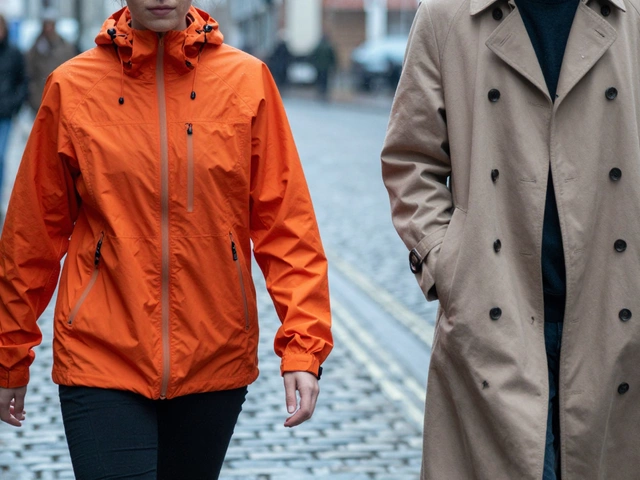
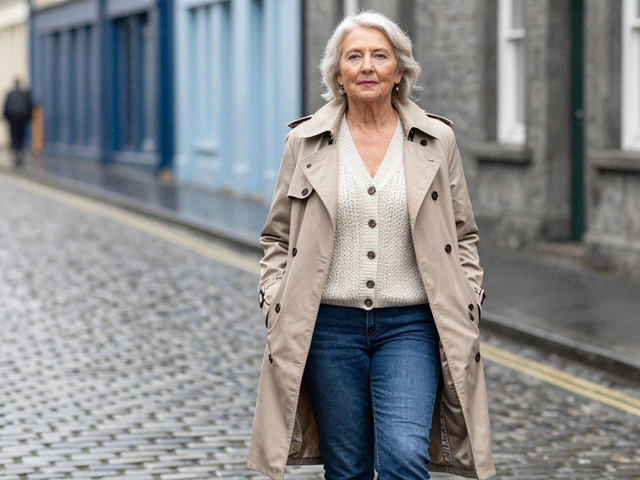
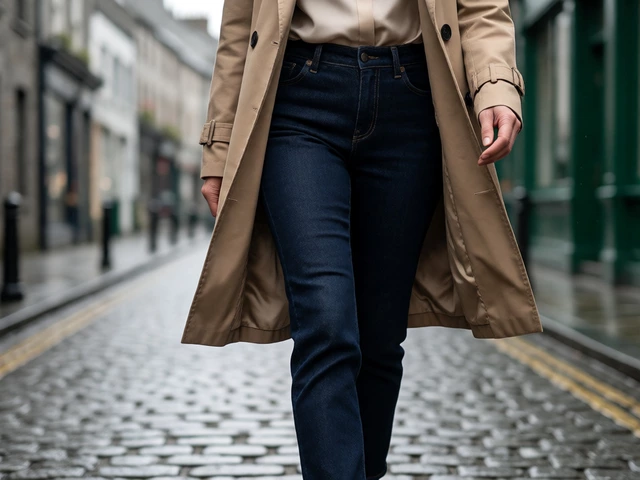
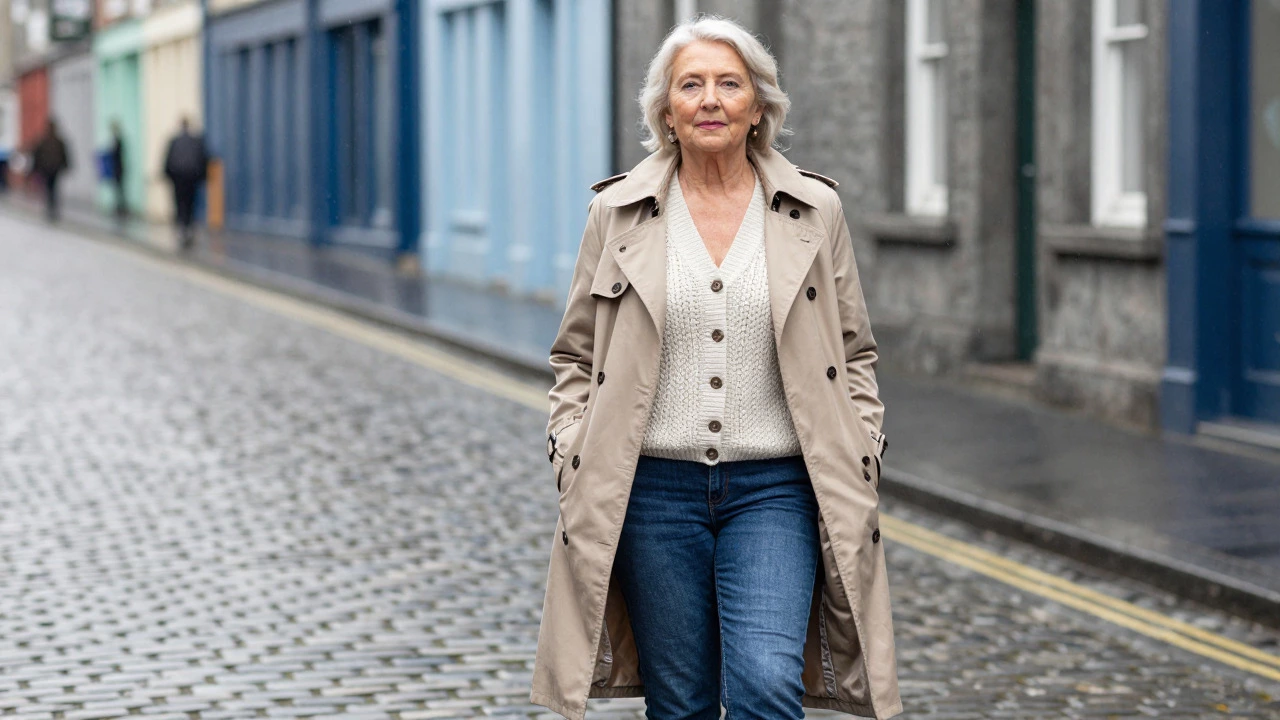
The outer layer must be waterproof and windproof. In Ireland, a nice coat that looks good but lets in the wind is useless. Invest in a lightweight, water-resistant trench coat or a structured jacket. It should be long enough to cover the hips for warmth but not so long that it drags on wet pavements. Brands like O'Neill's or local tailors in towns like Ennis or Kilkenny can provide options that are both stylish and functional.
Jeans and Trousers: Comfort Meets Style
You mentioned jeans specifically, and they deserve special attention. Many older women love the look of denim, but traditional skinny jeans or stiff raw denim are torture for anyone over eighty, let alone ninety. The waistband digs in, making sitting down uncomfortable, and the lack of stretch restricts movement.
So, what kind of jeans should she wear? Look for 'easy-care' denim with elastane or spandex mixed into the cotton. This gives the fabric a slight give, allowing for easier movement when walking to the shop or sitting in a pew. The cut is equally important. Straight-leg or wide-leg styles are far superior to skinny fits. They do not bunch up around the ankles, reducing tripping risks, and they allow for better air circulation, keeping legs cooler in summer and warmer in winter when layered with tights.
Avoid complicated fly zippers if possible. Elasticated waists or side-zip closures are much easier to manage with limited dexterity. Some modern brands offer 'pull-on' jeans that look like regular trousers but have hidden elastic bands. These are perfect for days when arthritis is acting up. Pair these jeans with flat, sturdy shoes. Heels, even low ones, can compromise balance. A supportive walking shoe from a brand like Clarks or ECCO provides the stability needed for uneven cobblestones found in many Irish historic towns.
| Item Type | Pros | Cons | Best For |
|---|---|---|---|
| Stretch Denim Jeans | Durable, stylish, familiar fit | Can be stiff if low quality | Daytime outings, casual events |
| Elastic Waist Trousers | Maximum comfort, easy to put on | May look less formal | Home wear, medical appointments |
| Wide-Leg Pants | Easy movement, no ankle bunching | Requires careful length check | Church services, family gatherings |
| Skirts with Tights | Traditional, elegant | Tripping hazard if too long | Special occasions, weddings |
Fabric Choices That Respect Aging Skin
As we age, our skin changes. It becomes thinner, drier, and more sensitive. Rough fabrics can cause irritation, rashes, or even tears. Therefore, the choice of material is not just about aesthetics; it is about health.
Natural fibers like cotton, linen, and silk are generally gentler than synthetics. However, pure wool can be itchy. Merino wool is an exception-it is incredibly soft and warm, making it ideal for Irish winters. When shopping, run the fabric against your own cheek or inner arm. If it feels scratchy there, it will definitely irritate her skin.
Seams are another consideration. Flat seams or seamless construction reduces pressure points. Avoid tight cuffs or collars that dig into the wrists or neck. Loose-fitting tops with rounded necklines are easier to pull on and less likely to snag on jewelry or hair.
Footwear: Stability Over Trends
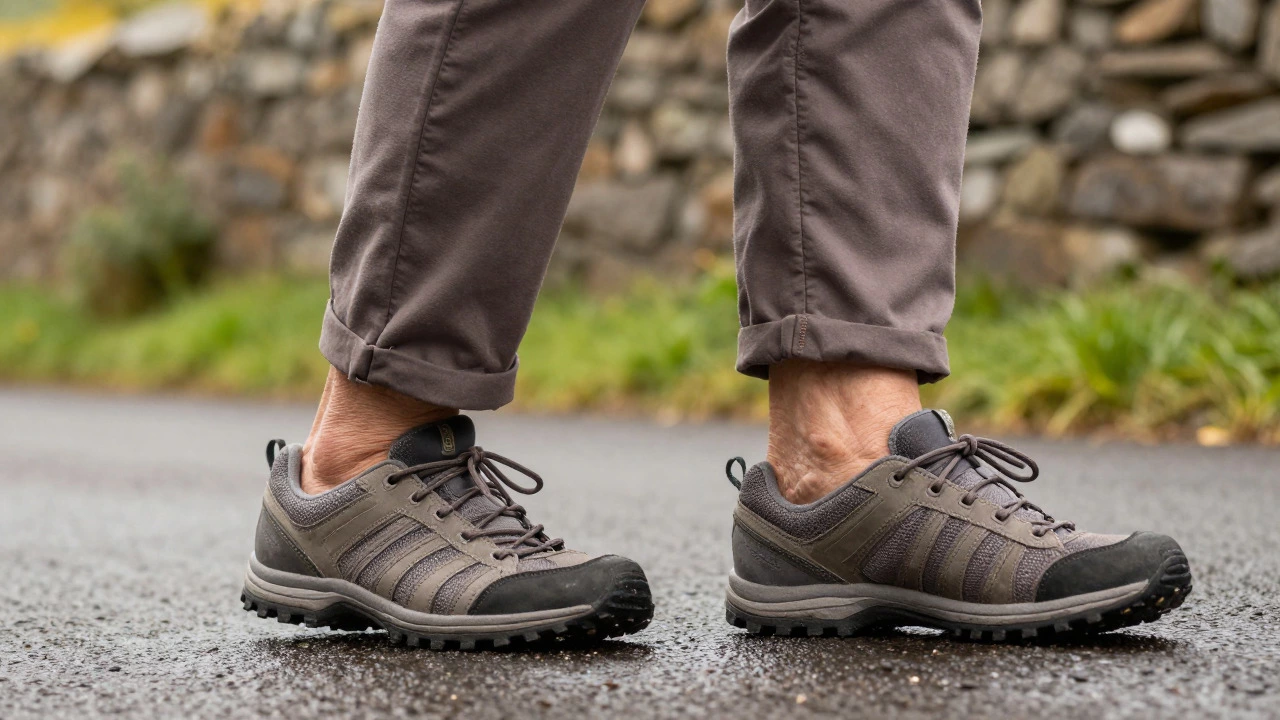
Never underestimate the importance of good shoes. Falls are a major risk for the elderly, and poor footwear is a leading cause. In Ireland, where sidewalks can be uneven and wet, grip is essential.
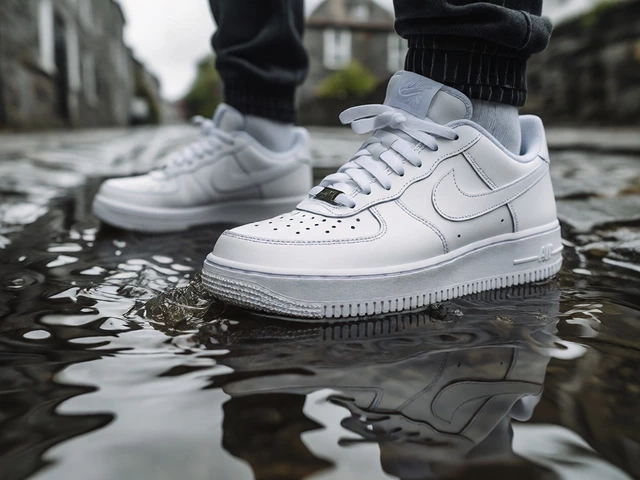
Look for shoes with non-slip soles. Rubber outsoles with deep treads provide better traction than smooth leather soles. The heel should be low and broad, providing a stable base. Avoid flip-flops or sandals that do not secure the foot, as they offer little support and can easily slip off.
Closure systems matter too. Velcro straps or elastic laces are easier to manage than traditional laces, which can be fiddly to tie and untie. Brands like Propet specialize in footwear designed for people with foot problems, offering wide widths and extra depth for swelling feet. These shoes may not win fashion awards, but they will keep her upright and confident.
Accessories: Practicality with a Touch of Elegance
Accessories can transform an outfit, adding personality without sacrificing comfort. Scarves are particularly useful in Ireland. A large, lightweight scarf can double as a blanket on a cold bus ride or provide extra warmth around the neck. Choose soft materials like cashmere or fine wool.
Hats are also practical. A warm beanie in winter or a wide-brimmed hat in summer protects from the elements. Make sure the hat fits securely but not tightly, to avoid headaches. Jewelry should be simple and meaningful. Large, dangling earrings can be uncomfortable and distracting. Studs or small hoops are safer and easier to handle.
Handbags should be cross-body styles. This keeps hands free for holding onto railings or carrying groceries. A bag with a magnetic closure is easier to open than one with a zipper or buckle.
Shopping Tips for the Irish Market
Finding the right clothes can be challenging, especially if you live outside major cities like Dublin or Cork. Online shopping has made things easier, but fitting remains an issue. Here are some tips:
- Check Return Policies: Ensure the retailer has a hassle-free return policy. ASOS and Next are popular choices in Ireland for their extensive size ranges and easy returns.
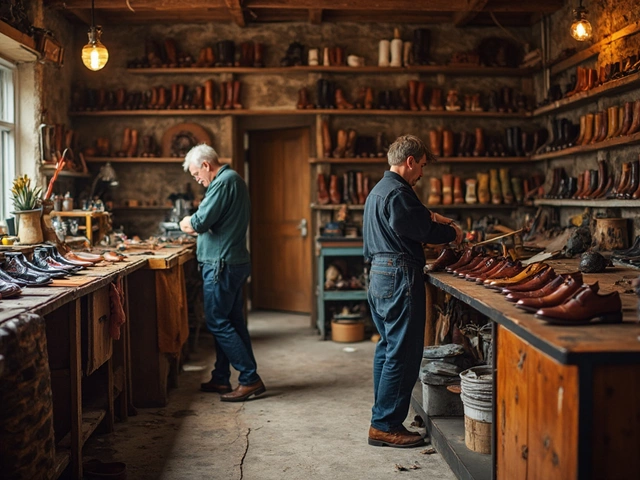
- Visit Local Tailors: If you find a beautiful dress or pair of trousers that doesn't quite fit, a local tailor can adjust the hem or waist. This is often cheaper than buying new and ensures a perfect fit.
- Consider Second-Hand Shops: Charity shops in Ireland often have high-quality vintage items. You might find a stunning coat or blouse at a fraction of the retail price. Plus, it supports a good cause.
- Look for Adaptive Clothing: While still emerging in Ireland, adaptive clothing designed for people with disabilities is becoming more available online. These garments feature magnetic closures, adjustable hems, and easy-access designs.
Maintaining Dignity and Independence
Ultimately, the goal is to help her feel like herself. Ask her for input. Let her choose colors she likes. Involve her in the decision-making process as much as possible. This maintains her sense of autonomy and self-worth.
Remember, fashion is personal. What works for one person may not work for another. Pay attention to what makes her smile. Does she feel confident in that red cardigan? Does she move freely in those stretch jeans? If the answer is yes, then you have succeeded.
Dressing a 90-year-old woman in Ireland is about more than just covering up. It is about enabling her to participate fully in life, whether that means attending a family gathering in Limerick, taking a walk along the Cliffs of Moher, or simply enjoying a cup of tea in her garden. With the right clothes, she can face the Irish weather with grace and style.
What are the best fabrics for elderly skin?
Soft, natural fabrics like cotton, linen, and merino wool are best. Avoid rough wool and stiff synthetics that can cause irritation. Moisture-wicking blends are also good for keeping skin dry.
Can a 90-year-old woman wear jeans?
Yes, but choose stretch denim with an elasticated waist or side zip. Avoid skinny fits and stiff fabrics. Wide-leg or straight-cut styles are more comfortable and safer.
How should I dress my grandmother for Irish rain?
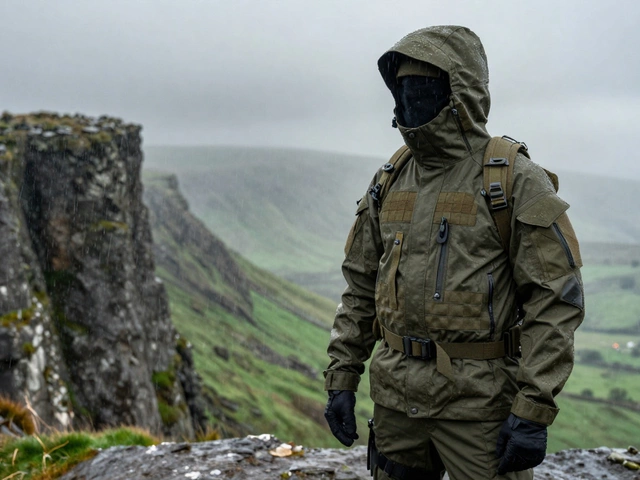
Use a waterproof, windproof outer layer. Layer underneath with warm, breathable materials. Waterproof shoes with good grip are essential for wet pavements.
What shoes are safest for seniors?
Shoes with non-slip rubber soles, low broad heels, and easy closures like Velcro or elastic laces. Brands like Clarks and ECCO offer good options.
Where can I buy adaptive clothing in Ireland?
While specialized stores are rare, online retailers like ASOS and Next offer inclusive sizes. Some medical supply companies also stock adaptive clothing. Local tailors can modify existing clothes.