29
Jacket Alternatives for Irish Weather: What to Wear Instead

Irish Weather Outfit Selector
Not sure what to wear instead of a standard jacket? Select your current conditions and activity level to get a tailored recommendation.
If you live in Ireland, you know the drill. You check the app, it says sunny. You step out into Galway or Dublin without a coat, and ten minutes later, sideways rain is soaking your shirt. The traditional jacket feels too heavy, too formal, or just plain wrong for that weird middle ground where it’s not cold enough for wool but too wet for bare arms. So, what can you wear instead of a jacket? It’s not about ditching warmth; it’s about smart layering that respects our unpredictable climate.
Why Your Standard Jacket Might Be Failing You
Most people grab a denim trucker or a light windbreaker because they think it’s versatile. But here’s the thing about Irish weather: it doesn’t play by those rules. A standard cotton denim jacket absorbs water like a sponge. Once it gets damp from a drizzle in Cork, it stays cold against your skin for hours. That’s not fashion; that’s misery. We need alternatives that breathe when the sun breaks through but block the chill when the Atlantic breeze kicks in.
The goal isn't to look like you're hiking up Croagh Patrick every day. It's to find pieces that transition seamlessly from a coffee run on Grafton Street to an evening pub session without making you sweat or shiver. Let’s break down the best swaps.
The Powerhouse Alternative: Technical Rain Shells
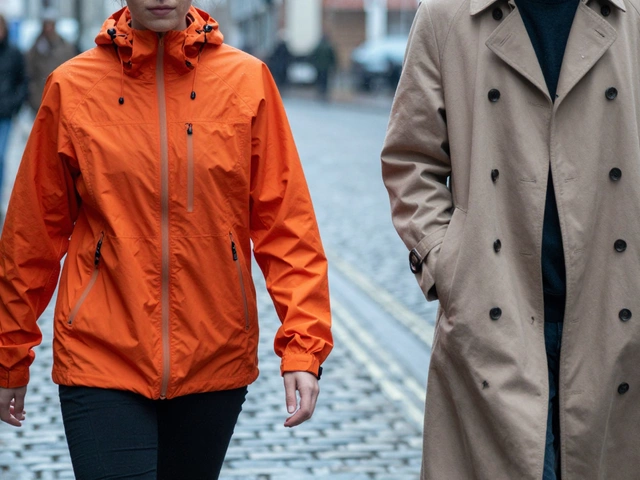
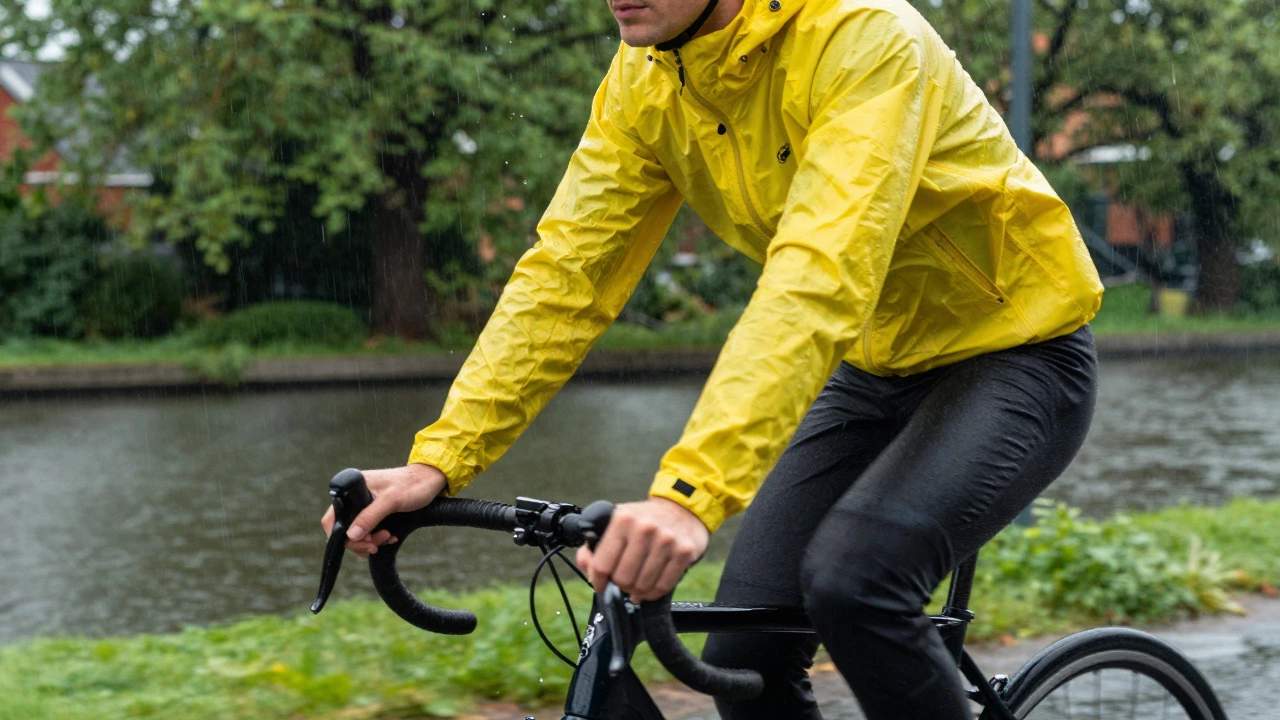
Forget the bulky raincoat you keep at the back of the wardrobe. Modern Gore-Tex shells are lightweight, breathable, and packable. Unlike old-school macs, these don’t trap heat. They allow moisture vapor to escape while keeping liquid water out. This is crucial for our damp climate.
Brands like Aigle or local favorites like Dublin-based eco-brands offer shells that look like casual jackets but perform like survival gear. If you’re cycling along the Grand Canal in Dublin or walking the Cliffs of Moher, this is your go-to. It replaces the need for a separate umbrella and a warm layer in one sleek package.
Smart Layering: Knits and Cardigans
Here’s a secret Irish locals use: we rarely rely on a single outer layer. We build warmth. A thick cable-knit sweater is often better than a jacket because it insulates even when wet. Pair a merino wool cardigan with a t-shirt, and you have a system that adapts. When you enter a heated office in Belfast or a crowded bar in Limerick, you unzip or unbutton. No overheating, no sweating.
Merino wool is magic for us. It regulates temperature naturally. Unlike synthetic fleece, which can get clammy, merino keeps you dry. Look for mid-weight knits from brands like Harris Tweed Heels or sustainable Irish knitwear labels. These aren't just cozy; they’re functional armor against the damp chill that seeps into bone during November.

Denim Jackets: Upgrade Your Fabric
Yes, you can still wear denim. But stop buying thin, raw cotton jackets. Look for heavyweight denim (14oz+) with a water-resistant finish. Some modern denim jackets come treated with wax or coated fibers that repel light rain. This keeps the classic look but adds practicality. If you’re heading to a festival in Kilkenny, this works perfectly. It’s tough, looks good over a hoodie, and won’t disintegrate after one shower.
Bomber Jackets and Quilted Vests
If you want something shorter than a coat but warmer than a tee, consider a quilted vest or a bomber. A sleeveless gilet (vest) leaves your arms free for movement-great if you’re active-but protects your core, where body heat matters most. Pair it with a long-sleeve thermal underneath. This combo is surprisingly effective in mild Irish winters.
Bomber jackets, especially those made from nylon or polyester blends, shed water quickly. They dry fast, unlike cotton. In cities like Waterford or Galway, where wind is constant, a bomber cuts the chill without adding bulk. Just ensure it has a high collar to protect your neck from drafts.
Comparison: Choosing the Right Jacket Alternative
Not sure which swap fits your lifestyle? Here’s a quick guide based on typical Irish scenarios.
| Alternative | Best For | Rain Resistance | Warmth Level | Packability |
|---|---|---|---|---|
| Technical Shell | Cycling, Coastal Walks, Heavy Rain | High | Low (needs layers) | High |
| Merino Cardigan | Office, Casual City Walks, Indoor/Outdoor Transitions | Low | Medium | Medium |
| Waxed Denim | Festivals, Pub Nights, Light Drizzle | Medium | Medium | Low |
| Quilted Vest | Active Outdoors, Mild Winters | Low/Medium | Medium | High |
Local Tips for Staying Dry Without a Coat
Living in Ireland means accepting that you will get wet. The key is managing how you get wet. Always carry a compact umbrella, even if you’re wearing a shell. Why? Because Irish rain comes from all directions due to the wind. An umbrella protects your face and electronics, while your clothing handles the rest.
Also, pay attention to your base layer. Cotton kills. It holds water and chills you instantly. Switch to synthetics or wool for anything touching your skin. If you’re commuting on a Luas tram or a DART train, you’ll move between hot interiors and cold exteriors. Layers let you adjust instantly. A jacket locks you in; layers set you free.
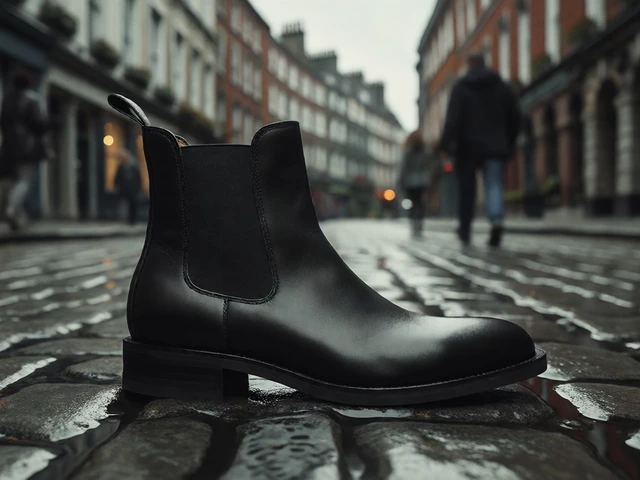
Consider footwear too. If you skip the jacket, make sure your shoes are waterproof. Leather boots from Irish makers like Ballybofey Footwear or global brands sold locally handle puddles well. Dry feet keep your core temperature stable, reducing the perceived need for a heavy top layer.
Sustainability Matters in Irish Fashion
We’re seeing a shift toward slower fashion here. Buying one high-quality technical shell lasts longer than three cheap jackets that fall apart after a season. Check for repairability. Can you zip replace it? Is the fabric recyclable? Brands supporting circular economy models are gaining traction in Dublin and Cork markets. Investing in durable alternatives saves money and reduces waste, aligning with the growing environmental consciousness across the island.
Frequently Asked Questions
Is a raincoat considered a jacket?
Technically, yes, but in common usage, a raincoat is often seen as outerwear rather than a stylish jacket. However, modern rain shells are designed to be worn as standalone outer layers, effectively replacing traditional jackets in wet conditions.
Can I wear a hoodie instead of a jacket in winter?
In mild Irish winters, yes, especially if layered under a coat or paired with a scarf. However, hoodies alone lack wind resistance. For colder months in places like Donegal, you’ll likely need an additional windproof layer over the hoodie.
What is the best fabric for Irish weather?
Merino wool and Gore-Tex membranes are top choices. Merino regulates temperature and resists odor, while Gore-Tex provides waterproofing and breathability. Avoid pure cotton for outer layers as it retains moisture.
Are waxed jackets better than regular denim?
Yes, for our climate. Waxed jackets repel water and resist wind much better than untreated denim. They require occasional re-waxing but offer superior protection against persistent drizzle and gusts.
How do I dress for indoor-outdoor transitions in Dublin?
Use the layering method. Start with a breathable base, add a mid-layer like a cardigan or fleece, and finish with a removable outer shell. This allows you to adapt quickly to heated offices or cool streets without discomfort.