25
What Does 'Bloody' Mean in England? A Guide for Irish Speakers

Bloody Usage Quiz
Test your knowledge of how the word 'bloody' functions differently in Ireland versus England. Select the correct answer for each question based on the article content.
In Ireland, you hear it all the time - "That bloody traffic on the N4 again!" or "I can’t believe I left me keys in the bloody car." But when you land in England and hear the same word, you might wonder: is it the same? Or is there something deeper going on? The word bloody isn’t just a swear word in England - it’s a cultural artifact, a social signal, and a linguistic relic that tells you more about class, tone, and history than you’d expect.
It’s Not What You Think
Most Irish people assume "bloody" in England is just another strong word - like "feck" is here. But that’s not quite right. In England, "bloody" used to be a real swear word. Back in the 1800s, it was considered so offensive that it was banned from stage plays and newspapers. Why? Because it was thought to be a corruption of "by our Lady," referring to the Virgin Mary. Blasphemy, in other words. That’s why Victorian ladies would gasp at it. Today? It’s about as shocking as saying "darn."
Here’s the twist: in Ireland, we still use "bloody" with a bit of bite. You’ll hear it in Galway pubs, on Dublin buses, or from a Cork mechanic fixing your Focus. But in England, especially among younger people, it’s almost polite. You’ll hear a 22-year-old in Manchester say, "This bloody queue is taking forever," with the same tone someone in Limerick might use for "That’s a right pain."
Class and Accent Matter
Don’t be fooled by the word itself - how it’s said tells you more than the word. In England, "bloody" still carries class baggage. If you hear it spoken with a broad Cockney accent in East London, it’s working-class, raw, real. If a posh Oxford graduate says it with a raised eyebrow and a smirk? It’s ironic. A joke. A performance. Think of it like this: in Ireland, "bloody" is just part of the rhythm of speech - no matter your background. In England, it’s a costume you put on depending on who you’re talking to.
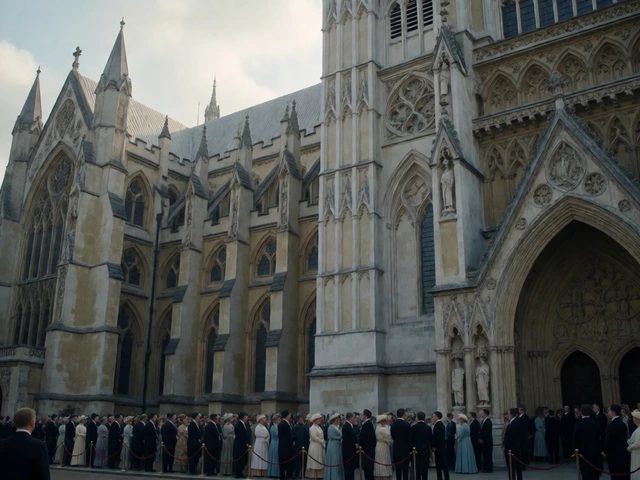
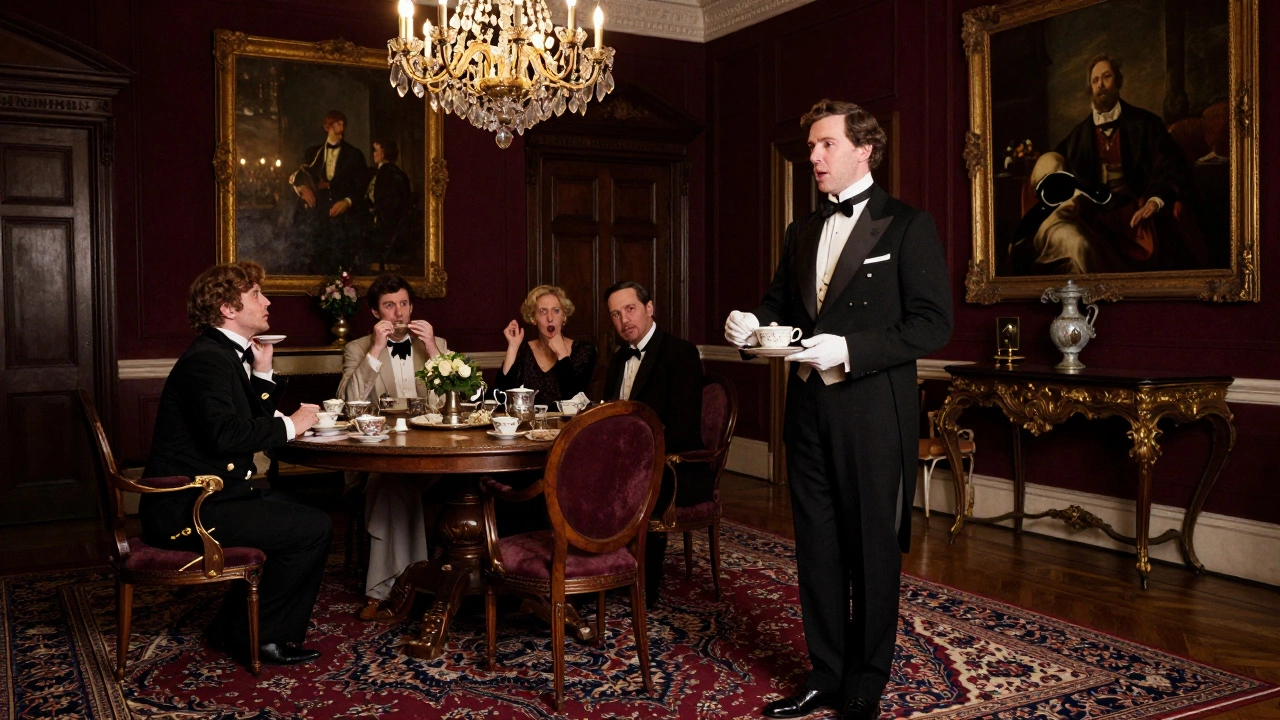
Watch the difference in TV shows. In "Line of Duty," a detective from Birmingham says "bloody hell" like it’s a reflex. In "Downton Abbey," a butler says "bloody" in the 1920s - and the room goes silent. That’s the legacy. It’s not about the word. It’s about who’s saying it, and where.
How Irish People Use It Differently
In Ireland, "bloody" doesn’t need a reason. You don’t need to be angry. You don’t need to be surprised. You just use it. "The bloody bus was late again." "I’ve got the bloody flu." "That’s a bloody good pint of Guinness."
Compare that to England. In London, you’ll hear "bloody" used mostly as an intensifier - "bloody brilliant," "bloody awful." In Ireland, we use it as punctuation. It’s the comma you didn’t know you needed. You can say "It’s raining again" - and it’s just a fact. But say "It’s bloody raining again" - now it’s a sigh, a complaint, a shared understanding with everyone else stuck under an umbrella in O’Connell Street.
And here’s the thing: we don’t use "bloody" to sound tough. We use it to sound human. It’s the same way we say "sure" or "anyway" - it’s not grammar. It’s feeling.
What You’ll Hear in England - And What You Won’t
If you travel from Cork to Cambridge, you’ll notice some things. "Bloody" is everywhere - but not always in the same way. In Manchester, you’ll hear "bloody hell" as a reaction to bad news. In London, you might hear "bloody brilliant" to describe a new bar in Shoreditch. But you won’t hear it as much in the South East among older, upper-class circles. They’ve moved on to "utterly" or "absolutely."
And you won’t hear "bloody" in formal settings - not even in the pubs of Bath or York. It’s too casual. In Ireland? You’ll hear it in the boardroom of a Galway startup, on the phone with the ESB, and in the queue at Tesco. It’s just part of the soundtrack.
Why It’s Not a Direct Translation
Here’s a test: say "That’s bloody brilliant!" to an English person and an Irish person. The Irish person will smile - they get it. The English person might nod, but they’ll hear it differently. To them, it’s a mild exaggeration. To us, it’s emotional punctuation.
It’s like "feck" in Ireland versus "f***" in England. One’s a cultural cushion. The other’s a wall. "Bloody" in England is the cushion. In Ireland, it’s the wall - but we’ve worn it down over time until it’s just a comfortable bump.

Real Examples from Real Places
Think about this: a woman in Belfast buys a new pair of trainers from JD Sports. She says, "These bloody things are comfy as hell." A man in Bristol says the same thing after buying the same model from Foot Locker. Same words. Different weight.
In Dublin, the phrase "bloody brilliant" might be used to describe the new Luas extension. In London, it might be used to describe the new Starbucks in Soho. One’s about infrastructure. The other’s about coffee. The word doesn’t change - but the meaning shifts with the soil.
And if you’re in Cork and you hear someone say, "I’m not going to the match - it’s bloody pouring," you know they’re not just talking about rain. You know they’re talking about disappointment. About missed plans. About the kind of day that makes you want to boil a kettle and stare out the window.
Don’t Worry - You’ll Get It
Here’s the good news: you don’t need to "learn" how to use "bloody" in England. You just need to listen. If you hear it said with a laugh, it’s light. If it’s said with a sigh, it’s tired. If it’s said with silence after it, it’s old-school.
And if you’re Irish? You’re already ahead. You’ve been using it for years without thinking. You don’t need to adapt - you just need to notice the difference. The word hasn’t changed. The culture around it has.
So next time you’re in London and someone says, "This bloody train is late," don’t think they’re angry. Think: they’re just like us. Just in a different accent, with a different history, and a different kind of weather.