26
What Does Activewear Include in Ireland? A Practical Guide for Weather, Workouts, and Wild Trails
Ireland Weather Layering Calculator
Your Activity
Your Recommended Layers
Enter your activity details to see recommended layers
⚠️ Important: Avoid cotton in Irish weather conditions
Cotton retains moisture and takes hours to dry. Choose moisture-wicking synthetics or merino wool instead.
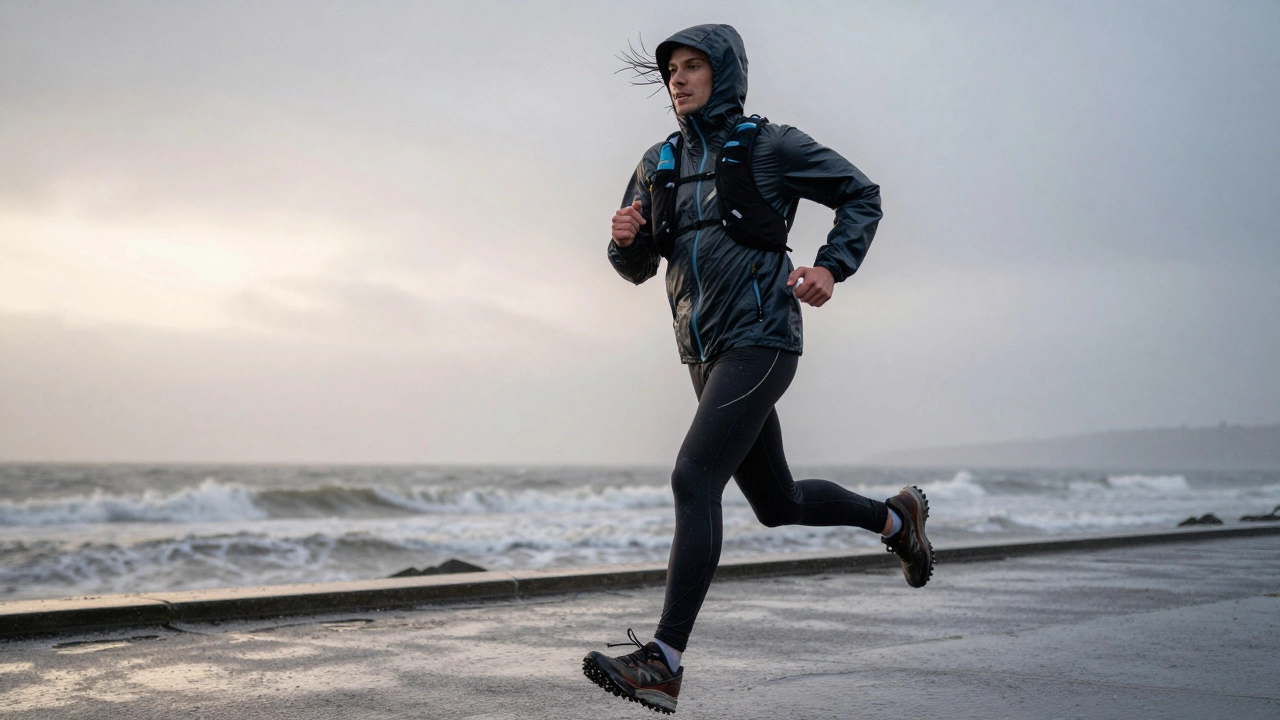
When you’re lacing up for a morning run along the Dublin coastline or hiking the Wicklow Mountains, your activewear isn’t just about looking good-it’s about surviving the weather. In Ireland, activewear isn’t a fashion trend. It’s a necessity. The rain doesn’t wait for your workout schedule, and the wind doesn’t care if your leggings are on sale. So what does activewear include when you live here? It’s not just leggings and sports bras. It’s gear built for damp air, sudden downpours, and trails that turn to mud after five minutes of drizzle.
Core Pieces You Actually Need in Ireland
Start with the basics, but make sure they’re built for Irish conditions. Moisture-wicking fabrics are non-negotiable. Cotton might feel soft, but it soaks up rain like a sponge and stays wet for hours. Instead, look for polyester blends or merino wool-both dry fast and keep you warm even when damp. Brands like Decathlon and Outdoor Voices are popular in Dublin and Cork, but local Irish runners swear by Adidas Terrex and Salomon for their water-resistant seams and grippy soles.
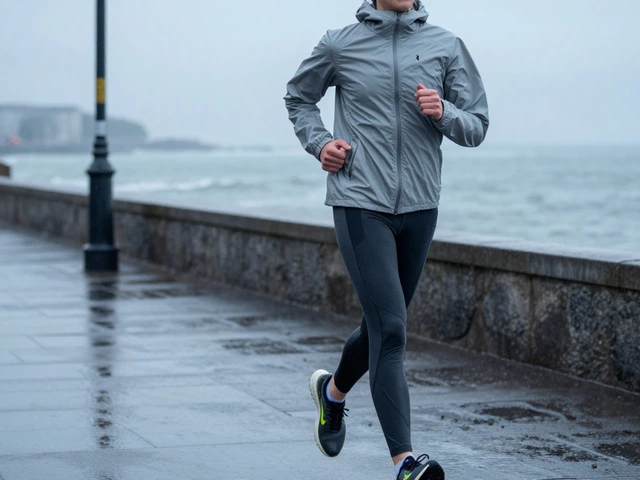
Leggings should be thick enough to block wind but breathable enough to avoid overheating. Many Irish women wear thermal-lined tights under lightweight running shorts during winter. Men often opt for compression shorts with a built-in liner-no one wants to be adjusting themselves on a bus after a 6 a.m. jog in Galway.
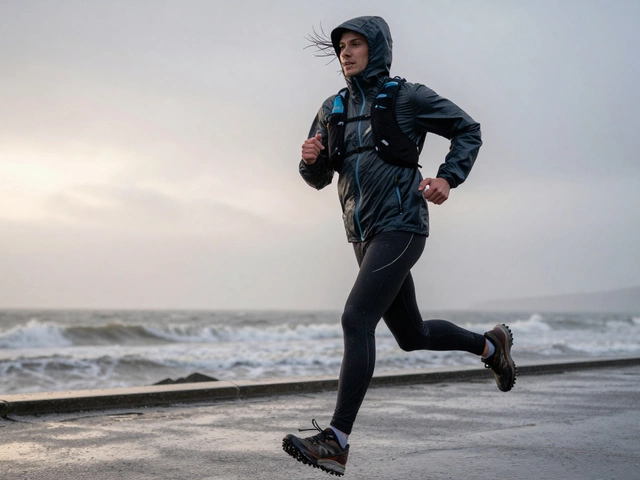
Top layers matter just as much. A lightweight, packable waterproof jacket isn’t optional-it’s mandatory. Look for one with a hood that actually fits over your head without slipping off. The Patagonia Torrentshell and Columbia Watertight II show up often in gym bags from Belfast to Waterford. Don’t forget a moisture-wicking base layer. A simple long-sleeve merino shirt from Icebreaker or Smartwool makes a huge difference when the Atlantic wind hits your neck on a coastal walk.
Footwear That Handles Irish Grounds
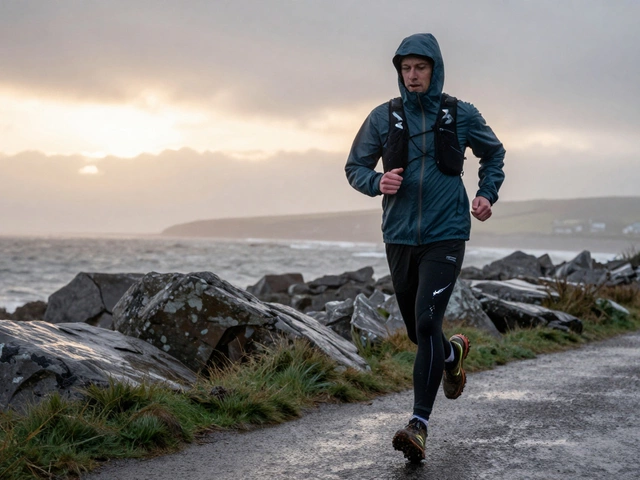
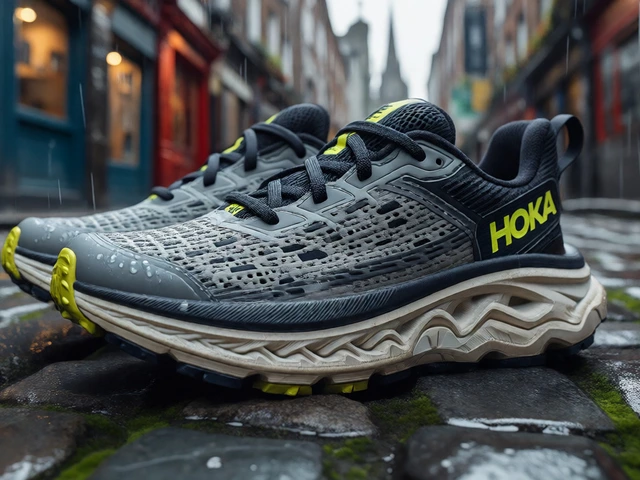
Your shoes are your most important piece of activewear here. Pavements in Dublin are cracked. Trails in the Burren are loose rock. Mud in Kerry turns into slick clay after a storm. Running shoes with deep lugs and water-resistant uppers are a must. The Salomon Speedcross and Brooks Cascadia are common sights on the Wicklow Way. For gym-goers, flat-soled trainers with good grip-like the Nike Metcon-work better than cushioned running shoes on wet rubber floors.
And yes, you’ll need two pairs. One for dry days, one for wet. Swap them out weekly. No one wants mildew growing inside their trainers by February.
Accessories That Actually Work
Headbands? Yes. But not the cotton ones. Go for synthetic, sweat-wicking headbands that stay put during a downpour. A thin, breathable beanie under your hood keeps your ears warm without overheating. Gloves? Essential. Not just for winter-October mornings in Donegal can be colder than December in some parts of England.
Reflective strips aren’t a gimmick. With daylight ending at 4 p.m. in November, visibility is a safety issue. Most Irish runners wear vests or jackets with reflective piping. Brands like Decathlon’s Kalenji offer affordable options with built-in reflectivity. If you’re cycling to the gym in Limerick or walking the coastal path in Clifden, you need to be seen.
What Activewear Doesn’t Include (And Why)
Let’s be clear: activewear in Ireland doesn’t mean oversized hoodies with logos you bought on a trip to Barcelona. It doesn’t mean thin, sheer yoga pants that show everything under a grey sky. It doesn’t mean shoes with zero grip because they’re ‘on trend’.
There’s a cultural shift happening. People here are tired of buying gear that falls apart after one storm. Local fitness communities-from the Galway Running Club to the Sligo Trail Runners-share tips on Reddit threads and Facebook groups about what actually lasts. They talk about brands that repair gear, not just replace it. They value durability over branding.
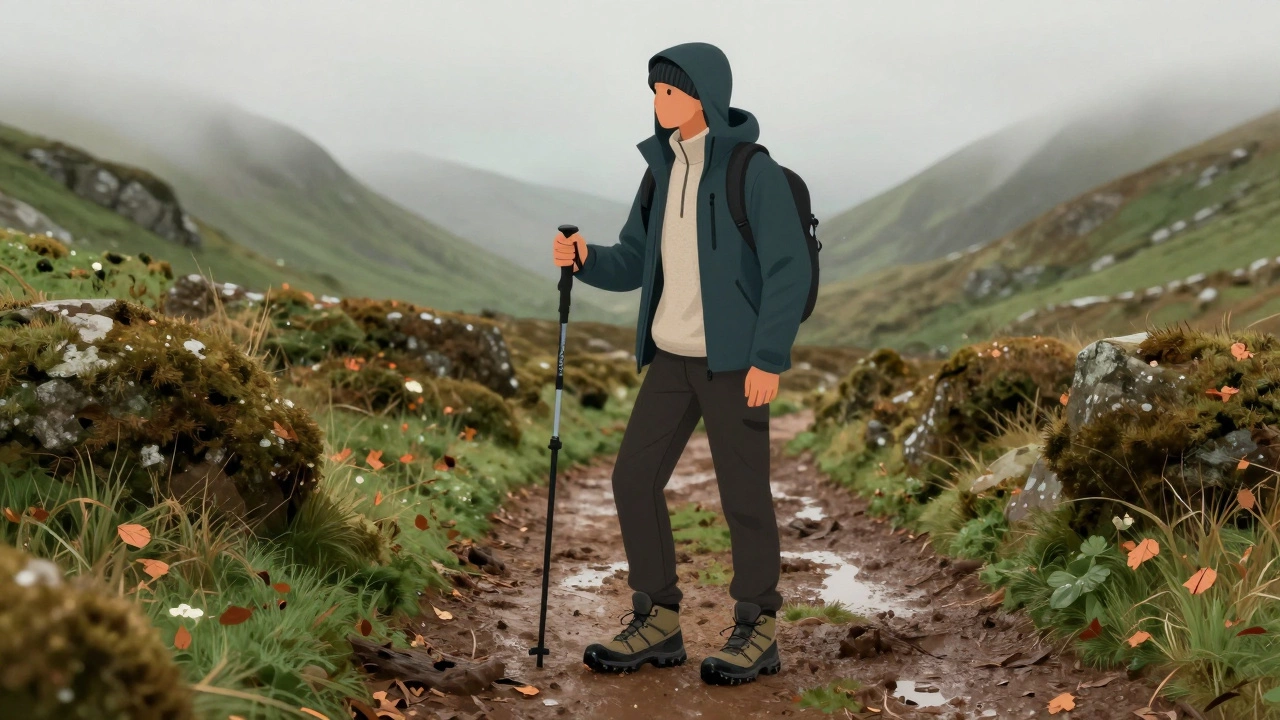
And let’s not forget: activewear here isn’t just for gyms. It’s for ferry rides to the Aran Islands, for climbing Croagh Patrick, for walking the Dingle Way with a backpack. It’s for chasing kids around the playground after work, for Sunday morning hikes with your dog, for the 6 a.m. swim in the sea at Portrush when the water’s still 8°C.
Where to Buy in Ireland
You don’t need to order from overseas. Local shops know what works. In Dublin, Decathlon on the North Strand has a whole section dedicated to weather-tested activewear. In Cork, Runners Need on Douglas Street offers free gait analysis and sells shoes that handle Irish roads. In Belfast, Go Outdoors stocks brands that are used by mountain rescue teams.
Online? Stick with Irish retailers that offer free returns. Fit4Sport (based in Waterford) and Active Ireland (Limerick) let you try three pairs of leggings before deciding. They know the rain doesn’t wait for your return window.
Seasonal Adjustments
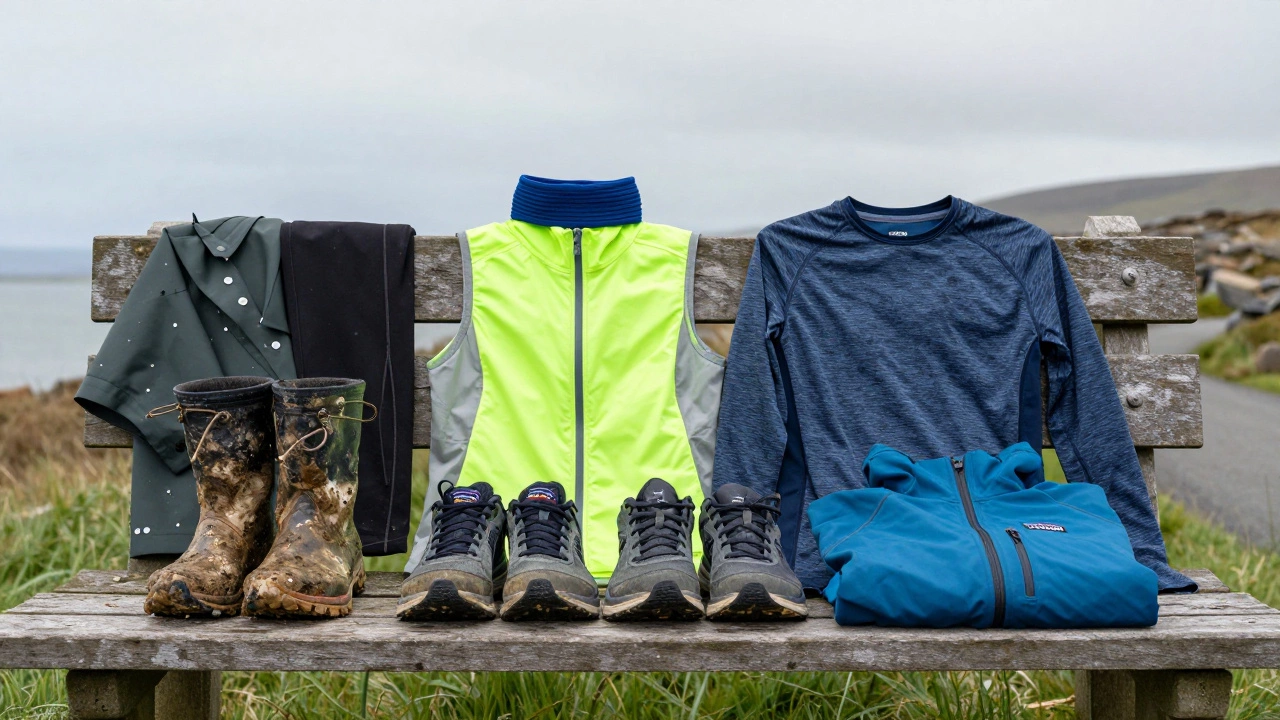
Spring in Ireland means puddles everywhere. Swap your thin tights for mid-weight thermal ones. Summer? Lightweight, quick-dry shorts and tank tops-yes, but always carry a packable jacket. Autumn is the hardest: wet leaves, wind off the sea, and sudden cold snaps. Layer up with a windproof vest over your base layer. Winter? Thermal base, fleece mid-layer, waterproof outer. No exceptions.
And if you’re doing outdoor yoga on the beach in Wexford? Bring a towel. And a dry change of clothes. Always.
Why This Matters Beyond the Gym
Activewear in Ireland isn’t just about exercise. It’s about showing up-no matter the weather. It’s about walking the children to school in the rain, cycling to work in Galway, or hiking the Cliffs of Moher without freezing. It’s about being prepared for the unexpected. That’s the Irish way: practical, resilient, no-nonsense.
When you invest in gear that works here, you’re not just buying clothes. You’re buying the freedom to move, to breathe, to be outside-no matter what the sky decides to do.
What’s the difference between regular sportswear and activewear in Ireland?
In Ireland, activewear is designed for unpredictable weather, not just gym sessions. Regular sportswear might be fine for a dry indoor class, but activewear here includes waterproof layers, moisture-wicking fabrics, and grippy soles for wet surfaces. Think of it as outdoor-ready gear that handles rain, wind, and mud-not just sweat.
Can I wear cotton activewear in Ireland?
Avoid it. Cotton holds moisture and takes hours to dry, which makes you cold and increases the risk of chills-even in summer. In Ireland’s damp climate, synthetic blends or merino wool are far better. They pull sweat away from your skin and dry quickly, keeping you warmer and more comfortable.
Do I need expensive brands for Irish activewear?
Not necessarily. While brands like Salomon and Patagonia are trusted, local options like Decathlon’s Kalenji line offer excellent value. Many Irish runners and hikers buy from local stores like Runners Need or Fit4Sport, which test gear in real Irish conditions. Durability and function matter more than logos.
What should I look for in Irish running shoes?
Look for deep tread patterns (for grip on wet pavement and trails), water-resistant uppers, and good arch support. Many Irish runners prefer models like the Salomon Speedcross or Brooks Cascadia because they handle mud and uneven ground better than flat, cushioned shoes. Avoid lightweight racing flats unless you’re only running on dry, flat tracks.
Is activewear only for serious athletes in Ireland?
No. In Ireland, activewear is everyday wear. People wear it to the shops, to drop kids at school, to walk the dog, or to catch the bus after a morning hike. It’s practical, comfortable, and built for life-not just workouts. You’ll see it everywhere, from Dublin city center to rural villages in Mayo.