17
How to Dress Chic and Classy in Summer: A Guide for Ireland
Irish Summer Chic Scorecard
Answer these 5 questions based on the article's guidelines to find out if you're ready for Dublin streets or Galway evenings.
Loading...
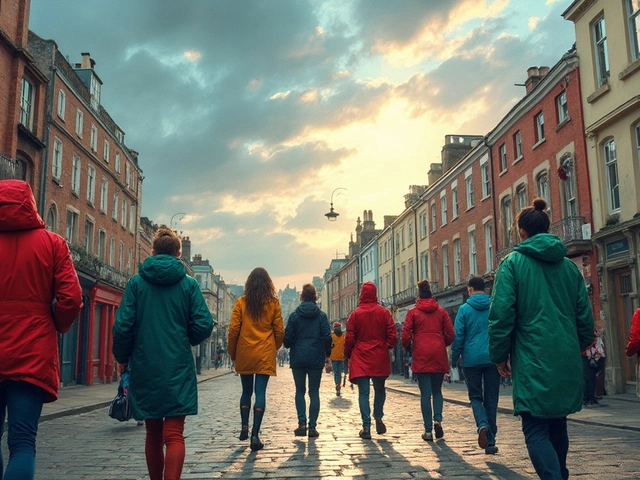
Walking through the streets of Dublin in August, you might see someone in a linen shirt looking sharp at 10 AM, only to pull on a trench coat by noon. This is the reality of chic summer dressing in Ireland. It isn't about chasing the hottest trend from Milan or New York; it's about mastering the art of layering with intention. You want to look effortless, polished, and ready for anything the Irish weather throws at you, whether that's a sudden drizzle over the Liffey or a rare burst of sunshine in the Wicklow Mountains.
The goal here is simple: look expensive without feeling restricted. In Ireland, "classy" often means practical elegance. We don't have the consistent 30-degree heat that allows for ultra-thin fabrics all day long. Instead, we rely on quality materials, smart cuts, and versatile pieces that transition from a morning coffee in Temple Bar to an evening dinner in Galway. If you can master this balance, your wardrobe will work harder for you, saving money and stress while keeping you looking put-together.
Understanding the Irish Climate Factor
Before picking out any fabric, you need to respect the weather. Ireland’s climate is maritime, meaning temperatures fluctuate quickly. Even in July, mornings can be cool (around 15°C), while afternoons might hit 22°C before a cold front rolls in from the Atlantic. This variability dictates your material choices more than any fashion magazine does.
- Linen: The king of Irish summer wear. It breathes well but wrinkles easily. Embrace the wrinkles; they add texture and character. Look for high-quality Belgian or Irish-grown linen blends.
- Cotton Poplin: Crisp, structured, and holds its shape better than linen. Great for blouses and light trousers.
- Light Wool: Don’t skip this. Thin merino wool layers are perfect for evenings when the temperature drops sharply, especially if you’re heading west to places like Dingle or Westport.
- Silk Blends: Add a touch of luxury. Silk camisoles under open shirts create depth without bulk.
Avoid heavy synthetics like polyester if you can help it. They trap heat and sweat, which feels terrible when you’re walking around the Ha’penny Bridge on a humid afternoon. Natural fibers wick moisture and keep you comfortable as conditions change.
Building the Core Wardrobe: Key Pieces
You don’t need a closet full of clothes to look chic. You need five or six core pieces that mix and match perfectly. Think of these as your foundation. Once you have them, you can add accessories to change the vibe.
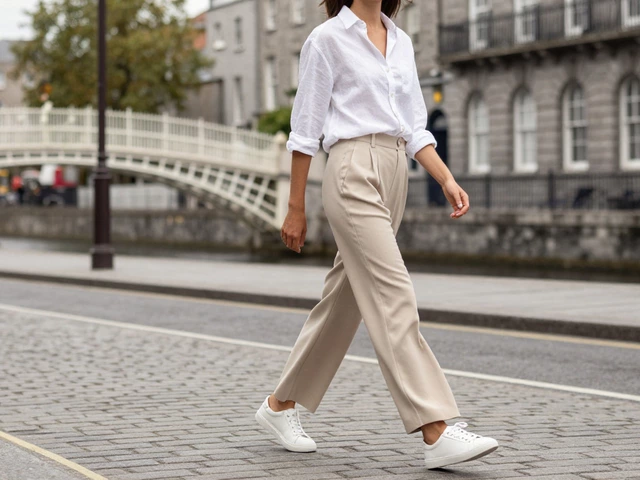
- The White Linen Shirt: Essential. Wear it tucked into tailored trousers for a daytime office look, or untucked with shorts for a weekend brunch. Brands like Barbour or local designers often feature excellent linen options.
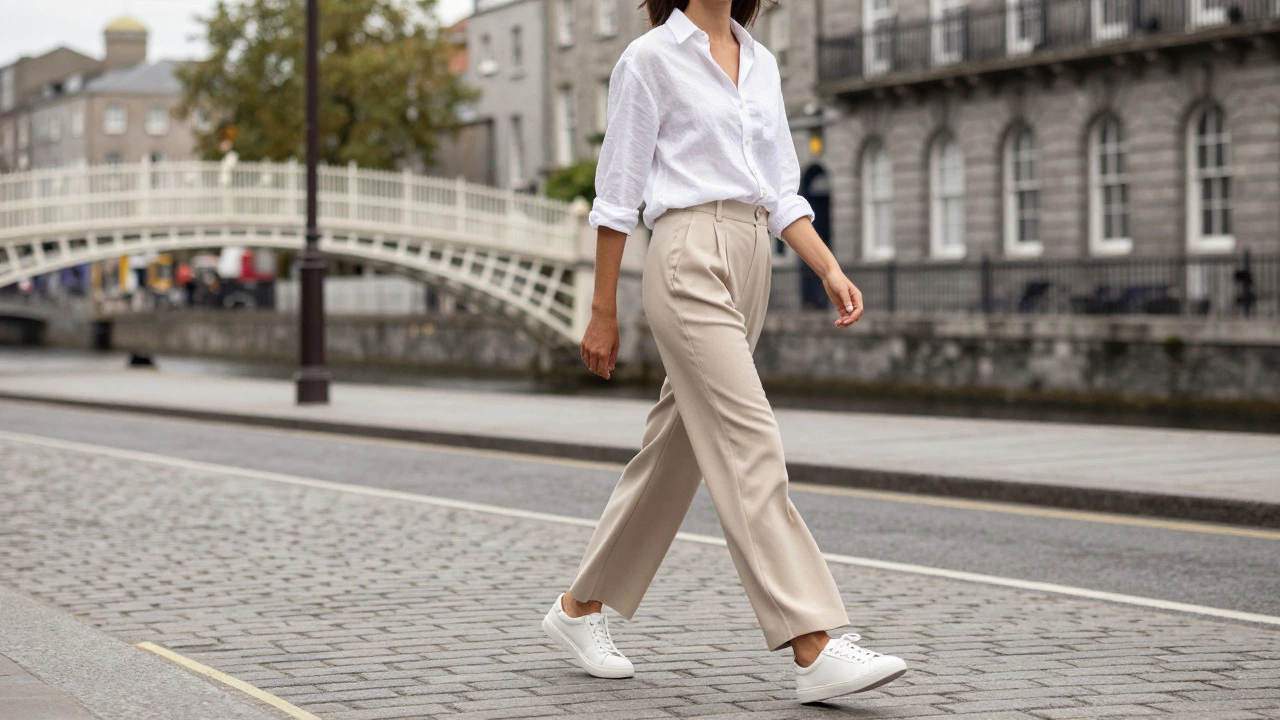
- Tailored Wide-Leg Trousers: Choose light beige, cream, or navy. These cover up cooler legs and look sophisticated. Pair them with a fitted top to balance the volume.
- A Midi Skirt in a Neutral Tone: Flare or A-line styles work best. They move well in the breeze and pair nicely with flat shoes or low heels.
- A Light Knit Cardigan: Not a bulky sweater, but a fine-gauge cardigan in ivory or grey. This is your shield against the evening chill.
- A Quality Leather Belt: Tan or brown leather adds structure to loose silhouettes and elevates simple outfits instantly.
Notice how none of these items are flashy? That’s the point. Classy Irish style relies on fit and fabric quality rather than loud logos. If a piece doesn’t fit well, no amount of styling will save it. Invest in alterations if needed; a tailor in Cork or Belfast can make off-the-rack items fit like custom-made ones.
Navigating Footwear: Comfort Meets Style
Ireland’s cobblestones and uneven pavements demand practical footwear. You won’t survive a day exploring the Cliffs of Moher in stilettos. However, you also don’t want to look like you’re going hiking if you’re attending a gallery opening in Kilkenny.
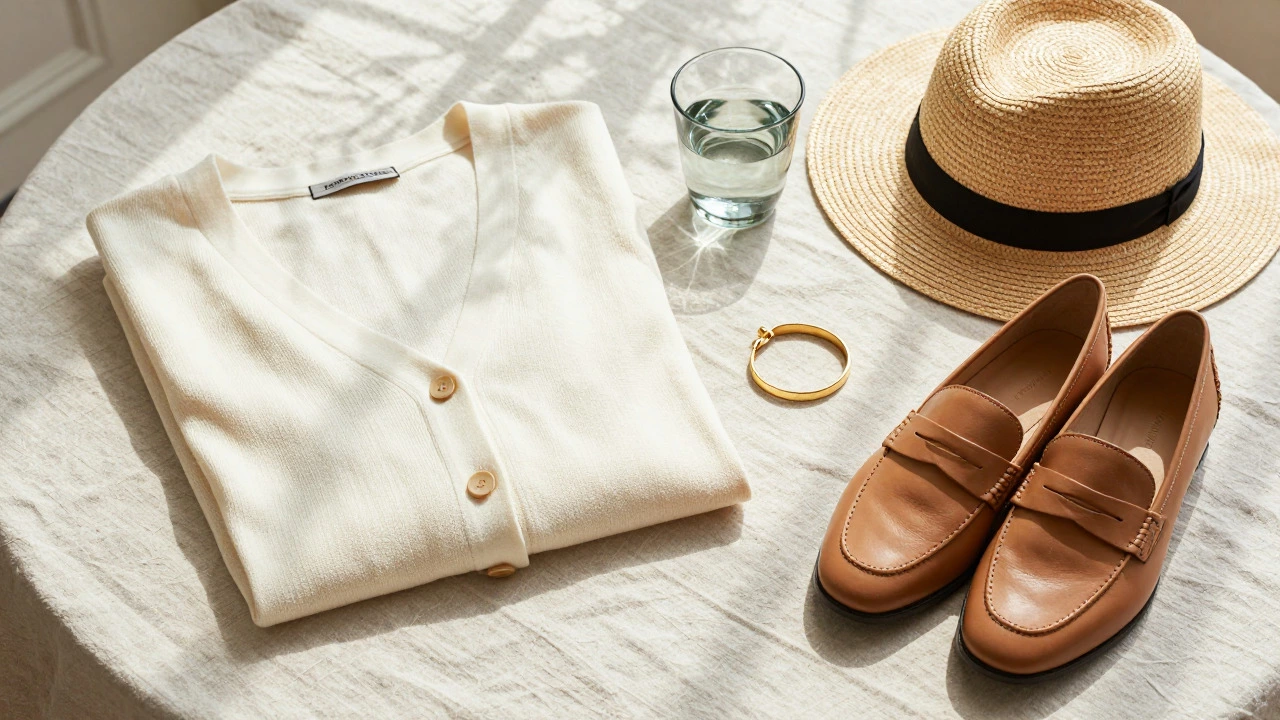
The sweet spot lies in block-heeled sandals or elegant loafers. Block heels provide stability on wet or slippery surfaces, which is common even in summer. For men, clean white leather sneakers paired with chinos and a linen shirt are a timeless combo. Avoid canvas trainers unless you’re specifically aiming for a casual beach look; they tend to look tired too quickly.
If you prefer flats, opt for pointed-toe pumps or mules in neutral colors. They elongate the leg and look sharper than round-toe ballet flats. Keep your shoes clean. Scuffed shoes ruin an otherwise polished outfit. A quick wipe with a damp cloth before you head out makes a significant difference.
Accessories: The Finishing Touches
This is where you inject personality without overdoing it. In Ireland, less is usually more. One statement piece per outfit is enough.
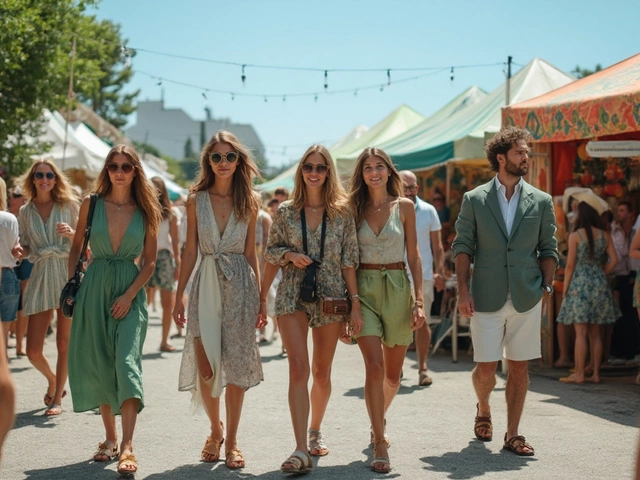
- Jewelry: Gold tones complement most skin types and summer fabrics. Simple hoops, delicate chains, or a single cuff bracelet add shine without clutter. Avoid heavy costume jewelry; it looks cheap against natural fabrics.
- Handbags: Structured bags in tan, black, or cream maintain their shape and look professional. Soft slouchy bags are trendy but can look messy if not carefully curated. A crossbody bag is practical for sightseeing, while a clutch works for evening events.
- Sunglasses: Classic shapes like wayfarers or aviators never go out of style. They protect your eyes from the strong UV rays that come through thin clouds and complete the look.
- Hats: A wide-brimmed straw hat is iconic for Irish summers. It provides shade and adds a relaxed, vacation-like feel. Just make sure it fits securely, as the wind can be unpredictable.
Watch out for mixing too many patterns. If your dress has a floral print, keep your accessories solid. If you’re wearing stripes, stick to neutral accessories. This rule prevents visual chaos and keeps the outfit looking cohesive.
Styling for Specific Irish Occasions
Dressing differently for different contexts shows social awareness. Here’s how to adapt your core pieces for common scenarios.
Daytime Sightseeing and City Exploration
Think comfort first, style second. Pair wide-leg trousers with a breathable top and comfortable loafers. Add a light jacket for early mornings. This outfit works in cities like Galway or Limerick, where you might walk several kilometers. Keep colors light to reflect the sun.
Business Casual in the Office
Irish workplaces generally lean toward smart casual. Men should stick to chinos, a button-down shirt, and a blazer if needed. Women can wear tailored skirts or trousers with a silk blouse. Avoid jeans unless explicitly allowed. Aim for a polished but approachable look. A neat haircut and clean nails matter just as much as the clothes.
Evening Dinners and Social Events
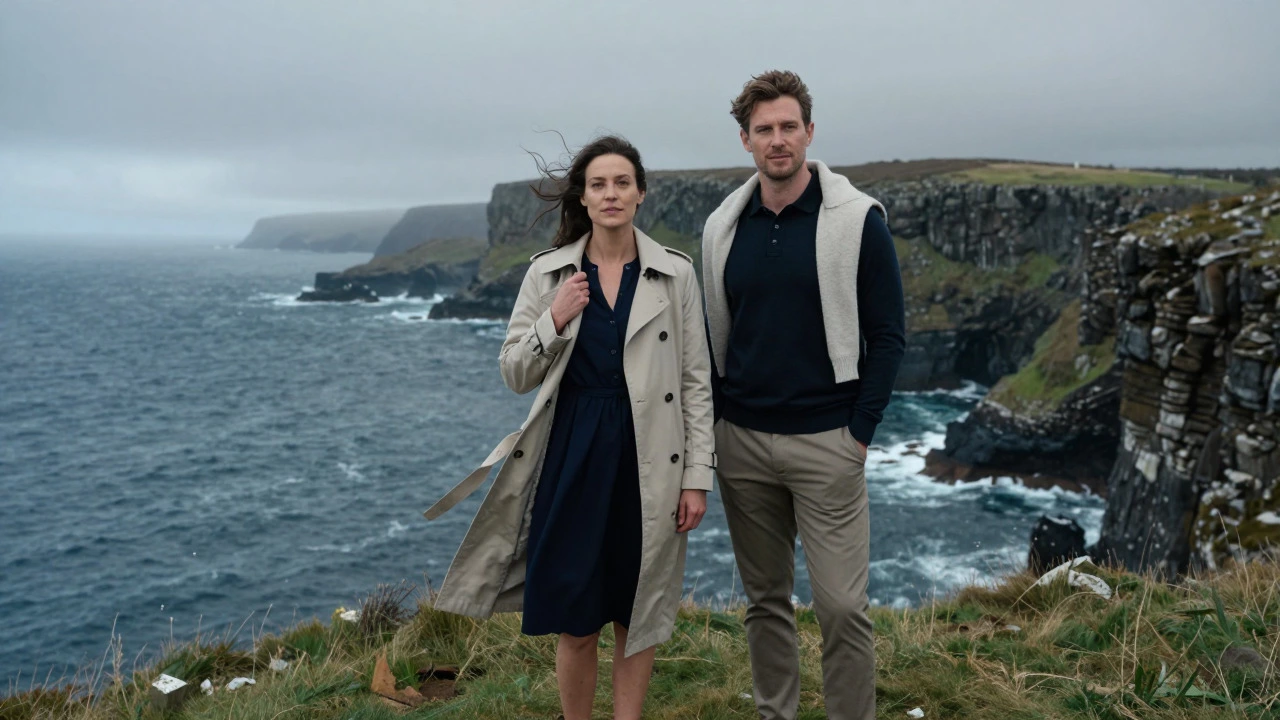
When the sun goes down, temperatures drop. Swap your daytime sandals for block heels or dressy flats. Layer your base outfit with a chic cardigan or a lightweight blazer. For women, a midi dress in a darker shade like navy or emerald green looks elegant. For men, swap the linen shirt for a dark polo or a crisp Oxford shirt. Keep accessories minimal but refined.
Common Mistakes to Avoid
Even experienced stylists make errors. Here are the pitfalls that undermine a chic look in Ireland.
- Ignoring the Weather Forecast: Checking the forecast before choosing an outfit saves you from arriving drenched or freezing. Use reliable apps that provide hourly updates.
- Over-Accessorizing: More isn’t better. If you’re wearing a bold patterned dress, skip the big earrings. Let one element stand out.
- Wearing Ill-Fitting Clothes: Baggy clothes can look sloppy, while tight clothes can look uncomfortable. Aim for a silhouette that skims the body without clinging.
- Neglecting Fabric Quality: Cheap fabrics pill, fade, and wrinkle badly. Investing in higher-quality items ensures they last longer and look better with age.
Remember, confidence is the final accessory. When you feel good in what you’re wearing, it shows. Stand tall, smile, and own your look. Whether you’re in a bustling pub in Waterford or a quiet park in Killarney, your attitude completes the ensemble.
What is the best fabric for summer in Ireland?
Linen and cotton poplin are the best choices. They breathe well, handle humidity, and look elegant. Avoid heavy synthetics that trap heat.
Do I need a jacket in summer in Ireland?
Yes, always carry a light layer. Temperatures can drop quickly in the evening or during rain showers. A thin cardigan or trench coat is essential.
What colors look most classy in Irish summer?
Neutrals like cream, beige, navy, and white are timeless. Earth tones like olive and rust also work well. Bright colors are okay but should be balanced with neutrals.
Are jeans appropriate for a chic summer look?
Dark wash, slim-fit jeans can work for casual settings, but tailored trousers or skirts are safer bets for a truly classy appearance. Jeans are rarely considered formal or chic in traditional Irish contexts.
How do I stay warm without looking bulky?
Layer with thin, high-quality materials. A silk scarf, a fine-knit cardigan, or a lightweight blazer adds warmth without adding bulk. Focus on fit to maintain a sleek silhouette.