3
Hoodies: To Hang or Fold? The Verdict for Irish Wardrobes
Hoodie Folding Masterclass
Living in Ireland means dealing with a specific kind of weather. One minute you are baking under the rare June sun on the Galway quays, and the next, you are shivering through a cold front rolling in off the Atlantic. Your hoodie is your armor against this unpredictability. But here is the problem that plagues every wardrobe from Dublin to Derry: how do you store it? You pull your favorite heavy-weight fleece out of the closet, only to find the shoulders look like Batman’s cape, or the neckline has stretched into a permanent grimace. It’s frustrating, especially when that hoodie cost you €60 at a local boutique in Temple Bar or was a gift from a friend visiting from Cork.
The question isn’t just about neatness; it’s about physics and fabric integrity. Should you hang your hoodies, or should you fold them? The short answer, if you want your clothes to last through another decade of Irish rain, is almost always **fold**. But there are exceptions, and understanding why requires looking at what your hoodie is actually made of and how gravity plays tricks on knitwear.
The Physics of the Stretch
To understand why hanging can be dangerous, you have to look at the construction of a typical hoodie is a casual top with a hood, usually made from cotton fleece or jersey knit. Most quality hoodies, whether you buy them from a brand like JD Sports in Grafton Street or a small designer in Kilkenny, are made from knitted fabrics. Knitwear works by looping yarn together. This gives it stretch and comfort, but it also makes it susceptible to deformation under its own weight.
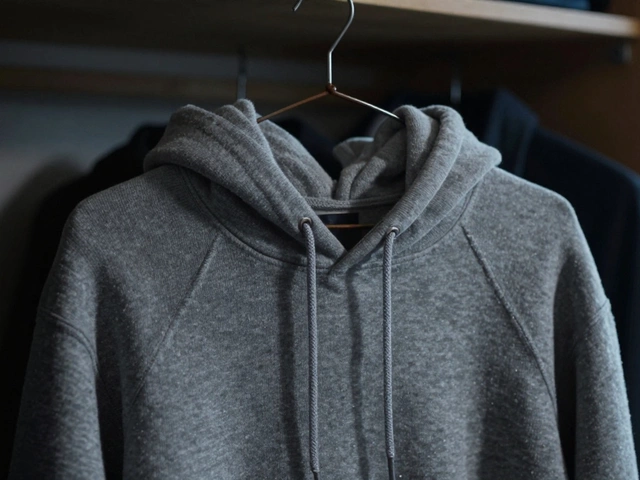
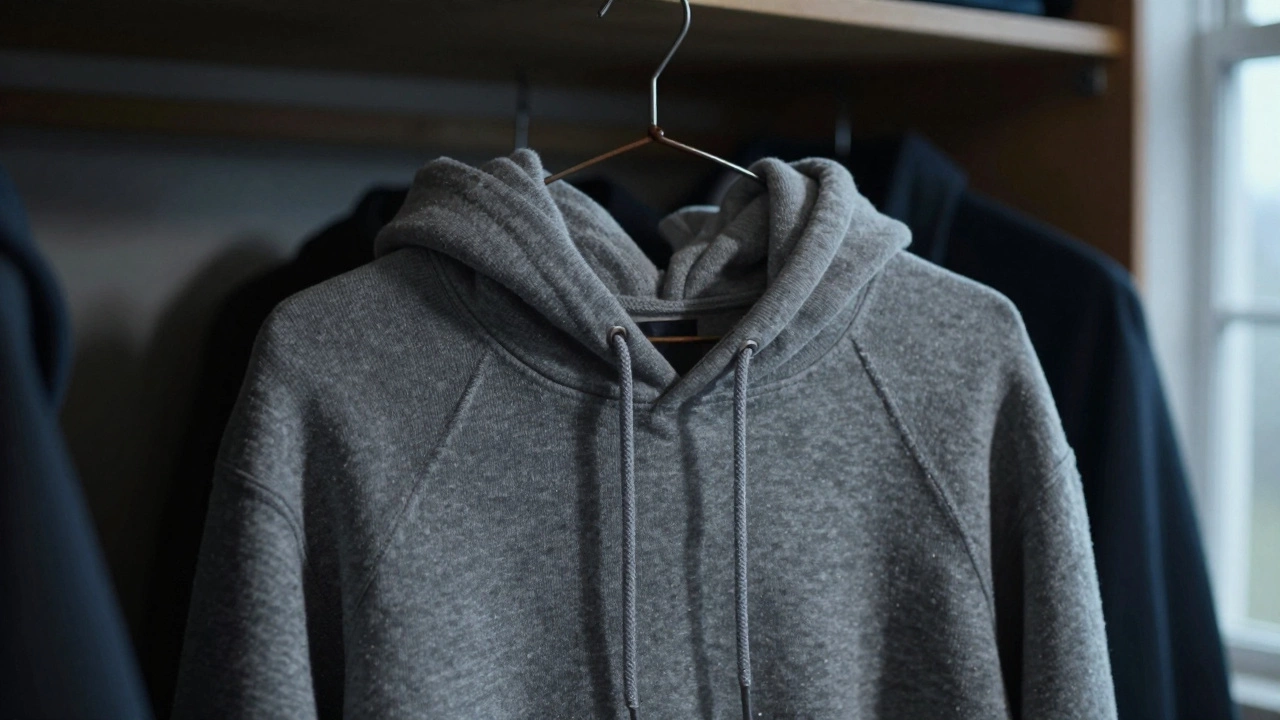
When you hang a heavy cotton hoodie on a standard plastic hanger, gravity pulls down on the entire garment. The stress concentrates on two small points: the shoulder seams. Over time, those loops of yarn elongate. They don’t snap back. You end up with "shoulder bumps"-those unsightly protrusions that make even a brand-new outfit look worn out. If you use a wire hanger, which many of us still keep around despite knowing better, the damage happens overnight. The thin metal cuts into the fabric, creating permanent dimples that no amount of steaming will fix.
Furthermore, consider the environment. Ireland is damp. Even in summer, humidity levels can fluctuate wildly. A wet or slightly damp hoodie hung up becomes significantly heavier as it absorbs moisture from the air or retains water after washing. That extra weight accelerates the stretching process. If you’ve ever lived in a place like Westport or Clifden where the rain seems to come sideways, you know that drying clothes indoors is common. Hanging a soaking wet hoodie on a rail might seem efficient, but you are essentially torturing the fabric structure.
Why Folding Wins Every Time
Folding distributes the weight of the garment evenly across the entire surface area. There is no single point of tension. The fibers remain relaxed, maintaining their original shape. For a thick, heavyweight hoodie-think the kind you wear while walking the dog in Salthill during November-folding is non-negotiable if you want it to fit the same way in five years as it does today.
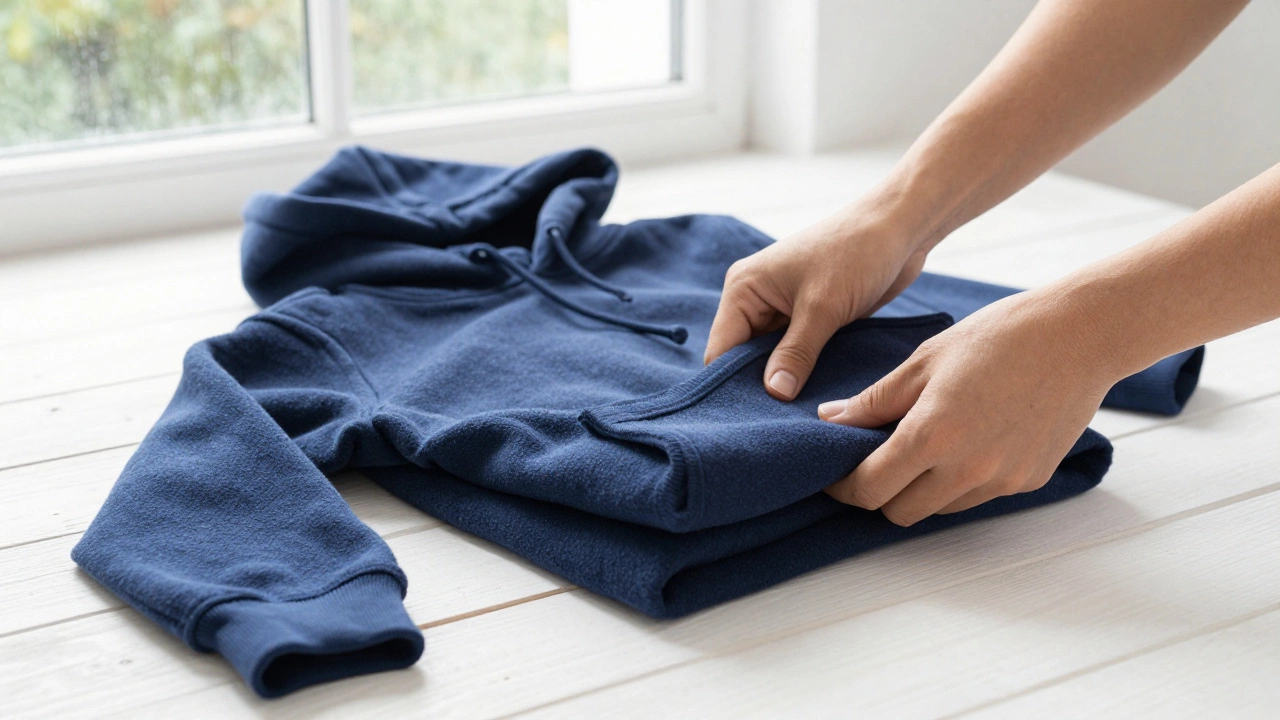
Here is how to fold a hoodie properly so it doesn’t turn into a messy ball in your drawer:
- Lay it flat: Spread the hoodie face down on a clean surface, like your bed or a table. Smooth out any wrinkles.
- Fold the sleeves: Bring the sleeves across the body, folding them inward so they lie flat against the sides. Don’t bunch them up.
- Fold the bottom up: Take the bottom hem and fold it up towards the neck, covering the sleeves. Aim for a rectangle shape.
- Fold in half or thirds: Depending on the size of your drawer, fold the resulting rectangle in half or into thirds. The hood should be tucked inside or laid neatly on top, not sticking out awkwardly.
This method keeps the garment compact and protects the most vulnerable areas-the shoulders and the hood-from distortion. Plus, it saves space. In smaller apartments in cities like Galway City or Limerick, maximizing storage efficiency is key. Stacked folded hoodies allow you to see exactly what you have at a glance, unlike a pile of hung clothes that obscure each other.
When Is Hanging Okay?
Are there scenarios where hanging is acceptable? Yes, but they are specific. If your hoodie is made from a woven fabric rather than a knit, it can handle being hung. Some fashion-forward brands release hoodies made from twill, denim, or even technical synthetic blends used in sportswear. These materials have less give and more structural integrity. A lightweight windbreaker-style hoodie from a brand like Decathlon, often seen on runners along the River Lee in Cork, can typically be hung without issue.
Another exception is temporary hanging. If you’ve worn your hoodie once and it smells like faint coffee or city air, but it doesn’t need washing, you can hang it over the back of a chair or a wide wooden coat rack. The key here is width. A wide, padded hanger mimics the natural curve of your shoulders and distributes weight better than a narrow plastic one. However, this should be short-term. Do not leave a knit hoodie on a hook for weeks. Use it as a holding pattern before returning it to the drawer.
If you must hang a knit hoodie, avoid thin wire hangers at all costs. Invest in velvet-covered hangers or wooden ones with rounded edges. These provide grip to prevent slipping and reduce pressure points. But again, folding remains the gold standard for longevity.
The Irish Laundry Context
Laundry habits in Ireland have evolved, but old traditions persist. Many households still rely on tumble dryers due to the lack of consistent sunshine. Tumble drying is hard on hoodies. High heat shrinks cotton and breaks down elastic in cuffs and hems. If you tumble dry, always use a low heat setting and remove the hoodie while it is still slightly damp. Then, lay it flat to finish drying. This prevents the weight of the wet fabric from stretching it out while it’s hot and pliable.
Air drying is gentler but requires strategy. Never hang a wet hoodie by the hood. The hood is often reinforced with drawstrings and thicker stitching, making it heavier. Hanging by the hood puts immense strain on the neck seam, leading to rips or sagging. Instead, lay the hoodie flat on a drying rack. This is common practice in Irish homes, especially during winter when radiators are running. Just ensure the radiator isn’t too hot, as direct contact can scorch synthetic fibers or shrink cotton unevenly.
Also, consider the washing machine load. Heavy items like jeans can beat up lighter hoodies during the spin cycle. Wash hoodies with similar fabrics and colors. Using a mesh laundry bag adds an extra layer of protection, preventing pilling and snagging. Pilling-that fuzzy texture that appears on the surface-is a sign of friction. Reducing agitation in the wash helps maintain the smooth look of your hoodie.
| Factor | Hanging | Folding |
|---|---|---|
| Shoulder Shape | Risk of bumps/stretching | Maintains original shape |
| Space Efficiency | Takes up vertical closet space | Stackable, saves drawer space |
| Visibility | Hard to see items in back | Easy to identify stacked items |
| Fabric Stress | High (gravity on seams) | Low (even weight distribution) |
| Best For | Woven/synthetic light hoodies | Cotton/fleece knit hoodies |
Storage Solutions for Small Spaces
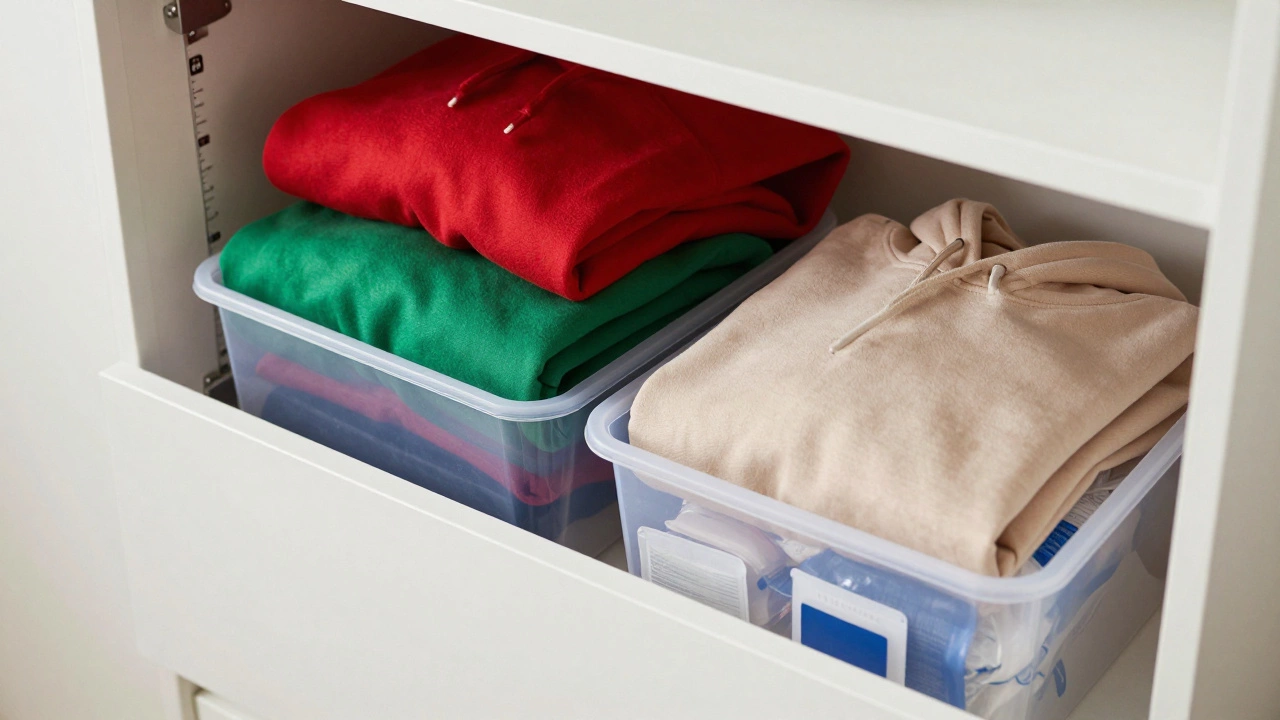
If you live in a compact apartment in Dublin 8 or a cottage in Kerry, storage space is premium. Folding allows you to utilize drawers and shelves effectively. Consider using clear plastic bins or fabric cubes to organize folded hoodies by color or season. This keeps dust off and makes it easy to swap out summer lightweights for winter heavies.
For those who prefer open shelving, stack folded hoodies vertically, like files in a cabinet. This "KonMari" style approach lets you see every hoodie at once without disturbing the others. It’s satisfyingly tidy and reduces the temptation to just throw things in a heap.
Moisture control is another factor. Ireland’s dampness can lead to mildew if clothes are stored in poorly ventilated spaces. Ensure your drawers or closets have some airflow. Silica gel packets, often found in shoe boxes, can help absorb excess moisture. Avoid storing hoodies in plastic bags long-term, as this traps humidity and encourages mold growth. Breathable cotton storage bags are a better alternative.
Repairing Damage Before It Spreads
If you already have hoodies with stretched shoulders, can you fix them? Sometimes. Try steaming the affected areas while gently pulling the fabric back into shape. Steam relaxes the fibers, allowing them to contract slightly. Ironing directly on a hoodie is risky, especially if it has printed graphics, which can melt. Always iron inside out or use a pressing cloth.
For loose threads or small holes near the neckline, a quick stitch can extend the life of the garment. Learning basic mending skills is valuable. It’s sustainable and saves money. In a culture that increasingly values sustainability, repairing rather than replacing aligns with modern ethical consumption trends seen across Ireland, from second-hand shops in Temple Bar to online resale platforms.
Final Thoughts on Care
Your hoodie is more than just clothing; it’s a companion for Ireland’s changeable climate. Treating it with respect ensures it stays comfortable and stylish. While hanging might seem convenient, the long-term cost in terms of shape and fit is high. Folding takes a few extra seconds but pays off in durability. Next time you’re doing laundry, take a moment to fold your favorites carefully. Your wardrobe-and your future self-will thank you when the next cold snap hits.
Can I hang my hoodie if it’s made of polyester?
Yes, generally speaking. Polyester is a synthetic fiber that is more resistant to stretching than cotton. Lightweight polyester hoodies, often used for sports or outdoor activities, can be hung on wide hangers without significant risk of deformation. However, if the polyester blend includes a high percentage of cotton or has a heavy fleece lining, folding is still safer to preserve the overall shape.
How do I remove shoulder bumps from a hung hoodie?
You can try to minimize shoulder bumps by steaming the area. Hold a garment steamer a few inches away from the bump and gently pull the fabric taut with your other hand. The heat and moisture help relax the stretched fibers. Alternatively, you can dampen the shoulder area with water, reshape it manually, and let it dry flat. Note that severe stretching may be permanent.
Is it bad to hang wet hoodies to dry?
It is not ideal for knit cotton hoodies. Wet fabric is heavier, which increases the gravitational pull on the shoulders, leading to stretching. Additionally, hanging by the hood can distort the neckline. The best method is to lay the hoodie flat on a drying rack. This allows for even drying and maintains the garment’s shape. If you must hang it, use a wide, padded hanger and ensure the room is well-ventilated to speed up drying.
What is the best way to store hoodies in a small Irish apartment?
In small spaces, vertical stacking in drawers is highly efficient. Fold hoodies neatly and stand them upright in drawers, like books. This maximizes space and allows you to see all options at once. Using under-bed storage containers for off-season hoodies is also effective. Ensure these containers are breathable or include moisture absorbers to prevent dampness issues common in Irish climates.
Do expensive hoodies need special care compared to cheap ones?
Yes, higher-quality hoodies often use finer knits or heavier, more luxurious fabrics that are more prone to damage. Investing in proper care, such as folding and gentle washing, extends their lifespan significantly. Cheap fast-fashion hoodies may degrade quickly regardless of care, but treating expensive pieces with respect ensures you get value for money. Always check the care label for specific instructions.