24
Why You Need a Jacket in Ireland: More Than Just Warmth
Ireland Jacket Selector Tool
Select your planned activities and expected weather conditions to get a personalized jacket recommendation for your time in Ireland.
Your Activities
Weather Conditions
Recommended Jacket Setup
Ask anyone living on the west coast of Ireland why they wear a jacket, and you’ll get two answers. First, it’s to keep warm. Second, and more importantly, it’s to stay dry. In places like Galway or Donegal, the temperature might hover around a mild 10°C (50°F), but the wind chill can make it feel like winter. The real enemy here isn’t just the cold; it’s the dampness that seeps into your bones.
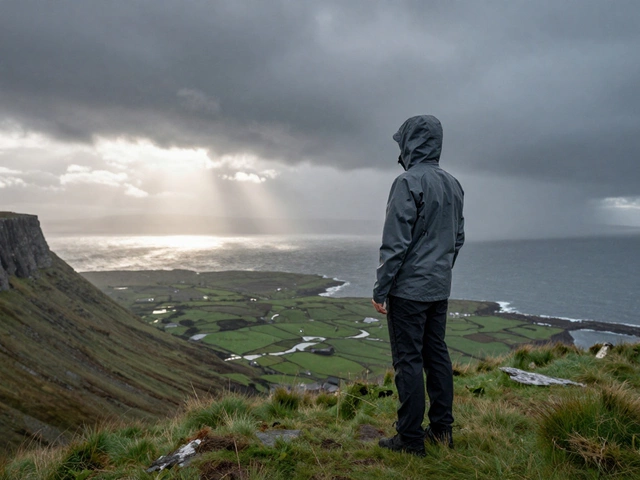
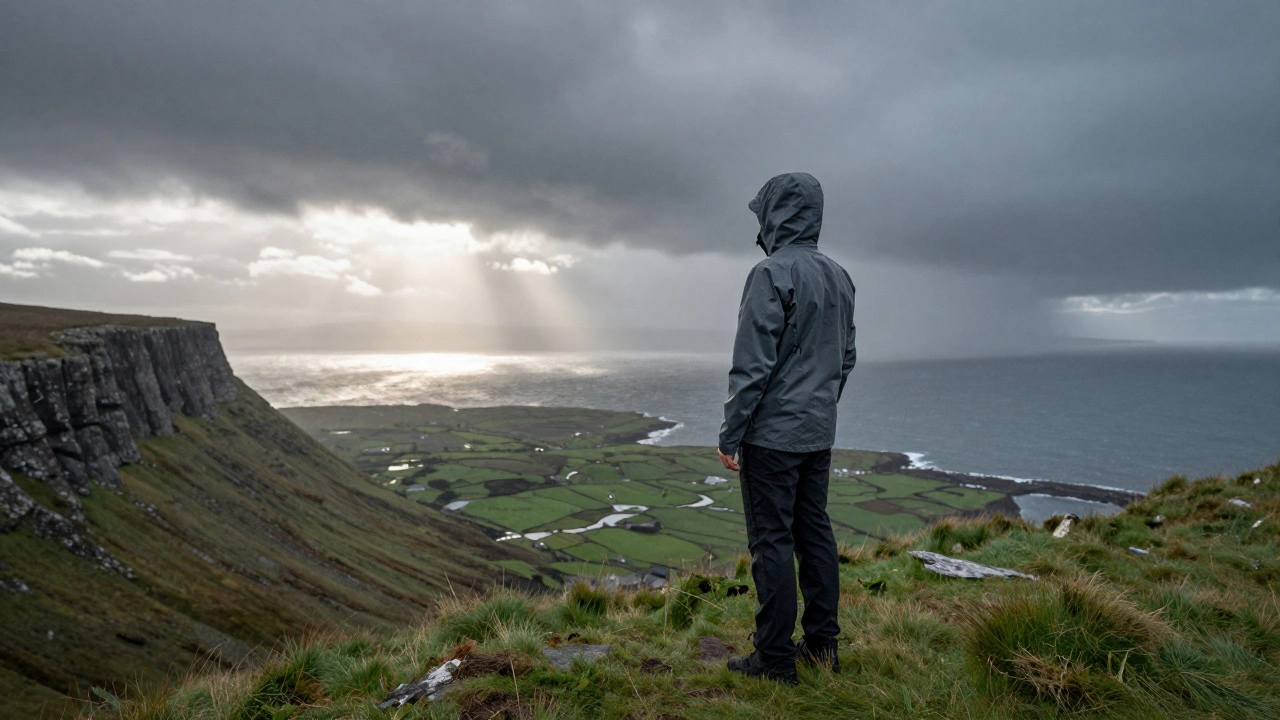
If you think a jacket is just a fashion statement, you haven’t walked across the Wild Atlantic Way during a spring shower. Here, a jacket serves as your primary shield against one of the most unpredictable climates in Europe. It’s not about looking cool at a pub in Temple Bar; it’s about surviving the elements so you can actually enjoy being outside.
The Science of Staying Dry in a Wet Climate
In Ireland, rain doesn’t always fall straight down. Often, it blows sideways. This is where the technical purpose of a jacket becomes critical. A standard cotton hoodie absorbs moisture within minutes. Once wet, it loses its insulating properties and makes you colder. A proper outdoor jacket uses waterproof membranes, such as Gore-Tex or proprietary coatings from brands like Patagonia or local favorites like Mountain Hardwear.
The goal is breathability. If your jacket keeps water out but traps sweat inside, you’ll end up clammy and uncomfortable. Look for jackets with sealed seams and adjustable hoods. When you’re cycling through Salthill Park or hiking near Clifden, you need gear that manages moisture both from the outside and the inside.
Wind Protection: The Invisible Threat
You might not realize how much heat you lose to wind until you stand on the Cliffs of Moher without a barrier. Wind strips away the thin layer of warm air surrounding your body. A jacket acts as a windbreak. Materials like nylon ripstop or tightly woven polyester are excellent for this.
Even if it’s not raining, a gusty day in Dublin requires a shell. This is why many locals carry a lightweight packable jacket even when the sky looks clear. The weather changes fast. One minute you’re having coffee in Grafton Street, the next you’re battling a gale crossing O’Connell Bridge. A good jacket compresses small enough to fit in a bag but deploys instantly when needed.
Layering: The Irish Survival Strategy
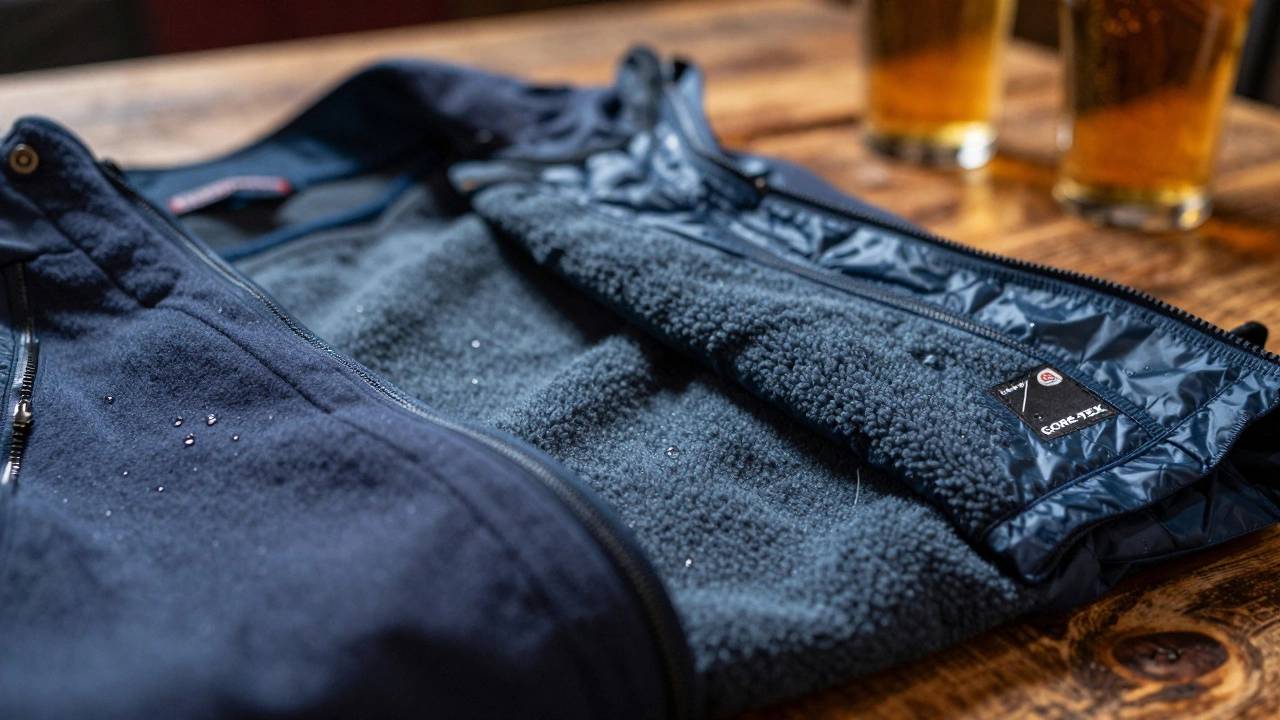
Wearing a jacket isn’t a one-size-fits-all solution. It’s part of a system. The base layer wicks sweat, the mid-layer provides insulation, and the outer layer-the jacket-protects from wind and rain. In Ireland, we rarely wear just one thick coat unless we’re going to bed. Instead, we layer.
- Base Layer: Merino wool or synthetic fabric next to the skin.
- Mid-Layer: Fleece or down vest for warmth.
- Outer Layer: Waterproof, windproof jacket.
This approach allows you to adapt. You can peel off layers if you enter a heated shop in Galway City Centre or add them back when you step out into the chill. It gives you control over your microclimate.
Style Meets Function in Urban Settings
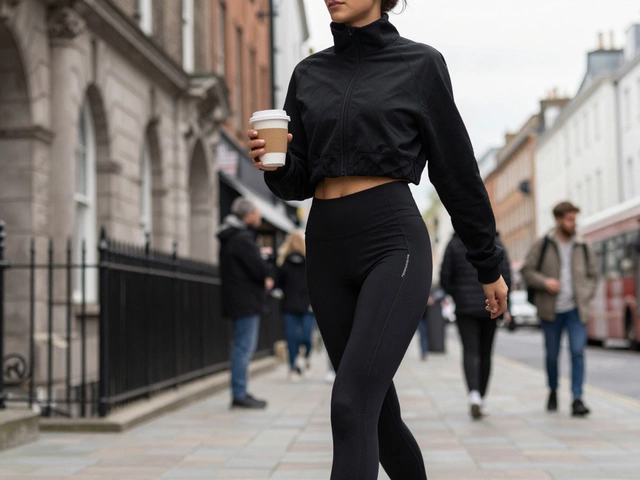
While function is key, style matters too. Irish cities have a distinct casual elegance. You won’t see people in full tactical gear walking to work in Cork or Limerick. Instead, look for tailored raincoats, trench coats, or stylish parkas. Brands like Jack Wills or Teddy Blake offer designs that blend heritage aesthetics with modern weather resistance.
A well-cut jacket elevates an outfit while providing protection. Think of it as armor that looks good. Whether you’re attending a wedding in Kilkenny or meeting friends for dinner in Derry, a smart jacket ensures you arrive looking polished, not soaked.

Seasonal Versatility
Ireland has four seasons, but really, it has one long shoulder season. Spring and autumn are similar, characterized by changeable weather. A versatile jacket should handle both. Look for detachable linings or adjustable cuffs. In summer, a light windbreaker suffices. In winter, a heavier insulated parka is essential.
Investing in a high-quality jacket means fewer replacements. Cheap jackets degrade quickly under constant exposure to UV rays and moisture. A durable jacket lasts years, making it cost-effective in the long run.
| Jacket Type | Best For | Key Feature |
|---|---|---|
| Rain Shell | Heavy Rain/Wind | Waterproof Membrane |
| Insulated Parka | Winter Cold | Down/Synthetic Fill |
| Softshell | Mild Days/Hiking | Breathability & Stretch |
| Trench Coat | Urban/Casual | Style & Light Rain |
Choosing the Right Fit
Fitting a jacket in Ireland requires consideration of layers. Ensure there’s room underneath for a sweater or fleece. Check the hood size-it should accommodate a helmet if you cycle, or sit comfortably over a beanie. Zippers should glide smoothly, and pockets should be accessible even with gloves on.
Try jackets on in stores like Brown Thomas or smaller independent shops in towns like Ennis or Athlone. Don’t rely on online sizing alone. Physical try-ons reveal how the garment moves with your body.
Is a waterproof jacket necessary in Ireland?
Yes. Rain is frequent and often unexpected. A waterproof jacket prevents you from getting soaked, which is crucial for maintaining body temperature and comfort.
Can I wear a leather jacket in Ireland?
Leather offers some wind protection but isn’t waterproof. It’s suitable for dry, cool days but impractical for heavy rain or prolonged outdoor exposure.
What is the best material for an Irish winter jacket?
Look for materials with high water resistance and breathability, such as Gore-Tex or similar proprietary fabrics. Insulation like down or synthetic fill adds warmth.
Do I need a hood on my jacket?
A hood is highly recommended. It protects your head from rain and wind, reducing overall heat loss. Ensure it’s adjustable and fits over other headwear if needed.
How do I maintain my jacket’s waterproofing?
Reapply a DWR (Durable Water Repellent) treatment periodically. Wash according to manufacturer instructions to remove dirt and oils that reduce effectiveness.