5
How Many Hoodies Should You Own in Ireland? The Ultimate Guide for Irish Weather
Irish Hoodie Calculator
0
Hoodies Needed
Calculation logic appears here.
Suggested Breakdown:
Enter your details to find your perfect hoodie count for Irish weather.
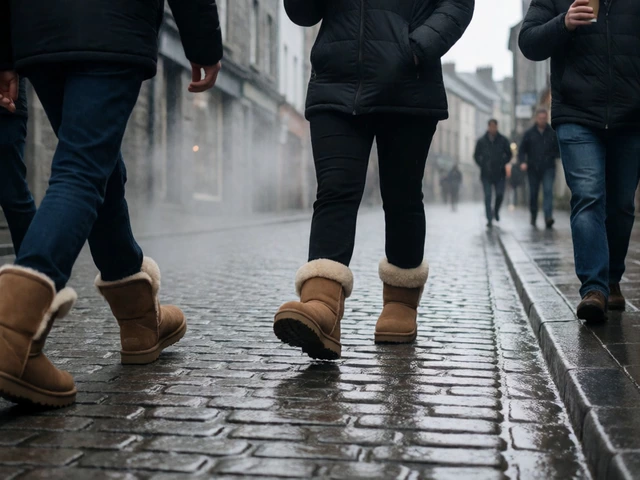
Living in Ireland means living with the wind. It doesn't matter if you are standing on the Cliffs of Moher or sitting in a coffee shop in Dublin's Temple Bar; that damp chill finds a way into your bones. If you have ever tried to commute from Galway City Centre in November without the right layers, you know exactly what I mean. This is why the question how many hoodies should I own isn't just about style-it’s a survival strategy for our unpredictable climate.
In Ireland, a hoodie is not merely a piece of loungewear or a gym uniform. It is a critical component of our "layering system." Because our temperatures rarely drop below freezing but often hover around 5°C to 10°C with high humidity and rain, we need garments that provide warmth without bulk. A hoodie sits perfectly between a t-shirt and a heavy coat, making it the most versatile item in any Irish wardrobe. But owning too few leaves you exposed to the elements, while owning too many leads to clutter and wasted money. So, what is the sweet spot?
The Irish Layering Logic: Why Quantity Matters
To figure out the right number, we first need to understand how we wear them here. In warmer climates, a hoodie might be an outer layer. In Ireland, especially from October through April, it is almost always a mid-layer. You will typically wear it over a thermal base layer (like merino wool) and under a waterproof shell jacket or a heavy wool coat.
This specific usage creates two main constraints:
- Frequency of Washing: Because hoodies trap sweat and body heat against the skin, they get dirty faster than outer coats. However, washing thick cotton fleece frequently ruins the fabric and shrinks it. Most people wash their hoodies once every 3-4 wears. If you only have one hoodie, you are either wearing a sweaty garment or waiting days for it to dry in our notoriously humid air.
- Drying Time: Let’s be honest about Irish laundry culture. Unless you live in a modern apartment in Cork City with a tumble dryer, you are likely hanging clothes on a line indoors or using a radiator cover. A thick cotton hoodie can take 24 to 48 hours to dry properly in winter. If it rains for a week straight (which it often does), your outdoor line is useless. You need rotation stock.
Therefore, the minimum viable number is dictated by your laundry cycle. If you work five days a week and wear a hoodie daily, you need enough to last until wash day plus drying time.
The Recommended Number: 3 to 5 Hoodies
After analyzing the habits of locals across the country, from students in University College Dublin to professionals in Belfast, the consensus is clear: **You should own between 3 and 5 hoodies.**
Here is why this range works best for the Irish context:
| Number of Hoodies | Lifestyle Fit | Pros | Cons |
|---|---|---|---|
| 3 Hoodies | Minimalist / Home-based worker | Low cost, easy to manage, fits small closets | Risky if one gets stained; limited style variety |
| 4-5 Hoodies | Commuter / Active Lifestyle | Ideal rotation for weekly washes; allows for different fabrics (cotton vs. fleece) | Takes up more closet space |
| 6+ Hoodies | Fashion Enthusiast / Collector | Maximum style options; color coordination | High cost; likely underutilized items; clutter |
If you are a student living in a shared house in Limerick or Galway, three hoodies might suffice if you are diligent about hand-washing or spot-cleaning. However, if you are commuting on the Luas in Dublin or driving into work in Kilkenny, you need four or five. One might be in the wash, one drying, one worn, and one reserved for particularly wet days when you need a heavier, water-resistant option.
Choosing the Right Types for Irish Weather
Owning the right number is only half the battle. Owning the *right kind* of hoodies is crucial because not all hoodies perform equally in the Irish damp. You don't want five identical black cotton hoodies. You want a strategic mix.
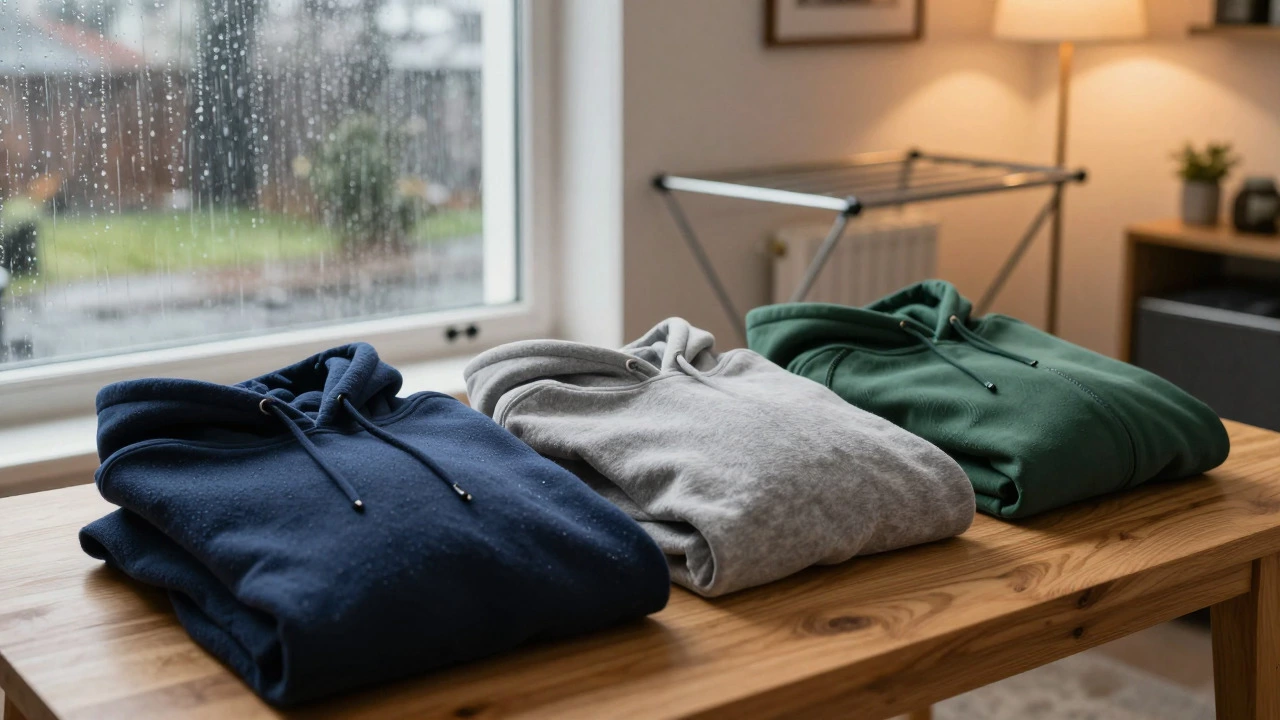
Cotton Fleece is the standard hoodie material, offering breathability and comfort but poor insulation when wet. This is your everyday driver. Brands like Jack Wills or local Irish brands like Gorman often produce stylish versions. Keep 2-3 of these in neutral colors like navy, grey, or forest green.
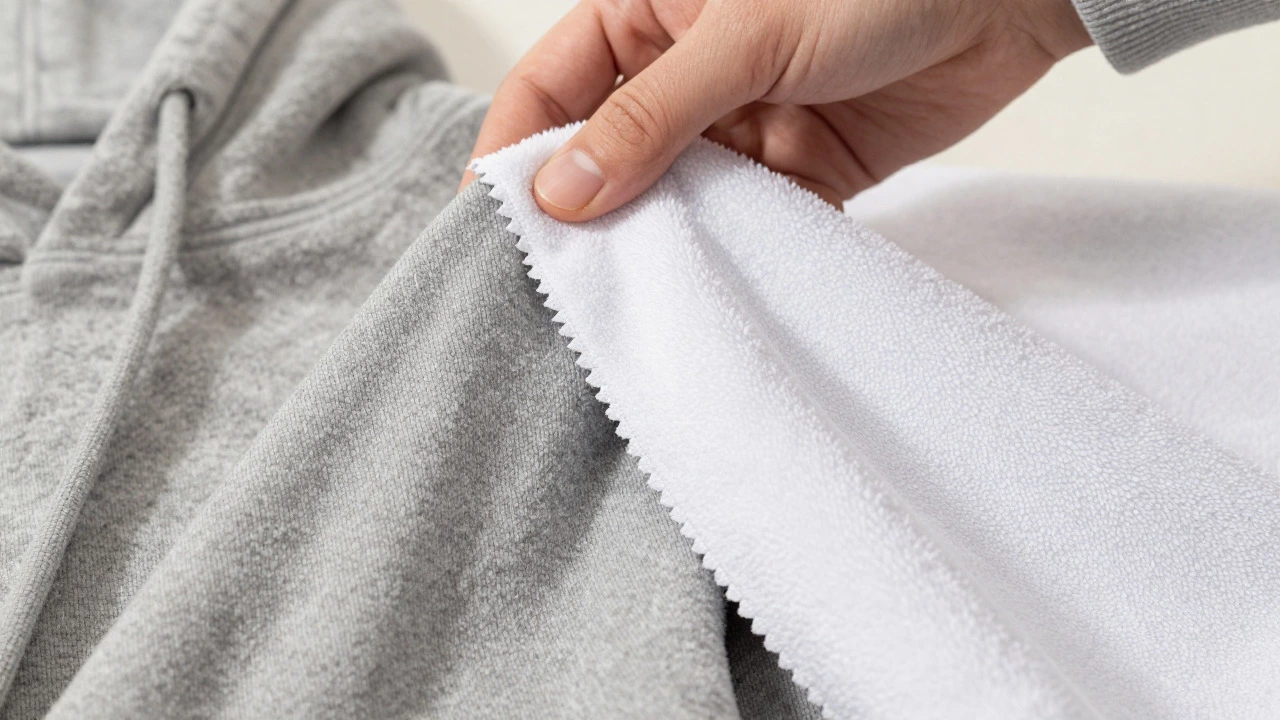
French Terry is a lighter, looped-back cotton fabric that is less bulky and dries faster than fleece. This is perfect for spring and autumn in Ireland, when the temperature hovers around 12°C. It looks sharper and is suitable for casual Friday offices in cities like Cork or Galway.
Technical Synthetic / Fleece-Lined is made from polyester blends designed to wick moisture and retain heat even when damp. For anyone who spends time outdoors-whether hiking the Wicklow Mountains or walking dogs along the Liffey-you need at least one of these. They dry overnight and resist odors better than cotton.
Avoid thin, oversized "streetwear" hoodies made of lightweight jersey if you plan to wear them as mid-layers. They offer zero protection against the wind that sweeps off the Atlantic. Instead, look for hoodies with a slightly tighter weave or a brushed interior.
Local Shopping and Sustainability in Ireland
Where do you find these essentials? Ireland has seen a boom in local apparel brands that prioritize quality and durability, which aligns with the goal of owning fewer, better things.
For instance, Katharine Hooker is an Irish brand known for durable, ethically made basics including high-quality hoodies. Their pieces are designed to last years, not seasons. Similarly, Gorman, founded in Westport, County Mayo, offers vibrant patterns that break the monotony of grey Irish skies. Investing in one or two statement pieces from local designers ensures you stay warm while supporting the domestic economy.
If you are on a budget, charity shops (op-shops) in towns like Dingle or Waterford are goldmines for high-quality second-hand hoodies. Look for brands like Patagonia or North Face, which are common in Irish resale markets due to the popularity of outdoor activities. These technical hoodies often cost a fraction of the retail price and perform exceptionally well in wet conditions.
Sustainability is also a key factor. The fast-fashion model encourages buying ten cheap hoodies that pill after three washes. By sticking to the 3-5 rule and choosing higher-quality materials, you reduce waste. Remember, a hoodie that lasts five years is cheaper per wear than one that lasts six months.
Maintenance Tips for Irish Homes
Keeping your hoodies in good condition requires adapting to Irish home realities. Here are some practical tips:
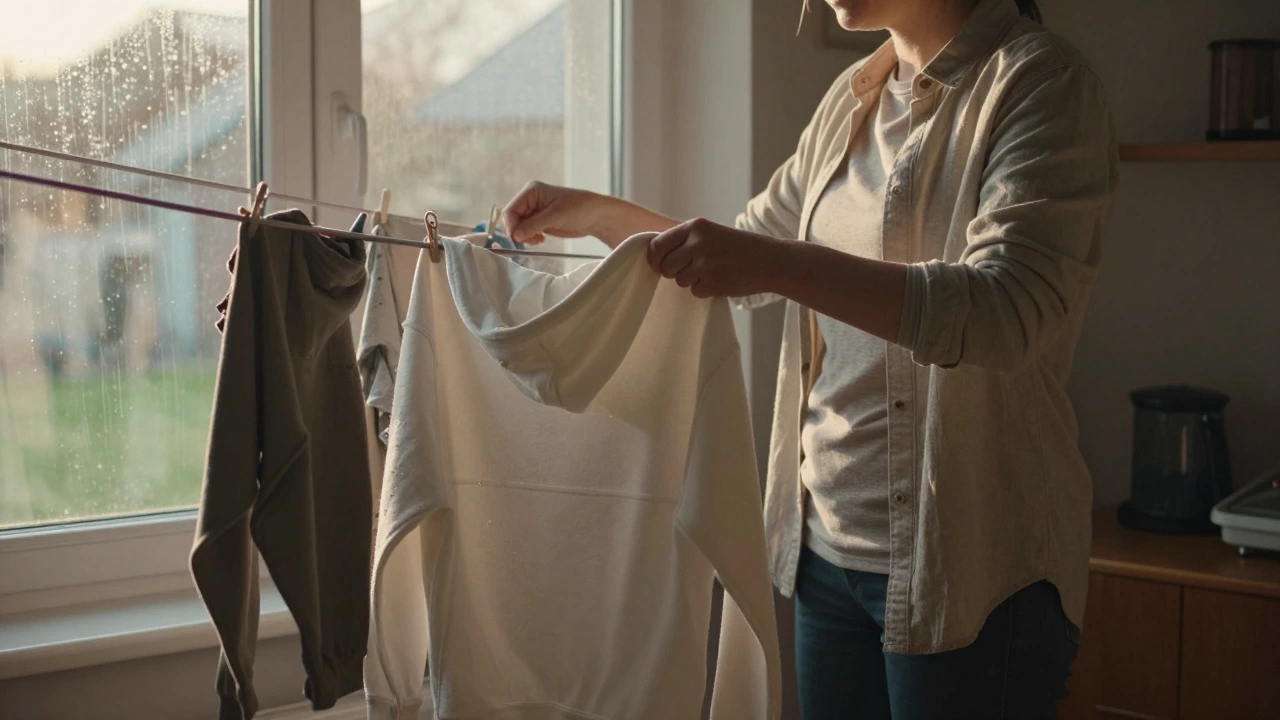
- Air Dry Whenever Possible: Tumble dryers shrink cotton aggressively. Hang your hoodies on a sturdy rack away from direct radiators. In summer, use the garden; in winter, use a heated airer near a window with ventilation to prevent mold.
- Wash Cold: Use 30°C cycles. Hot water breaks down elastic fibers in the cuffs and hem, leading to baggy sleeves. Irish water hardness varies by region (softer in the west, harder in the east), so consider using a water softener tablet if you notice residue buildup.
- Turn Inside Out: This protects the outer print or color from fading during washing. It also helps remove lint and pet hair, which is useful if you have a dog-a common companion for Irish walkers.
- Spot Clean Stains Immediately: Mud from rainy walks or coffee spills from pub visits can set permanently if left untreated. Use a mild stain remover before machine washing.
Conclusion: Quality Over Quantity
So, back to the original question: How many hoodies should you own? If you live in Ireland, aim for four. Two comfortable cotton fleece hoodies for daily wear, one lighter French Terry for milder days, and one technical synthetic for wet or active days. This combination covers every weather scenario from sunny May bank holidays to stormy January evenings. It respects your laundry time, your budget, and the environment. Stop buying more and start curating better. Your closet-and your warmth-will thank you.
Can I wear a hoodie as an outer layer in Ireland?
Generally, no. Unless it is a heavy, waxed canvas or waterproof technical hoodie, a standard cotton hoodie will soak up rain within minutes. In Ireland, it is best used as a mid-layer under a waterproof jacket or a wool coat. However, in dry spells during late spring or early autumn, a thick fleece hoodie can serve as an outer layer for short periods.
What is the best color for a hoodie in Ireland?
Neutral colors like charcoal grey, navy blue, olive green, and black are most practical. They hide dirt and mud from rainy commutes better than white or light pastels. Additionally, these colors match easily with other common Irish wardrobe staples like denim jackets and chinos.
How often should I wash my hoodie?
If worn as a mid-layer over a base shirt, you can wear a hoodie 3-4 times before washing. If worn directly against the skin, wash it after every 1-2 wears. Over-washing damages the fabric and elastic, so air it out between uses to extend its life.
Are Irish-made hoodies worth the extra cost?
Yes, if you value durability and ethical production. Brands like Gorman or Katharine Hooker use higher-quality cotton blends that resist pilling and shrinking. While the upfront cost is higher than fast-fashion alternatives, the longevity means you replace them less often, saving money in the long run.
What should I wear under a hoodie in winter?
In Irish winters, layer a merino wool thermal top or a long-sleeved cotton t-shirt underneath. Merino wool provides excellent insulation even when damp and regulates body temperature effectively, preventing the clammy feeling associated with synthetic base layers.