12
What Is a Thick Warm Jacket Called in Ireland? The Real Names Behind the Coats That Survive Our Weather
Irish Coat Selector
Find Your Perfect Irish Winter Coat
Ireland's weather isn't just rainy—it's a constant battle against Atlantic winds. Select your needs to get the right coat recommendation.
Recommended Coat Type
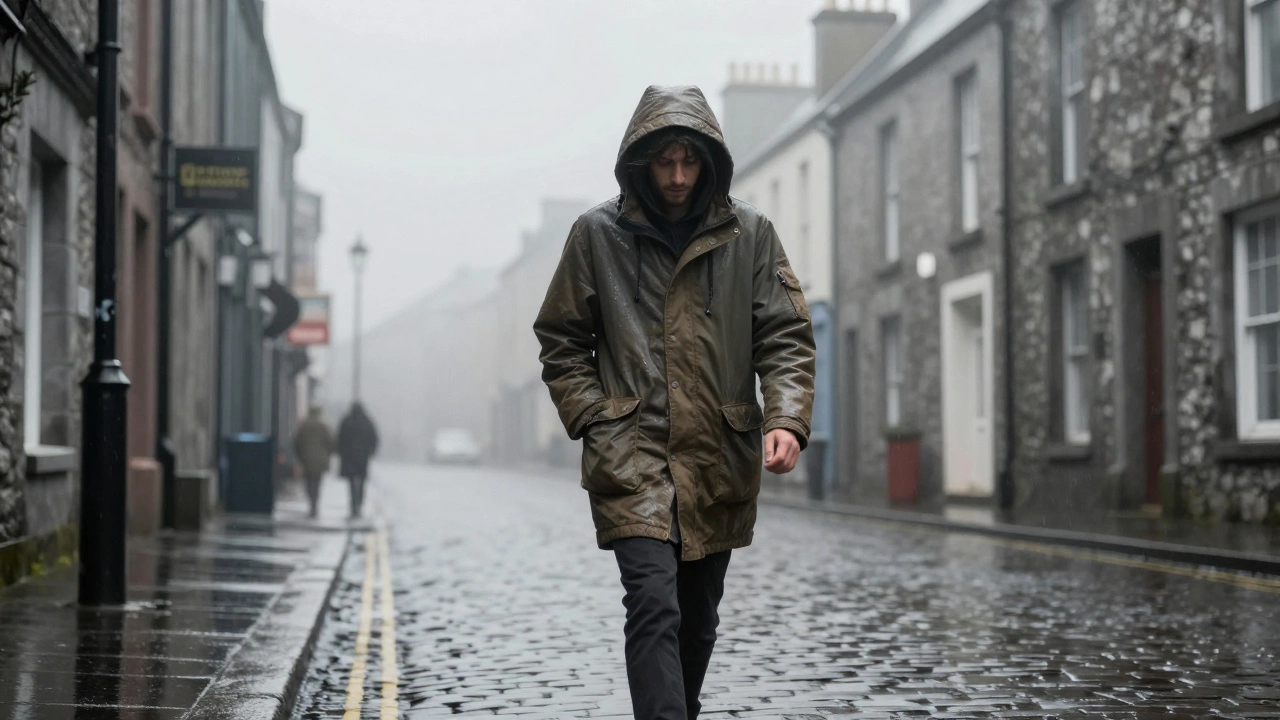
In Ireland, you don’t just buy a jacket-you survive one. The kind that laughs at drizzle, shrugs off Atlantic gales, and still keeps you warm when the wind cuts through Galway’s streets like a knife. So what do locals call that heavy, no-nonsense, all-day, all-season outer layer? It’s not just a ‘jacket.’ It’s a parka, a peacoat, or a thick wool coat-and if you’re from the west coast, you probably know which one you need by the time you’re ten years old.
What You Really Need When It Rains Every Other Day
Let’s be honest: Ireland doesn’t have seasons so much as variations of damp. Winter doesn’t bring snow-covered hills like in the Alps-it brings wind that howls off the Atlantic, soaking through layers before you’ve walked half a block from the bus stop in Cork or the train station in Sligo. A thin coat? Useless. A fashion-forward blazer? That’s how people catch colds. What you need is something built for real weather, not Instagram filters.
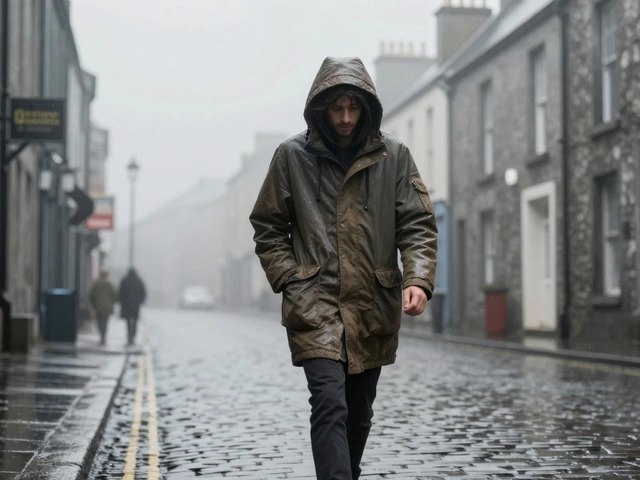
The most common answer you’ll hear from locals is a parka. Not the flashy, fur-trimmed kind you see in New York. We mean the practical, hooded, insulated parka with a water-repellent shell-like the ones from Barbour or Columbia sold at Decathlon in Limerick or Patagonia in Dublin’s Dundrum. These coats have adjustable hoods that stay put when the wind picks up, and deep pockets for your gloves, phone, and a half-eaten box of Tayto.
The Peacoat: Dublin’s Urban Warrior
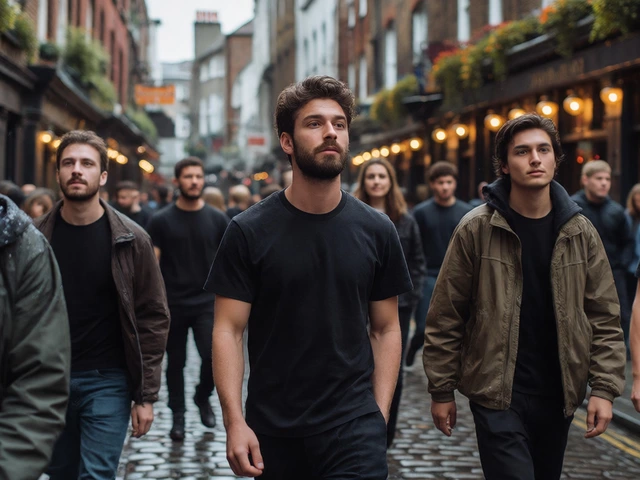
If you’re walking through Temple Bar on a Friday night or commuting from Dun Laoghaire to the city center, you’ll see a lot of people in peacoats. Made from thick, dense wool-often navy or charcoal-they’re short, structured, and surprisingly warm. They don’t cover your thighs, but they don’t need to. The double-breasted design traps heat, and the heavy buttons hold up against gusts that would blow a lighter coat inside out.
Brands like Barbour and John Smedley are common here, but you’ll also find vintage peacoats in second-hand shops like St. Vincent de Paul on South Circular Road or Salvation Army in Galway city. Many Irish people swear by a well-worn second-hand peacoat-it’s already broken in, smells like old pubs and rain, and cost €15. That’s the Irish way: practical, not pricey.
The Wool Coat: Rural Ireland’s Quiet Hero
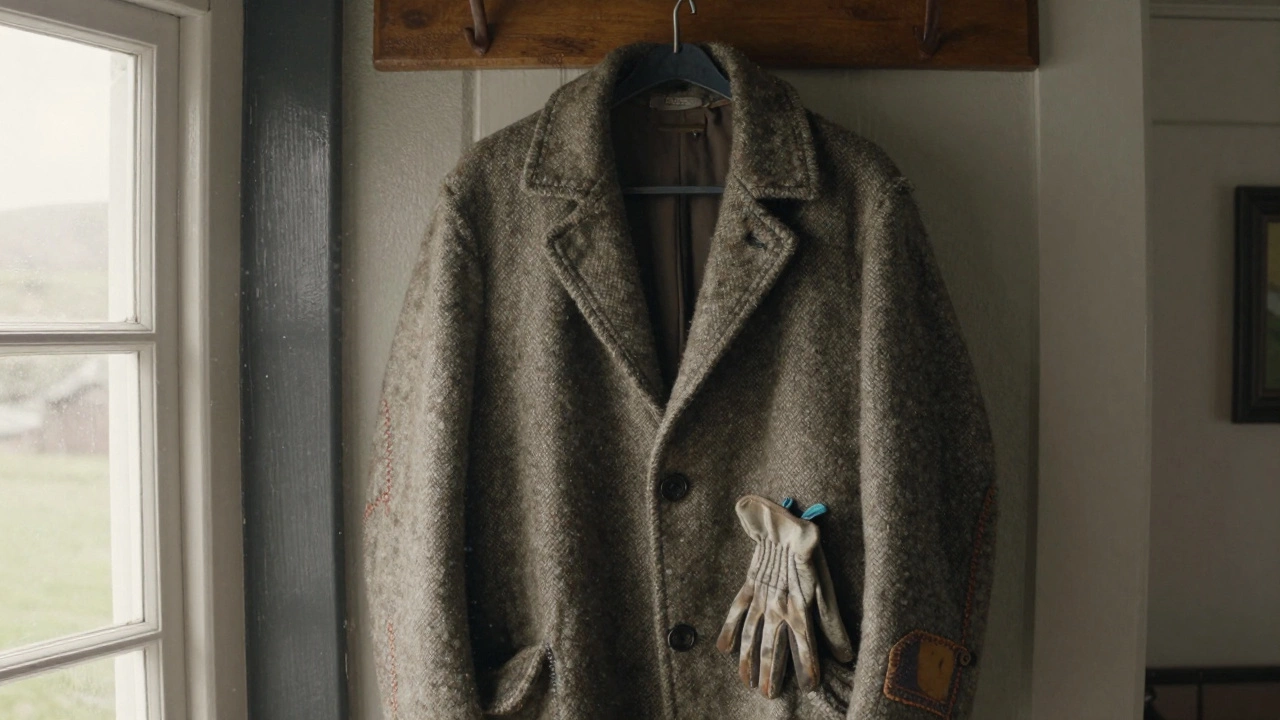
Head out to the Burren in County Clare or the Wicklow Mountains, and you’ll spot farmers, postmen, and fishermen in wool coats. These aren’t your thin, dry-clean-only office coats. These are heavy, full-length, often tweed or melton wool coats, sometimes lined with flannel. They’re made to last decades, and many are passed down from grandfathers to grandsons.
Irish wool has a reputation for a reason. The sheep here graze on salt-sprayed grasses near the coast, which gives the fleece a dense, water-resistant quality. Brands like Claddagh Wool and Galway Woolen Mills still weave coats in the traditional way, using looms that have been in the same family since the 1940s. A genuine Irish wool coat can cost €300, but if you take care of it, it’ll outlive your car.

Why ‘Winter Coat’ Isn’t Enough
Calling it a ‘winter coat’ is like calling a Guinness a ‘beer.’ It’s true, but it misses the soul. In Ireland, the right coat isn’t about fashion-it’s about function, heritage, and resilience. You don’t choose your coat based on trends. You choose it based on whether it’ll keep you dry on the 6:15 bus from Letterkenny to Derry, or whether it’ll survive a weekend hiking the Cliffs of Moher with your kids.
Look around any Irish town on a rainy Tuesday morning: the people in the right coat move faster. They don’t stop to shake off water. They don’t shiver at bus stops. They just keep walking. That’s the unspoken rule. The coat doesn’t just protect you-it lets you keep living your life, no matter what the sky throws at you.
What to Avoid
Don’t fall for the ‘water-resistant’ jackets sold in tourist shops near the Giant’s Causeway. They look nice in photos, but they’ll soak through in 20 minutes of real Irish rain. Same goes for synthetic puffer coats with thin linings-they trap heat poorly and collapse when wet. And please, don’t wear a lightweight trench coat unless you’re planning to stand in a dry foyer for three hours.
Also skip the ones with tiny hoods. If your hood doesn’t cover your ears and sit snug around your face, it’s not doing its job. You’ll know you’ve got the right one when you can turn your head in a gale and not feel a drop of water on your neck.
Where to Buy in Ireland
- Decathlon (Dublin, Cork, Limerick) - Best for affordable, functional parkas under €100
- Claddagh Wool (Galway) - Handmade Irish wool coats, custom-fit options
- Barbour (Dublin, Belfast, Galway) - Classic waxed and insulated coats
- St. Vincent de Paul (nationwide) - Vintage peacoats and wool coats for under €20
- Penneys (Primark) - Budget wool-blend coats for occasional use, but not for long winters
How to Care for Your Irish Coat
Wool coats shouldn’t be washed often. Brush off mud with a stiff brush. Let them air out after rain-never hang them in a hot room. Peacoats can be dry-cleaned once a year, but many Irish people just brush them with a damp cloth and hang them on a wooden hanger by the back door. Parkas? Wipe the shell with a sponge and mild soap. Never put them in the tumble dryer. If the hood lining frays, sew it back yourself. It’s not a repair-it’s a ritual.
Real Stories from Real Irish Coats
A friend from West Cork told me his father wore the same Barbour coat for 47 years. It had a patch on the elbow from a fence snag, and the zipper was replaced twice. He wore it to his wedding, to his daughter’s first communion, and to his own funeral. His son now wears it to feed the sheep on the family farm.
Another woman in Donegal bought a second-hand wool coat from a market in Ballybofey for €12. She wore it every day for 15 winters. When it finally wore thin, she took it to a local tailor who rewove the fabric using leftover wool from her grandmother’s sweater. It still hangs in her hallway-clean, worn, and proud.
That’s what a thick warm jacket means in Ireland. It’s not just fabric and insulation. It’s memory. It’s endurance. It’s the quiet pride of outlasting the weather.
What’s the best thick warm jacket for Irish winters?
The best jacket for Irish winters is a waterproof parka with a hood that fits snugly around your face, made from durable, wind-resistant material. Brands like Barbour and Columbia are popular, but a well-made Irish wool coat or a second-hand peacoat from a charity shop can be just as effective-and often more authentic. Look for wool content above 70%, a water-repellent outer shell, and a deep, adjustable hood.
Is a peacoat warm enough for Ireland?
Yes, if it’s made from thick, dense wool-like the classic double-breasted style. Peacoats are shorter, so they’re best for urban commuting or shorter trips. They won’t cover your thighs, but they trap heat well around the core. For long walks in the countryside or coastal walks in Connemara, pair it with a thermal layer underneath. Many Irish people wear peacoats in Dublin, Galway, and Cork during autumn and early winter.
Are wool coats worth the price in Ireland?
Absolutely. A genuine Irish wool coat from Galway Woolen Mills or Claddagh Wool costs €250-€400, but it lasts 20-30 years if cared for. Compare that to a €80 synthetic coat that wears out in three winters. The wool is naturally water-resistant, breathable, and insulating-even when wet. In a country where it rains 200+ days a year, that’s not luxury-it’s smart economics.
Can I wear a puffer jacket in Ireland?
You can, but not as your main coat. Lightweight puffers are fine for short trips or if you’re indoors most of the day. But they don’t handle wind well, and if they get wet, they lose insulation. For daily life in Ireland-especially in the west or north-you need something that sheds rain and blocks wind. A heavy-duty parka or wool coat is the real choice.
Where can I find a vintage Irish wool coat?
Check local charity shops like St. Vincent de Paul, Salvation Army, or smaller vintage stores in Galway, Limerick, or Kilkenny. Look for coats with wool tags, button closures (not zippers), and a heavy feel. Many were made in Ireland between the 1950s and 1980s. If the coat smells faintly of peat smoke or sea air, you’ve found a keeper.
If you’ve ever stood in the rain at the ferry terminal in Rosslare, waiting for the boat to England, or trudged home from the pub in Doolin after a session of fiddles and whiskey, you know this: the right coat doesn’t just keep you warm. It lets you keep going. And in Ireland, going is everything.