21
How Long Should Leather Shoes Last in Ireland? A Practical Guide
Leather Shoe Repair vs. Replace Calculator (Ireland)
Determine if it's more cost-effective to resole your leather shoes or buy a new pair based on Irish market prices.
Analysis Result
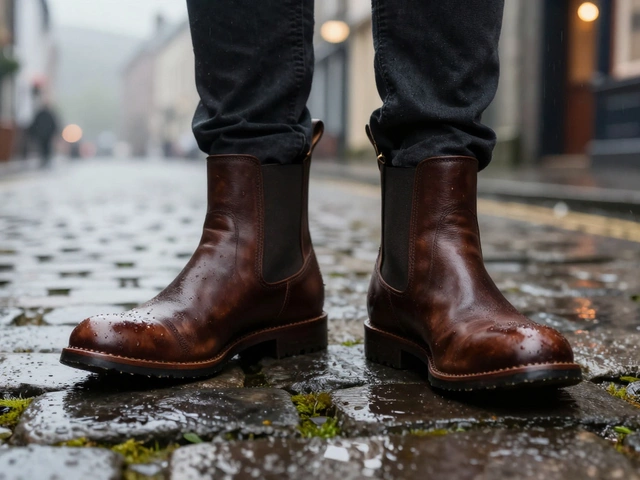
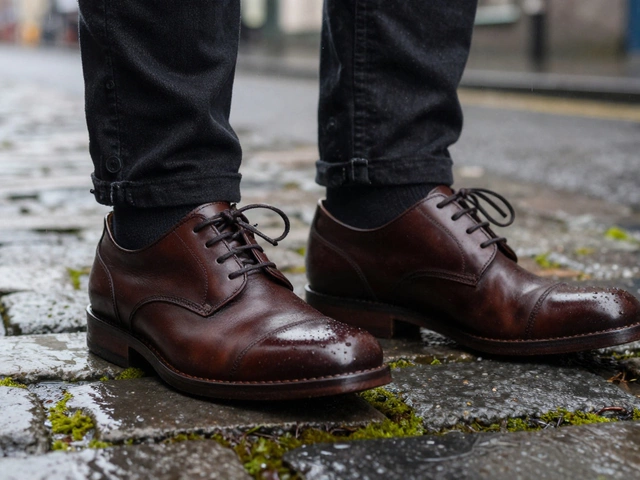
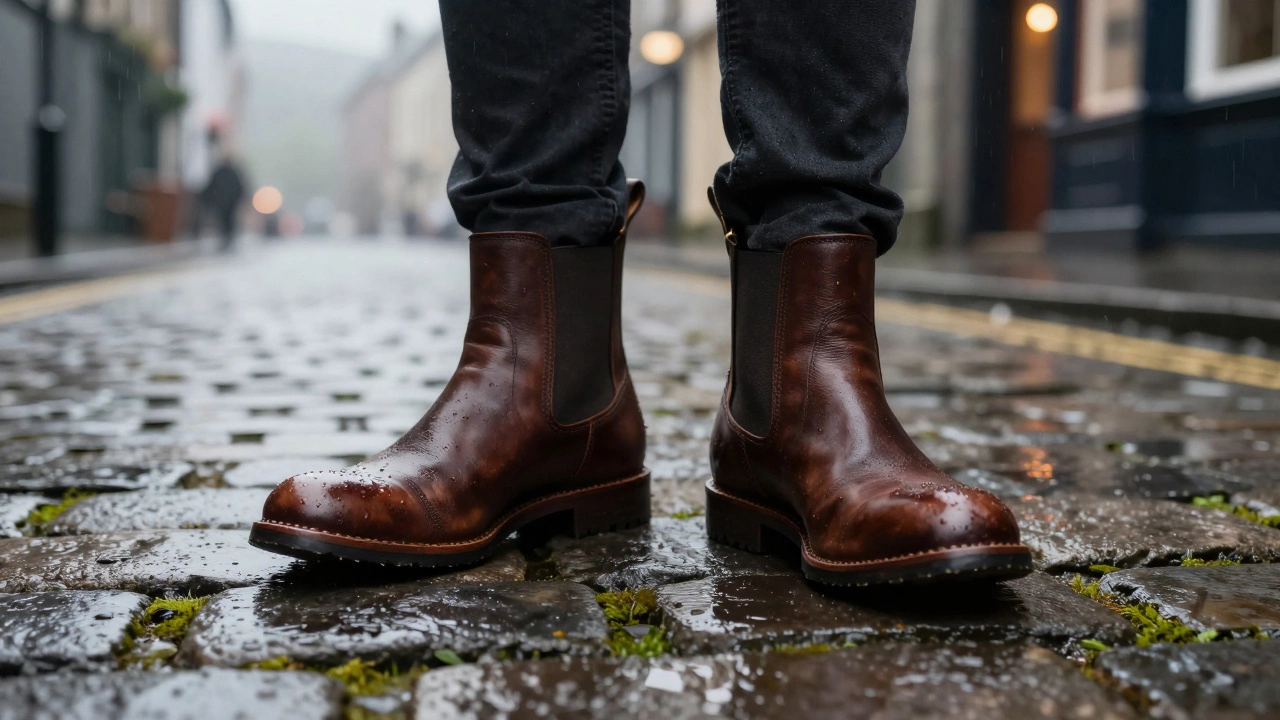
Walking down O'Connell Street in Dublin or navigating the cobbled lanes of Galway City, you’ve likely noticed that our weather is less about seasons and more about mood swings. One minute it’s a crisp, sunny day perfect for sandals; the next, it’s a relentless, sideways drizzle that soaks through anything not made of rubber. For anyone living here, the question isn't just "do I need waterproof boots?" but rather, "how long should my investment actually last?" If you are spending €150 to €400 on a pair of quality leather shoes, expecting them to survive a single Irish winter is a recipe for frustration.
The short answer? A well-made pair of leather shoes should last between three to five years with regular wear. However, in Ireland, where dampness is a constant adversary, that timeline can shrink dramatically if you ignore maintenance. Conversely, with proper care and occasional professional attention, those same shoes could easily serve you for a decade or more. It comes down to understanding the material, respecting the climate, and knowing when to call in the pros.
The Irish Climate vs. Your Leather
Leather is a natural material, essentially animal skin that has been tanned to preserve it. It breathes, which is great for your feet, but it also absorbs moisture. In Ireland, humidity levels often hover around 80% or higher. When leather gets wet and then dries out quickly-say, from walking into a warm pub after a rainy walk outside-it loses its natural oils. This causes the fibers to become brittle and crack. You’ve probably seen this happen: nice shoes bought in September looking like crumpled paper by February.
The type of leather matters immensely. Full-grain leather, the top layer of the hide, is the most durable and develops a patina over time. Suede, while stylish, is a nightmare in an Irish downpour unless heavily treated. Even then, it requires immediate brushing and cleaning after exposure to mud. If you live in coastal areas like Westport or Dingle, salt spray adds another layer of corrosion. Salt draws moisture out of leather aggressively, leading to white stains and rapid deterioration. Understanding these environmental factors is the first step in extending your shoe's life.
Signs Your Shoes Are Done
Not all wear is created equal. Some signs indicate simple cosmetic aging, while others signal structural failure. Knowing the difference helps you decide whether to repair or replace.
- Sole Separation: If the sole is peeling away from the upper part of the shoe, this is usually fixable. The glue has failed, or the stitching has come loose. This is common after heavy rain softens the adhesive.
- Heel Wear: Heels wearing down unevenly is normal. However, if the metal cap (the tap) is exposed or the heel block is crumbling, it’s time for a replacement. Ignoring this damages the floor of the shoe itself.
- Insole Collapse: The inside footbed compressing over time affects comfort. If your arch support is gone, the shoe may still look fine on the outside, but it’s no longer serving its ergonomic purpose.
- Irreparable Cracking: Deep cracks in the vamp (the front part of the shoe) that go through the grain cannot be fixed. Filling them temporarily might work, but they will continue to split.
- Stiffening: If the leather becomes rock-hard despite conditioning, the internal structure has degraded. No amount of oil will bring back the flexibility.
The Art of the Resole: Why It Matters in Ireland
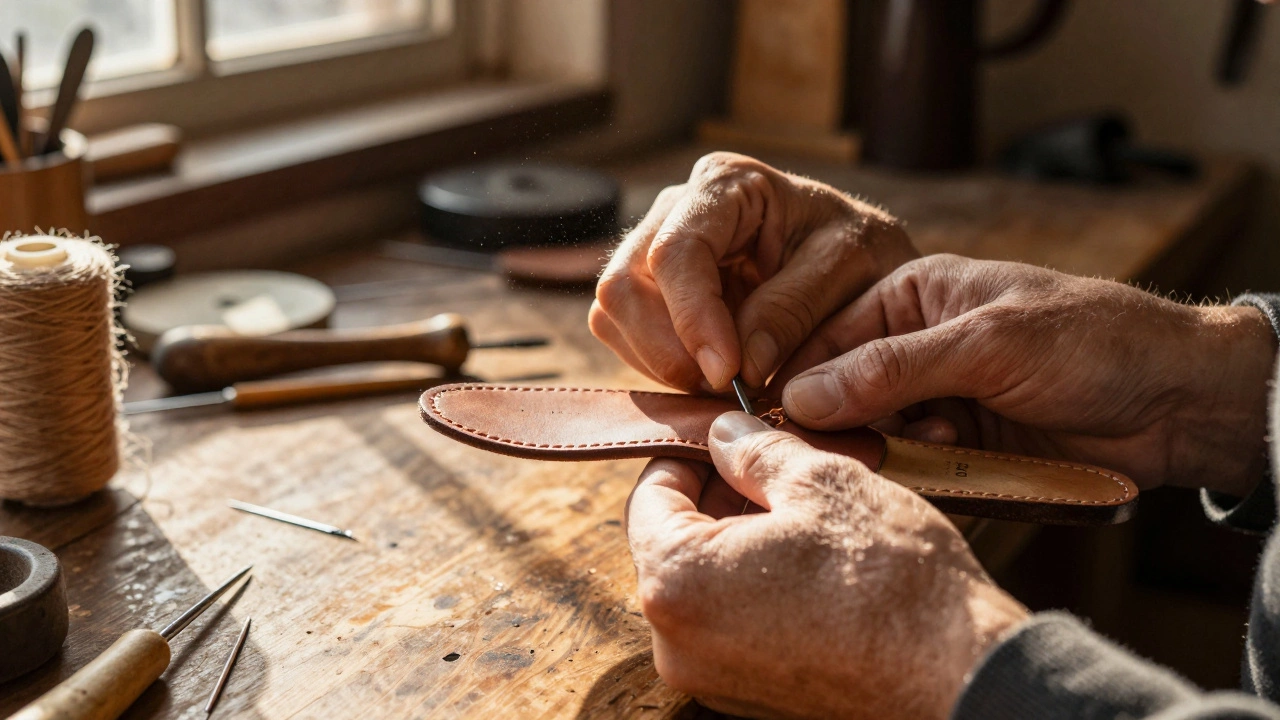
In many parts of the world, cheap fast fashion dominates. But in Ireland, there is a strong tradition of craftsmanship. Many local cobblers, particularly in towns like Kilkenny, Cork, and smaller villages across Connemara, offer resoling services. Resoling involves removing the worn-out sole and attaching a new one, often using a Goodyear welt construction method if the original shoe supports it. This process can extend the life of a shoe by several years.
A good resole costs between €60 and €120 depending on the complexity. Compare this to buying a new pair of mid-range shoes for €150+. If you have high-quality shoes with intact uppers, resoling is almost always the smarter financial choice. Plus, it supports local tradespeople who keep traditional skills alive. Look for a cobbler who uses cementless methods or hand-stitching for better durability against our wet conditions.
| Service/Item | Estimated Cost (€) | Lifespan Extension |
|---|---|---|
| Resole (Standard) | €60 - €90 | 2-3 Years |
| Resole (Goodyear Welt) | €90 - €120 | 3-5 Years |
| New Mid-Range Leather Shoes | €120 - €200 | 1-2 Years (with heavy wear) |
| High-End Bespoke Shoes | €400+ | 10+ Years (with maintenance) |
Daily Care Routine for Irish Weather
You don’t need to be a shoemaker to keep your footwear in shape. A simple routine makes a massive difference. Start by keeping two pairs of shoes. Rotating them allows each pair to dry out completely overnight. Leather needs 24 hours to release absorbed moisture. Wearing the same pair two days in a row traps humidity inside, accelerating breakdown.
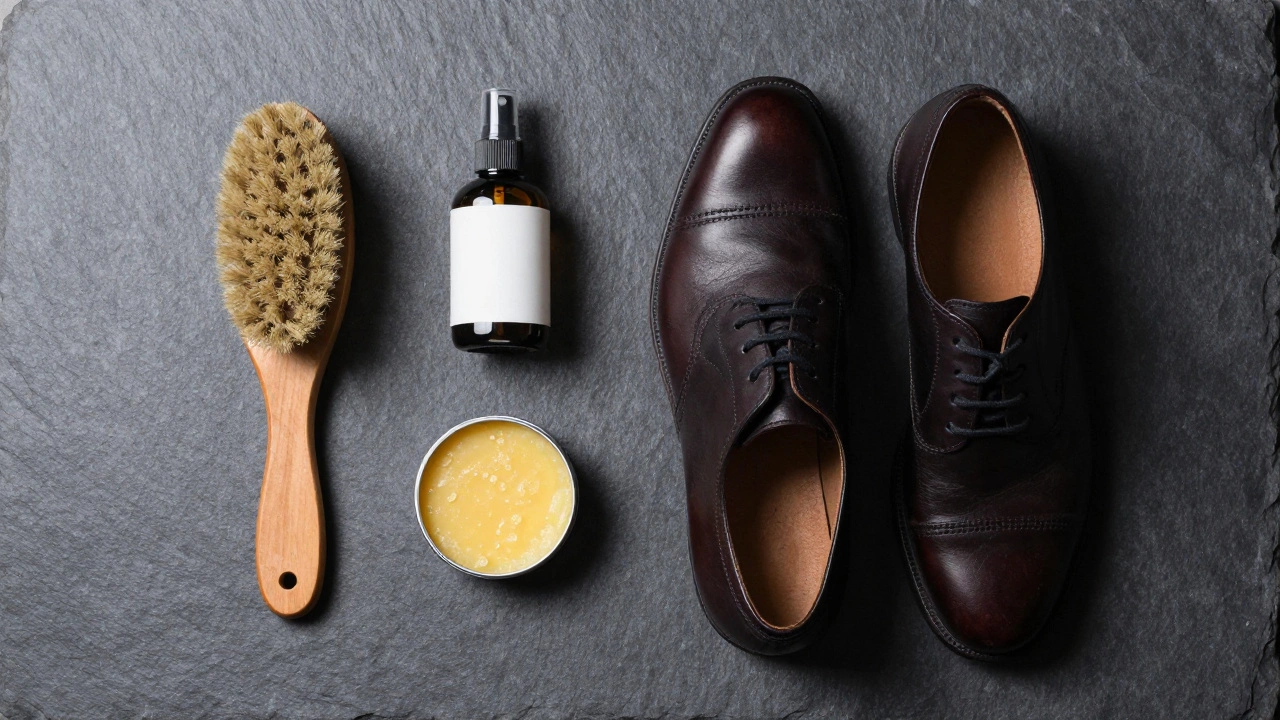
After every wear, use a horsehair brush to remove dirt and mud. Mud contains grit that acts like sandpaper on the leather surface. Then, apply a quality conditioner. Brands like Saphir Medaille d'Or are available in specialty stores in Dublin and online, but even local brands found in hardware stores can work if they contain beeswax or lanolin. Avoid silicone-based sprays that create a plastic-like barrier; they prevent the leather from breathing.
For water resistance, use a wax-based protector. Apply it generously before the rainy season starts. Reapply every month during peak winter. Remember, no treatment is truly waterproof, but they are water-repellent. They buy you time, not invincibility.
Choosing the Right Cobbler
Finding a reliable cobbler is crucial. In cities like Dublin, Belfast, and Cork, there are established shops with decades of history. In rural areas, word-of-mouth is your best tool. Ask at local post offices or community centers. A good cobbler will inspect the shoe honestly. If they tell you the damage is too extensive to repair economically, trust them. They lose money doing bad repairs, so their advice is usually sound.
Check if they offer both glue-on and stitch-down repairs. Stitch-down is superior for longevity. Also, ask about turnaround times. During busy periods, especially before Christmas or wedding season, appointments can book out weeks in advance. Plan ahead.
When to Let Go
Eventually, every shoe reaches its end. If the upper leather is severely cracked, stained beyond cleaning, or structurally unsound, it’s time to retire them. Don’t throw them in the bin. Many charity shops in Ireland accept gently used shoes. Alternatively, some recycling programs exist for textiles and leather goods. Embracing a circular economy mindset aligns with growing sustainability efforts across the country.
Investing in fewer, higher-quality pairs and maintaining them properly is not just economical; it’s respectful to the craft. In a culture that values heritage and practicality, taking care of your belongings reflects a deeper appreciation for quality over quantity. So, lace up, treat them right, and let your shoes walk with you for years to come.
How often should I condition my leather shoes in Ireland?
In Ireland's humid climate, condition your leather shoes every 4-6 weeks during winter and every 2-3 months in summer. More frequent application is needed if you walk in rain regularly. Over-conditioning can soften the leather too much, so stick to a moderate schedule.
Can I wear leather shoes every day in Dublin?
It's not recommended to wear the same pair daily. Rotate between at least two pairs to allow them to dry out fully. Constant wear without rest leads to faster deterioration of the insole and upper leather due to trapped sweat and moisture.
What is the best way to clean muddy leather shoes?
Let the mud dry completely first. Then, use a stiff brush to knock off the dried clumps. Wipe with a damp cloth and mild soap if necessary. Never wipe wet mud, as it pushes dirt deeper into the pores. Finish with a conditioner to restore oils lost during cleaning.
Is it worth resoling old leather shoes?
Yes, if the upper leather is still in good condition. Resoling costs €60-€120 and can add 2-5 years to the shoe's life. It is far cheaper than buying new high-quality shoes and supports local craftsmanship. Check with a reputable cobbler for an assessment.
How do I protect leather shoes from salt stains?
Apply a wax-based waterproofing spray before wearing them in winter. If salt stains appear, mix equal parts water and white vinegar, dab gently on the stain, then wipe clean. Follow up immediately with a leather conditioner to prevent drying.