26
Should You Wash Jackets Often? A Practical Guide for Irish Weather
Irish Weather Jacket Care Advisor
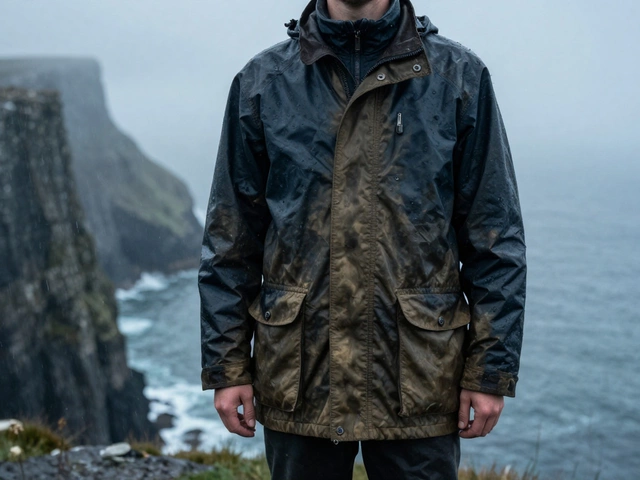
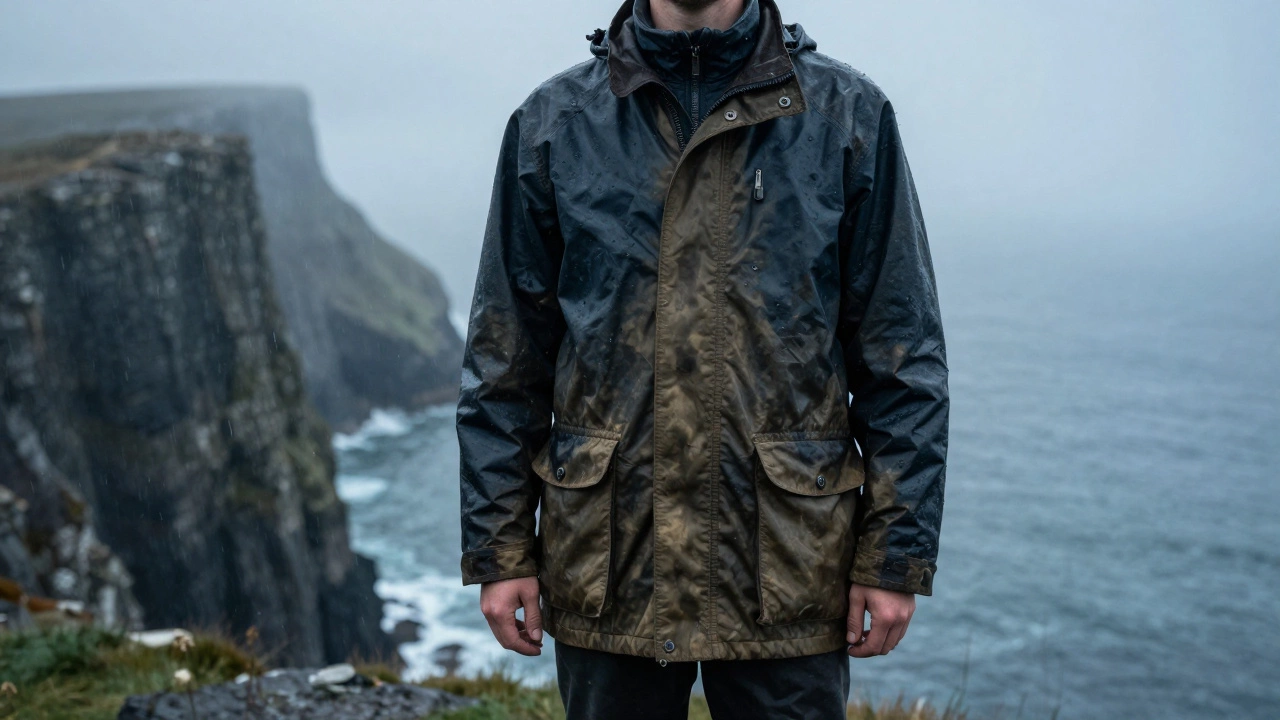
Living in Ireland, your jacket is not just a fashion statement; it is your primary shield against the elements. Between the Atlantic gales sweeping down from Galway Bay and the persistent drizzle that seems to follow you from Dublin to Cork, your outerwear takes a beating. But here is the dilemma: do you toss it in the machine after every muddy walk in Phoenix Park, or do you hang it up and hope for the best? The answer isn’t simple, and washing too often can actually ruin the very features that keep you dry and warm.
The Hidden Cost of Over-Washing
We tend to think of cleanliness as purely visual. If it looks dirty, wash it. But with technical fabrics and natural materials, frequent washing is often the enemy of longevity. Every time you agitate fabric in a washing machine, you are causing micro-abrasions. For a synthetic shell, this breaks down the durable water repellent (DWR) coating faster than rain ever could. For wool or leather, it strips away natural oils, leading to shrinkage, stiffness, or cracking.
Consider the typical Irish wardrobe staple: the waxed cotton jacket. Brands like Barbour are practically uniform here. If you put a waxed jacket in a standard wash cycle, you will strip the wax entirely. It won't be clean; it will be ruined. These items require re-waxing, a process that involves heating beeswax and rubbing it into the fabric-a traditional skill still practiced by specialists across the country, from Belfast to Limerick. Washing these garments regularly defeats their purpose.
Even modern waterproofs suffer. Membranes like Gore-Tex rely on microscopic pores to breathe while blocking water. Dirt and body oils clog these pores over time. However, aggressive detergents and fabric softeners-common in many Irish households-leave residues that seal those pores shut. You end up with a jacket that feels clammy inside and leaks outside, not because the technology failed, but because the cleaning method was wrong.
When to Wash and When to Air Out
So, when should you actually wash your jacket? The rule of thumb is simple: wash it when it smells, when it looks visibly soiled, or when it stops repelling water effectively. For most people in Ireland, this means washing a heavy winter coat once or twice a season, not after every wear.
- Air it out: After a damp day walking the Cliffs of Moher or commuting through rainy Dublin traffic, hang your jacket in a well-ventilated area. Let the moisture evaporate naturally. This prevents mildew, which is a real risk in our humid climate.
- Spot clean stains: Use a damp cloth and a mild soap solution for small spills. Blot, don't rub. This removes surface dirt without subjecting the whole garment to mechanical stress.
- Brush off mud: If you've been hiking in Wicklow Mountains, let mud dry completely before brushing it off. Wet mud acts like sandpaper if you try to scrub it immediately.
If your jacket has a distinct odor despite airing out, it’s time for a full wash. But choose the right method based on the material. Not all jackets are created equal, and treating a puffer jacket like a denim one will lead to disappointment.
Caring for Technical Waterproofs
Waterproof shells are essential for Ireland’s unpredictable weather. To maintain their performance, follow these steps:
- Check the label: Most technical jackets recommend washing at 30°C or 40°C. Cold water doesn't remove oils effectively; hot water damages membranes.
- Use specialist detergent: Avoid standard laundry liquids. Products like Nikwax Tech Wash are designed to clean without leaving residue. They are widely available in outdoor stores from REI equivalents like Decathlon in Dublin to local outfitters in Kerry.
- No fabric softener: Never use fabric conditioner. It coats the fibers and blocks breathability.
- Rinse thoroughly: Run an extra rinse cycle to ensure all detergent is gone.
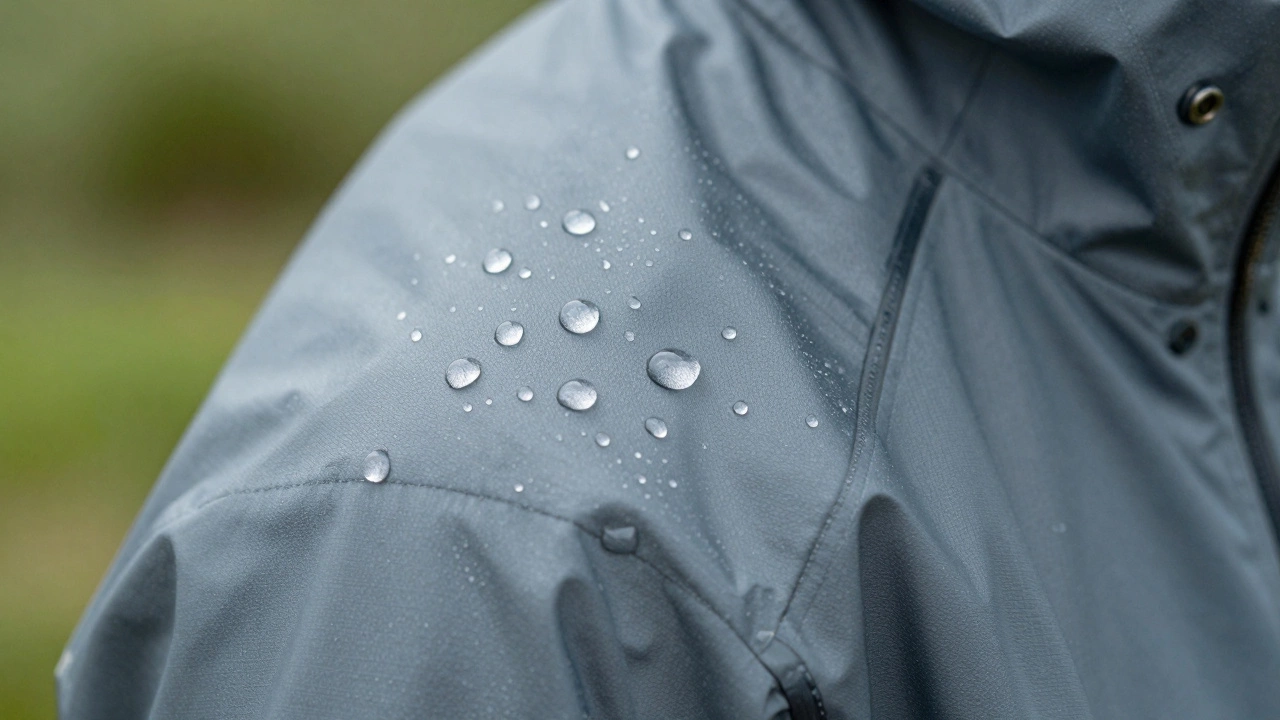
- Re-proof if needed: If water no longer beads up on the surface, apply a DWR treatment. Nikwax TX.Direct is a popular choice. You can spray it on or wash it in, depending on the product instructions.
After washing, tumble dry on a low heat setting if the label permits. The heat helps reactivate the DWR coating. If you must air dry, hang it in a warm room, away from direct sunlight which can degrade fabrics over time.
Maintaining Wool and Waxed Cotton
Natural fibers behave differently. Wool jackets, such as those made from Harris Tweed or local Irish mills, are naturally resistant to odors and wrinkles. They rarely need washing. Instead, they benefit from professional dry cleaning once a year or spot cleaning as needed. Brushing them with a clothes brush removes dust and restores the nap.
Waxed cotton requires even more care. As mentioned, never machine wash. Clean spots with a damp sponge and mild soap. If the jacket loses its water resistance, it needs re-waxing. You can buy wax kits online or visit specialized shops. In rural areas, some farmers still use traditional methods, applying wax with a hairdryer to ensure even coverage. This process restores the jacket's ability to shed rain, crucial for long days outdoors in Connemara or Donegal.
Leather and Suede Considerations
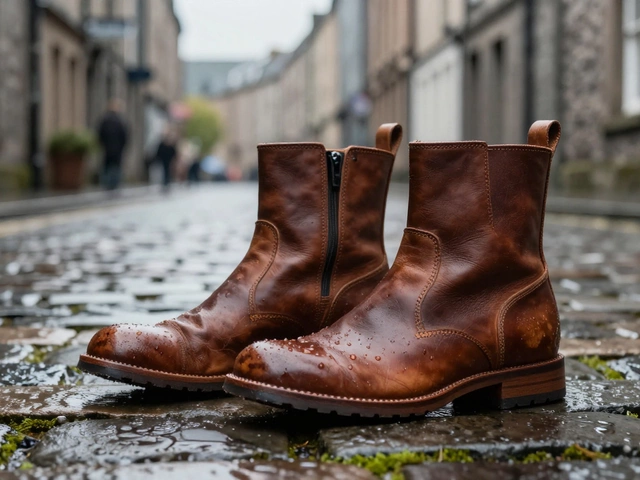
Leather jackets offer style and wind protection but are sensitive to moisture. Rain can stain leather if it isn't treated properly. After exposure to rain, wipe the jacket with a dry cloth and let it dry at room temperature. Never use a heater or radiator, as rapid drying causes cracks.
Condition leather every six months with a dedicated leather cream. This replenishes oils lost to environmental exposure. For suede, use a suede brush to lift the nap and a rubber eraser for scuffs. Professional cleaning is recommended for deep stains, especially for high-end pieces bought from boutiques on Grafton Street or Temple Bar.
| Material | Wash Frequency | Cleaning Method | Key Maintenance Tip |
|---|---|---|---|
| Waterproof Shell | Every 10-15 wears | Machine wash (30°C) | Use tech detergent; re-proof DWR |
| Wool | Once a year | Dry clean or spot clean | Brush regularly; store with cedar |
| Waxed Cotton | Never machine wash | Spot clean only | Re-wax annually |
| Leather | As needed | Professional clean | Condition every 6 months |
| Puffer/Down | Every 2-3 seasons | Machine wash (gentle) | Tumble dry low with tennis balls |
The Impact of Irish Water Hardness
An often-overlooked factor in Ireland is water hardness. In areas like Kilkenny or parts of Cork, tap water is hard, meaning it contains high levels of calcium and magnesium. Hard water reduces the effectiveness of detergents and leaves mineral deposits on fabrics. These deposits can stiffen textiles and reduce the lifespan of your jacket.
To combat this, consider using a water softener additive in your washing machine or installing a whole-house softener if you have one. Alternatively, use slightly more detergent than recommended for soft water, but always stick to technical-specific formulas to avoid residue buildup. Rinsing with white vinegar (half a cup in the final rinse) can help neutralize minerals and restore pH balance, though check compatibility with your specific jacket type first.
Storage Matters Too
How you store your jacket affects its condition between washes. Don't cram it into a cramped closet where it gets crushed. Hang it on a wide, padded hanger to maintain shoulder shape. For off-season storage, clean the jacket first to prevent attracting moths or trapping odors. Store in a breathable cotton bag, not plastic, which traps moisture and encourages mold growth-a particular concern in Ireland's damp basements and attics.
Keep jackets away from direct sunlight during storage, as UV rays fade colors and weaken fibers. If you live in a coastal area like Westport or Dingle, salt air can also degrade materials over time. Ensure your storage space is dry and well-ventilated.
Common Mistakes to Avoid
Many people make simple errors that shorten the life of their jackets. Here are the top pitfalls:
- Using bleach: Bleach damages almost all jacket materials, from weakening nylon to discoloring wool.
- Ironing directly: Never iron a waterproof jacket directly. If you must remove wrinkles, use a steamer or place a towel between the iron and the fabric on a low setting.
- Ignoring zippers: Close all zippers and Velcro tabs before washing. Open zippers can snag fabric, and Velcro hooks can pull threads from other parts of the jacket.
- Overloading the machine: Give your jacket room to move. An overloaded washer prevents proper cleaning and rinsing, leading to detergent residue.
By understanding your jacket's material and adapting your care routine to Ireland's unique climate, you can extend its life significantly. Proper care saves money in the long run and ensures you're always protected, whether you're braving a storm in the Burren or enjoying a sunny day in Killarney.
Can I wash my waterproof jacket in a regular washing machine?
Yes, but with precautions. Use a gentle cycle at 30°C or 40°C, close all zippers, and use a technical detergent like Nikwax Tech Wash. Avoid fabric softeners and bleach. After washing, tumble dry on low heat to reactivate the DWR coating if the label allows.
How often should I re-proof my waterproof jacket?
Re-proof your jacket when water stops beading on the surface and instead soaks in. In Ireland's wet climate, this might mean once a year for frequently worn jackets. Apply a DWR treatment after washing for best results.
Is it safe to dry clean a down-filled jacket?
Is it safe to dry clean a down-filled jacket?
Generally, no. Dry cleaning chemicals can damage the down feathers and reduce loft. Most down jackets are machine washable. Use a front-loading machine on a gentle cycle with a down-specific detergent. Tumble dry on low heat with clean tennis balls to restore fluffiness.
What should I do if my waxed jacket gets wet?
Let it dry naturally at room temperature. Do not use artificial heat sources like radiators or hairdryers, as this can cause the wax to melt unevenly or crack. Once dry, check for signs of wear and re-wax if necessary.
Does hard water in Ireland affect my jacket's durability?
Yes, hard water can leave mineral deposits that stiffen fabrics and reduce detergent efficiency. Use a water softener or add white vinegar to the rinse cycle to mitigate this effect, ensuring thorough rinsing to prevent residue buildup.