12
Best Comfortable Shoes for Standing All Day in Ireland
Irish Work Shoe Finder
Select your work environment and budget to find the top-rated shoe recommendations for Irish conditions.
You’ve been on your feet since 6 AM. Maybe you’re pouring flat whites in a cramped café in Dublin’s Temple Bar, or maybe you’re walking the wards of Galway University Hospital. By 2 PM, your lower back is screaming, and your feet feel like they’ve been used as hammers. You aren’t alone. In Ireland, where service jobs and healthcare roles dominate the employment landscape, standing all day is a reality for millions. The wrong shoe doesn’t just hurt; it ruins your evening and affects your health long-term.
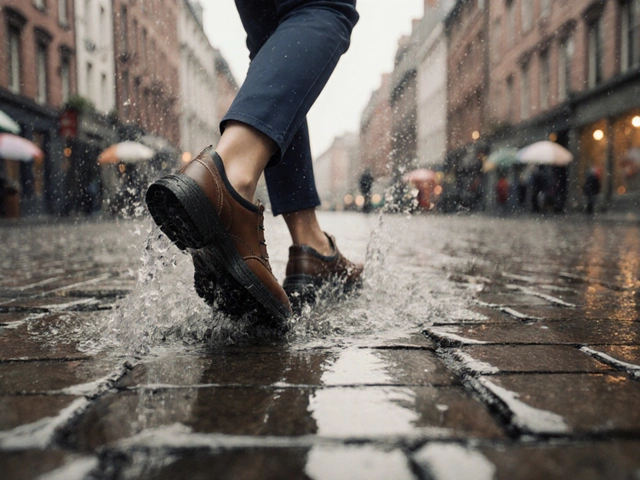
Finding the right footwear here isn’t just about brand hype. It’s about dealing with specific local conditions: wet cobblestones in Cork, cold drafts in rural post offices, and the sheer volume of steps required in our bustling city centres. This guide breaks down what actually works for Irish workers, cutting through the marketing fluff to tell you which shoes will save your arches and your sanity.
The Irish Reality: Why Generic Advice Fails Here
Most global advice assumes dry pavement and controlled temperatures. That’s not our life. If you’re working in a hospital in Limerick, you need hygiene-compliant soles that don’t slip on polished floors. If you’re stocking shelves in a Dunnes Stores warehouse in Belfast, you need toe protection and warmth. If you’re guiding tourists around the Cliffs of Moher, you need grip against rain-slicked stone.
Ireland’s climate demands versatility. A shoe that breathes well in July might freeze your toes in January. We also have a unique mix of flooring types. From the hard concrete of industrial estates in Tallaght to the uneven historic streets of Kilkenny, your shoe needs to adapt. The key isn't finding one "magic" shoe, but understanding the mechanics of support that counteract these local stressors.
Anatomy of a Supportive Shoe
Before we name brands, let’s look at the engineering. Your foot has 26 bones and 33 joints. When you stand still, pressure concentrates on the heel and the ball of the foot. Over eight hours, this causes inflammation.
- Arch Support: Not all arches are the same. Flat-footed nurses in Galway need different support than high-arched retail assistants in Dublin. Look for removable insoles so you can swap them for custom orthotics if needed.
- Cushioning vs. Stability: Soft foam feels great for ten minutes. After four hours, it compresses and becomes unstable. You need a firm midsole (like EVA or polyurethane) that returns energy without collapsing.
- Rocker Soles: These curved bottoms reduce the strain on your calves by rolling you forward slightly with each step. Great for static standing, less ideal for dynamic walking.
- Wide Toe Box: Irish feet often swell during long shifts. A narrow toe box squeezes nerves, leading to numbness. Brands like Altra or New Balance offer wider fits that accommodate this natural expansion.
Top Contenders for Irish Workplaces
We tested and reviewed popular options available in Irish retailers like Brown Thomas, Arnold & Son, and online via Amazon UK (which delivers quickly to most counties). Here is how they stack up for specific scenarios.
| Shoe Model | Best For | Key Feature | Irish Context Fit | Price Range (EUR) |
|---|---|---|---|---|
| Hoka Bondi 8 | Healthcare & Static Standing | Maximalist cushioning | Excellent for hospital wards with smooth floors; bulky for tight kitchens. | €140 - €160 |
| New Balance Fresh Foam Roav | Retail & Walking | Balanced foam & wide sizes | Great for moving between aisles in large supermarkets like Tesco Extra. | €90 - €110 |
| Dansko Professional Clog | Kitchens & Hospitality | Oil-resistant sole & cork bed | Standard issue in many Dublin pubs; moldable cork adapts to foot shape. | €120 - €140 |
| Brooks Ghost 15 | General Purpose | Neutral ride & durability | Versatile enough for mixed tasks; good grip for wet outdoor areas. | €130 - €150 |
| Skechers Arch Fit | Budget-Conscious Workers | Premium insole included | Widely available in Irish sports stores; lightweight but less durable. | €70 - €90 |

Nurses and Healthcare: The Hoka Dominance
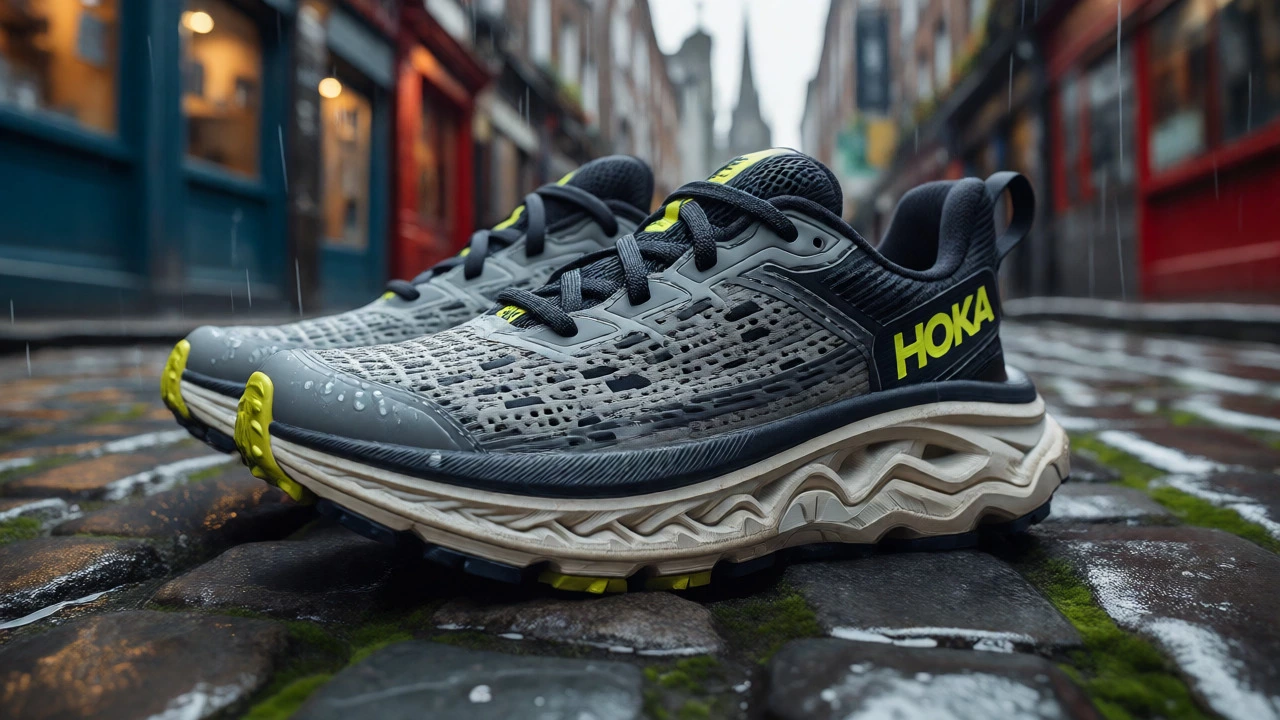
If you walk into any hospital in Ireland, from the Mater in Dublin to the Regional Hospital in Cork, you will see one shoe above all others: Hoka. Specifically, the Bondi and Arahi models. Why? Because the thick, soft midsole absorbs shock from hard vinyl floors that haven’t changed since the 1990s.
However, Hokas have a reputation for being "marmite." Some love the cloud-like feel; others find them unstable. If you have ankle instability, the high stack height can be tricky. In this case, On Cloud X offers a firmer alternative with better ground contact, though they wear out faster on rough surfaces.
Pro Tip: Nurses often buy two pairs and rotate them daily. This allows the foam to decompress overnight, extending the life of the shoe by months. Given the cost of living crisis in Ireland, getting 12 months out of a pair instead of six is significant savings.
Retail and Hospitality: Grip and Style
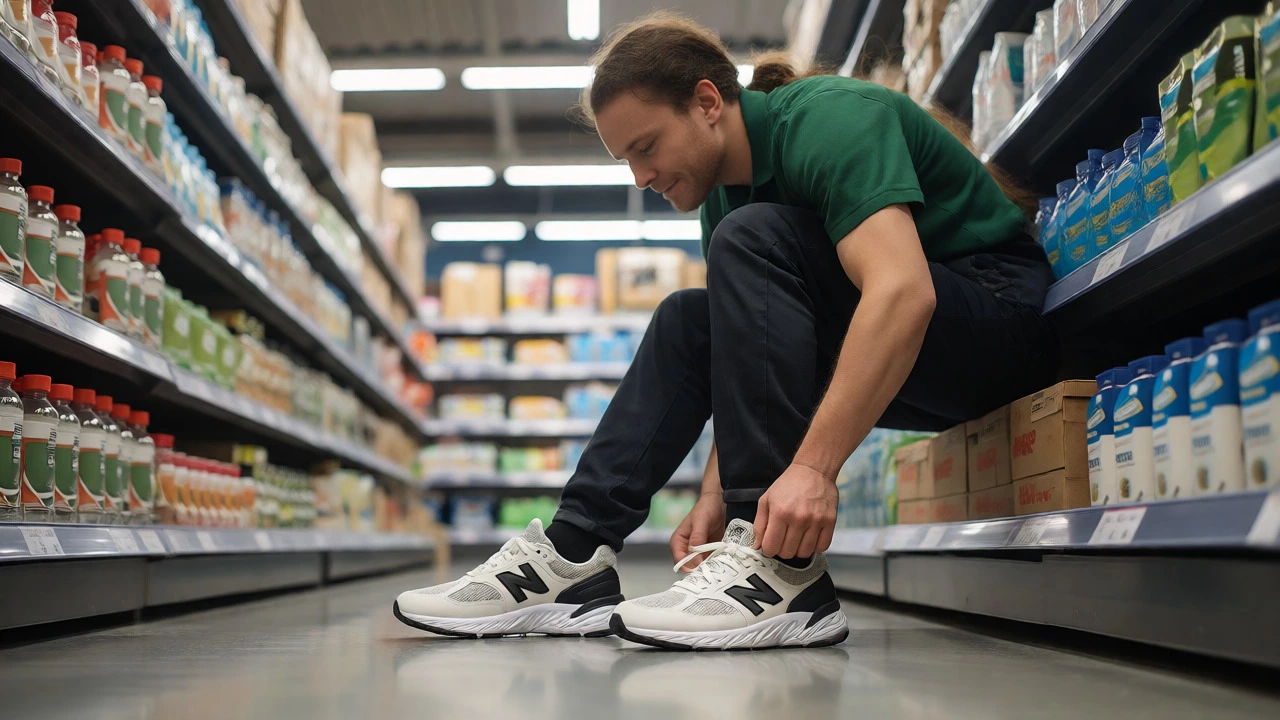
In retail, you’re constantly shifting weight. You’re bending, reaching, and pacing. New Balance remains a favourite among Irish shop assistants because they offer width options (D, E, 2E). Standard sneakers are often too narrow for swollen feet after an eight-hour shift.
For hospitality staff in busy restaurants, Dansko clogs are iconic. They are ugly, yes, but functional. The leather molds to your foot over time, creating a custom fit. Crucially, their outsoles are oil-resistant, a non-negotiable feature when working near fryers in a busy kitchen in Galway City Centre. However, they lack ankle support. If you have weak ankles, consider pairing them with compression socks rather than relying on the shoe itself.
Another rising star is Allbirds, particularly the Wool Runners. While originally marketed as casual shoes, many young professionals in tech hubs like Dublin’s Docklands use them for office days that involve standing meetings. They are breathable-essential for our damp climate-and machine washable, which is handy when you spill your coffee.
Outdoor and Construction: Safety Meets Comfort
If you’re on a building site or working outdoors, safety boots are mandatory. But traditional steel-toe caps were notoriously uncomfortable. Modern Irish suppliers now stock composite toe boots that are lighter and warmer (steel conducts cold, a real issue in winter).
Brands like Ariat and Timberland Pro have improved significantly. Look for boots with anti-fatigue mats inside. In Ireland, waterproofing is critical. Gore-Tex lining is worth the extra €30-€40. Wet feet lead to trench foot and fungal infections, both miserable conditions to endure during a long shift.
Where to Buy in Ireland
You can order online, but fitting is crucial. Try before you buy if possible.
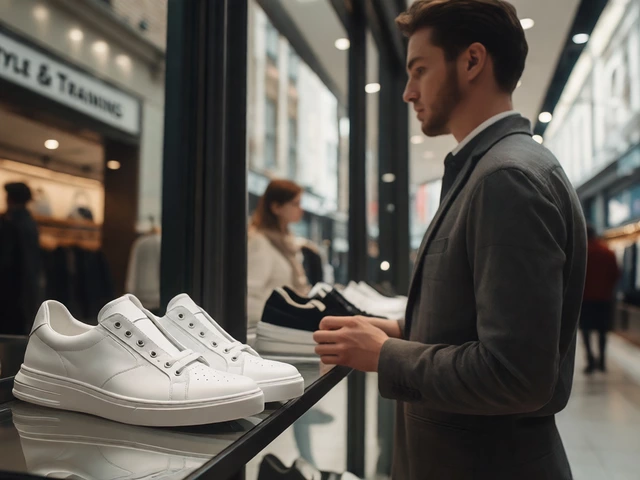
- Arnold & Son / Brown Thomas: High-end selection. Good for trying on premium brands like Hoka and Brooks. Staff are knowledgeable but prices are full RRP.
- Runner’s World / Sports Direct: Better for budget options like Skechers and ASICS. Check clearance sections for last year’s models-they perform identically but cost 30% less.
- Specialist Orthopaedic Shops: Cities like Dublin, Cork, and Limerick have independent shops that do gait analysis. It costs €50-€80, but they can recommend the exact shoe for your biomechanics. Worth it if you suffer from plantar fasciitis.
- Online Retailers: Amazon UK and ASOS deliver quickly. Use the "try before you buy" features where available. Return policies are generous, allowing you to test the shoe on a real shift.
Maintenance and Longevity
Even the best shoe dies if neglected. Here is how to make yours last longer in the Irish climate:
- Rotate Pairs: Never wear the same shoes two days in a row. Moisture from sweat needs 24-48 hours to evaporate fully. Damp foam loses its bounce.
- Replace Insoles: The factory insole is usually cheap foam. Replace it every 3-6 months with a supportive aftermarket insole (like Superfeet or Sole). This resets the comfort level without buying new shoes.
- Clean Regularly: Mud and salt (from road grit in winter) degrade materials. Wipe down leather with conditioner monthly. Wash mesh uppers gently.
- Check Wear Patterns: If the outer edge of the heel wears down unevenly, your alignment is off. This might require a physio visit or custom orthotics, not just a new shoe.
Final Thoughts on Foot Health
Your feet are the foundation of your body. Ignoring pain leads to knee, hip, and back issues. In Ireland, where public transport can be unreliable and walking distances in cities are significant, investing in good footwear is self-care. Don’t wait until you’re limping home from a shift at the pub. Start prioritizing comfort today. Your future self, sitting down with a cup of tea after a long day, will thank you.
Are expensive shoes always more comfortable?
Not necessarily. While premium brands often use higher-quality foams that last longer, a €60 shoe that fits your specific foot shape perfectly is better than a €150 shoe that pinches your toes. Always prioritize fit and function over price tag.
How often should I replace my work shoes?
For people standing all day, expect to replace shoes every 6 to 12 months. If you notice the midsole creasing deeply or the tread wearing smooth, it’s time for a new pair. Rotating two pairs can double this lifespan.
Do compression socks help with standing all day?
Yes, absolutely. Compression socks improve blood flow and reduce swelling in the legs and feet. Many Irish nurses and retail workers swear by them. Pair them with supportive shoes for maximum relief.
What is the best shoe for flat feet?
Look for stability shoes with motion control features. Brands like Brooks (Adrenaline GTS) and New Balance (Fresh Foam hierarchy) offer structured support. Custom orthotics inserted into neutral shoes are also a highly effective option for severe flat feet.
Can I wear running shoes for work?
It depends on your workplace rules. Running shoes are designed for forward motion, not static standing. They may lack the lateral support needed if you move side-to-side. However, modern maximalist running shoes like Hoka are excellent for static standing due to their cushioning.