8
Why Chinese People Don't Wear Shoes Indoors: A Guide for Irish Homes
Indoor Footwear Selector
Select your preferences to find the perfect indoor footwear for your Irish home.
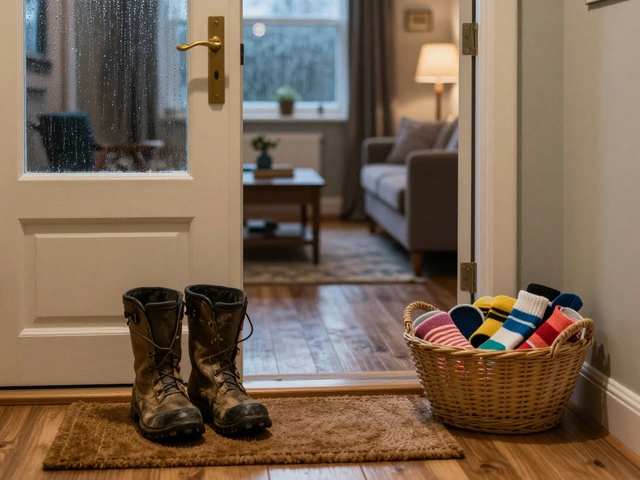
Picture this: You’ve just hosted a dinner party in your Dublin apartment. The rain is lashing against the windows-a classic Irish evening-and your guests from Shanghai arrive with bright smiles and muddy boots. As they step onto your hallway rug, you hesitate. Do you ask them to take off their shoes? If you do, will it come across as rude or hygienic? This awkward moment is more common than you think, especially as Ireland becomes increasingly connected with global cultures.
The short answer is yes, most Chinese people do not wear outdoor shoes inside the house. But why? And how does this tradition translate to our damp, stone-floored homes in Ireland? Understanding this custom isn’t just about being polite; it’s about respecting deep-rooted cultural values that prioritize cleanliness, comfort, and hierarchy.
The Roots of the "No Shoes" Rule
In China, removing shoes at the door is less of a suggestion and more of a social contract. This practice stems from a combination of historical living conditions, religious influences, and practical hygiene needs. For centuries, many traditional Chinese homes featured raised wooden platforms or tatami-like flooring where families would sit, eat, and sleep. Wearing outdoor shoes on these surfaces was unthinkable-it tracked in dirt, dust, and pollutants from the streets.
While modern Chinese apartments often have tiled or hardwood floors similar to those found in Cork or Galway, the habit has persisted. It’s ingrained in daily life from childhood. When a child enters a home in Beijing or Guangzhou, they automatically kick off their sneakers before stepping over the threshold. To an Irish observer, this might seem like excessive caution, but to a Chinese resident, wearing shoes indoors feels akin to eating soup with a fork-simply unnatural.
This custom also intersects with Traditional Chinese Medicine (TCM) beliefs. Many believe that feet are connected to specific meridian lines in the body. Keeping them bare or wrapped in soft slippers allows energy (Qi) to flow freely and keeps the feet warm, which is thought to prevent illness. In Ireland, where winters can be biting even indoors due to older housing stock, this emphasis on foot warmth resonates surprisingly well.
Hygiene vs. Hospitality: The Irish Perspective
Ireland’s relationship with footwear indoors is... complicated. Unlike Japan or Scandinavia, where shoe-free homes are standard, many Irish households still allow shoes inside. Why? Partly because of the weather. We live in one of the wettest countries in Europe. Walking through puddles on O’Connell Street or navigating muddy fields in County Kerry means our shoes get dirty fast. Asking guests to remove them can feel inconvenient, especially if you don’t have a designated storage area.
However, attitudes are shifting. Younger generations in urban centers like Dublin, Limerick, and Waterford are adopting the "no shoes" rule for health reasons. With rising awareness of allergens, bacteria, and microplastics tracked in from outside, more Irish families are keeping their floors cleaner by banning outdoor footwear. Brands like Dunlop and local cobbler shops now offer stylish indoor slippers that bridge the gap between functionality and fashion.
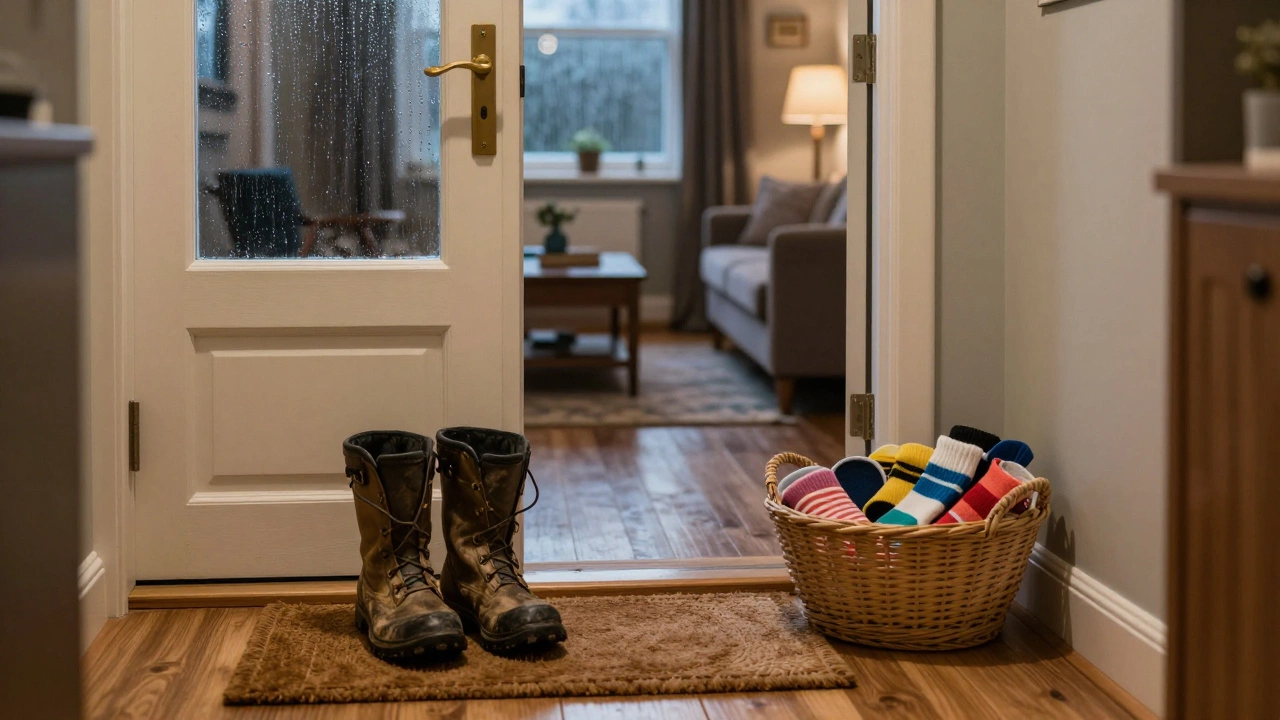
If you’re hosting international guests-or planning to visit China yourself-it’s wise to lead by example. Place a basket of clean socks or slippers near the door. Offer them politely: "Would you like some slippers?" Most visitors will appreciate the gesture, regardless of their background.
What to Wear Instead: The Rise of Indoor Slippers
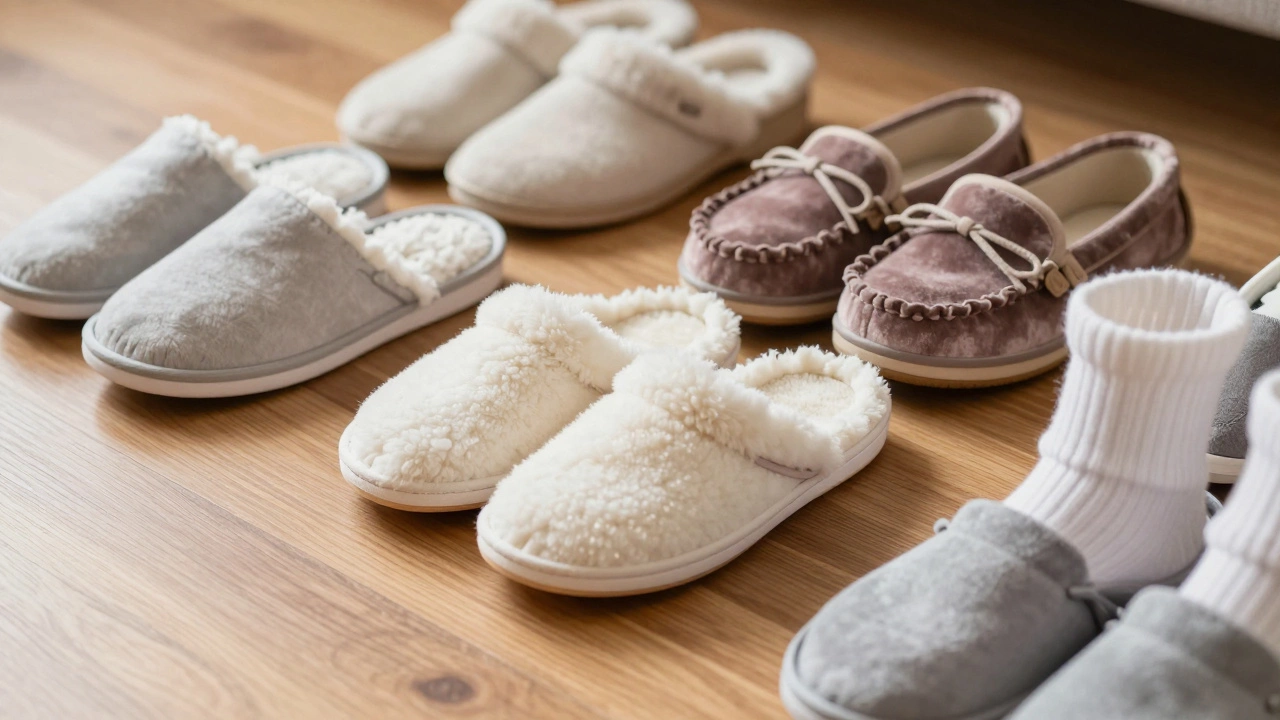
If you’re going to ditch your trainers at the door, what do you wear instead? In China, household slippers are ubiquitous. They’re cheap, comfortable, and designed specifically for indoor use. Common materials include cotton, foam, and velvet, often featuring cute patterns or cartoon characters for children.
In Ireland, we’re catching up. Stores like Penneys, Marks & Spencer, and independent boutiques in Temple Bar sell cozy indoor footwear. Look for options with non-slip soles, especially if you have polished concrete or laminate flooring. Memory foam inserts provide extra cushioning, perfect for standing while cooking or cleaning.
| Type | Best For | Pros | Cons |
|---|---|---|---|
| Cotton Slippers | Daily wear, kids | Breathable, affordable | Less insulation |
| Foam Clogs | Kitchen work, long hours | Arch support, easy to clean | Not ideal for lounging |
| Velvet Moccasins | Winter comfort | Warm, luxurious feel | Can slip on smooth floors |
| Sock Slippers | Bedroom lounging | Ultra-cozy, quiet | Wear out quickly |
Navigating Cultural Differences in Social Settings
When visiting a Chinese friend’s home in Ireland-or traveling abroad-knowing the unspoken rules can save embarrassment. Here’s a quick guide:
- Watch the host: If they take off their shoes, you should too. Follow their lead.
- Carry spare socks: Always keep a pair of clean, presentable socks in your bag. Bare feet aren’t always acceptable, especially in formal settings.
- Respect the boundary: Never step onto beds, sofas, or dining tables with socks or slippers unless invited. These areas are considered sacred spaces of cleanliness.
- Ask before entering: Some modern Chinese-Irish hybrids may allow shoes in certain rooms (like kitchens). Clarify early to avoid mistakes.
Conversely, if you’re hosting Chinese guests in your Irish home, prepare accordingly. Have a shoe rack or mat near the entrance. Provide slippers that fit various sizes. And remember: offering tea or coffee after they’ve settled shows warmth and hospitality, reinforcing the bond beyond cultural differences.

Practical Tips for Irish Homeowners
Adopting a no-shoes policy doesn’t mean sacrificing style or convenience. Here’s how to make the transition smooth:
- Create a dedicated entry zone: Use a bench, hooks, and baskets to organize outdoor footwear. Keep umbrellas and coats nearby for easy access.
- Invest in quality flooring: Hardwood, tile, or vinyl hold up better underfoot traffic. Avoid high-pile carpets if you plan to walk barefoot often.
- Educate your family: Explain the benefits-cleaner air, fewer allergens, longer-lasting floors-to get everyone on board.
- Seasonal adjustments: In summer, sandals or flip-flops work fine. In winter, opt for insulated slippers with grippy soles to handle icy sidewalks.
For renters in cities like Dublin or Belfast, space might be limited. Opt for collapsible shoe racks or under-stair storage solutions. Every little bit helps maintain order without cluttering your living area.
FAQ: Common Questions About Shoe Etiquette
Is it rude to wear shoes in a Chinese home?
Yes, it can be seen as disrespectful. Removing shoes signals respect for the host’s space and hygiene standards. Always follow the host’s cue-if they remove theirs, you should too.
Do all Chinese people follow this rule?
Most do, especially in traditional households. However, younger generations or those living in Western-influenced environments may be more flexible. Context matters-always observe and adapt.
What should I wear if I’m asked to remove my shoes?
Clean socks are usually acceptable. If provided, use the offered slippers. Avoid walking barefoot unless explicitly permitted, as it may be considered impolite in some contexts.
How do I explain this to my Irish friends who find it strange?
Frame it around hygiene and comfort rather than strict tradition. Highlight how many Irish families are adopting similar practices for healthier homes. Share personal anecdotes to make it relatable.
Are there any exceptions to the no-shoes rule?
In very cold climates or during emergencies (e.g., sudden storms), hosts may allow shoes temporarily. Also, some public spaces in China (like malls or offices) permit shoes, but private homes remain strictly shoe-free.